
What governments should take into account to make a real transition to renewable energies

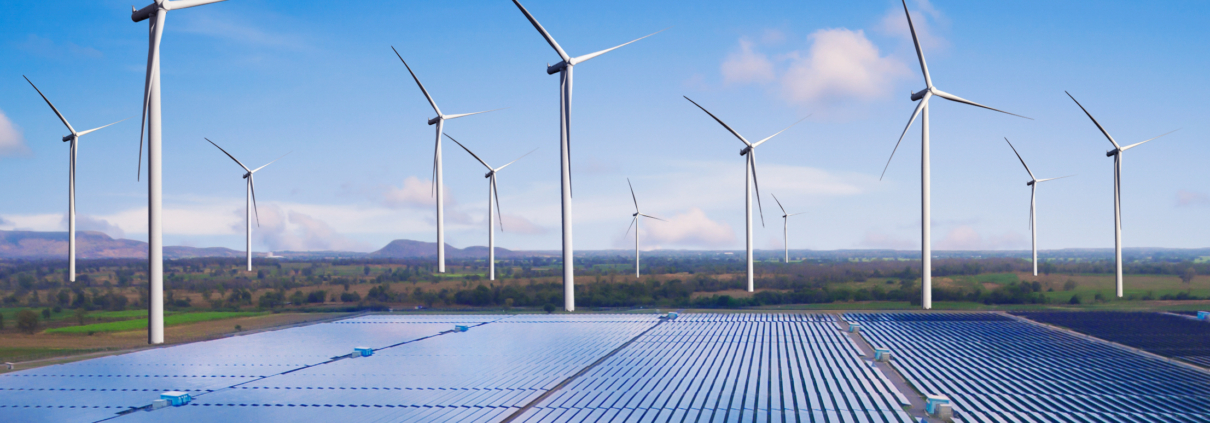
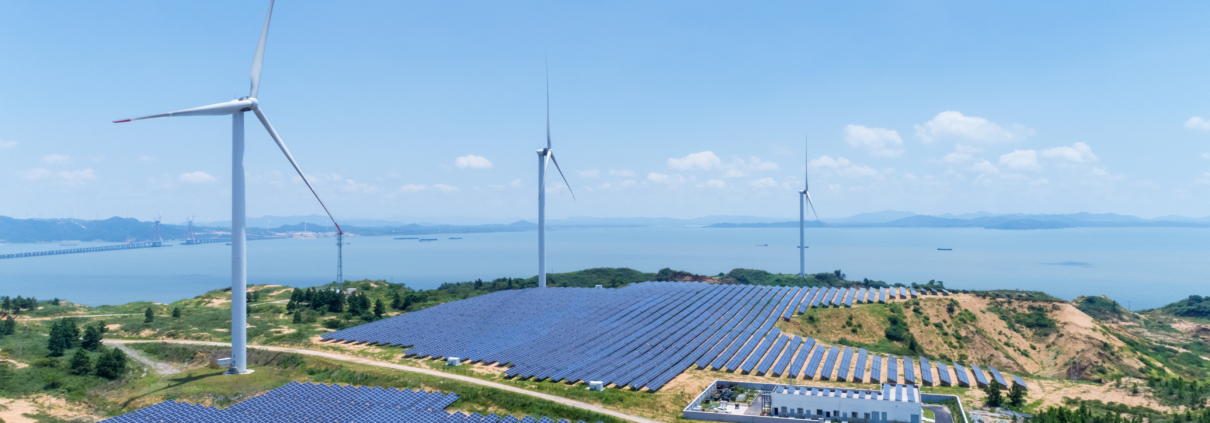
The adoption of renewable energy is increasing as the world charts a path toward a low-carbon, net-zero emissions future. In Latin America alone, wind and solar capacity grew by 50% in 2021, and the region is on course to see an estimated 18 GW of wind, solar and storage come online by the end of 2022. But for the renewables sector to meet its potential of powering the clean economy of the future, getting the right policy and regulatory frameworks in place is vital. In this deep dive, we take a look at best practices observed across the Americas and highlight the importance of positive policymaking for a net-zero future.
Setting renewable energy targets
A fundamental step to the expansion of renewable energy in many countries is a simple one: target setting. Renewable energy targets for national governments, local and regional authorities, and businesses are an important indicator of the direction of travel and help provide certainty for investors. Targets can require a certain share of renewables to be achieved or by setting specific technology deployment targets, for example, or even lay out objectives for CO2 reduction and fossil fuel phase-out, thereby driving the shift to renewables.
The nationally determined contributions (NDCs) that are at the heart of the Paris Agreement contain numerous renewable energy targets, but they don’t always go far enough: so far, 182 parties have included renewable energy components in their NDCs, of which only 144 had a quantified target, and only 13 parties have committed to a percentage of renewables in their overall energy mixes.
In the Americas, the signatories to the Renewables in Latin America and the Caribbean (RELAC) initiative – including Bolivia, Chile, Colombia, Costa Rica, the Dominican Republic, Ecuador, Guatemala, Haiti, Honduras, Paraguay, Peru, and Uruguay – have established the aim of generating 70% of energy from renewable sources by 2030, while the US has recently set a target to achieve a carbon-free electricity sector by 2035.
- Policy in action
Translating these targets into tangible change requires bold policy action.
One example of this is Chile, which has established its renewable energy target as binding under law 20698, with clear penalties for non-compliance and a monitoring and enforcing mechanism.
Meanwhile, in Colombia, to achieve a more eco-friendly energy matrix, the Ministry of Mines and Energy recently approved resolution 40715 which stipulates that, as of 2023, at least 10% of electricity purchases in the wholesale energy market must come from renewables through long-term contracts.
Ensuring a level playing field
Even though research by the International Renewable Energy Agency (IRENA) has demonstrated that renewables are not only competitive with fossil fuels but can also significantly undercut them when new electricity generation capacity is required, distortionary policies mean that renewable energy is still not yet the most economically beneficial option in some markets. One example of this is the continued provision of fossil fuel subsidies in Colombia: a recent paper by the Overseas Development Institute found that the Colombian government provided at least 5,610 billion pesos (around US$1.7bn) in subsidies to fossil fuel production and consumption in 2019.
Some renewables also face challenges in competing against fossil fuel alternatives due to greater upfront costs than fossil fuel incumbents. Because renewables provide benefits such as greater energy security and reduced greenhouse gas emissions that are not necessarily priced in by the market, policymakers need to work to create a level playing field.
- Policy in action
Numerous governments in the Americas have developed carbon pricing systems to reflect the real impact of fossil fuels, some by implementing a carbon tax and others by designing emissions trading systems (ETS).
Another example of policymakers working to level the playing field is in Mexico. Under the General Law of Climate Change, a fund has been created to channel public, private, national, and international financial resources to support actions to combat climate change, with priority areas including energy efficiency projects and renewable energy development.
Encouraging electrification
Transport has the highest reliance on fossil fuels of any sector and accounted for 37% of CO2
emissions from end-use sectors in 2021, according to the International Energy Agency (IEA). A huge opportunity exists to encourage a shift to the least carbon-intensive travel options such as electric vehicles (EVs) and position them as the biggest users of renewable electricity globally, driving the roll-out of more renewable power plants. But doing this means ensuring mechanisms are in place to not only support the use of EVs but also enable them to be manufactured and sold.
- Policy in action
Integrated planning for electric mobility and renewable electricity production, transmission, and distribution can help buttress the energy transition.
In Chile, under the National Electromobility Strategy, the government has established a set of measures and incentives to transition to electromobility.
By 2035, 100% of light and medium vehicles, 100% of public transport, and 100% of large mobile machinery sold will be zero emissions. By 2040, 100% of the sales of minor mobile machinery, including agricultural, forestry, and construction machinery, will be zero emissions. And by 2045, 100% of the sales of freight transport and intercity buses will be emission-free.
Meanwhile, in the US, under the American Jobs Plan, there is a proposed US$174bn investment to promote the American EV market. As part of the plan, consumers will receive rebates and tax incentives on the purchase of EVs, while grant and incentive programs will be established for both the public and private sectors to build a national network of 500,000 EV chargers by 2030. The plan also commits to replacing 50,000 diesel transit vehicles and electrifying at least 20% of the national school bus fleet, as w ell as electrifying the federal fleet, including the United States Postal Service.
Supporting innovation
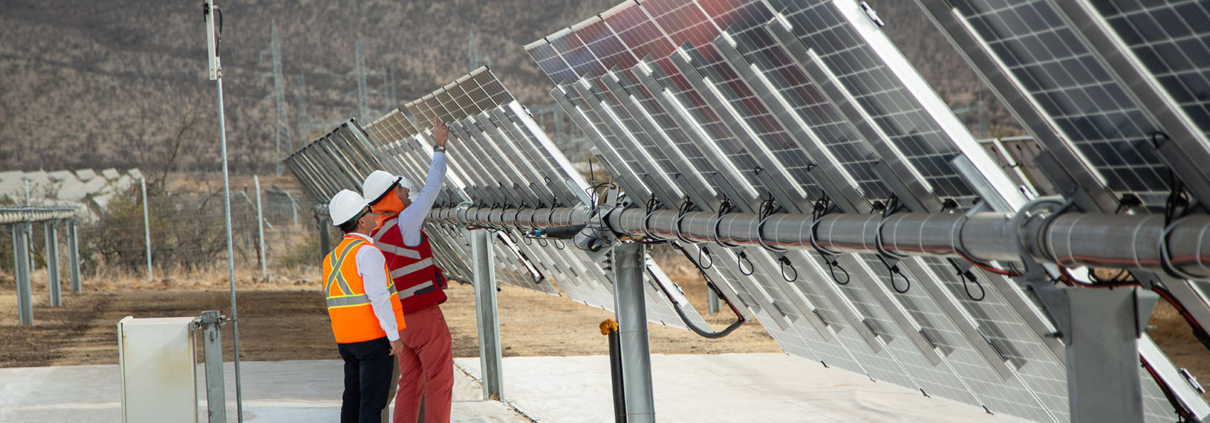
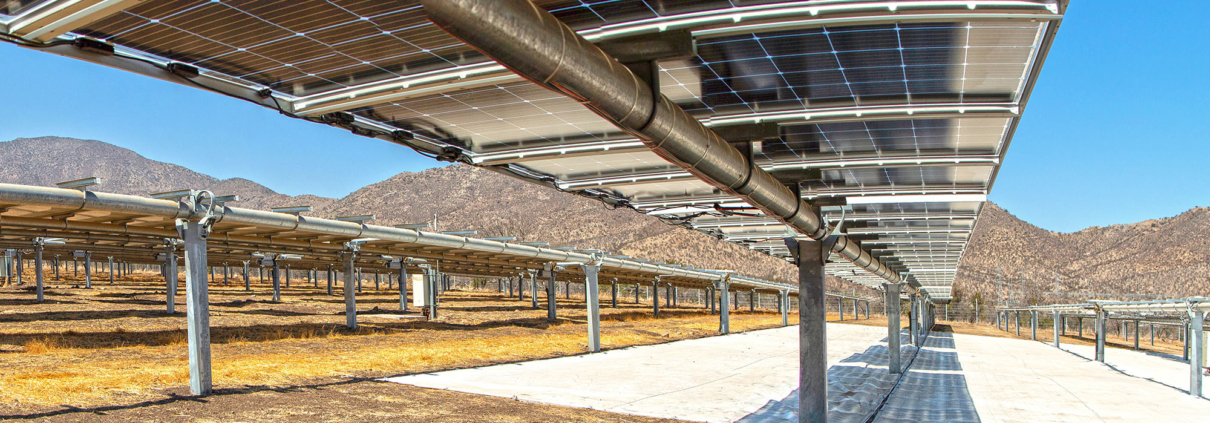
Clever engineering tricks are pushing the efficiency of renewable energy close to its theoretical maximum. At Atlas, we use bifacial panels, which catch solar rays from both sides, for example, as well as electronics that enable panels to track the sun as it moves through the daytime sky, enabling us to capture almost all of the available sunshine. But there are still some technologies that are further from the market, and research and development activities are needed to continue to build up the efficiency and impact of renewable energy. A lot of this is funded by the private sector – like in our R&D lab in Chile – but there is a continued role for public sector support.
- Policy in action
In some countries, policymakers are working to identify priority technologies or priority areas of innovation, building on synergies with other areas of innovation.
The US Department of Energy (DOE) recently announced a US$420M funding opportunity for its Energy Frontier Research Centers (EFRC). This funding will advance climate solutions through early-stage research on clean energy technology, advanced and low-carbon manufacturing, and quantum information science to contribute to the national goal of becoming a zero-emission economy by 2050. The funding opportunity is sponsored by the Office of Basic Energy Sciences within the Department’s Office of Science.
Meanwhile, the US President’s Budget for the fiscal year 2022 includes US$400M for a new Office of Clean Energy Demonstrations to keep bringing innovative technologies to market.
Leveraging funding and policy instruments
Policymakers have numerous tools at their disposal to support renewable electricity deployment, reduce the cost of financing and decrease off-taker risks, from administratively set feed-in-tariffs or premiums to quotas and tradeable green certificate schemes and capital grants. In recent years, we’ve seen how auctions have become a cost-effective tool for policymakers to ensure the targeted amount of energy at low transaction costs, while public financial institutions have offered financial instruments that mitigate risks and reduce the risk premiums required by private players.
- Policy in action
A renewable energy auction is a competitive procurement process that allows countries to attract the most cost-effective renewable energy projects in their domestic market. Auctions help policymakers achieve sustainable cost reductions while spurring private investment, creating local jobs, reducing corruption in the procurement process, and lowering emissions.
Colombia, which aims to contribute 4 gigawatts of renewable energy to its total energy mix, recently awarded 11 solar projects and provided about 4,800 green jobs in a renewable auction held in October 2021. The 15-year contracts are engaged with nine generating companies and 53 marketers with a weighted average allocation price of 155.8 pesos per kWh. With this new installed capacity, the share of non-conventional renewable energy is expected to go from 0.2% in 2018 to more than 15% in 2023.
The financial structure for larger sustainable energy projects involves a range of equity, debt, insurance, and other risk-transfer instruments, and this is where public finance can play a role.
In February this year, the Banco do Nordeste do Brasil, the largest regional development bank in Latin America, provided US$76M in financing for the construction of the Lar do Sol – Casablanca II solar plant, in Pirapora, in the state of Minas Gerais.
Atlas Renewable Energy is the main investor and operator of the self-production plant, which will help power a Brazilian chemical company facility.
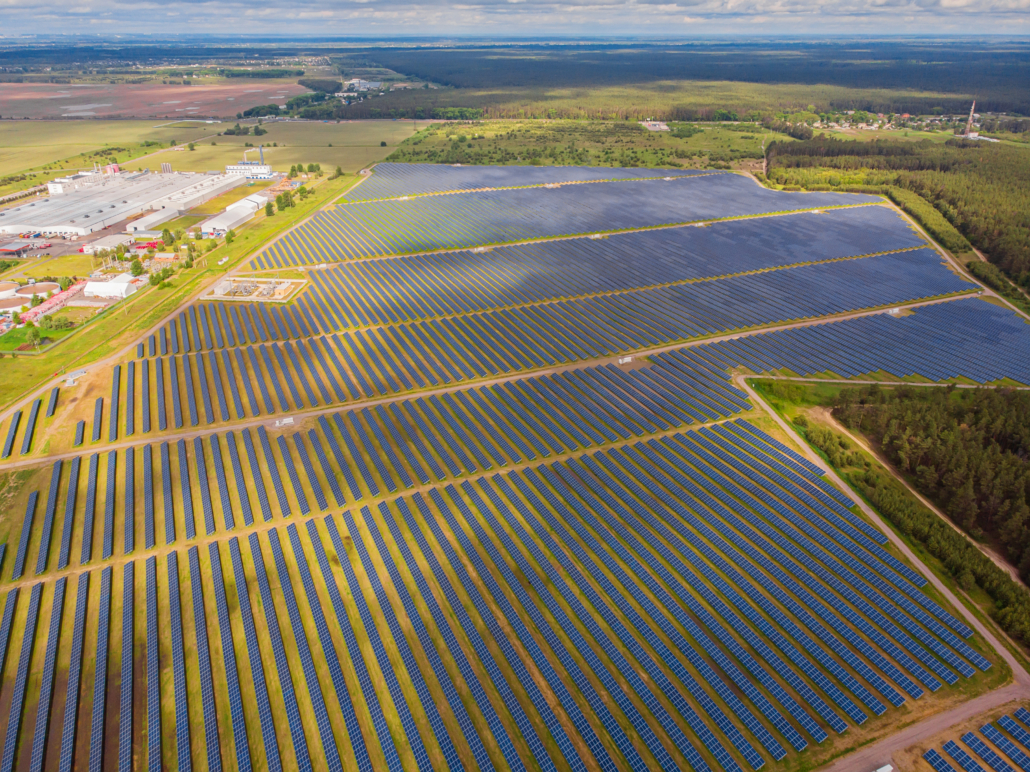
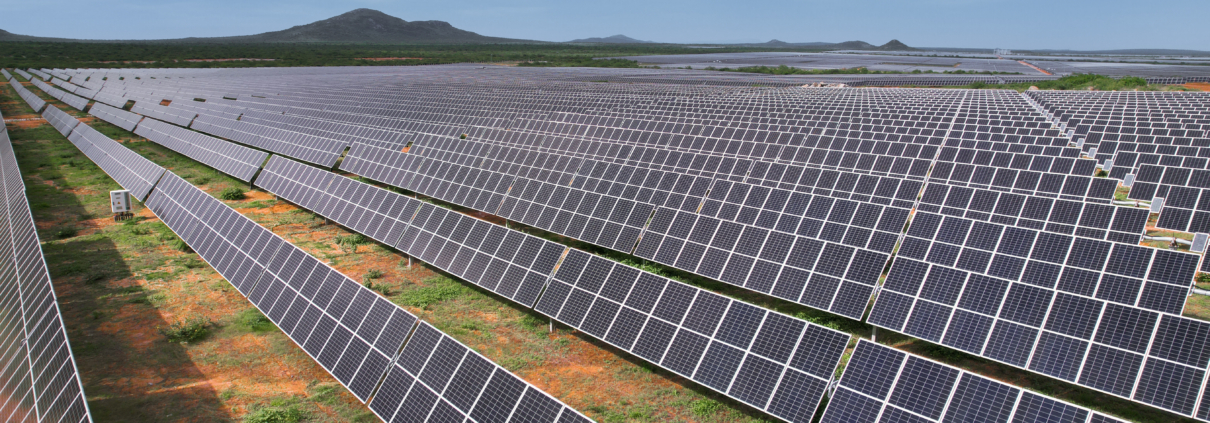
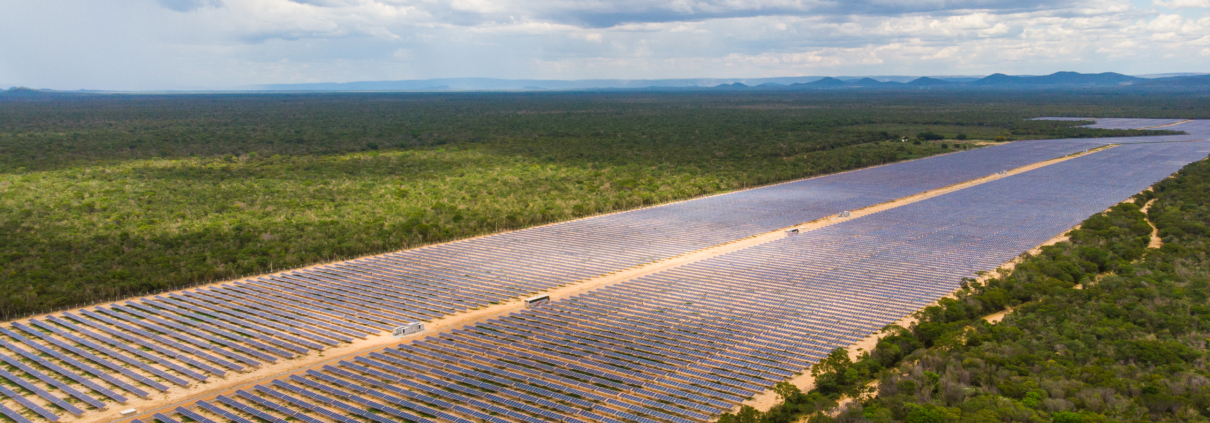
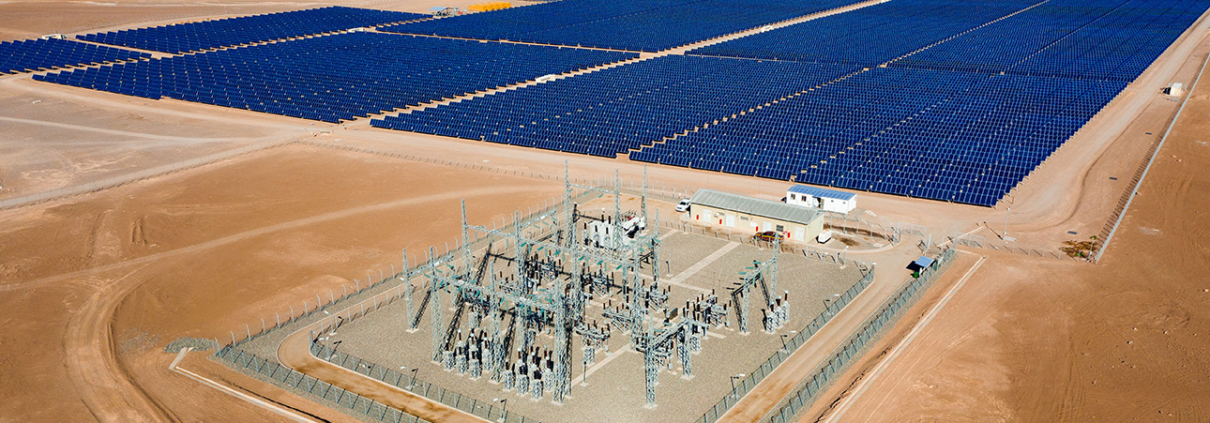
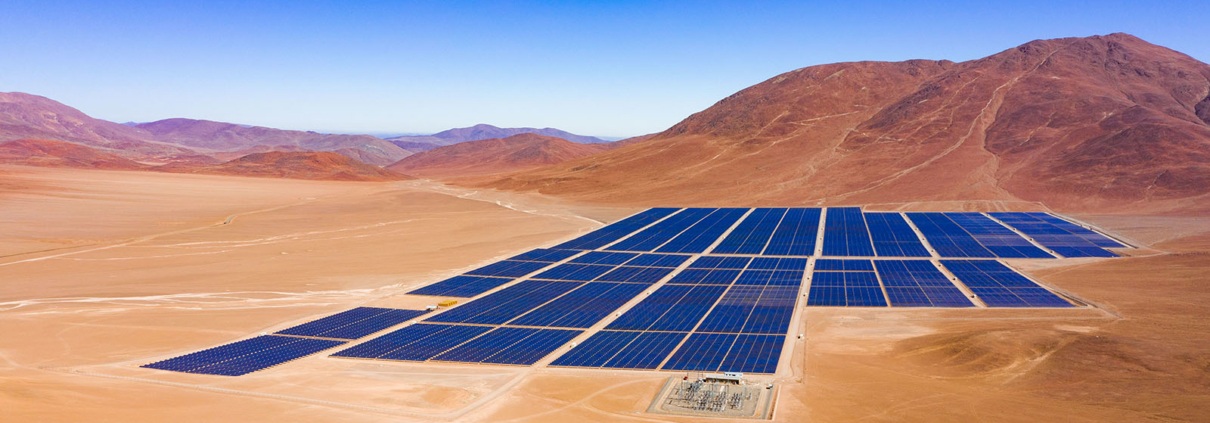
The plant will occupy about 700ha and will have an installed capacity of 239MWp with 460,000 solar panels. Its yearly energy generation will be the equivalent of supplying energy to about 261,662 households. Moreover, the plant will avoid approximately 40,500 metric tons of CO2 emissions per year, which is equivalent to removing 16,200 vehicles from the streets of São Paulo.
Enabling grid access
In many countries, a very small share of awarded capacity in auction rounds reach commercial operation within the set-out deadline, and these delays are often related to connectivity with the transmission grid. Particular problems can occur where renewables projects are in remote locations because of good resource availability but where grid infrastructure may be non-existent or inadequate – such as in the Guajira Peninsula in Colombia.
What’s more, new renewables installations can face excessive costs for connecting to the electricity transmission and distribution grids, which can in turn undermine competitiveness. By supporting grid development and promoting clean energy access in isolated and underserved areas, policymakers can foster the wider use of renewable energy.
- Policy in action
By establishing clear rules governing grid connection costs, policymakers can enable private operators to connect on a non-discriminatory basis and determine fair levels of costs.
In 2021, the Colombian government enabled a new mechanism for the Network Operators of the National Interconnected System (SIN) to bring electricity to isolated parts of the country via power generation systems that are not connected to the SIN through physical distribution networks. Electricity will be provided through isolated microgrids and individual isolated solutions, mainly with generation based on non-conventional renewable energy sources.
In the US, the DOE recently launched the “Building a Better Grid” Initiative to catalyze the nationwide development of new and upgraded high-capacity electric transmission lines, deploying more than US$20bn in federal financing tools. Meanwhile, the DOE has also announced US$15.5M in funding to support solar energy deployment in underserved communities.
Overcoming non-economic barriers
Even where resource and market conditions are favorable, other barriers to rapid progress may remain, such as skills shortages or administrative barriers, such as difficulties in obtaining planning consent or other permits. Via schemes for increasing relevant skills in the energy industry and supply chains, and the acceleration of bureaucratic processes, policymakers can help ensure the speedy roll-out of renewable energy.
- Policy in action
There are several examples in the Americas of governments acting to reduce the administrative burden on renewable energy development, without compromising public consultation and impact assessment.
In the US, the SolarAPP+ program, led by the National Renewable Energy Laboratory (NREL) along with local authorities and the solar industry, has reduced permitting times in municipal departments from up to several weeks to a matter of hours, thereby expediting solar installations and reducing costs.
In Colombia, the issuance of Decree 829 of 2020 for the streamlined procedure of tax incentives for non-conventional renewable energies has meant the facilitation of tax benefits to companies, who can now access their incentives in 45 days instead of 3 months. These incentives include income deduction, VAT exclusion, and exemption from tariff duties.
Why careful policymaking matters
There is no one-size-fits-all solution for renewable energy policy, and as policymakers weigh up a bewildering array of instruments, from renewable portfolio standards to feed-in tariffs and tax credits, the only constant is the urgent need to ensure that renewable energy can achieve its potential of powering the sustainable economy of the future.
Atlas Renewable Energy has a long track record of working to enable countries across the Americas to achieve their renewable energy goals. By actively engaging with the public and private sector, community, and stakeholders at the heart of its strategy, the company works every day to deliver a cleaner future.
In partnership with Castleberry Media, we are committed to taking care of our planet, therefore, this content is responsible with the environment.
Share This Entry