
Atlas logo Atlas logo

Understand the limits of carbon capture in the energy transition

June 17, 2024 Press Releases

Seen as a solution by fossil fuel producers, carbon capture will not be sufficient to address global climate challenges. More than managing emissions, the world needs a transition to renewable resources

2023 was the hottest year ever recorded, and 2024 is trending in the same direction. Scientists from the United Nations Intergovernmental Panel on Climate Change (IPCC) indicate that the world is likely to exceed a 2.8° C temperature increase by the end of the century under current policies, and they are calling for increased efforts to limit warming to 1.5 °C.

Fossil fuels are at the heart of the problem. Burning oil, gas, and coal releases tons of greenhouse gasses into the atmosphere, and the more we consume these fuels,  the greater the emission intensity.

To respond urgently to the climate crisis, producers are investing in decarbonization solutions such as carbon capture and storage (CCS). However, this will not be sufficient to curb emissions and global warming. We must change to cleaner, renewable sources of energy.

Why is there a limit on carbon capture?

CCS technology has been adopted by oil, gas, and coal operating companies to reduce emissions. Some industries such as cement and steel, which need to burn a lot of fuel in their furnaces to generate energy, are also considering the adoption of CCS as a way to mitigate their climate impact and provide products with a lower carbon footprint.

However, according to the International Energy Agency (IEA), the pace of CCS project implementation has virtually stagnated—the total capacity remains at about 40 million tons for the past three years.

In the agency’s perfect scenario for the world to achieve net-zero emissions and limit warming to 1.5° C, the capture capacity should reach about 400 million tons of CO2 by 2030; that is, it needs to be 10 times greater within the next six years. 

Besides not being on track, there is another problem: CCS targets emissions from the production of fossil fuels and consumption only from large industries.

But it is precisely consumption that has the greatest environmental impact, and it is dispersed: in industries and in cars, planes, ships, and trucks, and in the electricity that powers homes, businesses, and agricultural production.

For context, the world emits about 55 billion tons of greenhouse gases per year. Carbon capture can address only a small fraction of these emissions.

 It’s expensive and consumes more energy

Adopting CCS also means high investment and energy consumption. This is one of the main reasons for delays in projects around the world.

In the United States, for example, to facilitate the integration of carbon capture into fossil fuel plants, President Joe Biden’s Inflation Reduction Act (IRA) had to boost the tax credit in July 2023 to $60/ton of CO2 used in enhanced oil recovery or other industrial operations and to $85/t for permanently stored CO2, up from $35/t and $50/t respectively, according to S&P Global.

The costs of carbon capture vary greatly depending on the type of activity and the amount of energy needed in the process: the lower the concentration of CO2, in gas, the higher the energy required to separate the CO2, resulting in higher costs, explains a study by the  International Institute for Sustainable Development (IISD).

According to the IISD, in coal-fired power plants, steel and cement industries, and hydrogen production, CO2, streams are more diluted, which increases energy consumption and raises capture costs.

If the energy used in the process is fossil fuel, it also emits CO2.

Toward the transition to renewables 

In December 2023, the 28th United Nations Climate Change Conference (COP28) set the tone for what the future energy matrix should look like.

The conference’s 190-plus member countries agreed to triple the share of renewable energy in the global energy mix by 2030 and transition away from fossil fuels.

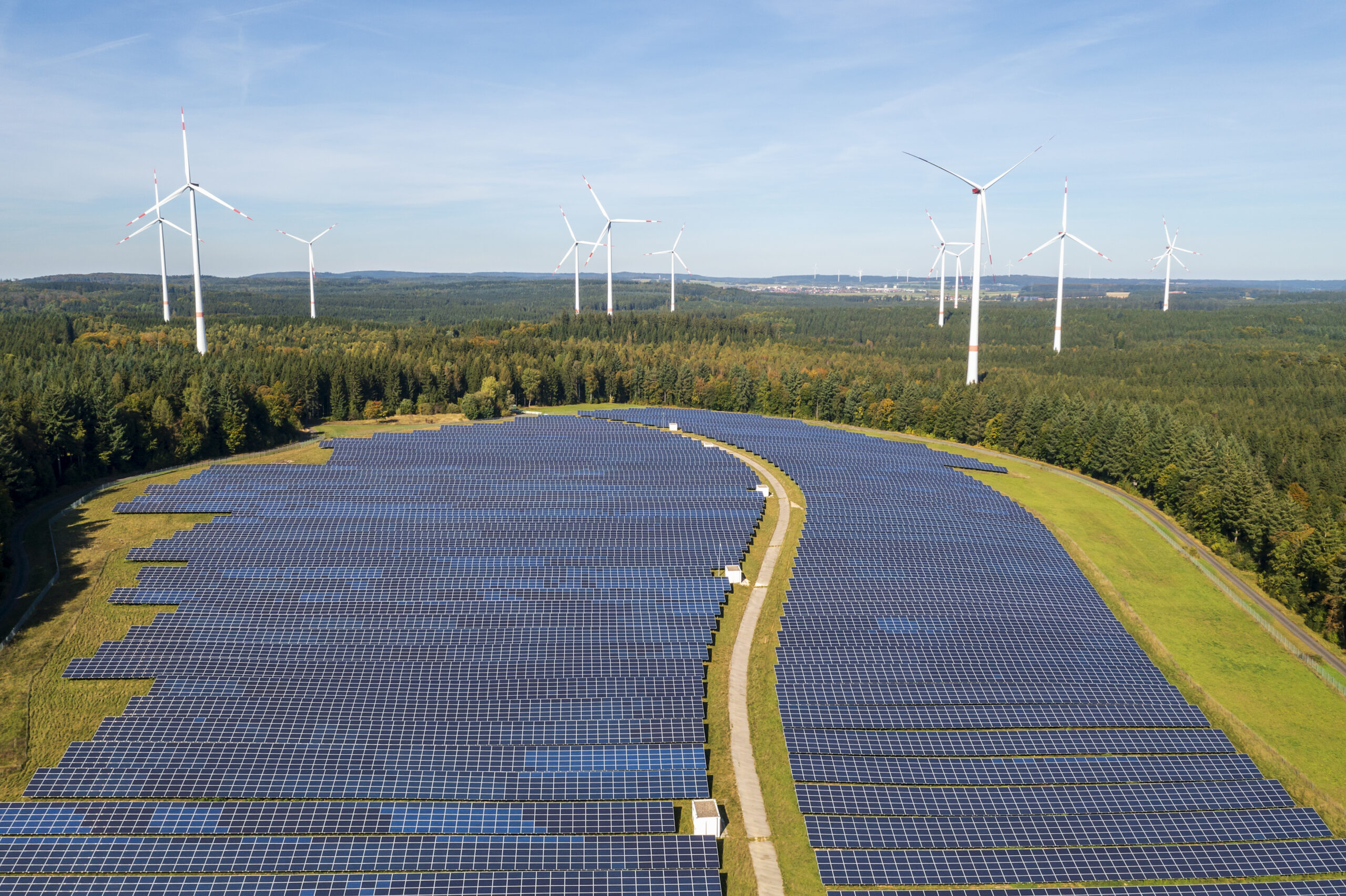
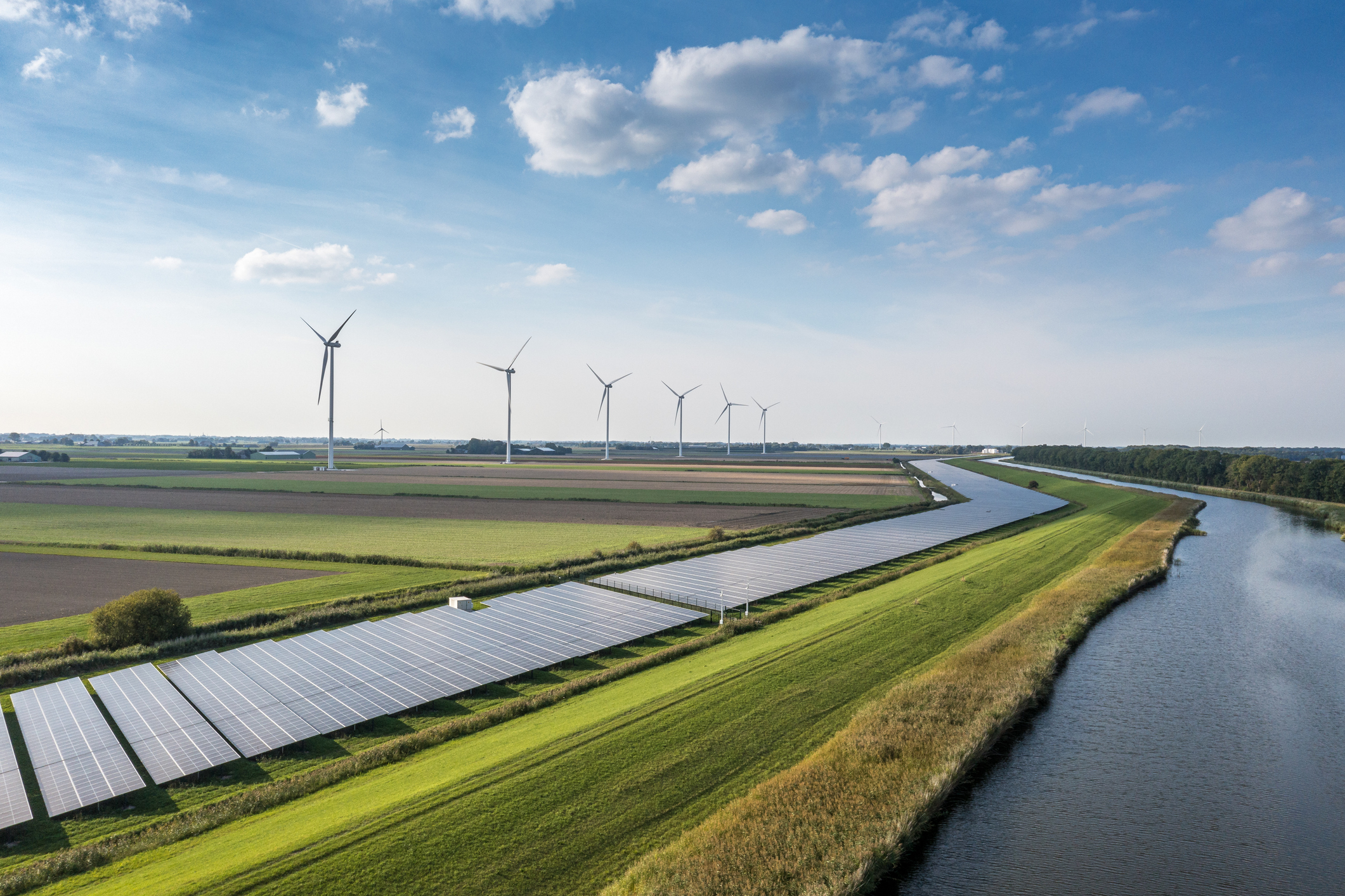
We are already on the way. Sources such as photovoltaic solar and wind, and solutions like electric vehicles are setting records for expansion: in 2023, the capacity of renewable energy added to energy systems worldwide grew by 50%, reaching almost 510 gigawatts (GW), with solar photovoltaic energy accounting for three-quarters of the additions worldwide. 

Estimates from the agency also indicate that fossil fuel consumption is expected to peak before 2030, with the share of clean sources in electricity generation approaching 50%, compared to about 30% in 2023.

This shift will reach all economic sectors, including those most dependent on fossil fuels.

This is because the combination of renewable energy, energy efficiency, and the electrification of operations has the potential to reduce CO2, emissions by more than 90%, necessary for the industry to meet its targets by 2050, calculates the United Nations Development Program (PNUD).

Brazil has excellent examples of how the partnership between intensive energy consumption companies and renewable energy generators can promote a real transformation. 

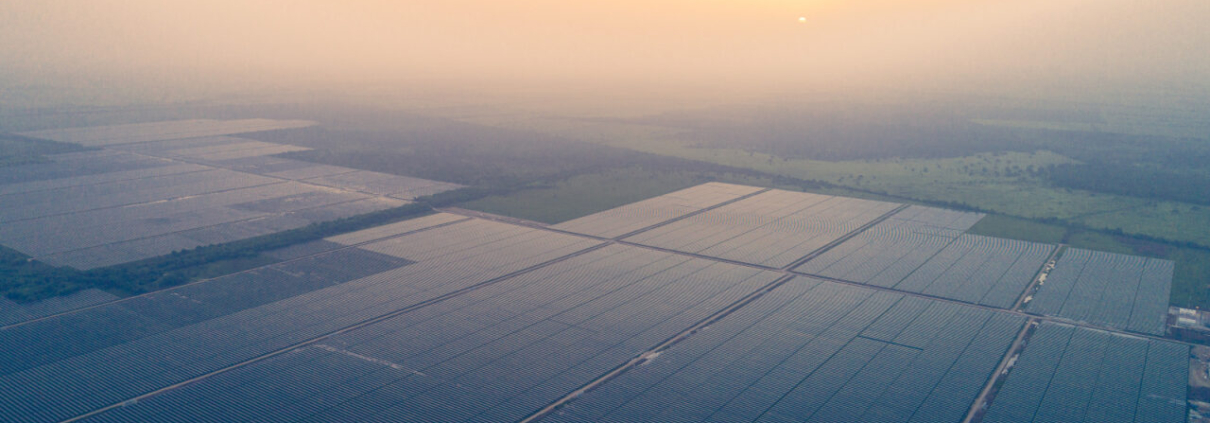
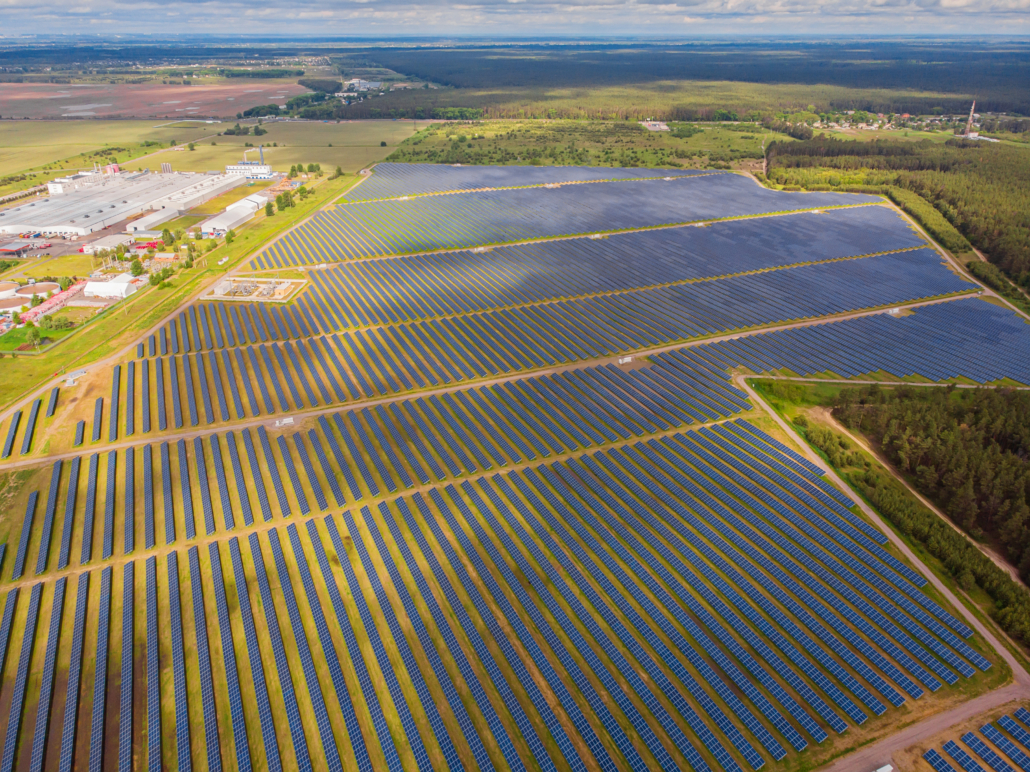
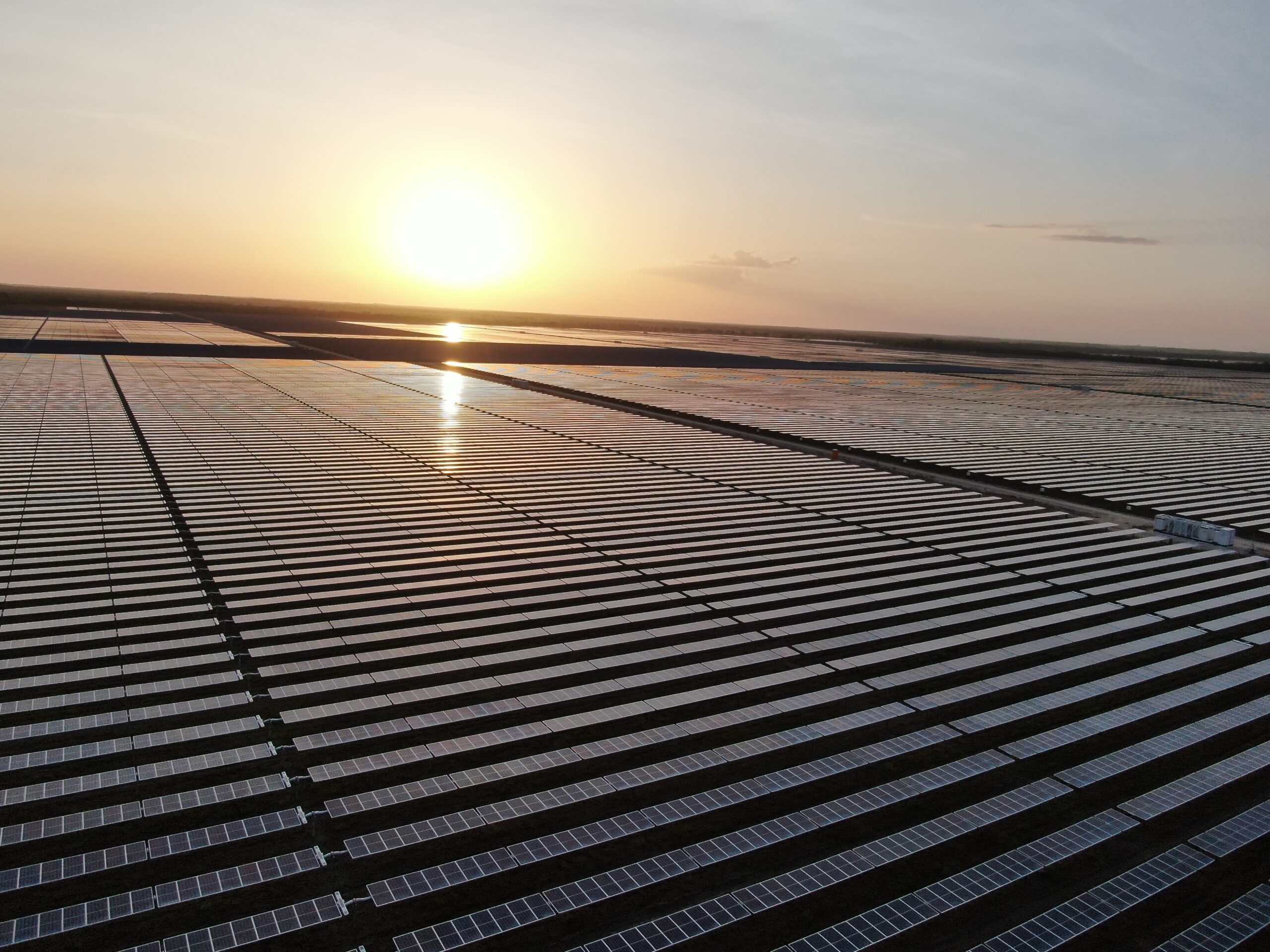
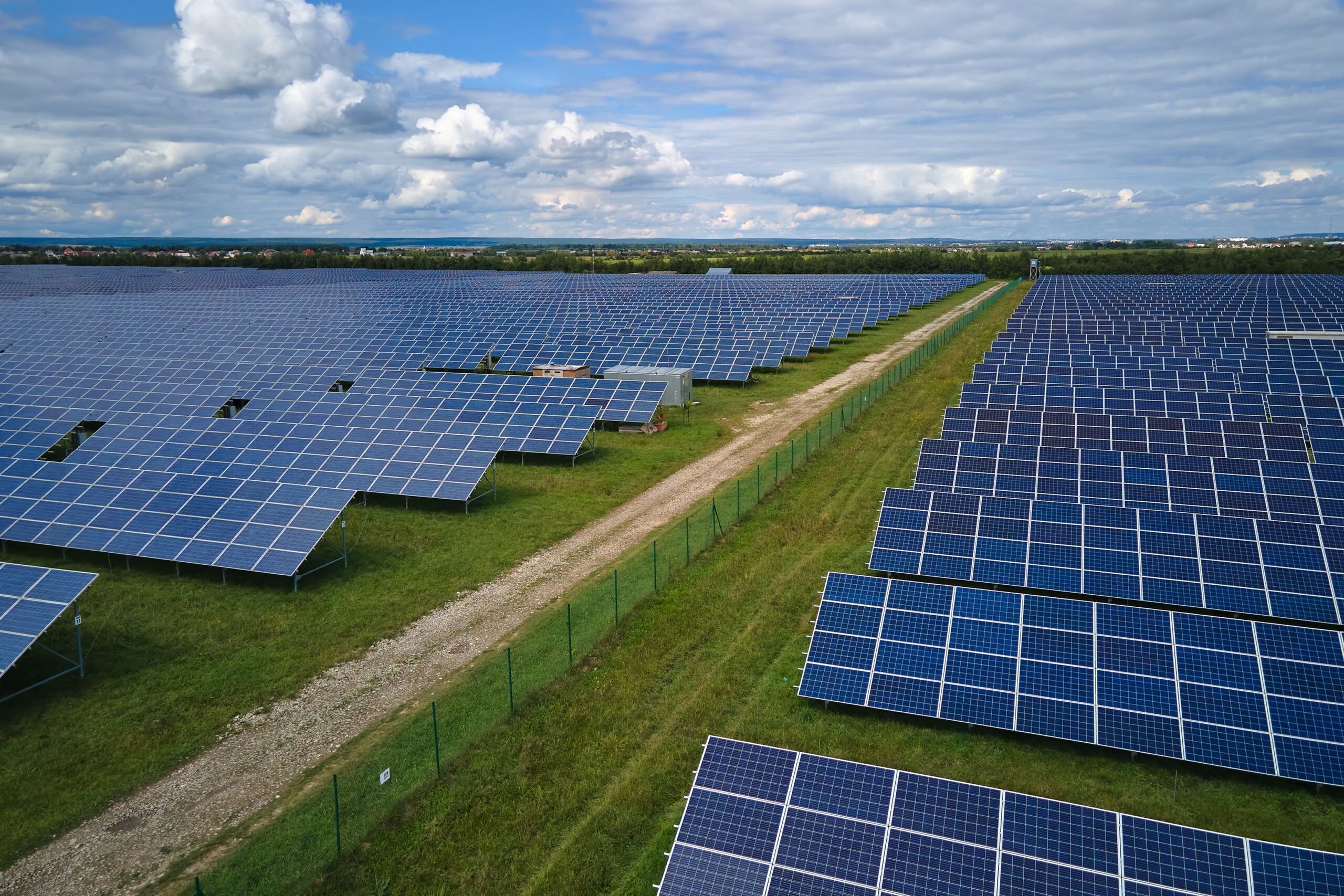
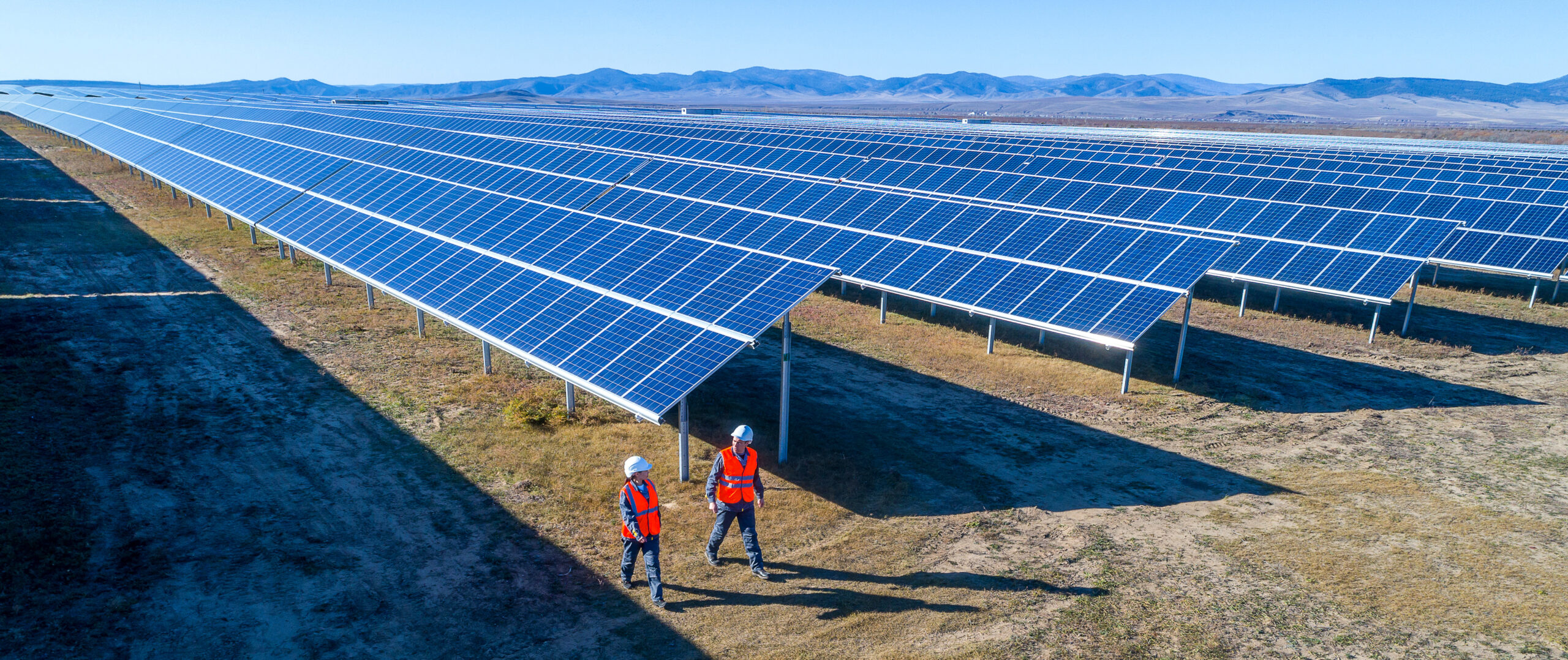
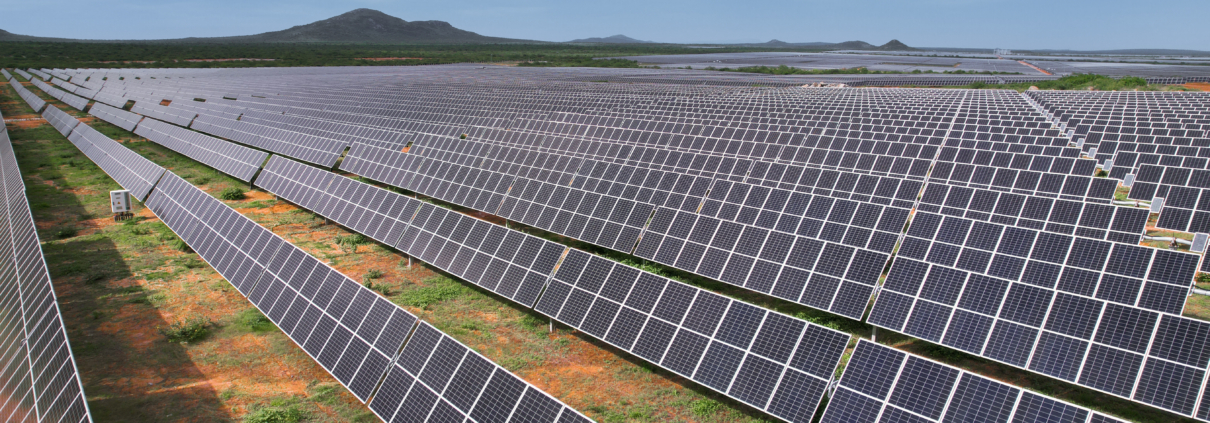
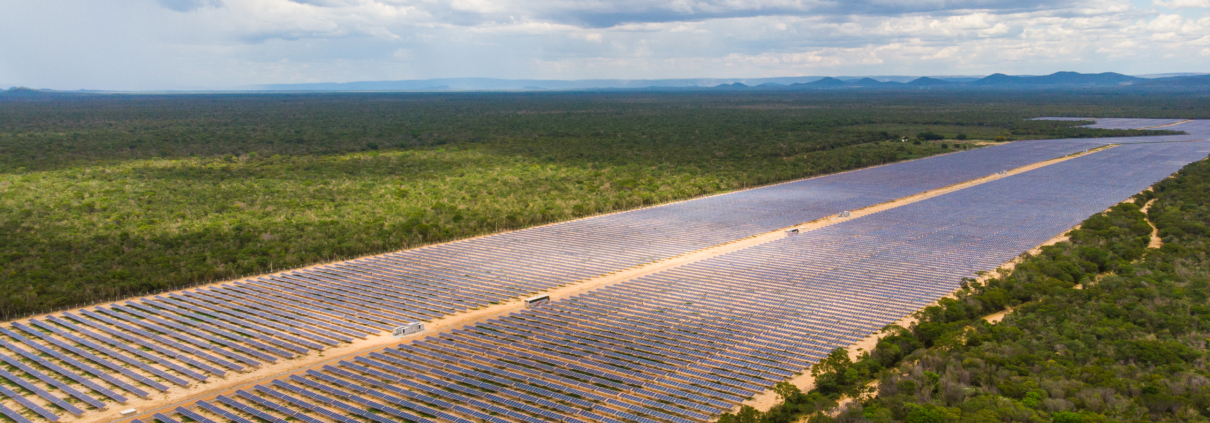
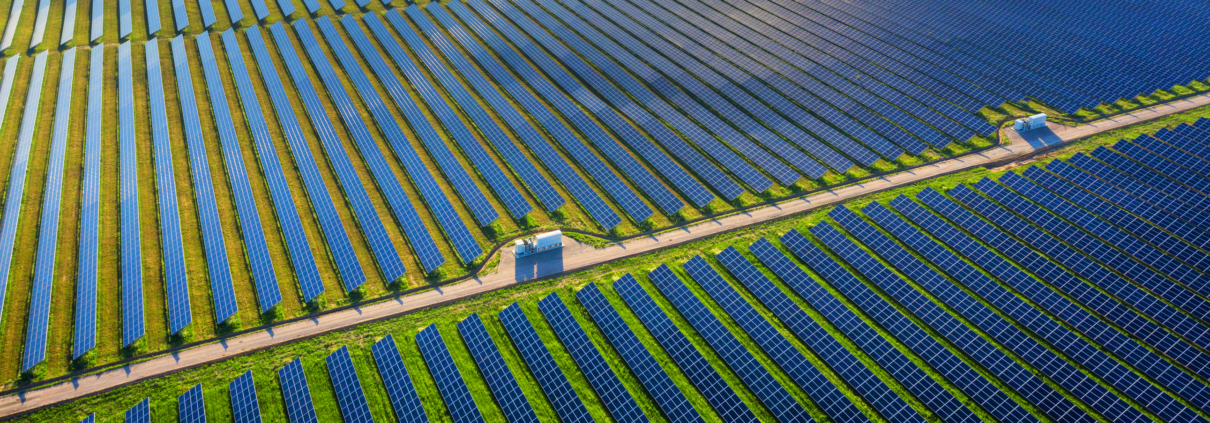
One of them comes from the partnership of Atlas Renewable Energy with Hydro Rein and Albras, Brazil’s largest primary aluminum producer. By forming a joint venture to develop, construct, and operate the Boa Sorte solar plant (438 MWp) in the state of Minas Gerais, the companies add renewable energy capacity in Brazil while making aluminum production more sustainable.

With an estimated investment of US$320 million, Albras signed a dollar-denominated PPA in the self-production model for the annual supply of 815 GWh from 2025 to 2044 to cover part of its energy consumption.

The energy expected to be generated by the park will avoid the emission of 154,000 tons of CO2 per year, equivalent to taking more than 61,800 gasoline and diesel cars off the streets of Sao Paulo.

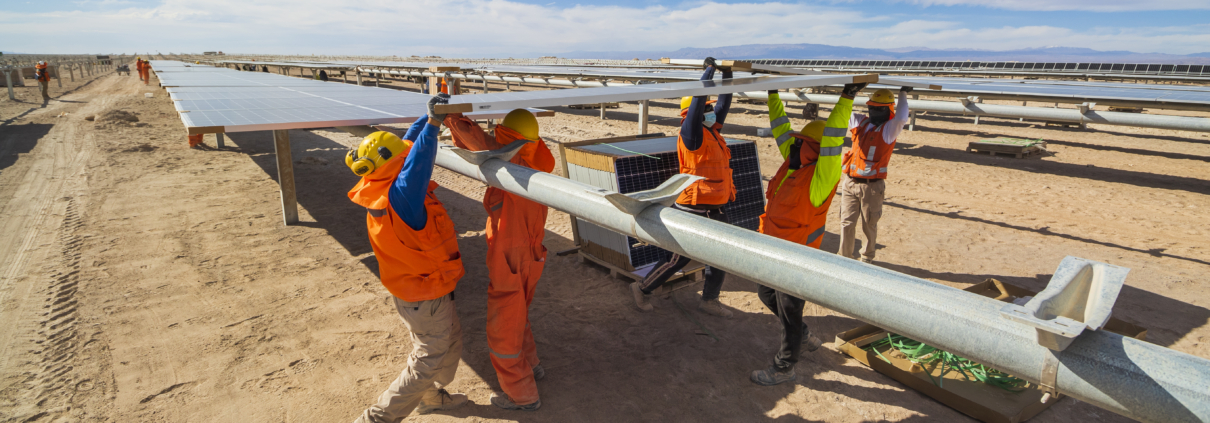
More than generating energy, these renewable energy ventures also promote economic development in the regions where they are installed, hiring the local workforce and suppliers, and promoting training and inclusion projects.

Decarbonization with Green Hydrogen

Another way to leverage the renewable potential of a country like Brazil in the decarbonization of the industry is through the production of green hydrogen, produced from the electrolysis of water with energies such as solar and wind.

With an emphasis on Latin America, countries globally are designing their plans to establish a value chain and develop industrial clusters where the new energy source will be produced and consumed.

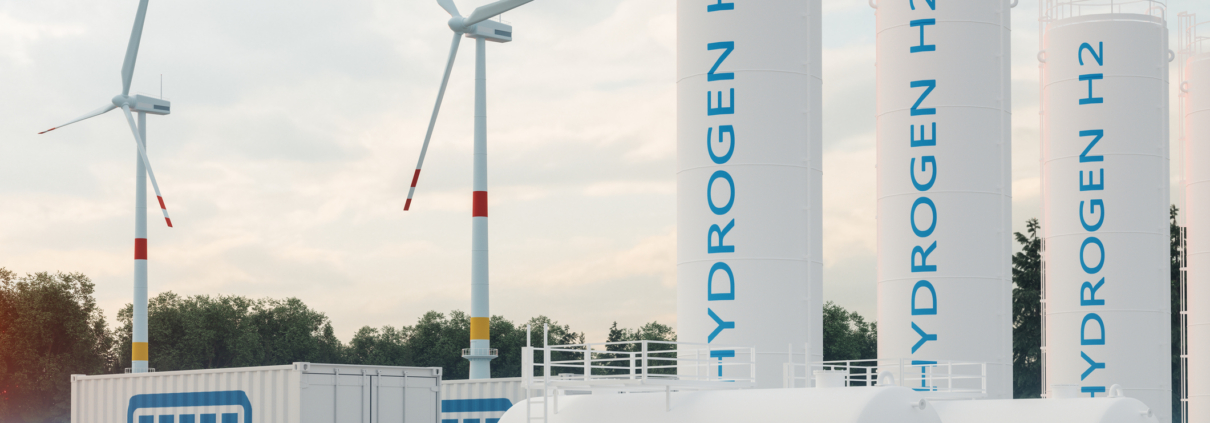
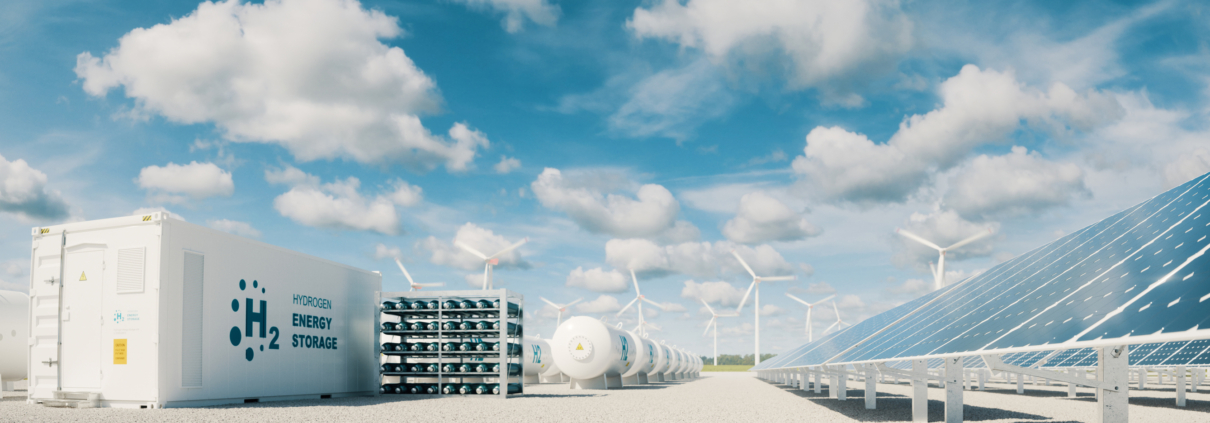
Green hydrogen is one of the most efficient ways to store energy produced by solar and wind parks, and its potential use by the industry ranges from the production of sustainable fuels such as SAF (aviation), green ammonia, and green methanol (marine transport), as well as fertilizers, green steel, and aluminum.

In the steel industry, for example, a BloombergNEF study estimates that the use of green hydrogen in furnaces could be the cheapest option for producing zero-emission steel by 2050.

Brazil is one of the candidates. Its electric matrix with about 83% renewable participation and all its wind and solar potential make the country attractive for the development of a greener and more competitive industrial chain.

A future of opportunities

Decarbonizing the global economy, dependent on fossil fuels, will not be easy. It is a challenge that must be faced seriously and weigh the pros and cons of each technological option.

Solutions such as carbon capture and storage will have their place, but must be viewed realistically, without diverting focus from what will really change energy consumption.

The demand for energy will continue to grow, and we need to meet it with efficiency, low prices, and sustainability. Therefore, renewable expansion is an irreversible path: it is the most effective option available today with the technologies and natural resources at our disposal.   

This article was created in partnership with Castleberry Media.. At Castleberry Media, we are dedicated to environmental sustainability. By purchasing Carbon Certificates for tree planting, we actively combat deforestation and offset our CO₂ emissions threefold.

Share This Entry

More articles

October 06, 2025 Our point of view
Toward COP30: How Renewable Energy Is Rewriting Latin America’s Opportunity Set
October 05, 2025 Our point of view
Renewable Energy-Driven Data Centers: Shaping Mexico's Digital Future
October 05, 2025 Our point of view
The Food Industry and Energy Transition: A Recipe Toward Competitiveness
October 02, 2025 Our point of view
Chilean Mining Sector in Energy Transition: Perspectives and Key Insights Amid New European Regulations
September 23, 2025 Our point of view
Walking the Walk: Making Sustainability Tangible
July 23, 2025 Our point of view
Renewable Energy: The Strategic Choice for Energy Transition in Mining and Oil Operations
July 19, 2025 Our point of view
Innovation That Protects: How Atlas Embedded Health and Safety at the Core of Its Operational Excellence
June 17, 2025 Our point of view
How Renewable Energy Will Power Mexico's Economic Transformation by 2030
June 17, 2025 Our point of view
From Generation to Energy Consumption: The Private Sector's Role in the Energy Transition
May 28, 2025 Our point of view
Energy Trends in the Colombian Market
May 05, 2025 Our point of view
Q&A: Energy Buyer Transitioning Operations to Renewable Energy with Atlas
April 15, 2025 Our point of view
Sustainable Operations: Why Data Centers Are Turning to Renewables
April 15, 2025 Our point of view
The Power of PPAs: Renewable Energy in the Regional Automotive Industry

April 04, 2025 Our point of view
The Strategic Edge of Renewable Energy: Business Advantages
March 10, 2025 Our point of view
Powering AI's Revolution: the Renewable Energy Imperative

March 03, 2025 Our point of view
How BESS is Revolutionizing Latin America's Renewable Industry
February 24, 2025 Our point of view

Renewable Energy Drives Sustainability in the Food Industry

February 06, 2025 Our point of view
The Strategic Role of Storage in Latin America's Energy Transition
February 04, 2025 Our point of view
By the Numbers: Why Companies Are Choosing Renewable Energy Contracts
January 24, 2025 Our point of view
Energy Transition: Opportunities for Multinationals
January 11, 2025 Our point of view
The Multiple Benefits of Renewable Energy Consumption for Companies
November 21, 2024 Our point of view
Clean energy for data centers: the rise of PPAs as a secure solution
November 21, 2024 Our point of view
Operational Cost Optimization: The Strategic Role of PPAs Amidst the Rising Energy Prices
November 21, 2024 Our point of view
How Oil Companies Can Decarbonize Through PPA Contracts
October 30, 2024 Our point of view
Forging Strategic Alliances: Bridging the Gap Between O&G and Renewable Energy
October 16, 2024 Our point of view
The Role of Renewable PPAs in Mitigating Price Volatility
August 24, 2024 Our point of view
Why Are Telecoms Transitioning to Renewable Energy?
July 08, 2024 Our point of view
How are renewable energies transforming the Brazilian economy?
July 03, 2024 Our point of view
PPAs and Contract Structures: Tailoring Renewable Energy Procurement to Corporate Needs
June 25, 2024 Our point of view
Renewable Energies as Key Players in CFO Strategies
June 18, 2024 Our point of view
Colombia’s Roadmap: A Pathway to a Cleaner Energy Matrix
June 18, 2024 Our point of view
Atlas Renewable Energy's big bet on renewable energy development in Colombia.
June 17, 2024 Our point of view
The Pivotal Role of Renewable Energies in Mitigating El Niño's Impact in Colombia
June 17, 2024 Our point of view
Understand the limits of carbon capture in the energy transition
June 17, 2024 Our point of view
Understand the advantages of contracting renewable energy for your company
April 26, 2024 Our point of view
Navigating the Energy Transition: The Impact of COP 28 Agreements on Corporate Strategy
April 10, 2024 Our point of view
AI and its impact on renewable energy
April 09, 2024 Our point of view
Social License: The Crucial Factor in Ensuring a Responsible Energy Transition
February 16, 2024 Our point of view
How innovative technologies are driving the future of renewable energy
January 30, 2024 Our point of view
Is a Dollar-Based PPA Ideal for Achieving Your Company’s Sustainability Objectives?
January 24, 2024 Our point of view
How sustainable energy strategies can provide stability in uncertain times
December 12, 2023 Our point of view
Innovation in Corporate Clean Energy: Atlas Renewable Energy is Leading the Way in Latin America
November 09, 2023 Our point of view
Renewables and Storage: The perfect combination to meet energy demand
August 03, 2023 Our point of view
CLEAN ENERGY FOR THE ALUMINUM INDUSTRY
June 21, 2023 Our point of view
How renewable energy sources can contribute to the food industries sustainability journey
May 09, 2023 Our point of view
Powering the concrete and cement industry with renewable energy: A pathway to a just transition for the construction sector
May 09, 2023 Our point of view
Unlocking the full potential of renewable energy investment in partnership with development finance institutions
May 09, 2023 Our point of view
GREEN HYDROGEN: TOWARDS NET ZERO
April 26, 2023 Our point of view
Renewable energy: Making the circular economy happen in the chemicals industry
April 21, 2023 Our point of view
Atlas recognizes the development of renewable technologies in Latin America
March 27, 2023 Our point of view
How the surge in renewable energy investment is making it easier for companies to transition
February 24, 2023 Our point of view
IN CONVERSATION WITH ATLAS: HOW WE PARTNER WITH CLIENTS TO CREATE A REAL IMPACT
January 27, 2023 Our point of view
WHY COP27 IS MORE RELEVANT THAN EVER
January 12, 2023 Our point of view
What governments should take into account to make a real transition to renewable energies
December 13, 2022 Our point of view
Renewable Energy Trend Watch: Self-generation in Brazil
December 07, 2022 Our point of view
What you need to know about the rise of I-RECs in Brazil
October 18, 2022 Our point of view
How I-RECs can offer a new level of transparency as companies get real on climate change
September 26, 2022 Our point of view
What can renewable energy do for the mining sector?
August 29, 2022 Our point of view
How the Inflation Reduction Act could turbocharge the renewable energy sector
August 16, 2022 Our point of view
Power Purchase Agreements (PPAs): A Source of Stability in a Climate of Change
June 21, 2022 Our point of view
Web3 and the metaverse: an inflection point for the energy transition
June 07, 2022 Our point of view
What to look out for in a renewable energy contract
June 01, 2022 Our point of view
TOWARDS NET-ZERO INDUSTRIAL HUBS: THE ROLE OF RENEWABLE ENERGY
May 20, 2022 Our point of view
Avoiding Greenwashing and Make the Shift to True Sustainability
April 06, 2022 Our point of view
Closing the green divide in the tech industry
March 18, 2022 Our point of view
How renewables can help feed the world without overwhelming the planet
February 24, 2022 Our point of view
Ensuring the triple bottom line for your renewable energy strategy: the biggest return on investment
February 23, 2022 Our point of view
The vital role corporations play in achieving the COP26 commitments
December 20, 2021 Our point of view
How generating sustainable change at scale leads to positive tangible environmental and consumer impact
December 20, 2021 Our point of view
Diversity and Inclusion: The Atlas Perspective
October 28, 2021 Our point of view
COP26: What corporations should know
October 27, 2021 Our point of view
LAGGARDS AND LEADERS: CLOSING THE GAP IN THE TRANSITION TO RENEWABLE ENERGY
October 26, 2021 Our point of view
MAKING CIRCULAR ECONOMY HAPPEN
October 08, 2021 Our point of view
WHY GREEN HYDROGEN IS PART OF THE ENERGY MATRIX OF THE FUTURE
October 06, 2021 Our point of view
WHY COVERING THE ENERGY NEEDS OF DIGITALIZATION SUSTAINABLY IS IMPORTANT
July 07, 2021 Our point of view
ELECTRIC VEHICLES AND RENEWABLE ENERGY: A PERFECT MATCH
July 01, 2021 Our point of view
MAKING IT COUNT: DIVERSITY, INCLUSION, AND SOCIAL DEVELOPMENT IN RENEWABLE ENERGY
July 01, 2021 Our point of view
SUSTAINABLE LEADERSHIP: FROM WORDS TO ACTION
June 30, 2021 Our point of view
WHY WE’RE STILL OPTIMISTIC ABOUT FIGHTING CLIMATE CHANGE
May 10, 2021 Our point of view
RENEWABLE ENERGY IS AT ITS BEST: SOLAR SHINES BRIGHT
May 07, 2021 Our point of view
WHAT THE LEADERS SUMMIT ON CLIMATE MEANS FOR CORPORATIONS
March 30, 2021 Our point of view
CARBON PRICING IS INEVITABLE – DON’T BE CAUGHT OUT
March 29, 2021 Our point of view
A SYSTEMIC VIEW OF DIVERSITY AND INCLUSION
March 18, 2021 Our point of view
BIDEN’S PLAN: RENEWABLES ON THE RISE IN THE US
March 15, 2021 Our point of view
THE NEW GREEN CONSUMER: HOW EMERGING TRENDS ARE SHAPING SUSTAINABILITY INITIATIVES
March 15, 2021 Our point of view
WHY INVESTORS ARE FLOCKING TO THE RENEWABLES SECTOR
February 19, 2021 Our point of view
2021: BEYOND THE INFLECTION POINT FOR RENEWABLE ENERGY
December 14, 2020 Our point of view
Corporate sustainability: is your company doing enough?
November 20, 2020 Our point of view
Creating renewable energy success stories: experience in the chemical sector
November 12, 2020 Our point of view
How ESG is taking center stage in Latin America
October 16, 2020 Our point of view
Joining forces: Why you should look for innovation in your solar energy partner
August 21, 2020 Our point of view
Why now is the time to invest in Latin America’s renewables market
August 20, 2020 Our point of view
Gaining certainty in uncertain times: the impact of renewables on energy-intensive industries in Latin America
July 20, 2020 Our point of view
How renewable energy project execution is powering ahead despite Covid-19
July 06, 2020 Our point of view
7 factors influencing the renewables market in Latin America
June 03, 2020 Our point of view
The rise of corporate PPAS in Latin America
May 11, 2020 Our point of view
Can renewable energy power Latin America’s recovery after Covid-19?
February 02, 2020 Our point of view
Atlas Renewable Energy’s innovative approach to renewable energy
February 02, 2020 Our point of view
Education and Solar Energy go hand in hand in rural Mexico
June 18, 2019 Our point of view
Why are large mining companies embracing Solar Energy?
May 17, 2019 Our point of view
How financial innovation can drive the growth of renewables in Latam