
Toward COP30: How Renewable Energy Is Rewriting Latin America’s Opportunity Set
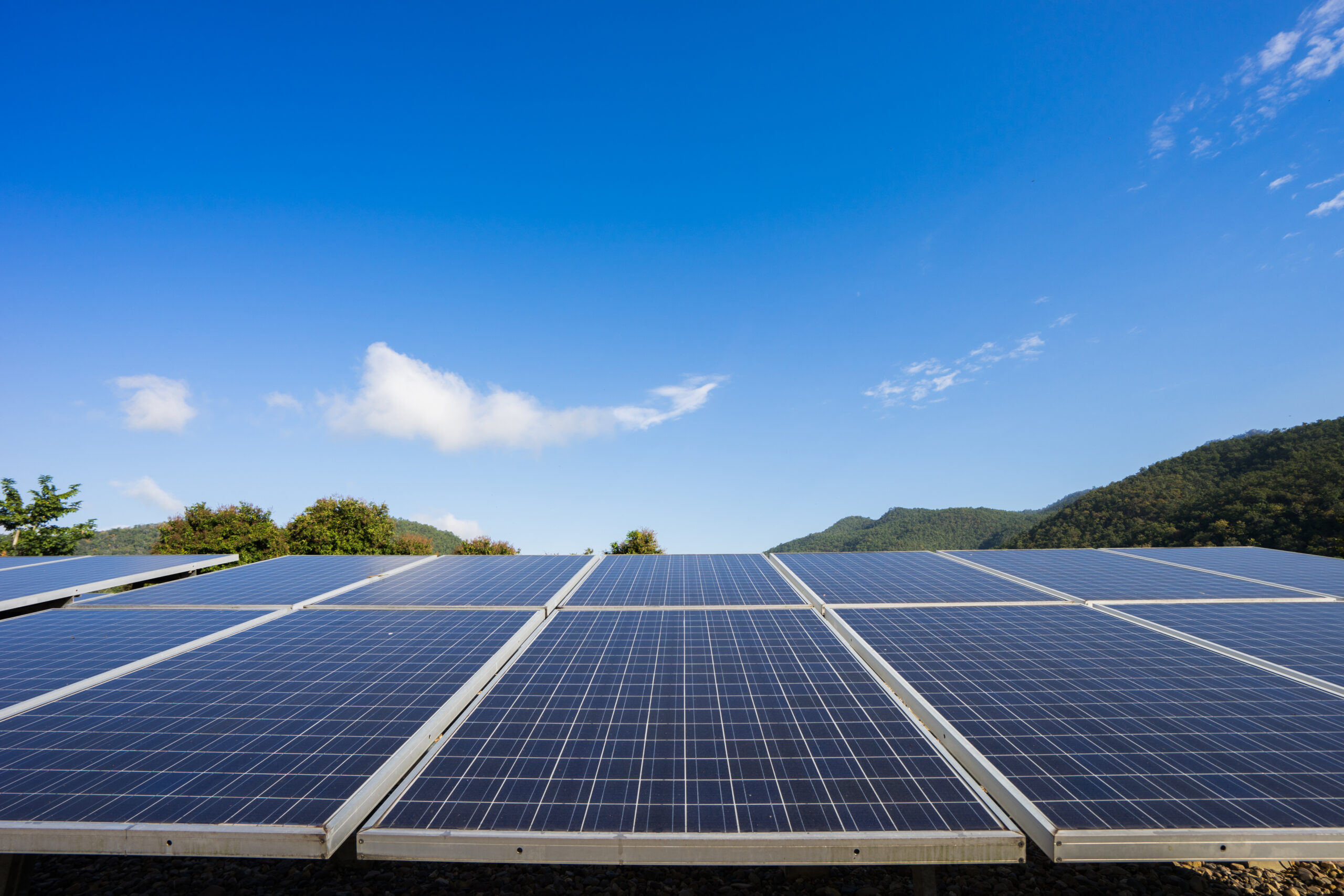
Latin America exceeds the global average in renewable energy generation by more than double: 33% versus 14.4% worldwide. COP30 in the Amazon will spotlight the region’s achievements—and its ambitious trajectory toward decarbonization.
For the first time, a United Nations Climate Change Conference will convene in the heart of the Amazon. The 30th edition (COP30) is scheduled for November 10–21 in the Amazonian city of Belém, in Brazil’s Pará state, giving the event unprecedented symbolic as well as geopolitical importance.
Brazil is preparing to host COP30 by positioning the Amazon at the center of the global climate agenda. The country is investing in infrastructure to welcome delegations from more than 190 nations, while shaping a strategy that highlights biodiversity, forest preservation, and the energy transition. Among the key initiatives expected during the conference are the creation of a $125 billion fund to protect tropical forests and the establishment of an International Indigenous Commission, designed to ensure that the voices of local communities are integral to global climate solutions.
COP30 will serve not only as a platform for global climate objectives but also as a strategic opportunity for Latin America to establish itself as a leader in sustainable development.
The region presents compelling evidence for this leadership role. According to the Latin American Energy Organization (OLADE), renewable energy’s share in electricity generation increased from 53% to 64% between 2015 and 2023, while emissions from the power sector declined by 26%. In 2024, 33% of its primary energy originated from non-conventional renewable sources, compared to a global average of just 14.4%. That same year, 69% of its electricity was renewable—more than twice the global average of 30%.
The Role of Renewable Energy
Latin America ranks among the least carbon-intensive regions globally, accounting for merely 4.4% of global CO₂ emissions. This achievement is largely attributable to hydropower, which remains the primary electricity source in most countries, representing 45% of the region’s total power demand—significantly exceeding the global average of approximately 16%.
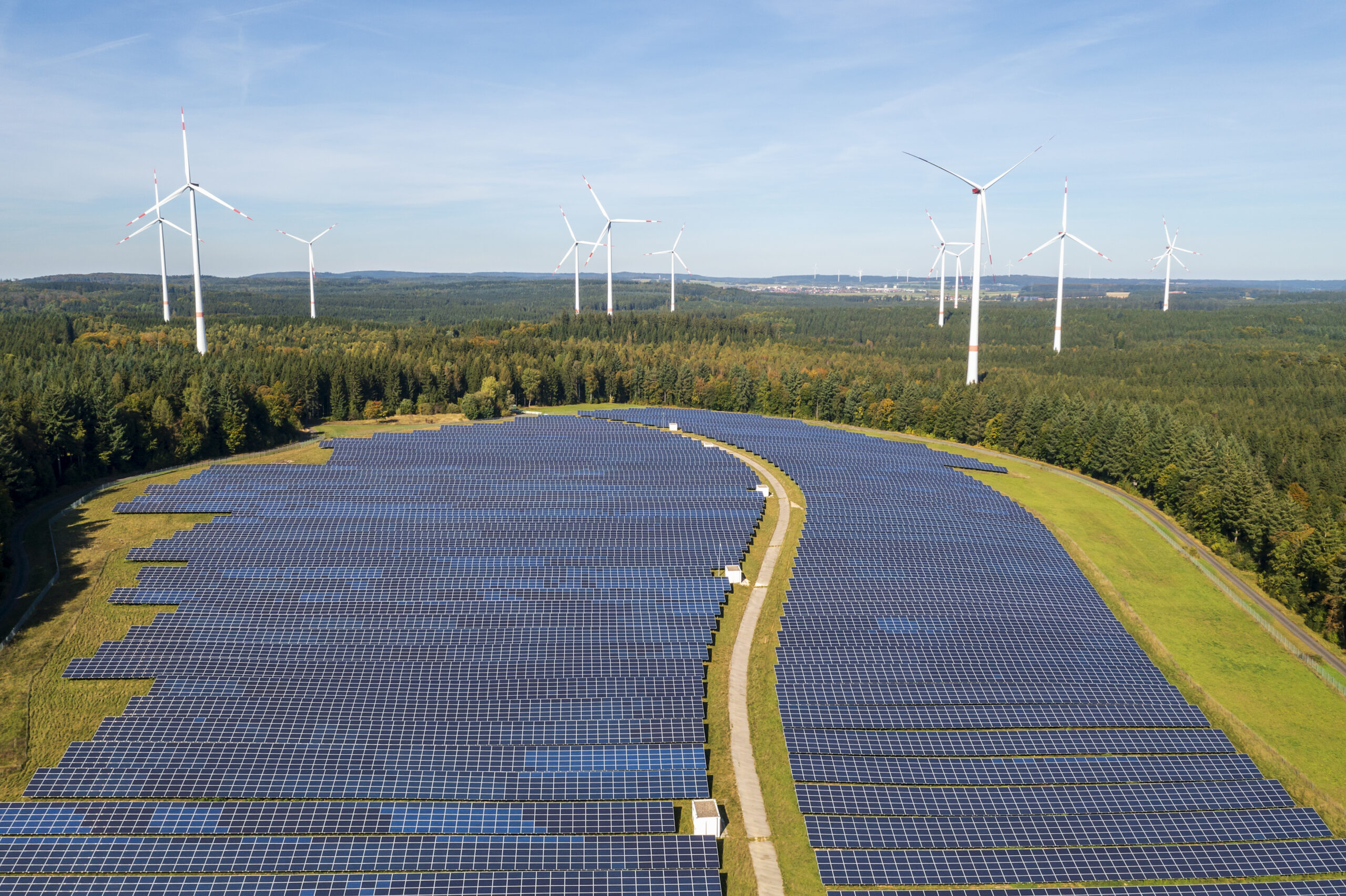
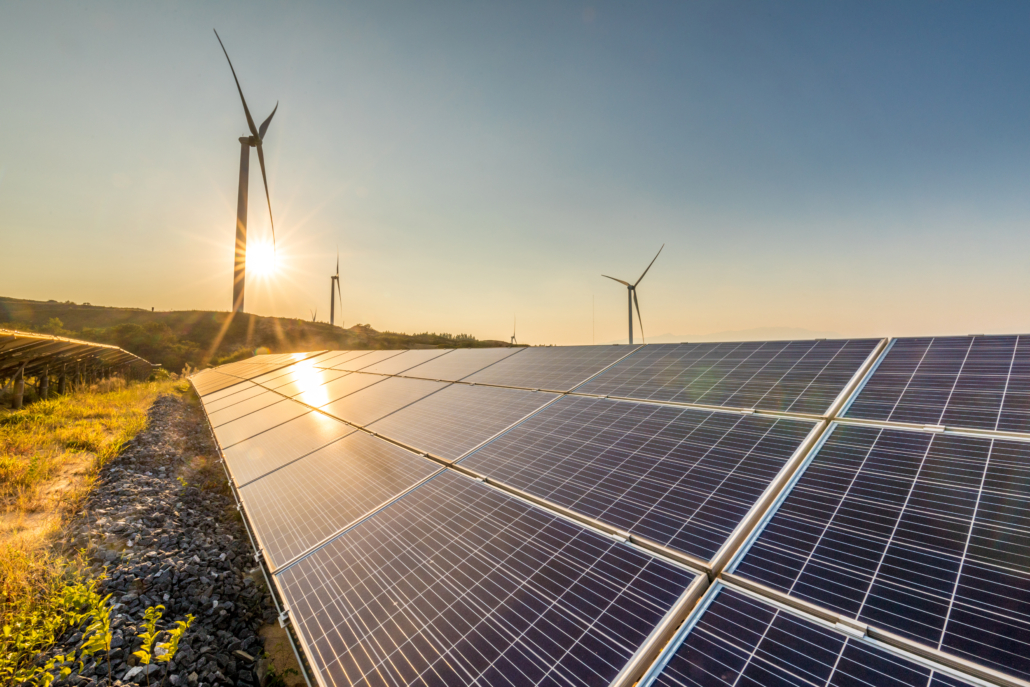
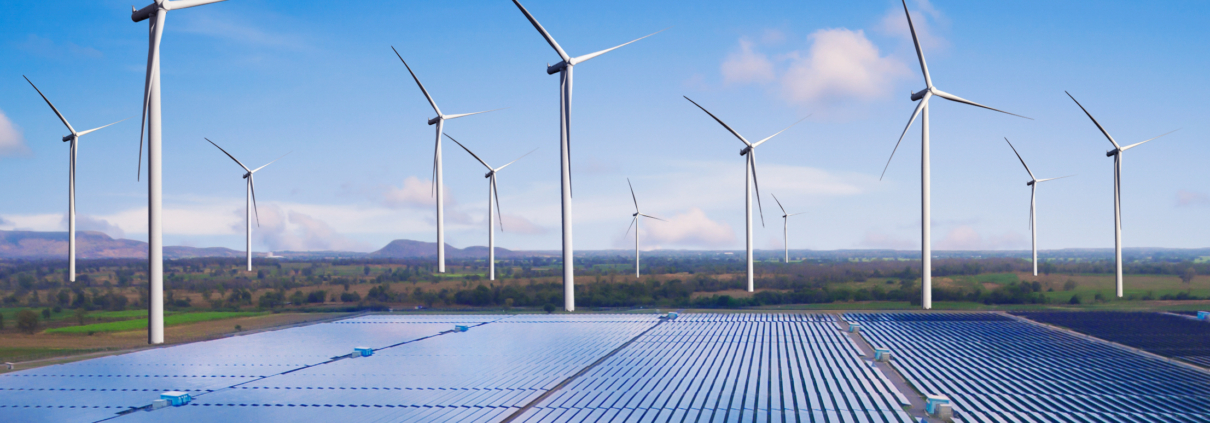
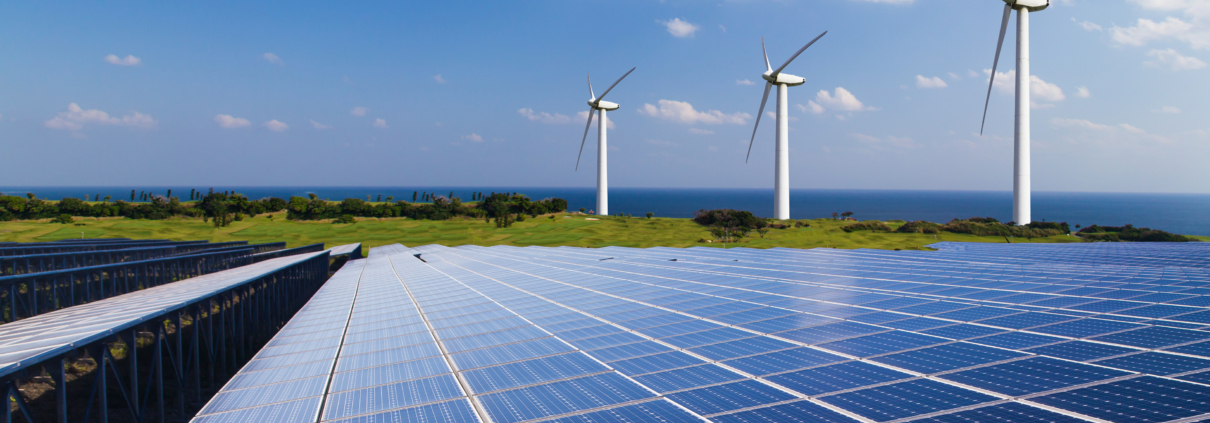
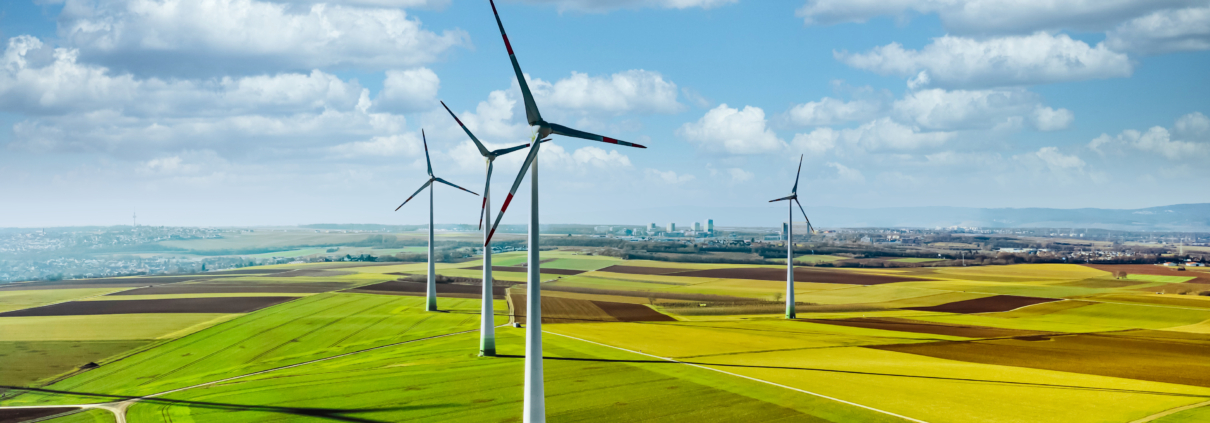
Meanwhile, wind and solar photovoltaic energy are assuming increasingly prominent roles. According to the International Renewable Energy Agency (IRENA), 2024 marked a substantial leap forward. Brazil led the region with 86.1 GW of installed capacity—53.1 GW from solar and 33 GW from wind—representing increases of 40% and 13.2%, respectively, compared to 2023. Mexico achieved a total of 19.3 GW, with 12 GW from solar (+9.9%) and 7.3 GW from wind (remaining unchanged year over year). Chile reached 14.2 GW (9.3 GW solar and 4.8 GW wind), with year-over-year growth of 24.6% and 4%, respectively.
Colombia recorded 1.9 GW of renewable capacity, driven by a 94.4% increase in solar (1.4 GW), while wind remained at 34 MW. Peru’s total capacity reached approximately 1.7 GW, split between 528 MW solar and 1.15 GW wind.
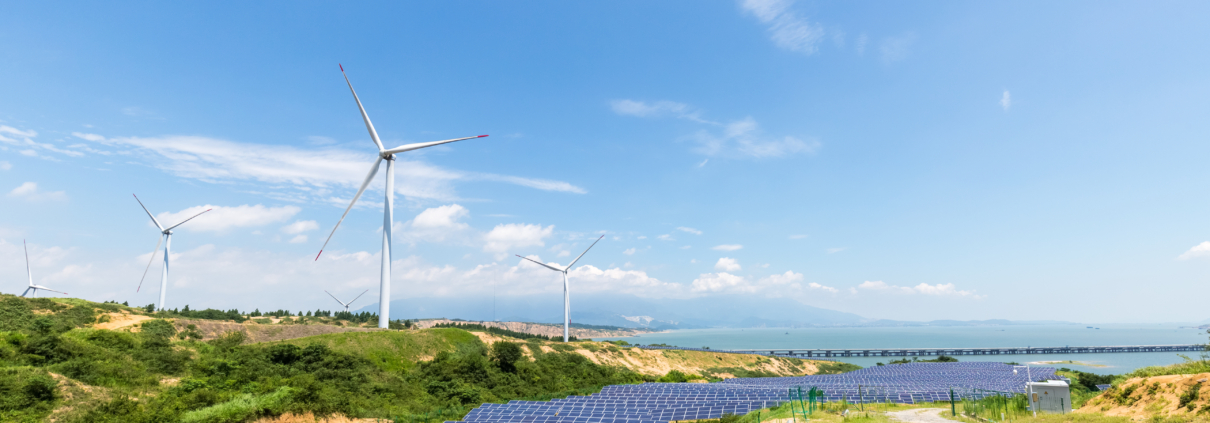
These figures reflect consistent growth in clean energy adoption, with solar leading expansion across most countries. This diversification strengthens the resilience of national economies.
Heavy reliance on hydropower, however, creates vulnerabilities—particularly amid climate-driven weather variability. Increasingly frequent events such as droughts can substantially reduce reservoir levels, directly impacting energy generation.
For instance, in 2021, Brazil experienced its worst drought in a century, resulting in major disruptions not only to electricity supply but also to water access for agriculture and the general population. Economic losses were estimated at BRL 8.2 billion (approximately $1.46 billion at the time). In Colombia, the 2024 El Niño event triggered a severe drought, causing electricity prices to quadruple compared to 2023 and placing a significant strain on the country’s economy.
Businesses as Drivers of Economic Growth
Another critical advantage of energy diversification is the competitive edge that wind and solar power deliver to enterprises.
According to a Wood Mackenzie report published last October, the levelized cost of energy (LCOE) for renewables in Latin America decreased by 8%, with Brazil, Chile, and Mexico driving this decline. On average, solar PV costs stood at $60/MWh (ranging from $31 to $103), while wind averaged $75/MWh (ranging from $23 to $139)—providing stable, globally competitive pricing. This environment has accelerated the growth of long-term power purchase agreements (PPAs), which reached a record 68 GW in 2024, reflecting a 33% annual increase since 2015.
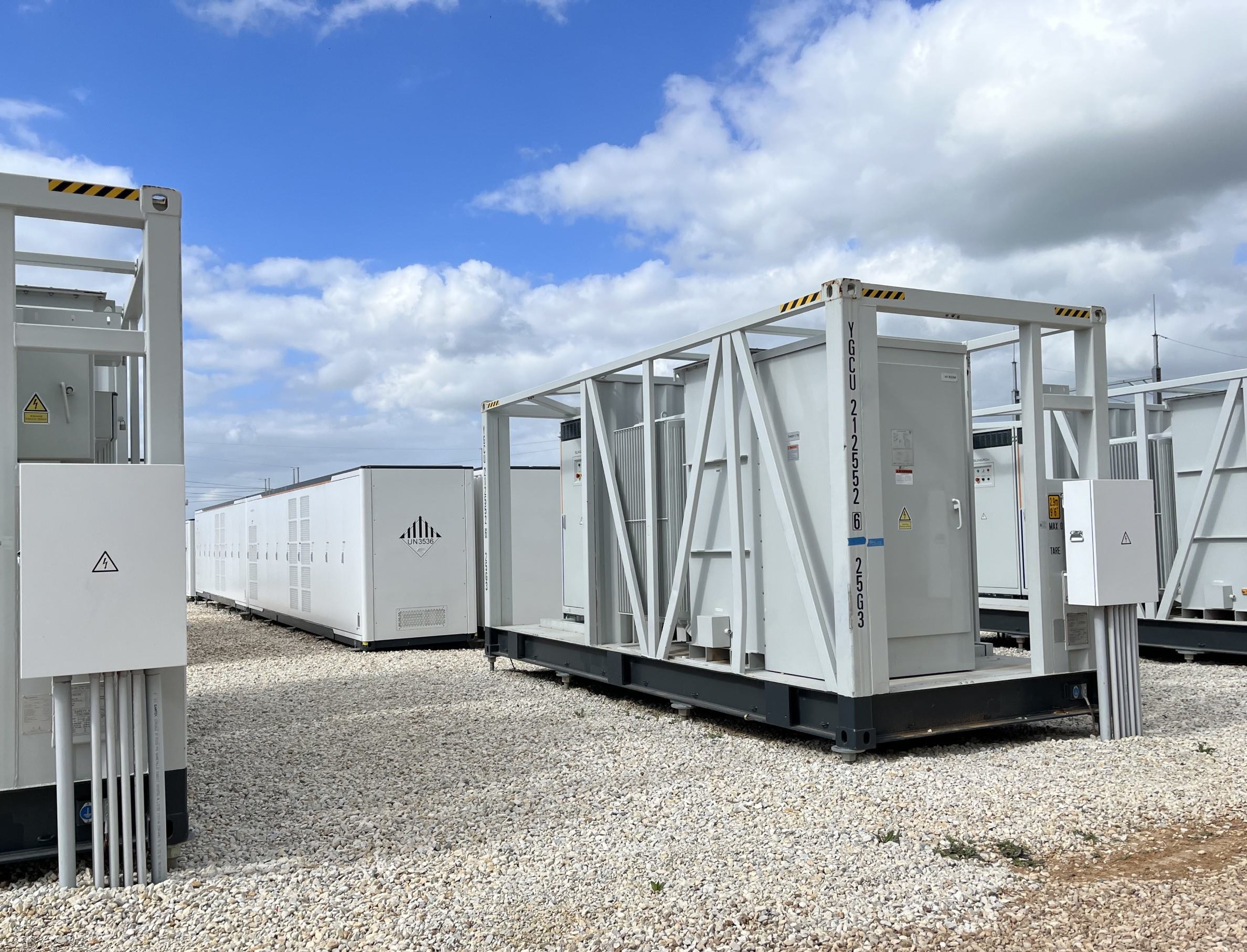
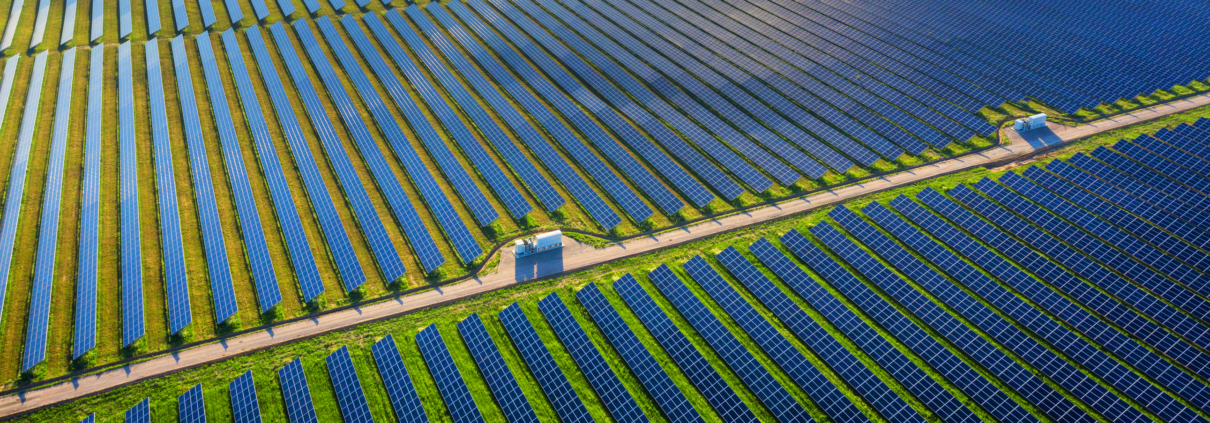
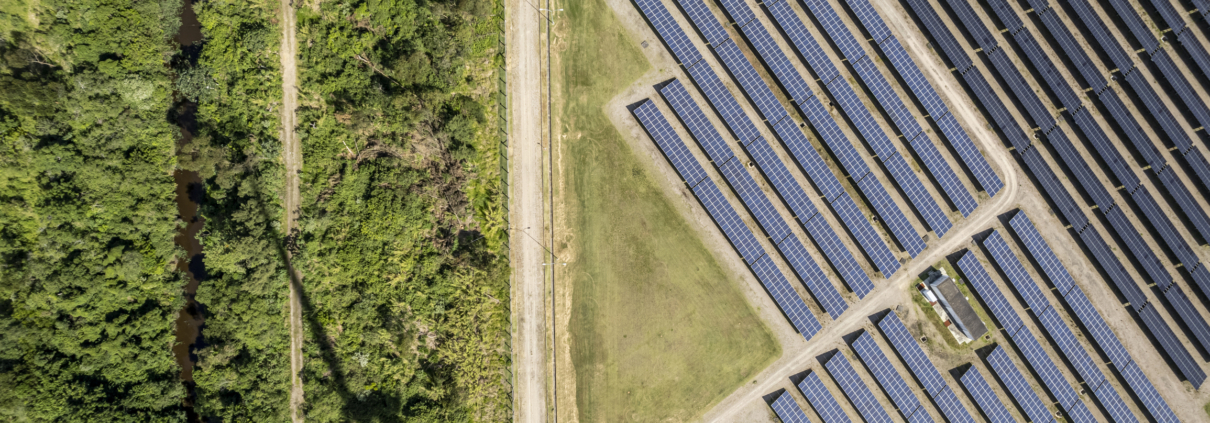
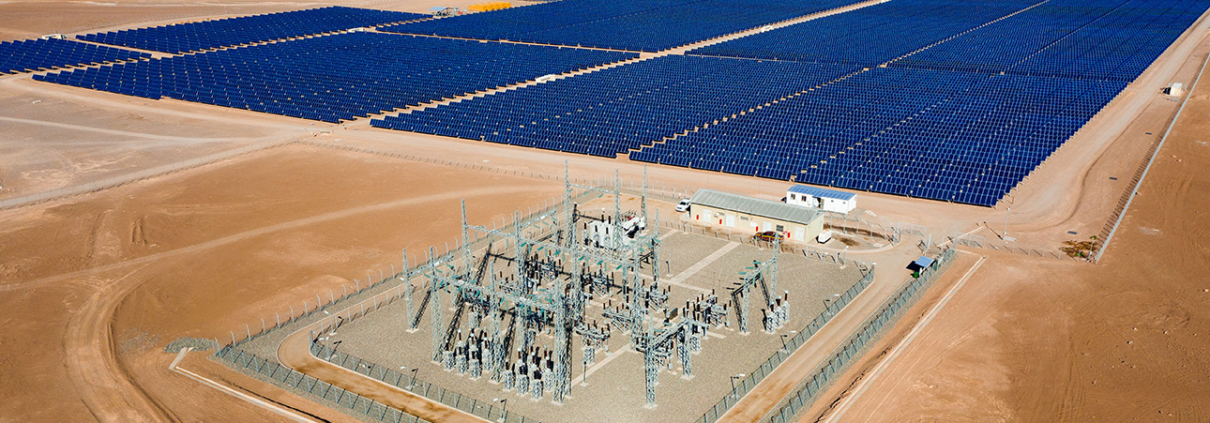
Atlas Renewable Energy has leveraged this momentum to establish itself as one of the region’s leading corporate renewable energy providers. Since 2017, the company has executed more than 6 GW in PPAs with large-scale industrial consumers across Brazil, Chile, Mexico, Colombia, and Uruguay. Its solutions combine customized contract structures, financing mechanisms, and I-REC traceability certifications—delivering both environmental and economic value.
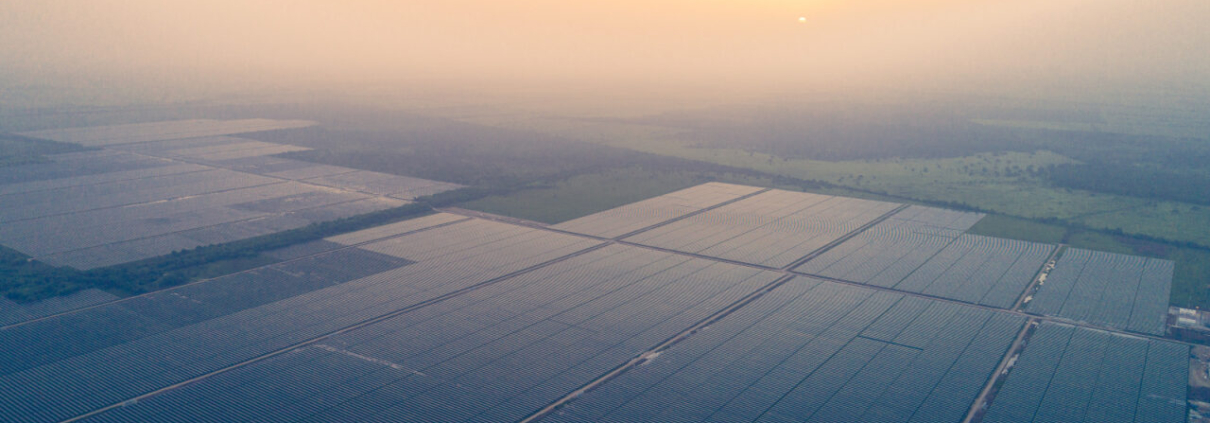
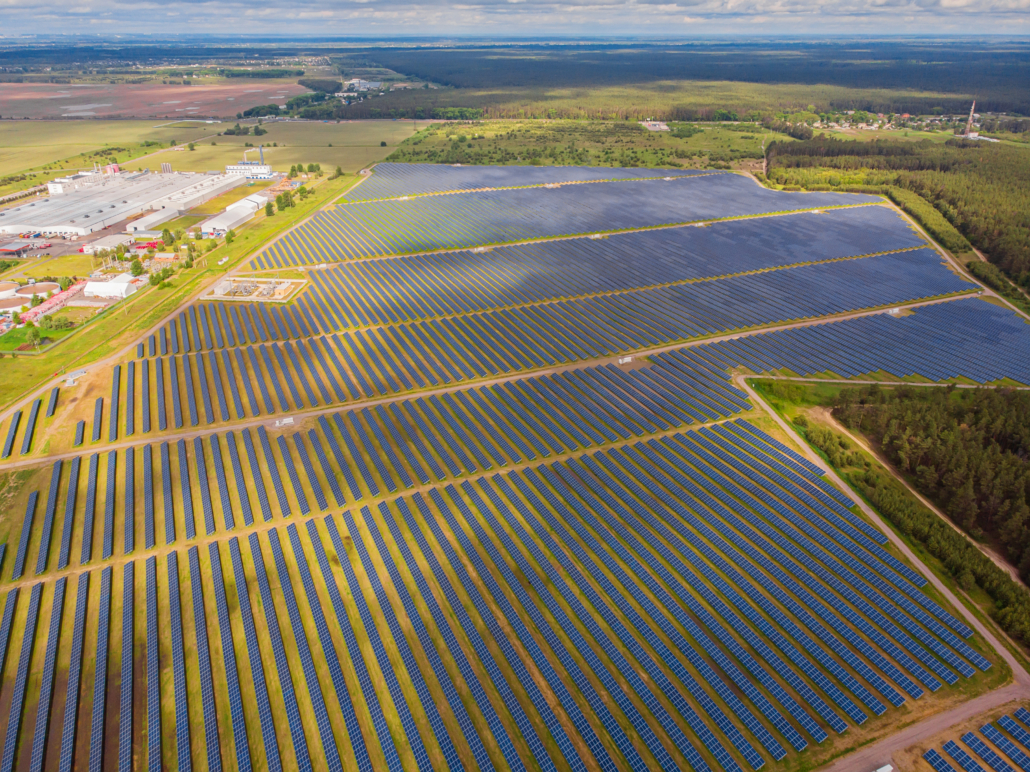
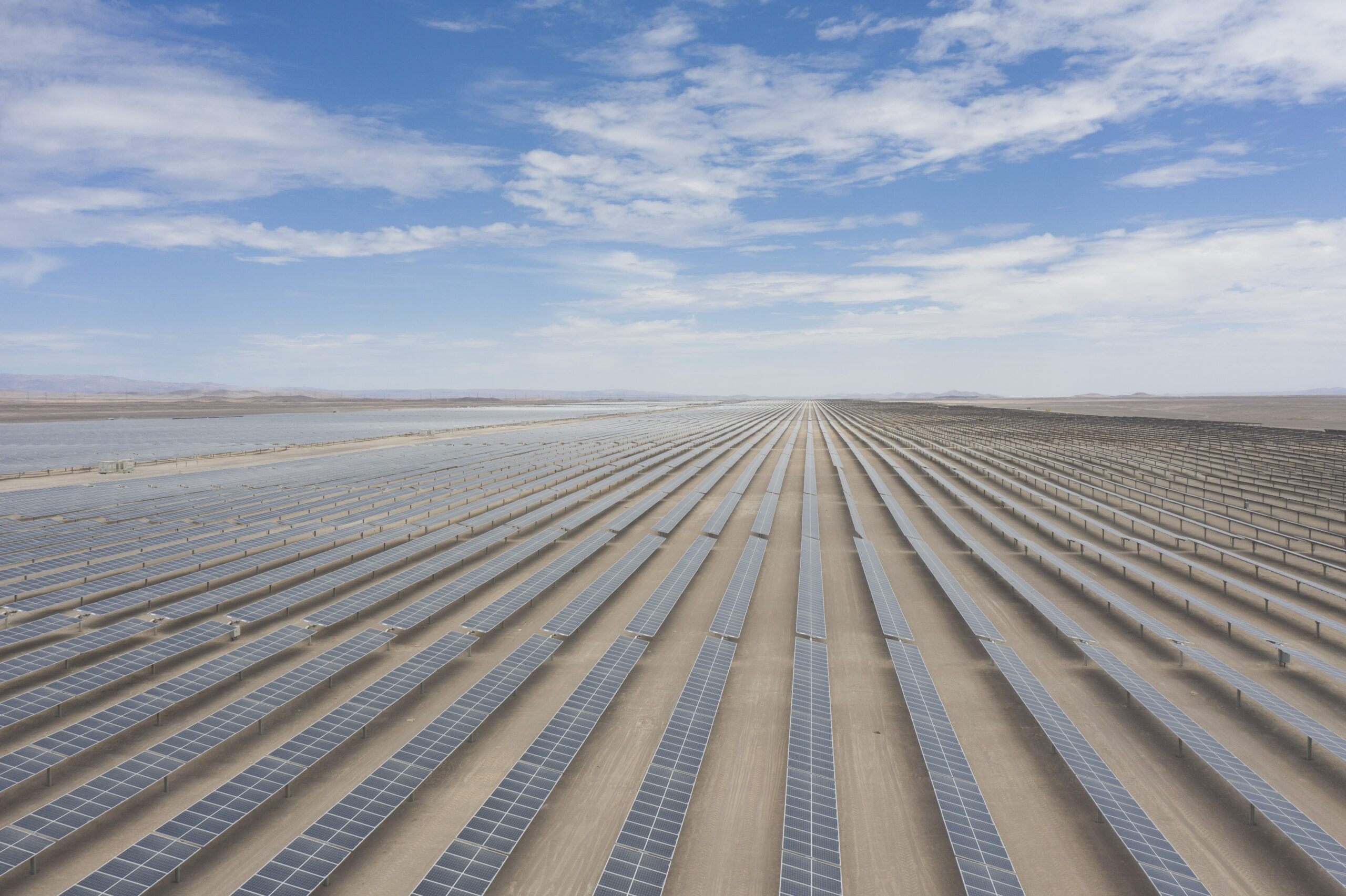
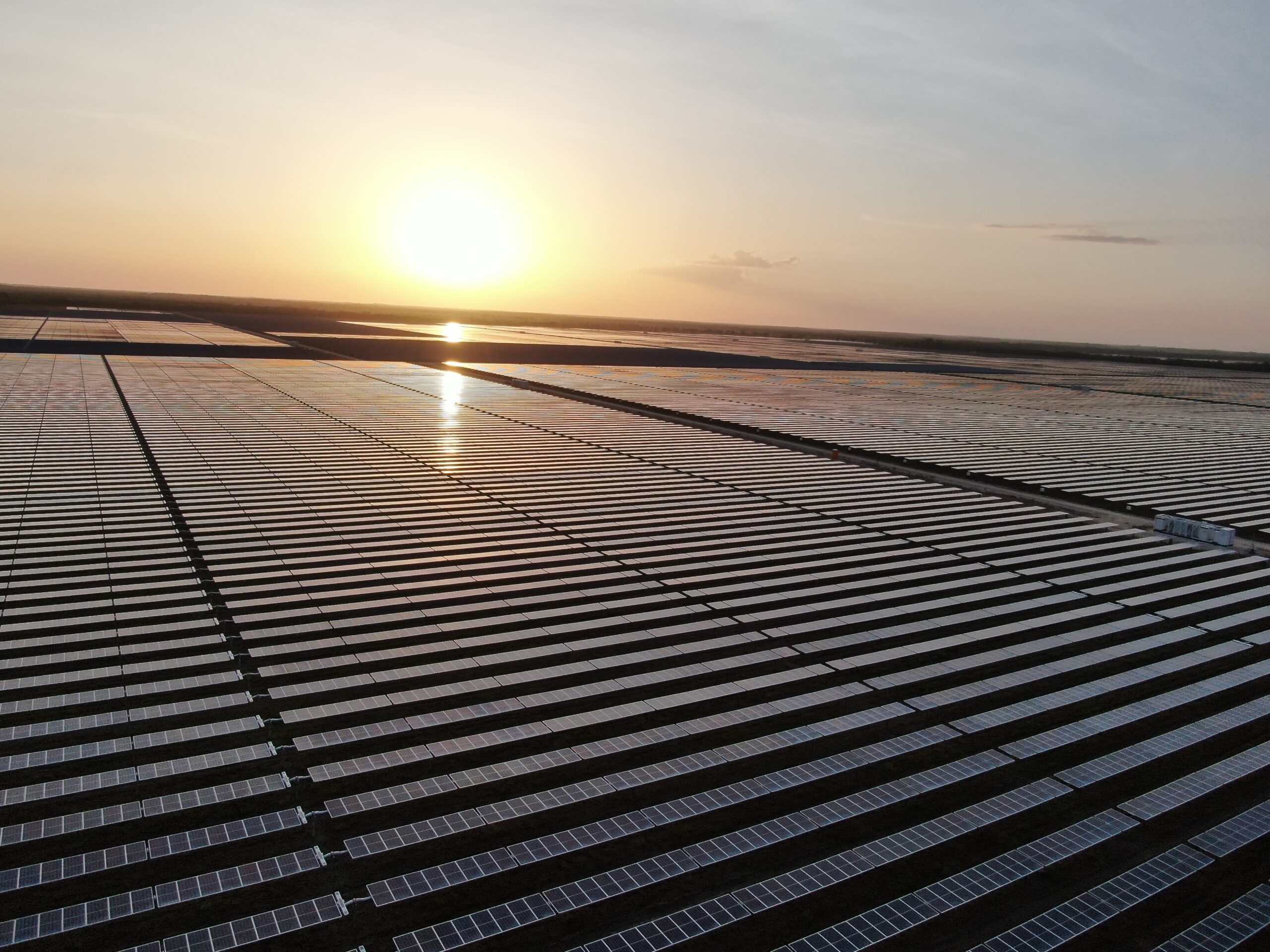
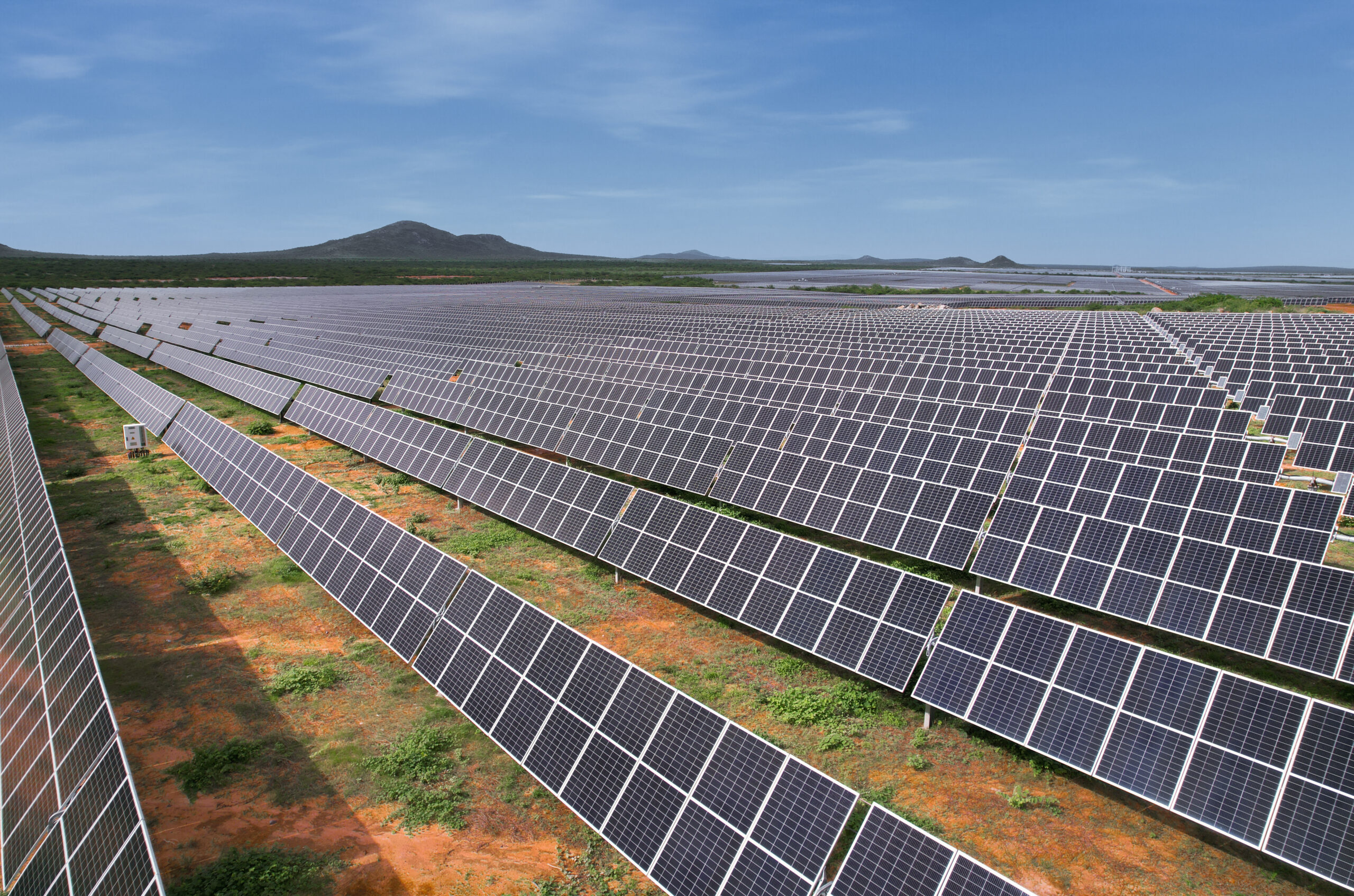
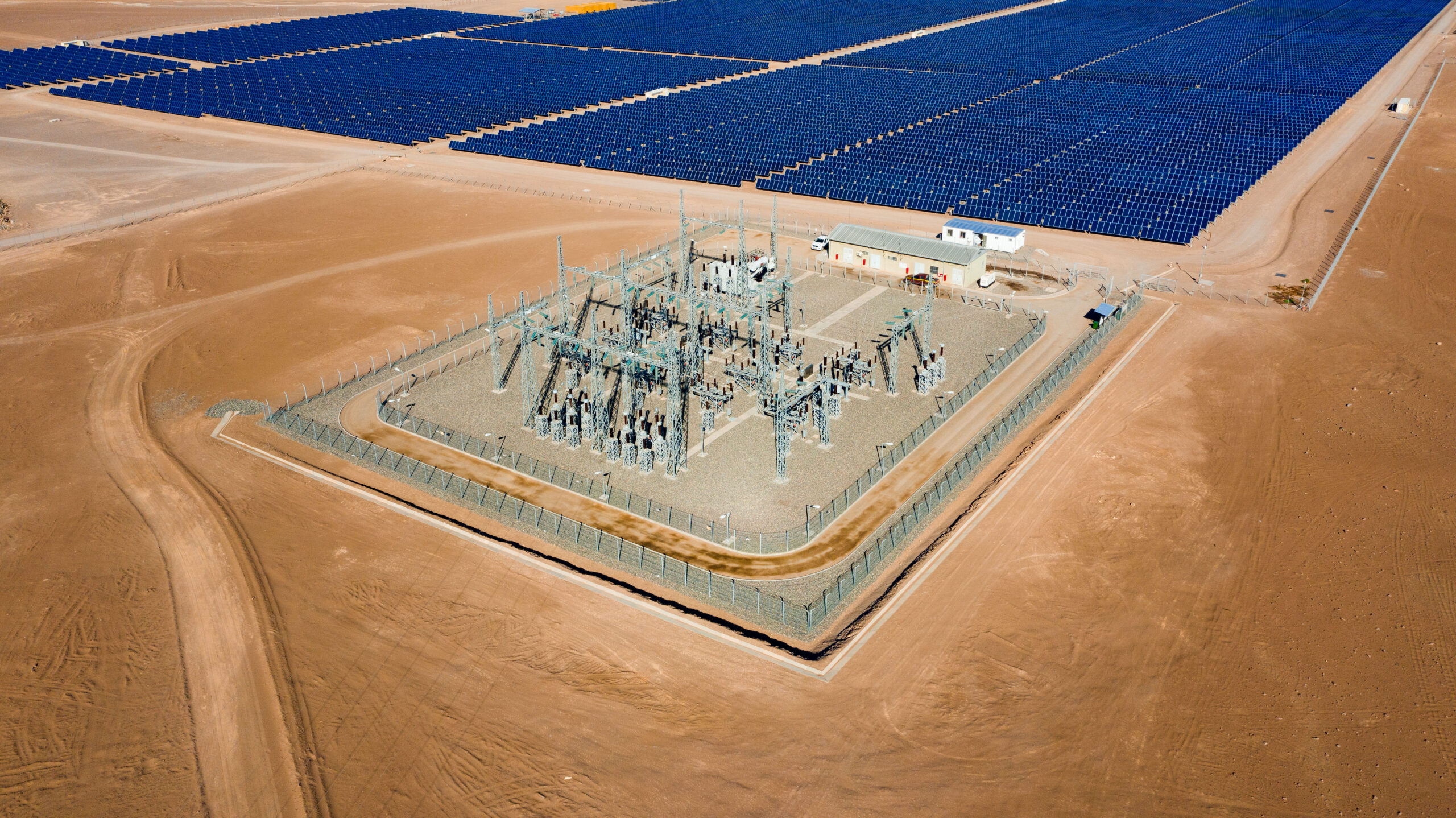
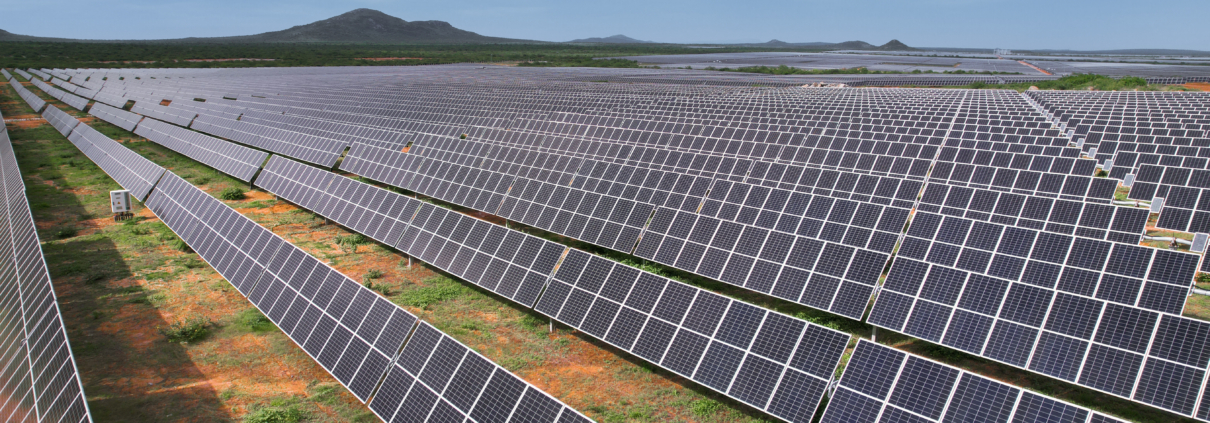
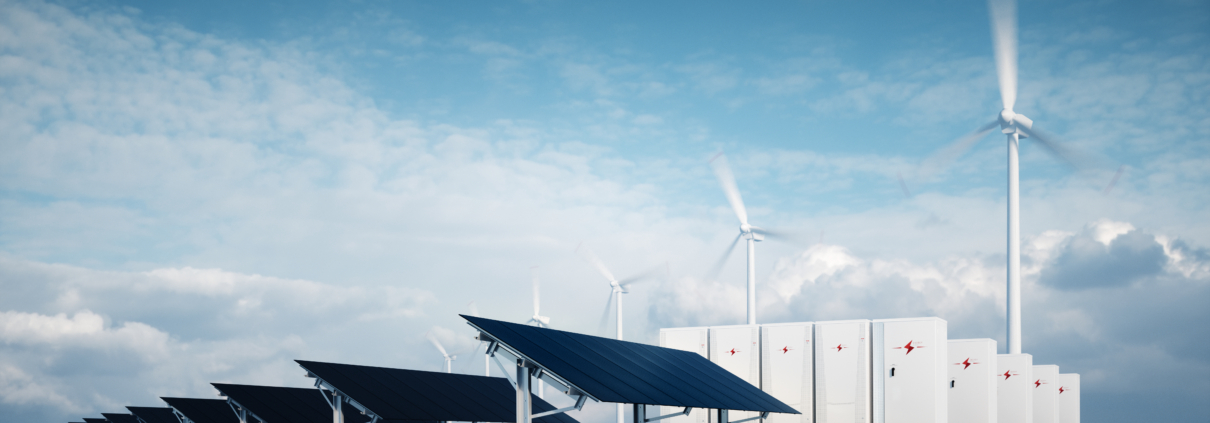
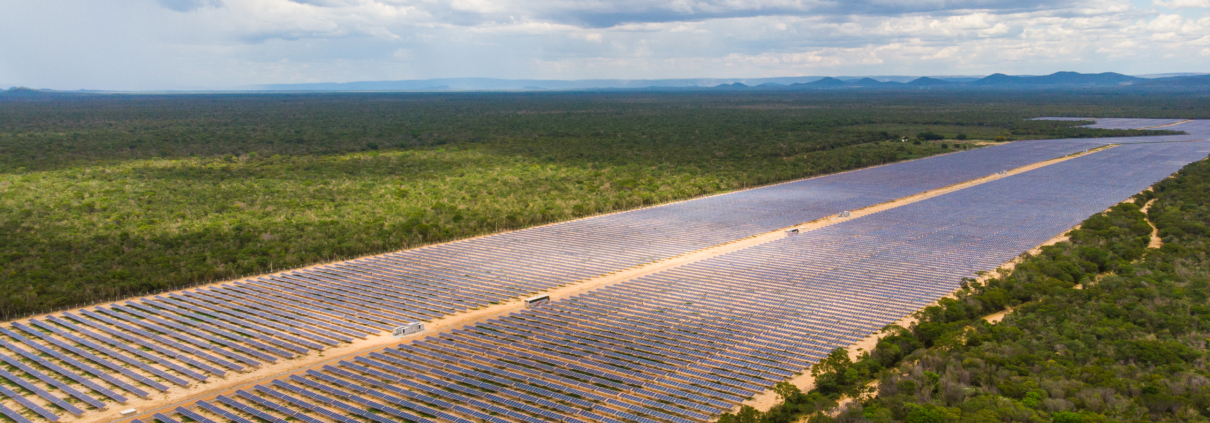
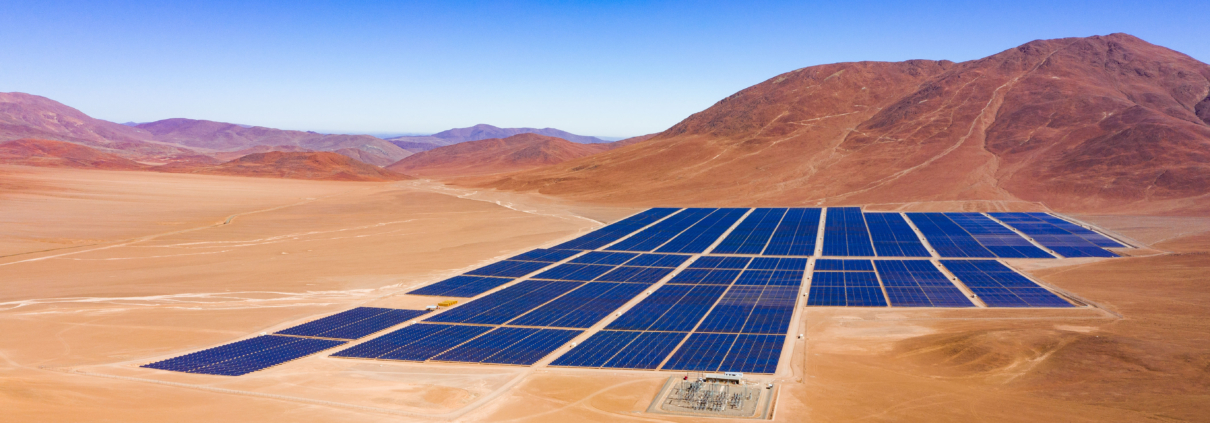
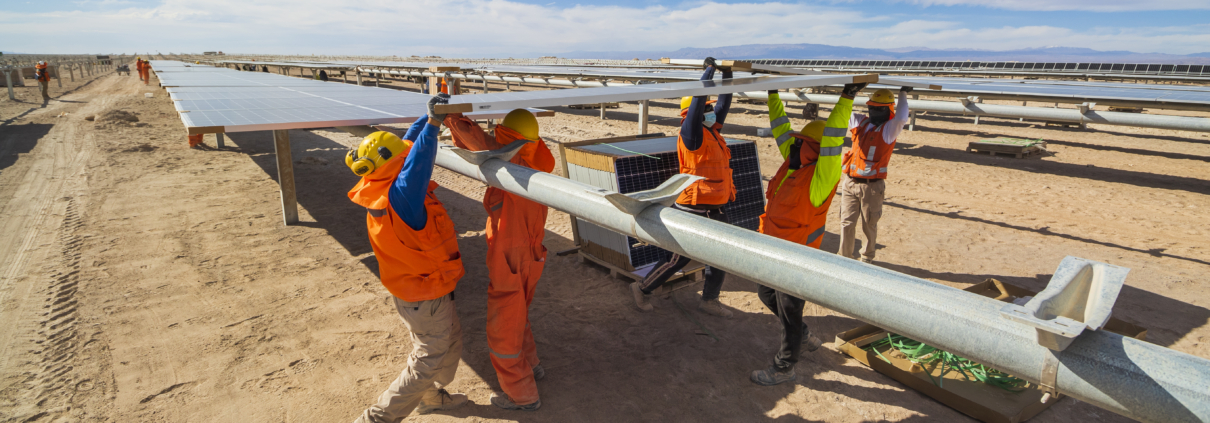
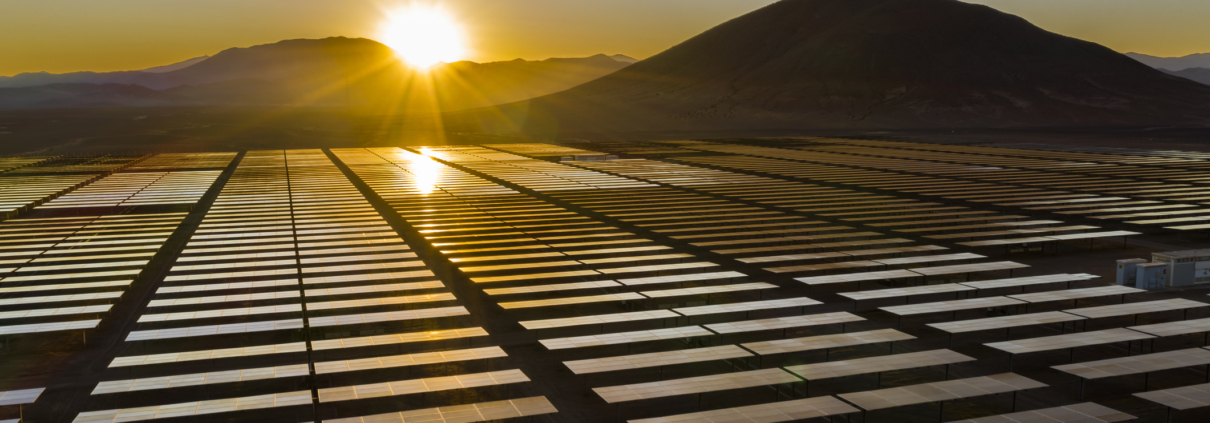
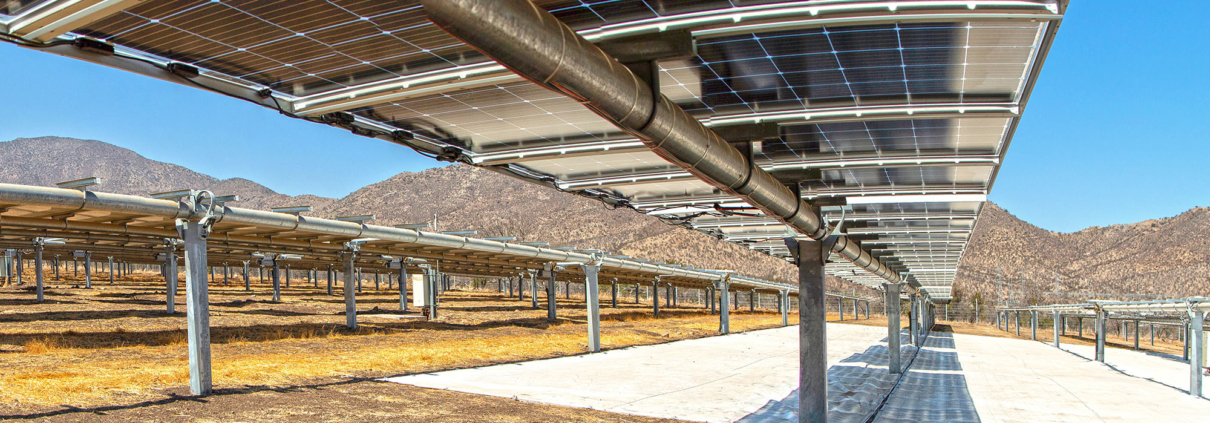
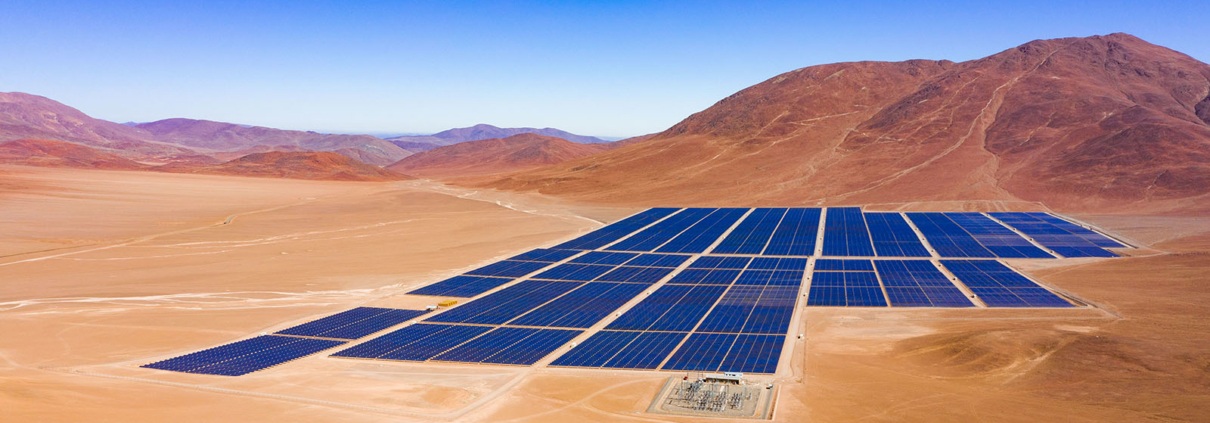
Building on this momentum, the company has advanced through a portfolio of emblematic projects across Latin America that showcase the scalability and diversity of renewable solutions. In Chile, it developed one of the region’s first large-scale solar parks with integrated battery storage, designed to deliver 24/7 renewable energy — a milestone in guaranteeing continuous clean power. In Brazil, it is behind one of the largest solar complexes in Latin America, with a capacity of 902 MW, capable of generating 2 TWh of electricity annually. This project stands out not only for its scale but also for setting new standards in long-term clean energy supply.
In Mexico, the La Pimienta solar park (315 MW) ranks among the country’s largest, financed with the support of international institutions such as the Inter-American Development Bank (IDB) and Banobras. Complementing it, the Guajiro project (129.5 MW) generates more than 300 GWh annually, avoiding around 215,000 tons of CO₂ emissions each year. In Colombia, Atlas is building Shangri-La (201 MW), which will come online in 2025 and supply energy to more than 214,000 households. The company has also established a strategic partnership to develop up to 1,000 MW of additional solar capacity, strengthening the renewable ecosystem in the country.
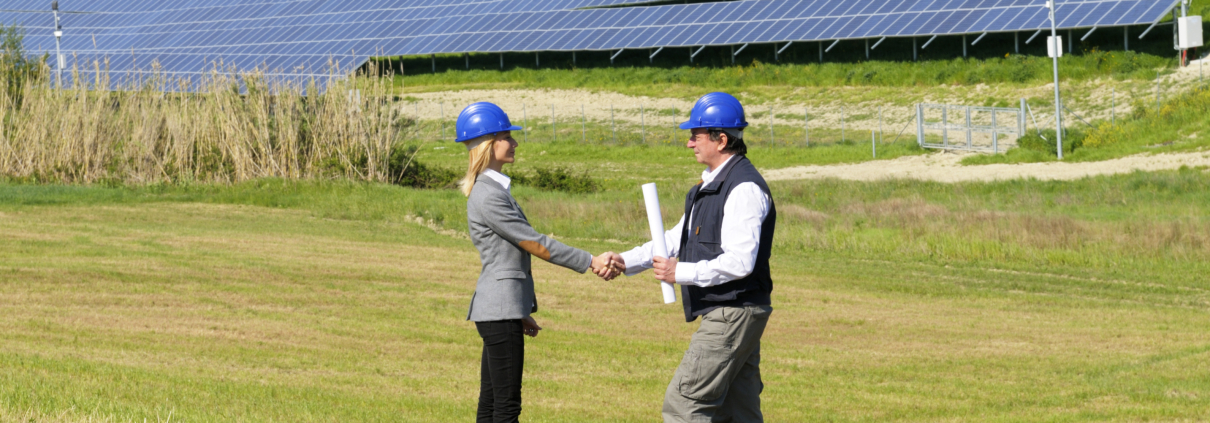
These projects enable buyers to stabilize energy costs and achieve a competitive advantage. An example: MLP in Mexico reduced energy expenses by 50% through a contract with Atlas. Projects also generate shared value, including local employment, technical training in renewables, origin certifications, and access to climate financing from institutions such as IDB Invest, MUFG, and SMBC.
Atlas Renewable Energy demonstrates that PPAs are not merely financial instruments—they are catalysts for industrial and climate transformation. In the lead-up to COP30, Atlas’s trajectory illustrates how the private sector can spearhead the transition toward a cleaner, more resilient, and more competitive energy matrix in Latin America. Its clean energy output prevents approximately 716,013 tons of CO₂ annually—equivalent to removing hundreds of thousands of vehicles from circulation—and supplies more than 1.4 million households.
Other Advantages of Renewable Energy for the Region
According to IRENA and the International Labour Organization (ILO), renewable energy employment grew 18% in 2023, reaching 16.2 million positions globally. Latin America captured a significant portion of this growth, with Brazil alone accounting for 1.56 million jobs, establishing it as the third-largest renewable energy employer worldwide.
By 2030, an estimated 10.5% of all employment in Latin America is expected to be connected to the energy transition. A report from the UN Economic Commission for Latin America and the Caribbean (ECLAC) explains this transformation: while high-emission sectors such as agriculture and manufacturing may experience a 13.3% decline in employment, sustainable sectors already employ a greater share of the workforce—55% versus 35% in non-sustainable sectors. The expansion of the former will more than compensate for losses in the latter. However, realizing this net-positive outcome will require proactive labor transition policies, technical training programs, and social protection measures to ensure an inclusive transition.
Consequently, the energy transition encompasses not only emissions reduction—it also drives formal employment, improves productivity, and fosters long-term economic resilience.
The region also possesses strategic potential in key sectors, including mining and agribusiness.
According to the International Energy Agency (IEA), Latin America currently represents 8% of the global population and 7% of the global economy, yet plays a pivotal role in the new energy economy. It holds at least one-third of the world’s reserves of lithium, copper, and silver. In 2022 alone, revenue from the production of critical minerals (including graphite, bauxite, nickel, zinc, lithium, copper, and neodymium) reached $100 billion. Meanwhile, agribusiness is advancing in biofuels and carbon credits, integrating sustainability into production models.
Within this context, COP30 is positioning itself as a pivotal moment. On one hand, it provides Latin America with a platform to demonstrate leadership in energy transition, climate resilience, and social equity. On the other hand, it will demand concrete commitments: elevating NDC climate ambitions—currently, only Brazil, Uruguay, and Ecuador have done so—unlocking climate financing (of which the region currently receives just 17% globally), and promoting regional initiatives like RELAC, which targets 70% renewable electricity generation across Latin America by 2030.
With an energy mix that is already predominantly clean, an industrial sector in transition, and a growing ecosystem of committed public and private stakeholders, Latin America is not approaching COP30 as an observer—but as a protagonist. Indeed, it is the region that demonstrates that economic growth and sustainability not only coexist but also mutually reinforce each other.
Clean Energy, Lower Risk, and Greater Development for Latin America
At a time when the world demands tangible solutions to climate change, Latin America is already delivering results. The region, responsible for only 4.4% of global emissions, maintains one of the cleanest energy matrices on the planet and possesses strategic potential in sectors such as mining, agribusiness, and technology. Nevertheless, greater energy diversification is essential to reduce excessive dependence on hydropower, which poses considerable economic and social risks.
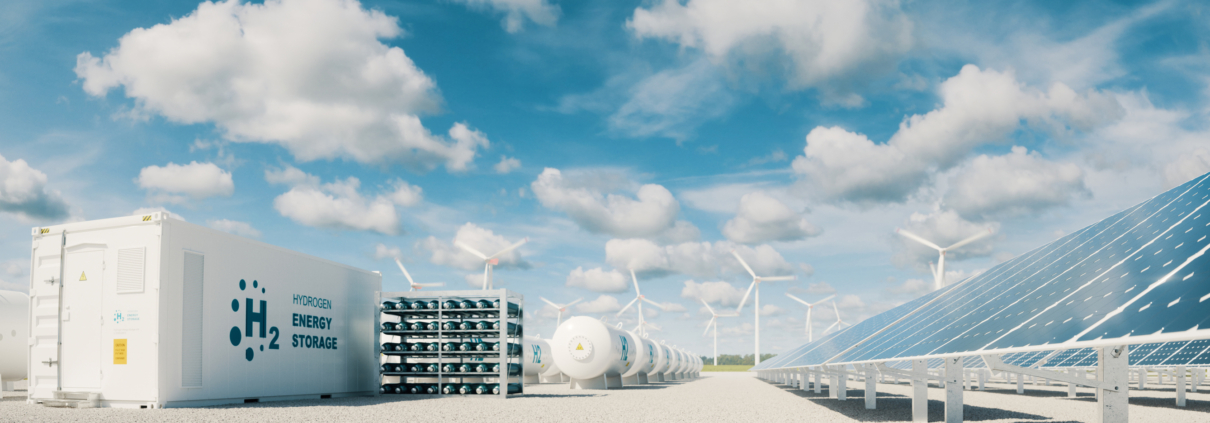
Companies like Atlas Renewable Energy are accelerating this transition—not only through non-conventional renewable generation projects but also by structuring long-term contracts with energy-intensive industries, attracting investment, creating skilled employment, and building ecosystems of shared value.
On the eve of COP30, Latin America is demonstrating that renewables are not merely environmental tools—they are also an intelligent economic strategy. This path is already underway, delivering tangible benefits for companies, communities, and the planet.
At Atlas Renewable Energy we have a WhatsApp channel ready to assist you. Through it, you can get quick answers to your questions. Contact us and discover how easy it is to connect with us!
This article was created in partnership with Castleberry Media. At Castleberry Media, we are dedicated to environmental sustainability. By purchasing carbon certificates for tree planting, we actively combat deforestation and offset our CO₂ emissions threefold.
Share This Entry