
PPAs and Contract Structures: Tailoring Renewable Energy Procurement to Corporate Needs
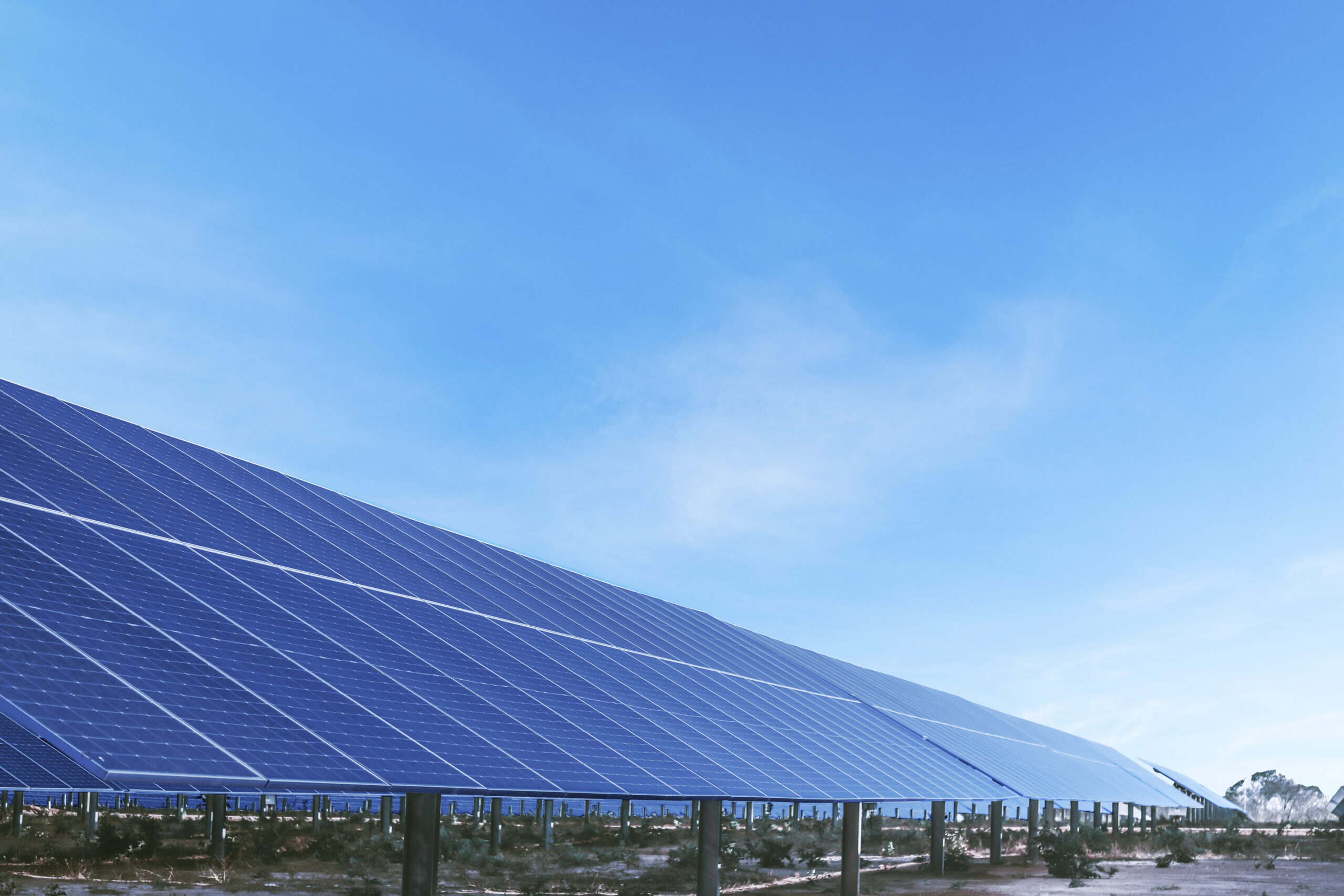
As the cost of renewable energy continues to decline, companies are leveraging flexible supply contracts and tailored agreement structures to enhance competitiveness and align energy procurement with their unique consumption profiles
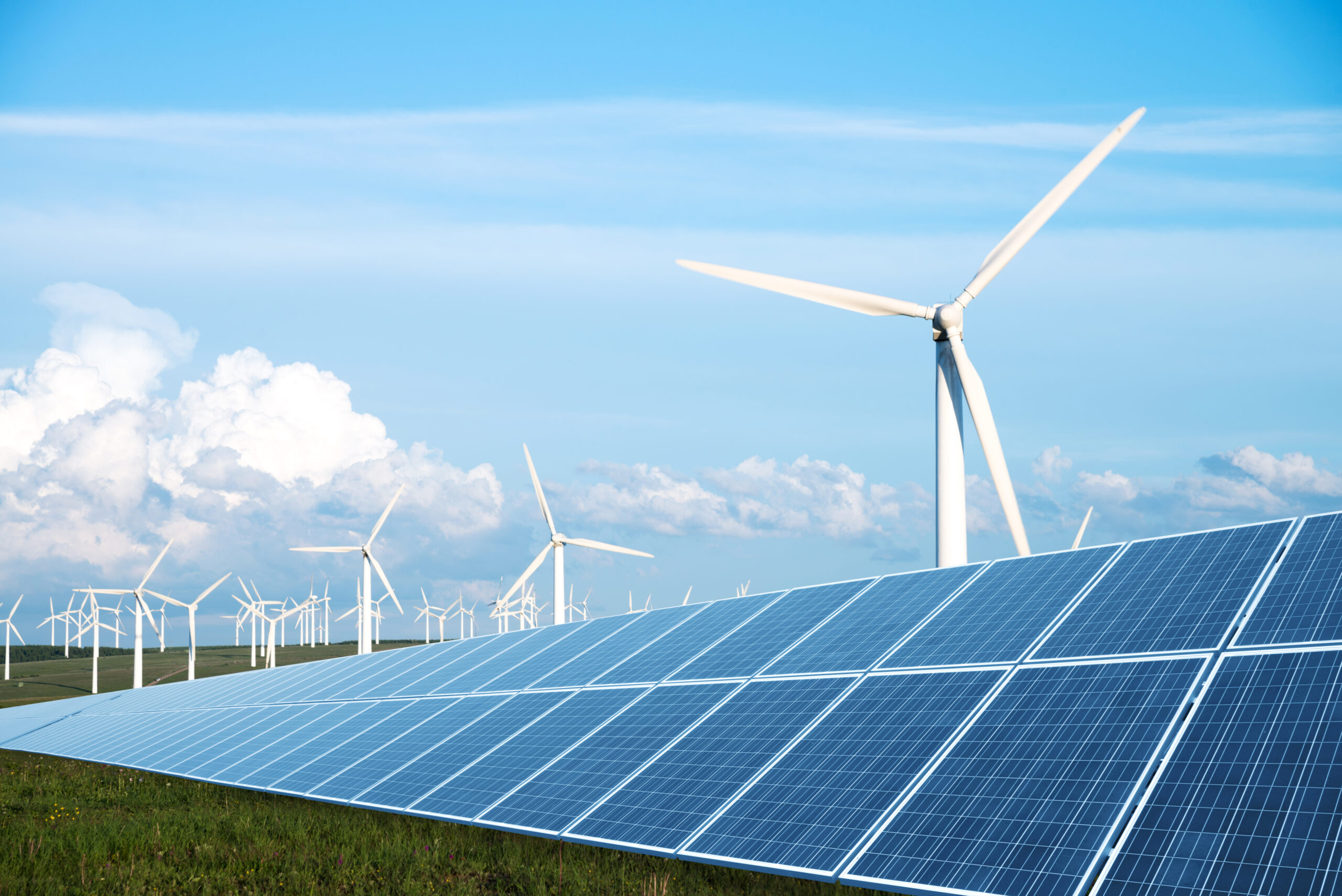
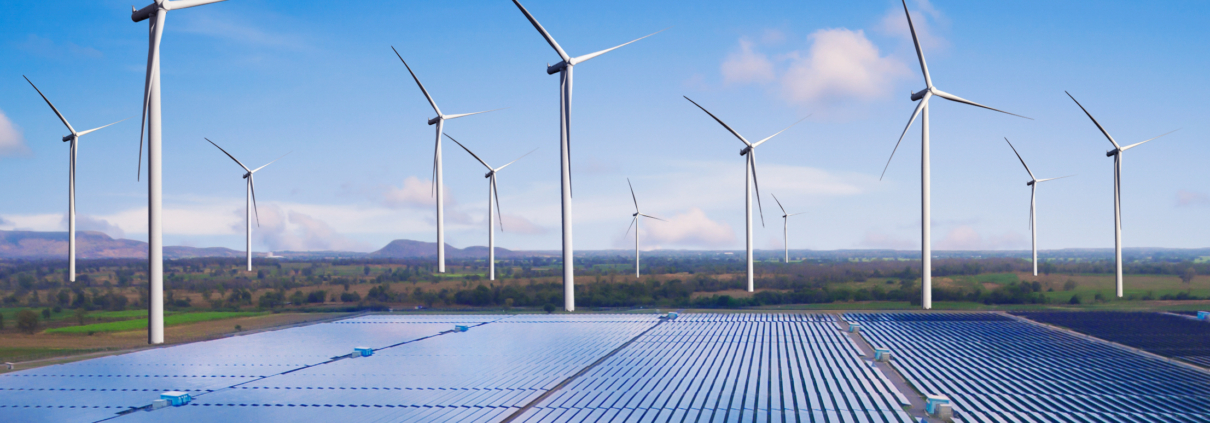
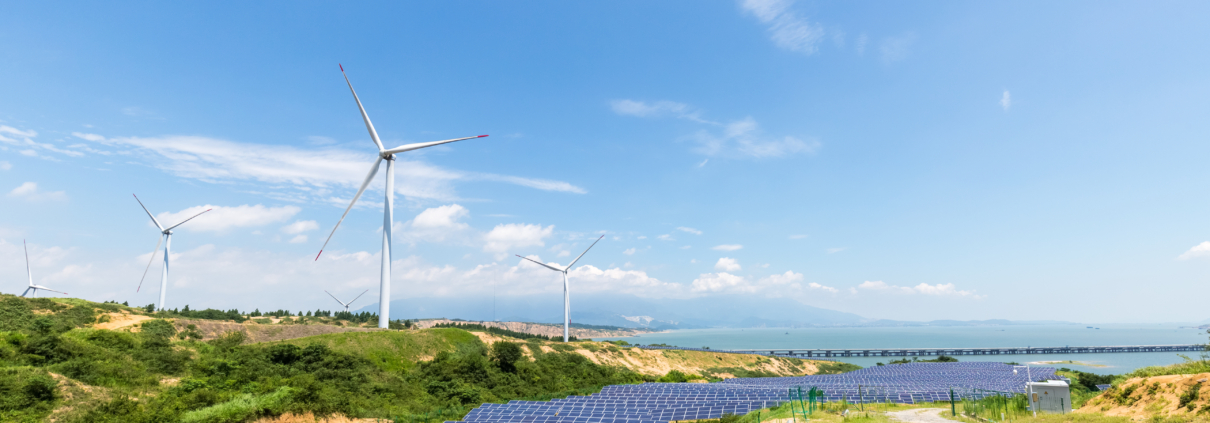
The renewable energy landscape has undergone a remarkable transformation in recent years, with wind and solar photovoltaic generation emerging as the most cost-effective sources of electricity globally. Despite the inflationary pressures that impacted all sectors of the economy in 2022, the Levelized Cost of Electricity (LCOE) for these clean technologies continued its downward trajectory as expected.
The International Renewable Energy Agency (IRENA) reports that the global weighted average LCOE for wind farms commissioned in 2022 fell by 5% year-over-year, reaching $33 per MWh, while photovoltaic solar projects saw a 3% decrease, hitting $49 per MWh.
IRENA underscores the remarkable cost progression of these technologies by highlighting that in 2010, the global weighted average LCOE of wind energy was 95% higher than the lowest cost of fossil-fuel-based generation. By 2022, however, the same metric unit for new wind plants had plummeted to 52% below the cheapest fossil-fuel-based solutions. It is crucial to note that this comparison solely considers economic factors, excluding the environmental benefits associated with clean energy production and its role in mitigating CO₂ emissions.
Driven by these favorable economics and a growing commitment to sustainability, private sector actors in Latin America are increasingly turning to renewable energy Power Purchase Agreements (PPAs). These long-term contracts typically offer lower prices for consumers, supply stability and more competitive rates compared to agreements with electric distributors or the price volatility inherent in spot markets.
According to a Bloomberg NEF report, private companies and public institutions signed contracts securing a record 36.7 GW of renewable energy to power their operations in 2022, representing an 18% increase from the previous year. The Americas played a leading role in this surge, with contracts signed for 24.1 GW, also up 18% from 2021. In Latin America, mining companies seeking clean energy to power operations in remote areas of Chile and Brazil have been a key driver of PPA activity.
Tailoring PPAs to Corporate Needs: Models and Structures
PPAs establish the terms, energy volumes, and commercial criteria of the agreement, such as the flexibility of the consumption curve, allowing for operational adjustments based on the buyer’s seasonal demand fluctuations.
These contracts offer companies a triple benefit: securing more competitive prices compared to market offers, ensuring supply security and continuity, and enhancing corporate image through the consumption of clean energy.
While these aspects are common across renewable PPAs, there are various models and contract types available to cater to specific corporate needs. The structure of a PPA can vary based on factors such as the currency of the energy purchase (U.S. dollars or local currency), the supply arrangement (specific time slots or 24/7 delivery), and the physical or financial nature of the agreement.
Physical PPAs involve the direct delivery of energy from a renewable plant to the buyer via the transmission network, while financial or virtual PPAs do not entail physical electricity delivery but rather an agreement on a contract price and the exchange of payments based on the difference between the contract and market prices.
There are also agreement structures that vary depending on each client’s energy needs, location, reliance on a traditional electrical grid, as well as other factors.
Innovative PPA Models and Agreement Structures
Beyond the standard conditions, several innovative contracting models and energy agreement structures have emerged to better align with consumers’ market goals and energy requirements:
Self-Generation by Matching: In this PPA model, the contracting party takes a more active role by forming an association with the energy seller for the development of a solar or wind park. Both parties share the financial benefits and burdens, with the energy-consuming company becoming an investor in the project. Cost savings can reach up to 80%. So, instead of paying for 90 MW, the self-producer will only pay for 12 to 15 MW.
Build, Operate, and Transfer (BOT): Under this model, the energy generator commits to constructing and operating the renewable asset for a set period before transferring ownership to the counterparty. This approach allows the energy buyer to avoid the economic and financial risks associated with building a renewable energy project.
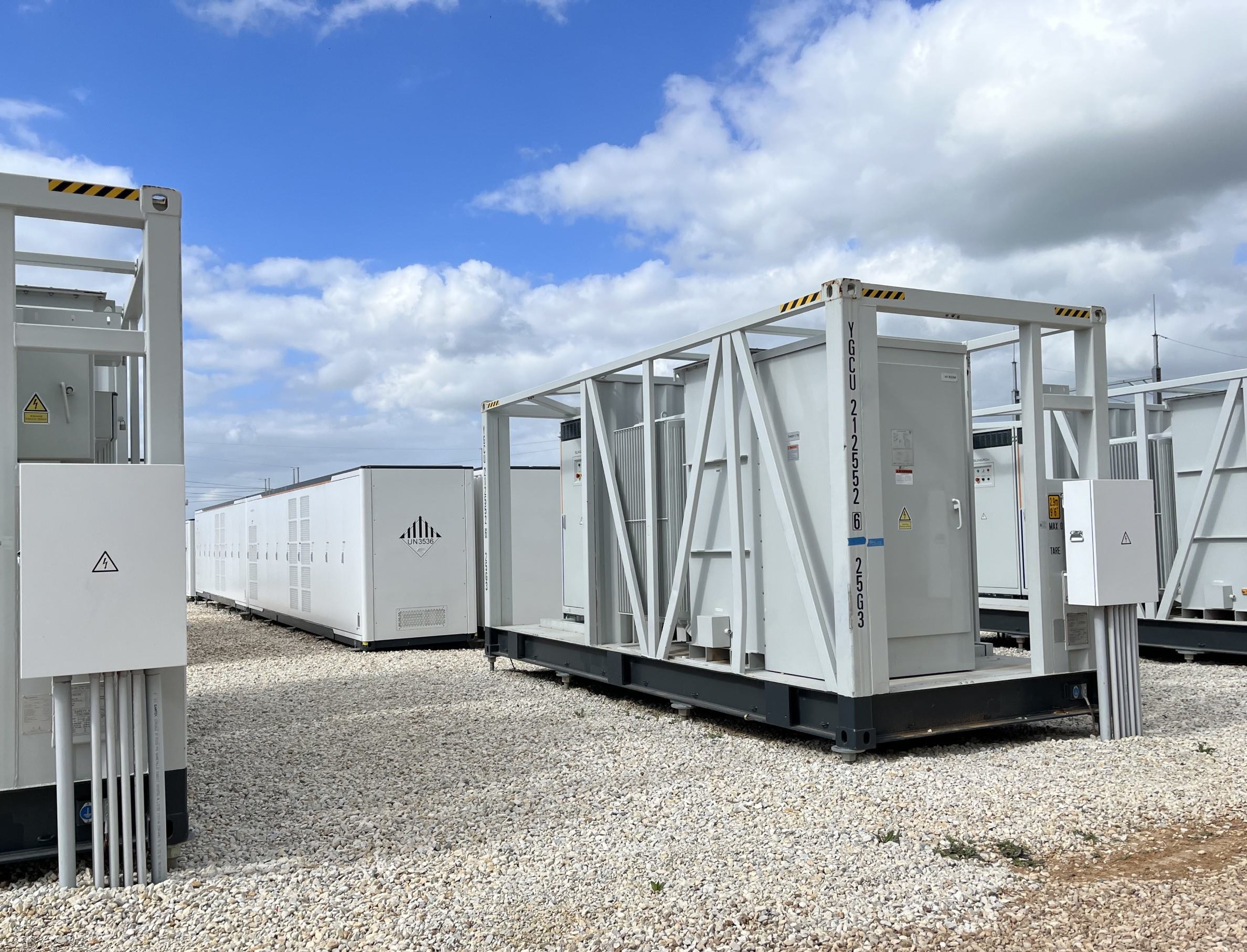
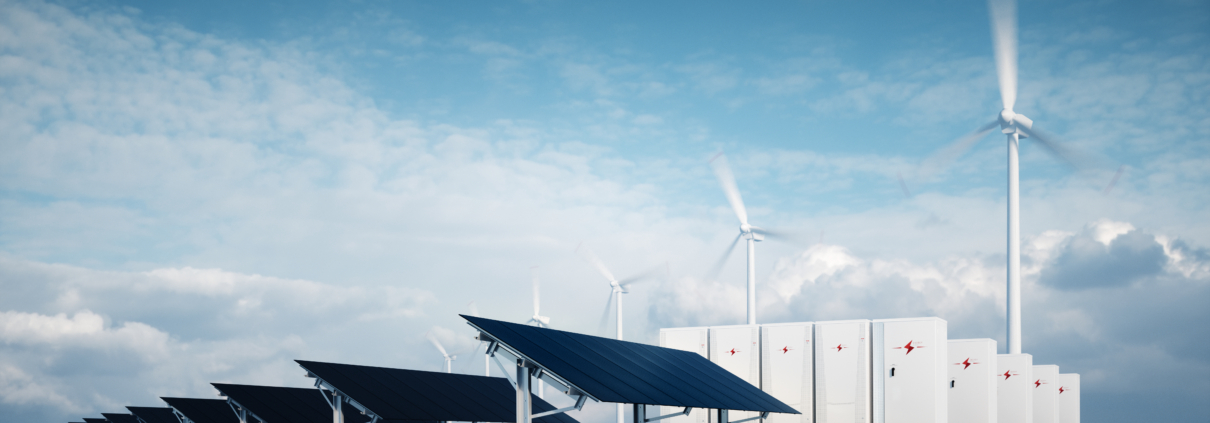
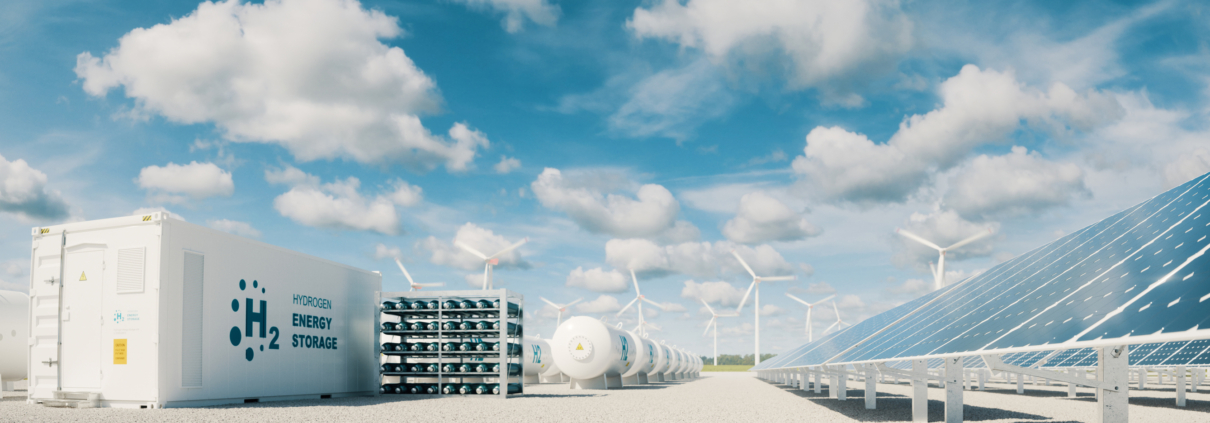
Tolling Agreement: With battery costs continuing to decline—reaching a historic low of $139/kWh in 2023, according to BloombergNEF—this style of a power purchase agreement is gaining traction. It involves the consumer renting part of their asset from the generator, who is responsible for the operation and maintenance of the renewable plant and ensuring its availability, while the buyer controls its dispatch.
It is crucial for the consumer that the renewable energy plant is manageable. Therefore, it needs to include battery storage, enabling it to meet dispatch commitments from the grid operator, whether in real-time or with a day’s notice.
Self-Production by Consortium and Lease: In this model, a group of companies form a consortium to lease a renewable generation plant, sharing costs and benefits. The lease is paid monthly and corresponds to the cost of the energy the consumer receives.
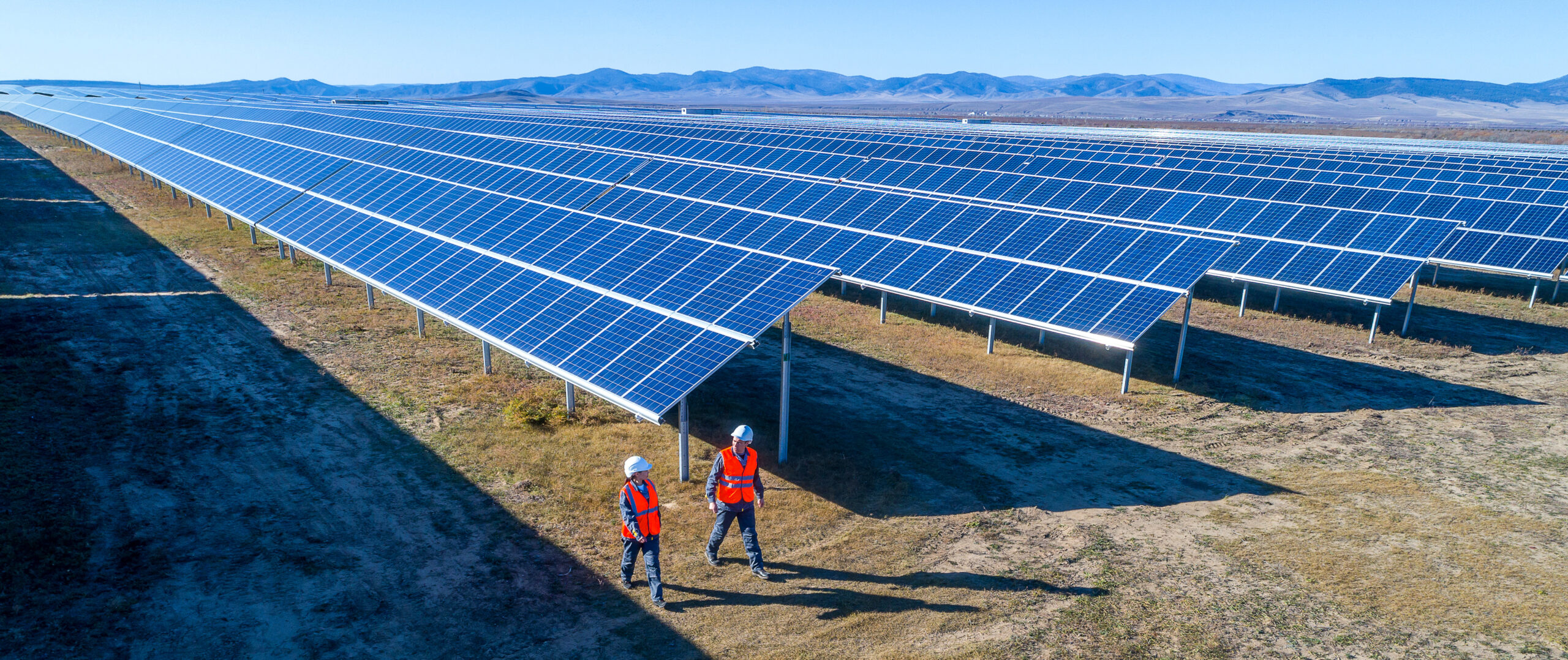
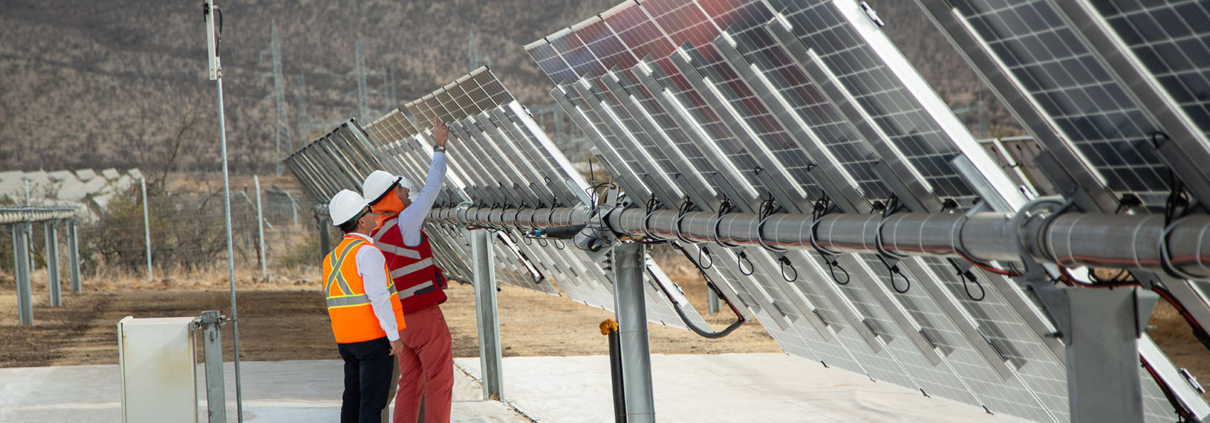
As an alternative, ‘behind-the-meter’ (BTM) contracts can also be executed, meaning when a renewable energy generation plant (generally solar photovoltaic) is installed on-site at the location where a company operates.
This fifth modality of power purchase agreements involves a provider installing renewable energy equipment at the site of a consumer company, and the latter only pays a predetermined electricity rate for a period of time.
The energy provider is responsible for purchasing, installing, and operating the project. They will sell the energy to the buyer at a fixed price, which is cheaper than the cost of drawing it from the grid. This creates a win-win scenario, where the provider company is able to amortize the project and earn returns during the contract years, and the consumer ends up paying less for its electricity tariff. At the end of the contract, the counterparty may have the option to purchase the equipment.
Carbon Certificates: An Alternative Approach
Renewable Energy Certificates (I-RECs) have emerged as a practical way for companies to offset their carbon footprint based on energy consumption without committing to a long-term contract.
Each I-REC represents 1 MWh of energy and is aimed at offsetting carbon emissions so companies can meet Scope 2 of the Greenhouse Gas (GHG) Protocol.
The I-REC Service is a global system for tracking the environmental attributes of energy, designed to reliably facilitate the offsetting of the carbon footprint emitted by companies, endorsed by international carbon accounting standards.
This model is gaining increasing traction in countries such as Argentina, Chile, Colombia, Mexico, and Brazil.
Navigating the PPA Landscape: The Importance of Expert Guidance
It is essential for each and every company to evaluate its energy consumption and clearly understand which type of contract and structure is most beneficial for it.
Atlas Renewable Energy, with its global presence, can integrate the best practices from various countries and adapt them to local market specifics to provide comprehensive advisory services to its clients.
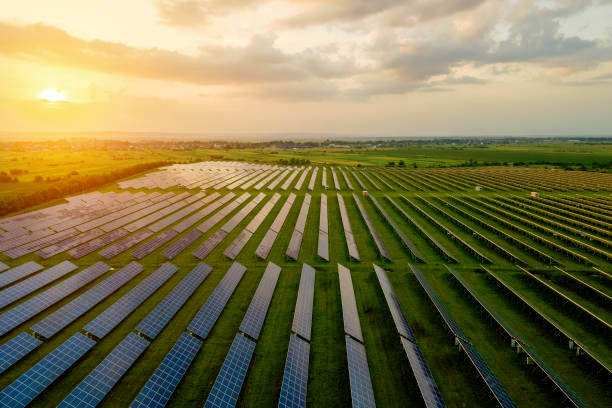
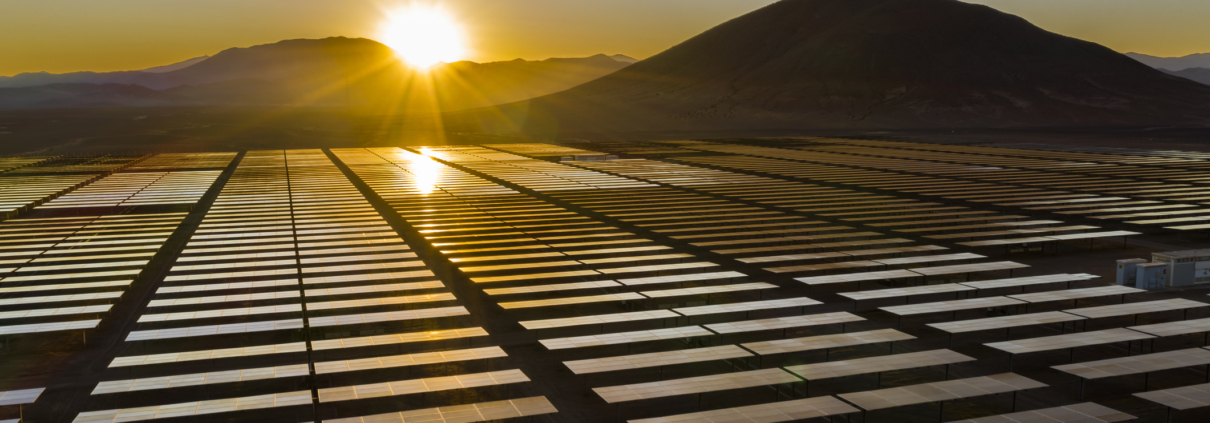
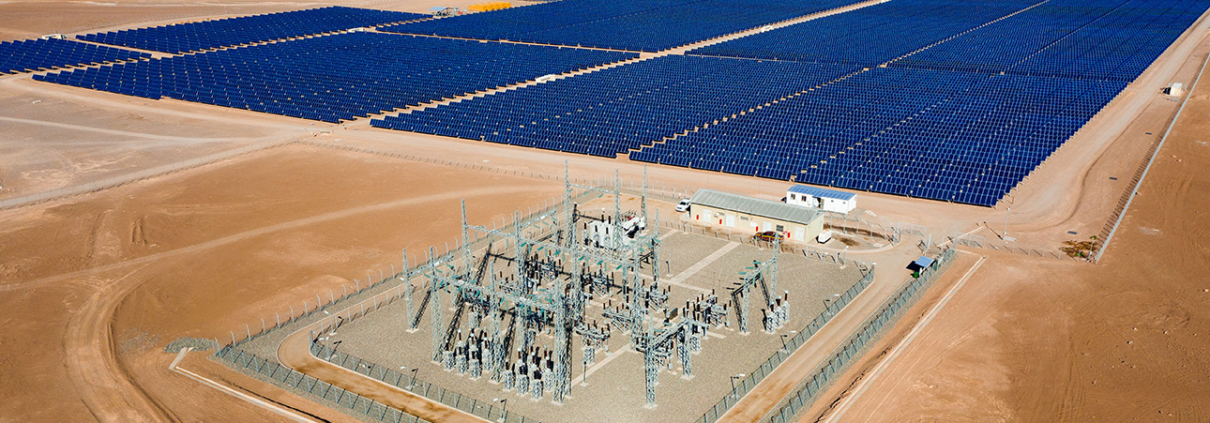
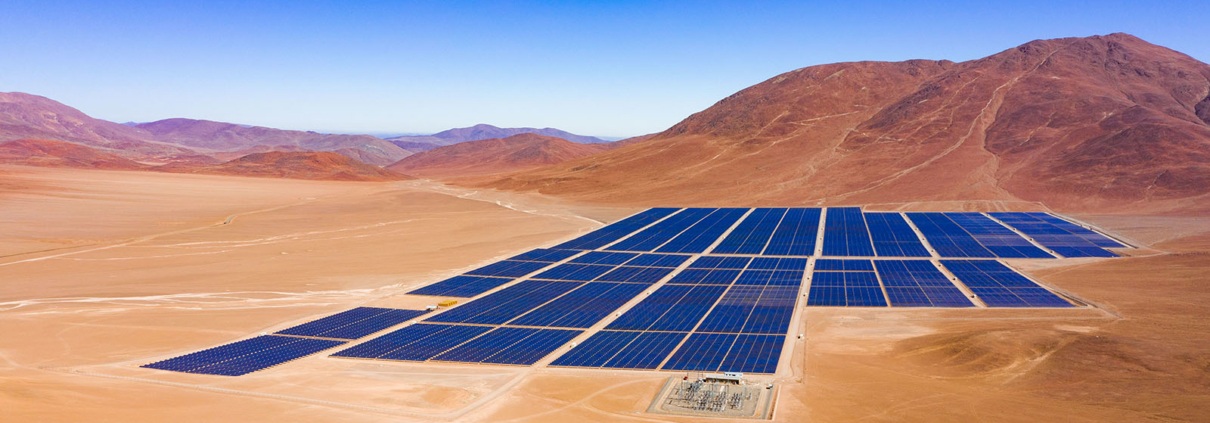
Recently, the company signed a PPA contract with the Chilean state-owned copper company CODELCO to supply its operations with clean energy starting in 2026 for a period of 15 years. The generating company committed to delivering 375 GWh per year from a solar project with battery storage to ensure stability and reliability in the electricity supply.
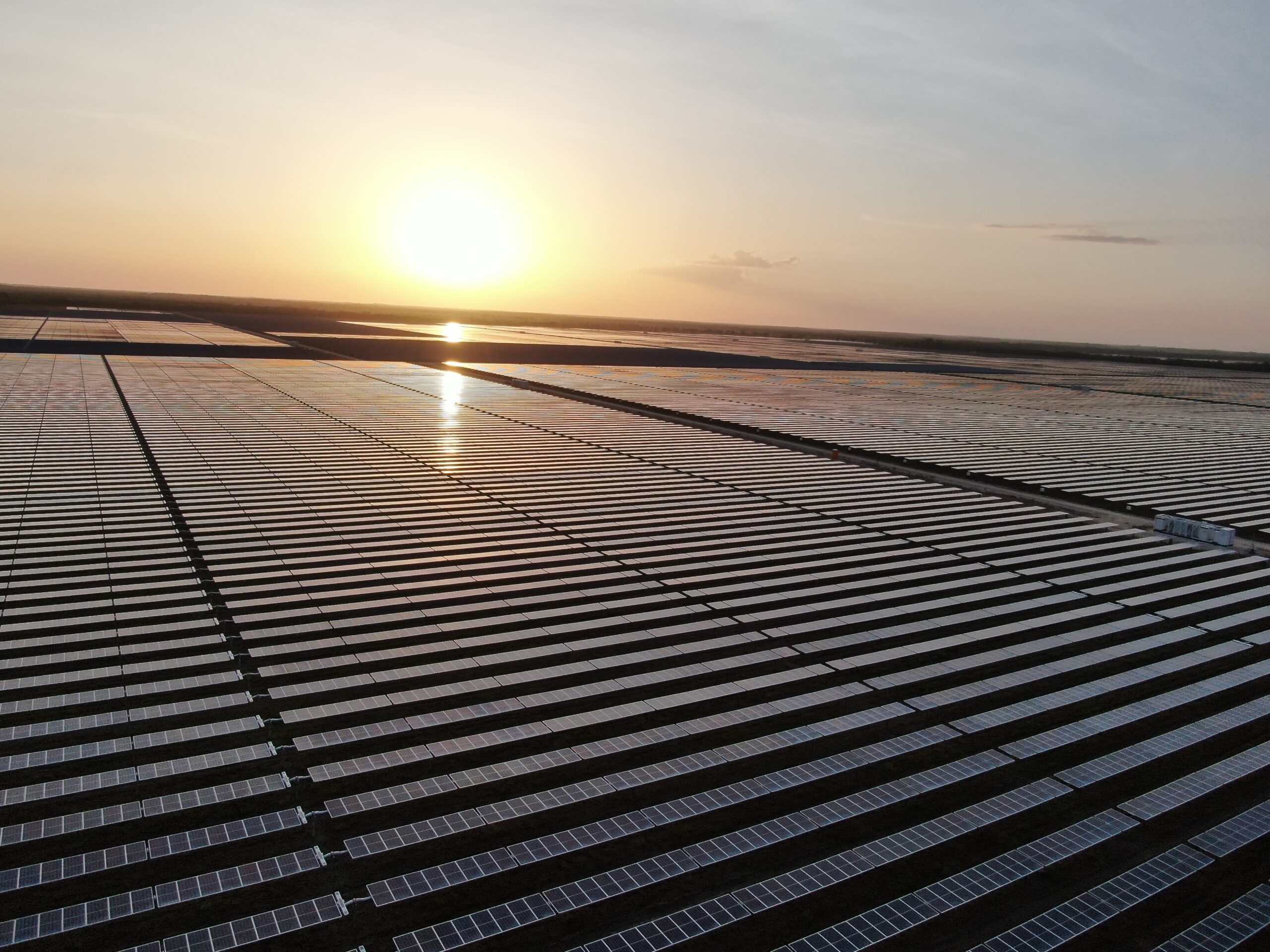
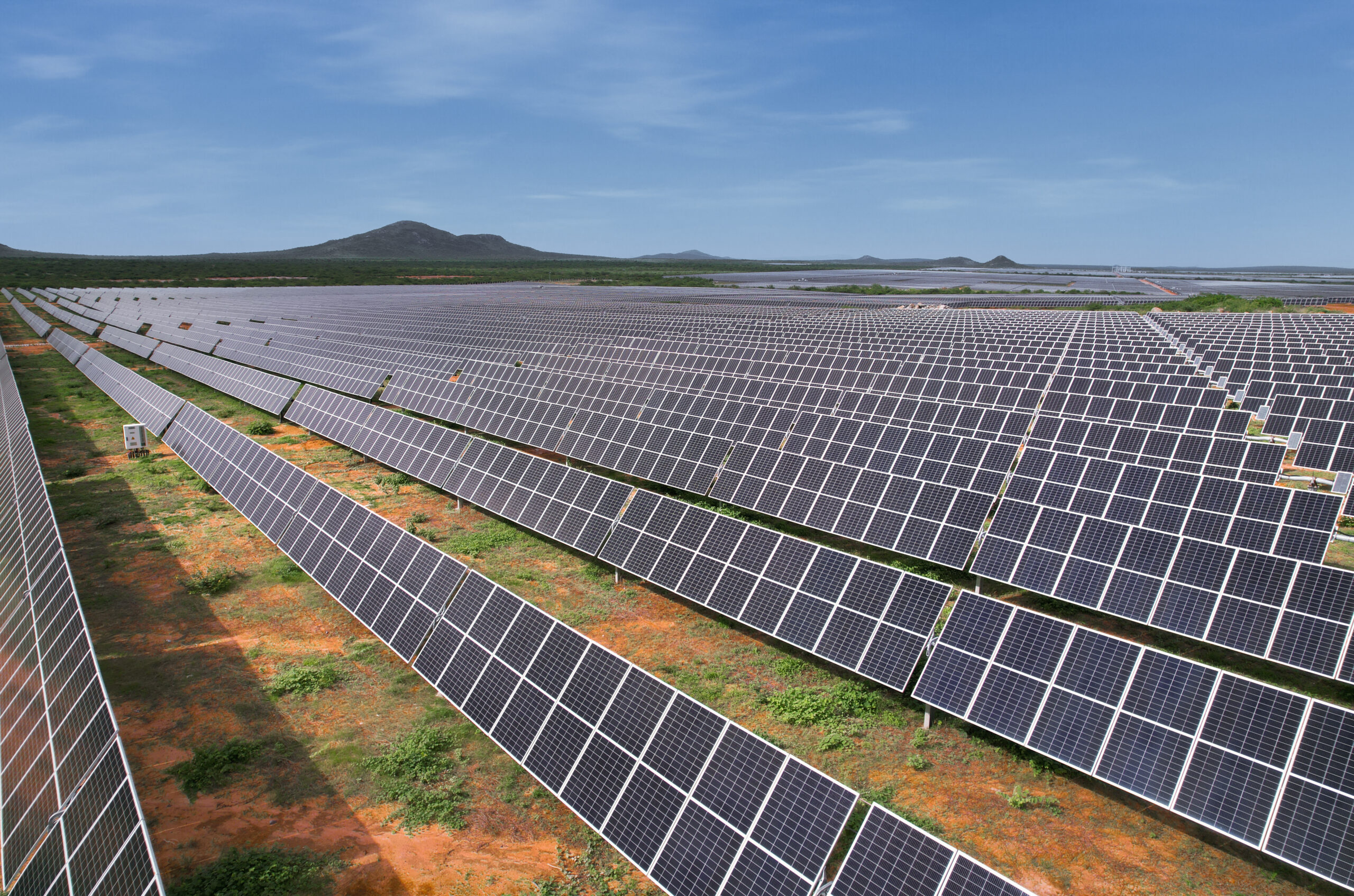
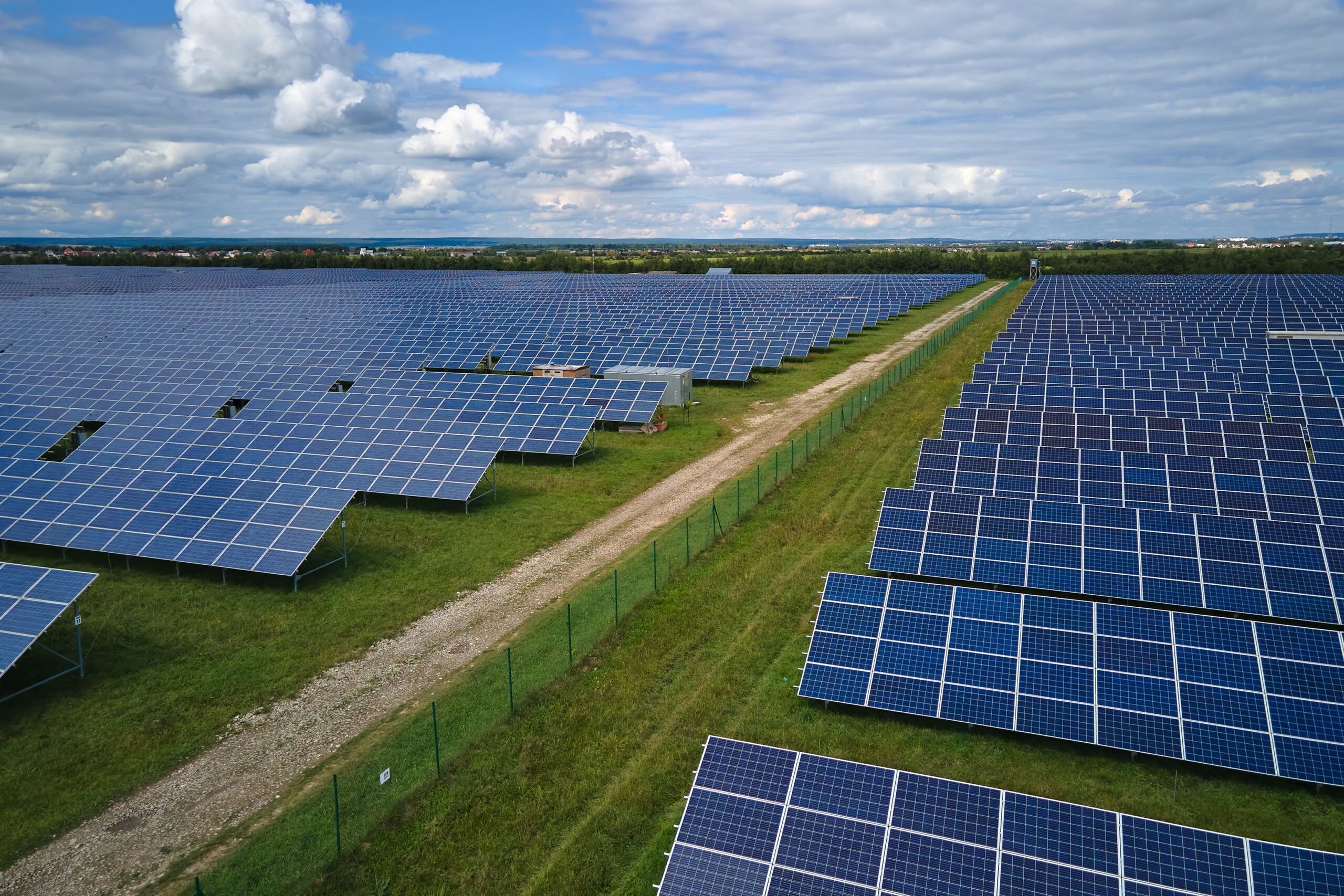
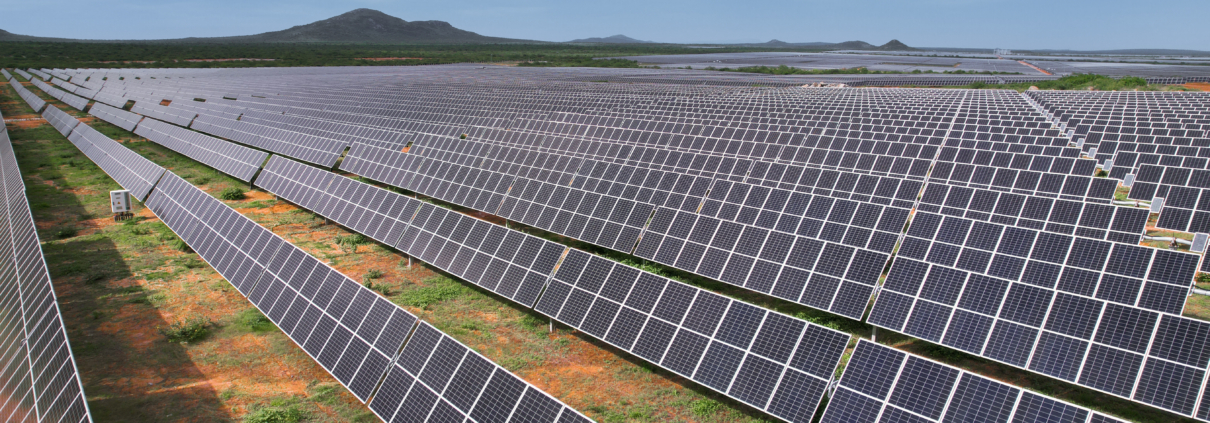
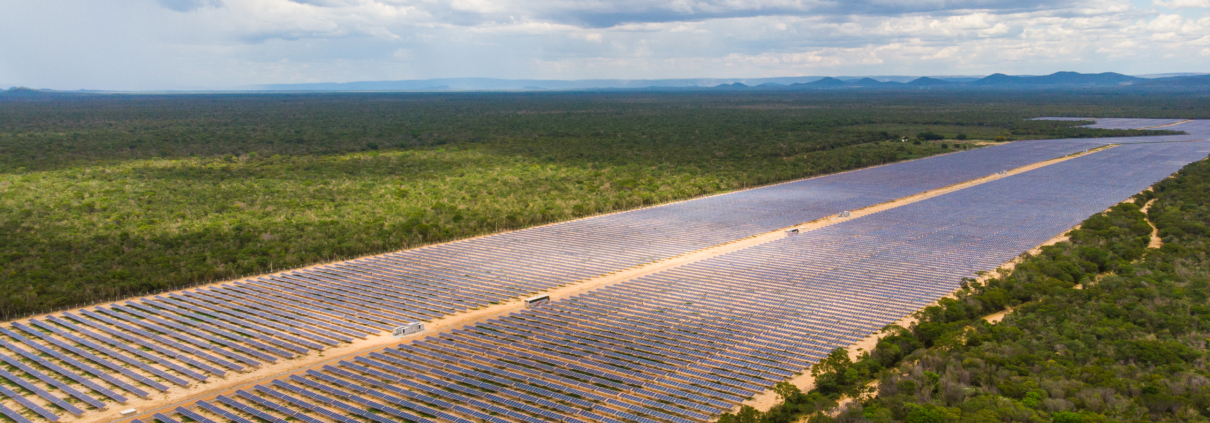
In Brazil, Atlas Renewable Energy signed one of the most notable PPAs with the largest aluminum manufacturer ALBRAS. This is the largest solar energy supply agreement made in Latin America. For its construction, the company secured a $447.8 million loan (2.18 billion reais) from the Brazilian Development Bank (BNDES), the largest dollar-denominated loan the entity has granted for renewable energy projects to date. The agreement involves the construction of the Vista Alegre solar plant, with a capacity of 902 MWp, capable of producing an average of 2 TWh annually. The contract with ALBRAS will extend for 21 years, with electricity supply starting in 2025. This is the longest PPA signed to date.
Notably, this is the second PPA that the aluminum manufacturer has signed with Atlas Renewable Energy. Previously, it signed a 20-year energy contract to be supplied by the Boa Sorte solar plant, with an installed capacity of 438 MWp, generating 815 GWh annually.
Conclusion
The growing adoption of renewable PPAs worldwide can be attributed to their triple impact: more competitive prices compared to market offers, assured supply for a set period, and an enhanced corporate image through the consumption of clean energy, which offsets carbon footprint and bolsters environmental and social reputation.
However, given the unique characteristics of each company’s electric consumption and energy supply strategy, seeking appropriate advice on the most suitable type of PPA is crucial. By leveraging the expertise of experienced partners like Atlas Renewable Energy, corporations can navigate the complex landscape of renewable energy procurement, tailoring agreements to their specific needs and unlocking the full potential of clean energy for their operations.
This article was created in partnership with Castleberry Media.. At Castleberry Media, we are dedicated to environmental sustainability. By purchasing Carbon Certificates for tree planting, we actively combat deforestation and offset our CO₂ emissions threefold.
Share This Entry