
Atlas logo Atlas logo

The Pivotal Role of Renewable Energies in Mitigating El Niño’s Impact in Colombia

June 17, 2024 Press Releases

Colombia is grappling with one of the most severe droughts in its history, disrupting electricity supply and spiking energy prices – a crisis that necessitates the massive integration of wind and solar power.

The El Niño phenomenon has caused an alarming drought across Colombia. The impact has been so severe that in early April, authorities in Bogota initiated a potable water rationing plan for certain areas. Reservoir levels, barely exceeding 32% compared to 70% in December 2023, are among the lowest in four decades, significantly hampering energy production capacity. The nation’s electric grid comprises 66.3% hydroelectric power, followed by 31.2% thermal power plants, while non-conventional renewables account for a mere 2.5% (2.4% solar and 0.1% wind).

In response, the government has implemented 15 urgent measures to avert blackouts, including monitoring and controlling power plants, enacting specific regulations to incentivize electricity production, improving cash flow for retailers, shielding end users from price hikes, expanding generation capacity with additional thermal and non-conventional renewable sources (1,029 MW in testing, of which 31.9 MW are from wind and 997.1 MW are solar), and promoting energy conservation. Suspending electricity exports to Ecuador is another step taken.

Exacerbating this situation is the burgeoning electricity demand, which surged by 7.5% in March compared to the same month last year, tripling the average annual growth rate of 2.5%. This escalation is driven by a 10.5% increase in consumption in the Caribbean region, which has endured the brunt of El Niño’s scorching temperatures, necessitating increased energy use for cooling.

Current rainfall levels allow for a mere 60 GWh of water-generated electricity per day, a fraction of the 232 GWh per day required for the system to operate. Consequently, diesel thermal plants – one of the most polluting and costly technologies in the system – must be utilized, contributing another 110 GWh. The remaining 60 GWh needed to meet demand are extracted from reservoirs, depleting these reserves.

This fact has caused a sharp spike in energy prices. According to XM, in March the average price on the Energy Exchange stood at 622.33 Colombian pesos per kWh, an 8.56% increase from the previous month’s 573.22 pesos per kWh. This figure continues to soar, with the average price in April reaching 988.59 pesos per kWh, compared to 231.53 Colombian pesos per kWh in 2023.

Renewables: A More Competitive Matrix

The surge in electricity prices directly impairs the competitiveness of businesses and industries, operating at higher costs, and thus the country’s overall competitiveness. Furthermore, the reliance on costlier and more polluting thermal power plants contradicts environmental commitments. At the recent COP28, Colombia advocated for the Fossil Fuel Non-Proliferation Treaty, aimed at halting all new oil, coal, and natural gas explorations and gradually phasing out current production and consumption. Additionally, the country has pledged to reduce greenhouse gas emissions by 51% by 2030 and achieve carbon neutrality by 2050.

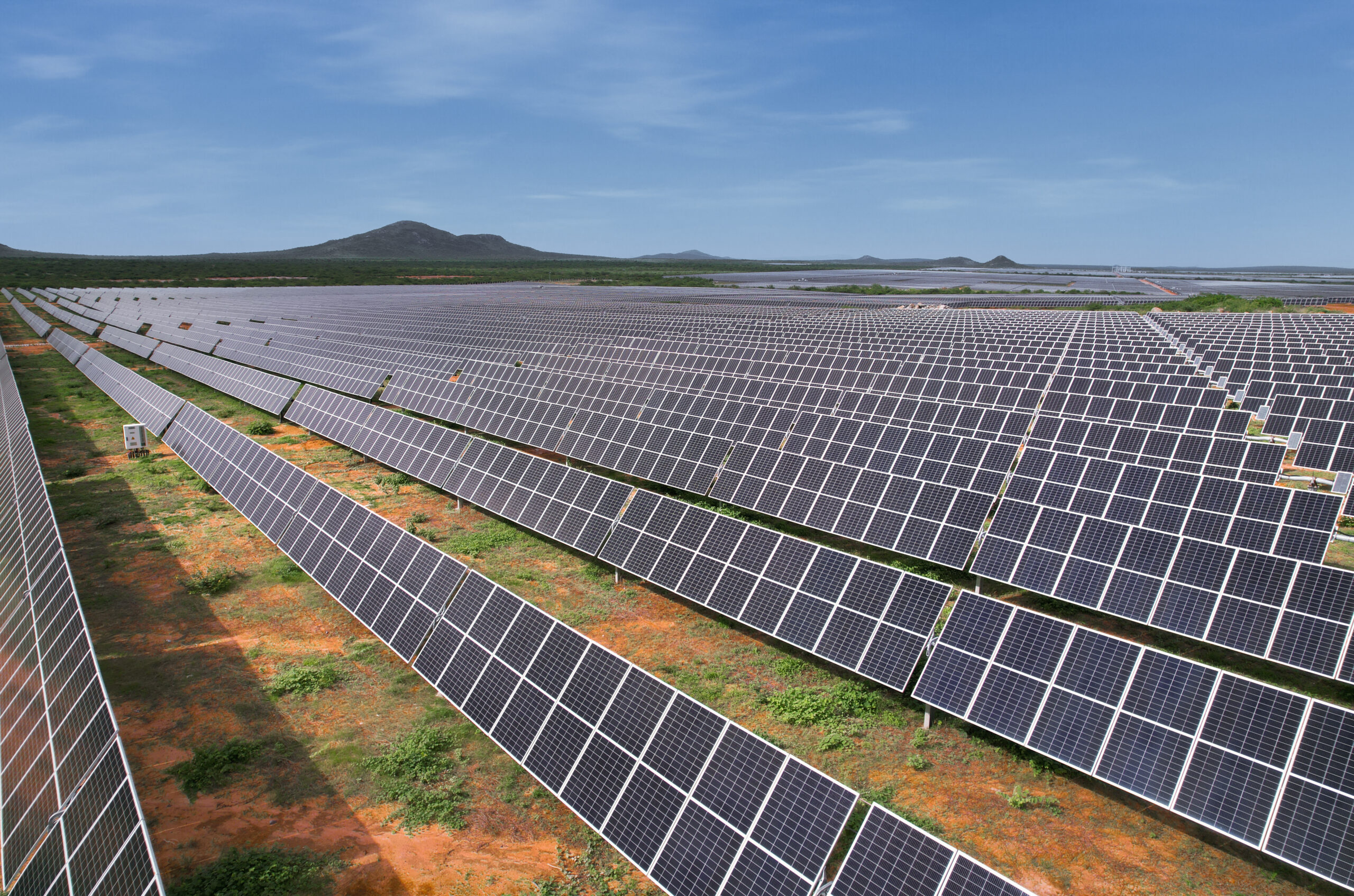
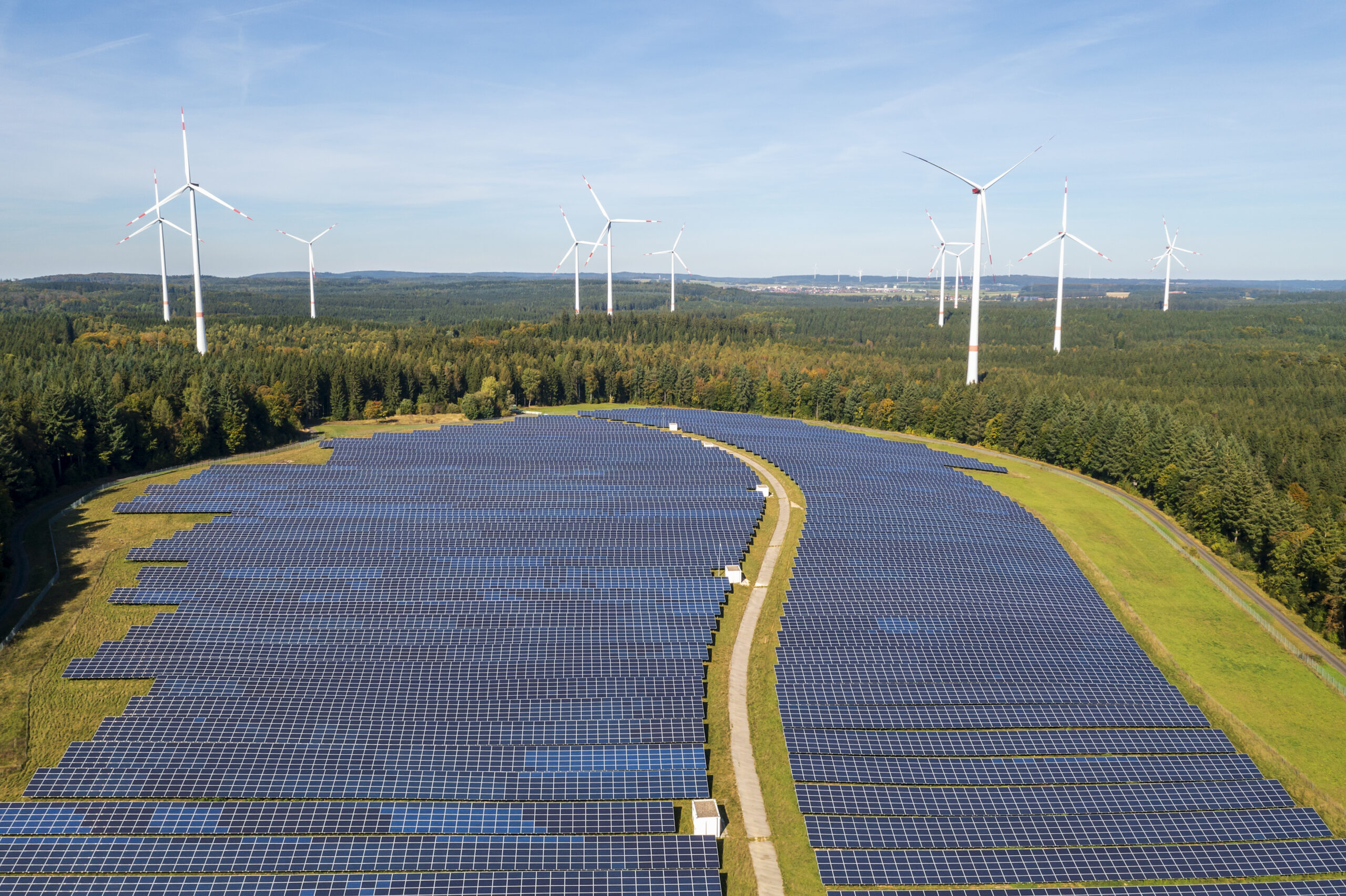
While Colombia’s electric matrix is relatively clean due to its substantial hydroelectric contribution, natural phenomena, like El Niño, critically undermine electricity supply, necessitating the use of highly polluting and economically costly thermal sources like diesel. Therefore, it is imperative for the country to incorporate a greater volume of non-conventional renewable energies into its energy mix, such as wind and photovoltaic solar power, which are among the most cost-competitive globally.

A 2023 report by the International Renewable Energy Agency (IRENA) indicates that the global weighted average cost of energy (LCOE) for wind farms in 2022 was $33 per MWh (128 Colombian pesos per kWh), while photovoltaic solar projects averaged $49 per MWh (191 Colombian pesos per kWh).

Accordingly, Colombia has secured contracts for nearly 3,000 MW of wind and solar energy at prices below 200 Colombian pesos per kWh in two long-term renewable energy auctions. In October 2019, 2,085 MW across 14 projects were awarded at an average price of 95 Colombian pesos per kWh, and in 2021, another 11 projects totaling 796.3 MW, all from photovoltaic solar power, were awarded at an average price of 155.81 Colombian pesos pesos per kWh. Despite an additional Reliability Charge of around 60 Colombian pesos kWh, this energy is still significantly cheaper than the over 900 Colombian pesos per kWh recorded in April this year.

However, only a fraction of these projects have come into effect due to various impediments, primarily the complexity of obtaining the necessary environmental permits.

Therefore, it is crucial for Colombia to accelerate the diversification of its electric matrix to ensure a reliable system capable of providing clean energy at competitive prices, even during contingencies like El Niño.

Storage as a Complement to Renewables 

Given its wind and solar resources, Colombia could emerge as a renewable energy powerhouse, meeting all the projected growing electricity demand of 263.4 GWh per day by 2028, a 13.5% increase from the current consumption of 232 GWh/day.

According to the map of suitable zones for wind and solar energy generation developed by Energética 2030, an inter-institutional alliance led by the National University of Colombia (UNAL) and comprising 11 organizations including universities and private companies, the country boasts a potential of 35,000 MW in wind power, with optimal conditions in the northern Caribbean regions (departments of La Guajira, Magdalena, and Atlántico), while its solar potential is virtually incalculable given the proximity to the equator, ensuring near-vertical sunlight throughout the year.

Based on this potential, the Mining and Energy Planning Unit (UPME) has designed a map of all assigned and approved energy projects, totaling around 23,500 MW, divided into 16,329.71 MW from photovoltaic solar, 3,991.5 MW wind, 1,018.54 MW thermal, and 2,527.55 MW hydroelectric energy.  

These energy plants are expected to gradually start working by 2032. If realized, solar energy in Colombia would surge from the current 2.5% of the electric matrix to 40%, with operational capacity rising from 486 MW to 16,815.71 MW, surpassing hydroelectric power. Wind energy would represent 9%, reaching 4,009.92 MW.

Such a diversified electric matrix would drastically reduce energy exchange prices. The transformation would be so profound that two new challenges, akin to those faced by Chile – a country with 44% of its installed capacity in wind and solar energy – would arise.

Firstly, during peak renewable energy production hours, energy exchange prices plummet to $0 per MWh in various regions. While beneficial for consumers, this is not favorable for energy project developers who invest in the continued development of the electric system. Moreover, in other hours without renewable energy generation, prices spike, causing significant intraday price disparities.

Secondly, Chile grapples with the challenge of managing substantial volumes of variable energies (wind and solar photovoltaic) that must be consumed as generated because they are non-preservable. That is, they are generated in the presence of wind or sunlight, respectively, and must be consumed at that moment. This leads to “excess” energy situations where many plants must curtail production during certain hours.

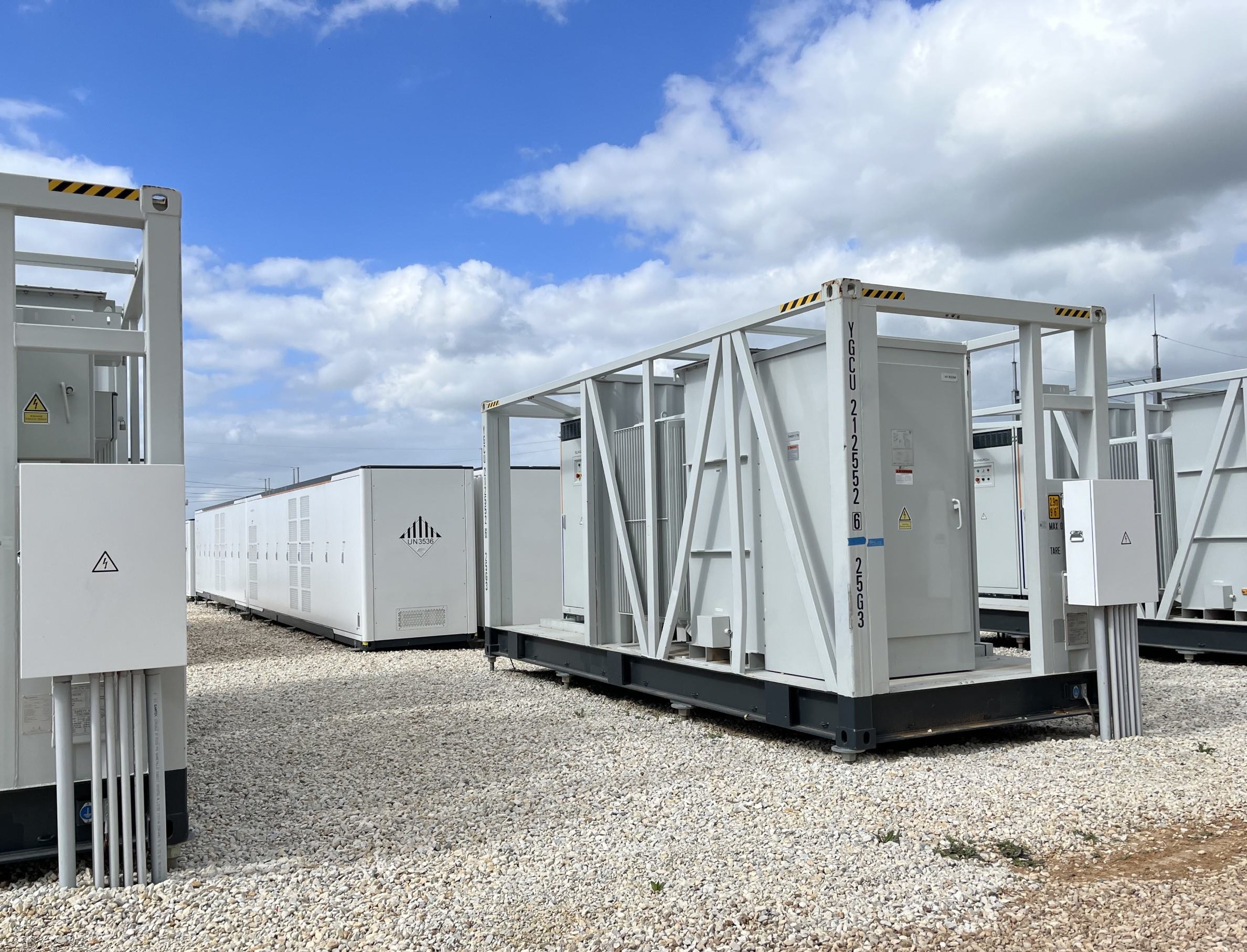
To address both challenges, Chile is advancing incentives for battery storage. This technology allows for storing renewable energy surpluses and injecting them into the electric grid during peak demand hours, preventing curtailments and price disparities, and creating harmony in the electric grid.  

Therefore, Colombia needs to adopt measures that facilitate the rapid incorporation of non-conventional renewable energy sources. Diversifying its electric matrix with wind and photovoltaic solar energy will ensure supply and competitive prices during climatic contingencies.

Conclusion

Transitioning to such renewable energies will enable the country to withstand climate phenomena like El Niño, which are intensifying every single year, and mitigate potential impacts on the electric system from new events or unpredictable climatic conditions caused by environmental degradation.  

Moreover, migrating towards clean energy, such as wind and solar photovoltaic, including the incorporation of battery storage, will allow Colombia to fully capitalize on its resources for renewable energy generation and elevate its electrical system to a new level—much more resilient, capable of regulating costs, attracting investments, and achieving decarbonization goals more swiftly.

This article was created in partnership with Castleberry Media.. At Castleberry Media, we are dedicated to environmental sustainability. By purchasing Carbon Certificates for tree planting, we actively combat deforestation and offset our CO₂ emissions threefold.

Share This Entry
More articles

October 06, 2025 Our point of view
Toward COP30: How Renewable Energy Is Rewriting Latin America’s Opportunity Set
October 05, 2025 Our point of view
Renewable Energy-Driven Data Centers: Shaping Mexico's Digital Future
October 05, 2025 Our point of view
The Food Industry and Energy Transition: A Recipe Toward Competitiveness
October 02, 2025 Our point of view
Chilean Mining Sector in Energy Transition: Perspectives and Key Insights Amid New European Regulations
September 23, 2025 Our point of view
Walking the Walk: Making Sustainability Tangible
July 23, 2025 Our point of view
Renewable Energy: The Strategic Choice for Energy Transition in Mining and Oil Operations
July 19, 2025 Our point of view
Innovation That Protects: How Atlas Embedded Health and Safety at the Core of Its Operational Excellence
June 17, 2025 Our point of view
How Renewable Energy Will Power Mexico's Economic Transformation by 2030
June 17, 2025 Our point of view
From Generation to Energy Consumption: The Private Sector's Role in the Energy Transition
May 28, 2025 Our point of view
Energy Trends in the Colombian Market
May 05, 2025 Our point of view
Q&A: Energy Buyer Transitioning Operations to Renewable Energy with Atlas
April 15, 2025 Our point of view
Sustainable Operations: Why Data Centers Are Turning to Renewables
April 15, 2025 Our point of view
The Power of PPAs: Renewable Energy in the Regional Automotive Industry
April 04, 2025 Our point of view
The Strategic Edge of Renewable Energy: Business Advantages
March 10, 2025 Our point of view
Powering AI's Revolution: the Renewable Energy Imperative

March 03, 2025 Our point of view
How BESS is Revolutionizing Latin America's Renewable Industry
February 24, 2025 Our point of view

Renewable Energy Drives Sustainability in the Food Industry

February 06, 2025 Our point of view
The Strategic Role of Storage in Latin America's Energy Transition
February 04, 2025 Our point of view
By the Numbers: Why Companies Are Choosing Renewable Energy Contracts
January 24, 2025 Our point of view
Energy Transition: Opportunities for Multinationals
January 11, 2025 Our point of view
The Multiple Benefits of Renewable Energy Consumption for Companies
November 21, 2024 Our point of view
Clean energy for data centers: the rise of PPAs as a secure solution
November 21, 2024 Our point of view
Operational Cost Optimization: The Strategic Role of PPAs Amidst the Rising Energy Prices
November 21, 2024 Our point of view
How Oil Companies Can Decarbonize Through PPA Contracts
October 30, 2024 Our point of view
Forging Strategic Alliances: Bridging the Gap Between O&G and Renewable Energy
October 16, 2024 Our point of view
The Role of Renewable PPAs in Mitigating Price Volatility
August 24, 2024 Our point of view
Why Are Telecoms Transitioning to Renewable Energy?
July 08, 2024 Our point of view
How are renewable energies transforming the Brazilian economy?
July 03, 2024 Our point of view
PPAs and Contract Structures: Tailoring Renewable Energy Procurement to Corporate Needs
June 25, 2024 Our point of view
Renewable Energies as Key Players in CFO Strategies
June 18, 2024 Our point of view
Colombia’s Roadmap: A Pathway to a Cleaner Energy Matrix
June 18, 2024 Our point of view
Atlas Renewable Energy's big bet on renewable energy development in Colombia.
June 17, 2024 Our point of view
The Pivotal Role of Renewable Energies in Mitigating El Niño's Impact in Colombia
June 17, 2024 Our point of view
Understand the limits of carbon capture in the energy transition
June 17, 2024 Our point of view
Understand the advantages of contracting renewable energy for your company
April 26, 2024 Our point of view
Navigating the Energy Transition: The Impact of COP 28 Agreements on Corporate Strategy
April 10, 2024 Our point of view
AI and its impact on renewable energy
April 09, 2024 Our point of view
Social License: The Crucial Factor in Ensuring a Responsible Energy Transition
February 16, 2024 Our point of view
How innovative technologies are driving the future of renewable energy
January 30, 2024 Our point of view
Is a Dollar-Based PPA Ideal for Achieving Your Company’s Sustainability Objectives?
January 24, 2024 Our point of view
How sustainable energy strategies can provide stability in uncertain times
December 12, 2023 Our point of view
Innovation in Corporate Clean Energy: Atlas Renewable Energy is Leading the Way in Latin America
November 09, 2023 Our point of view
Renewables and Storage: The perfect combination to meet energy demand
August 03, 2023 Our point of view
CLEAN ENERGY FOR THE ALUMINUM INDUSTRY
June 21, 2023 Our point of view
How renewable energy sources can contribute to the food industries sustainability journey
May 09, 2023 Our point of view
Powering the concrete and cement industry with renewable energy: A pathway to a just transition for the construction sector
May 09, 2023 Our point of view
Unlocking the full potential of renewable energy investment in partnership with development finance institutions
May 09, 2023 Our point of view
GREEN HYDROGEN: TOWARDS NET ZERO
April 26, 2023 Our point of view
Renewable energy: Making the circular economy happen in the chemicals industry
April 21, 2023 Our point of view
Atlas recognizes the development of renewable technologies in Latin America
March 27, 2023 Our point of view
How the surge in renewable energy investment is making it easier for companies to transition
February 24, 2023 Our point of view
IN CONVERSATION WITH ATLAS: HOW WE PARTNER WITH CLIENTS TO CREATE A REAL IMPACT
January 27, 2023 Our point of view
WHY COP27 IS MORE RELEVANT THAN EVER
January 12, 2023 Our point of view
What governments should take into account to make a real transition to renewable energies
December 13, 2022 Our point of view
Renewable Energy Trend Watch: Self-generation in Brazil
December 07, 2022 Our point of view
What you need to know about the rise of I-RECs in Brazil
October 18, 2022 Our point of view
How I-RECs can offer a new level of transparency as companies get real on climate change
September 26, 2022 Our point of view
What can renewable energy do for the mining sector?
August 29, 2022 Our point of view
How the Inflation Reduction Act could turbocharge the renewable energy sector
August 16, 2022 Our point of view
Power Purchase Agreements (PPAs): A Source of Stability in a Climate of Change
June 21, 2022 Our point of view
Web3 and the metaverse: an inflection point for the energy transition
June 07, 2022 Our point of view
What to look out for in a renewable energy contract
June 01, 2022 Our point of view
TOWARDS NET-ZERO INDUSTRIAL HUBS: THE ROLE OF RENEWABLE ENERGY
May 20, 2022 Our point of view
Avoiding Greenwashing and Make the Shift to True Sustainability
April 06, 2022 Our point of view
Closing the green divide in the tech industry
March 18, 2022 Our point of view
How renewables can help feed the world without overwhelming the planet
February 24, 2022 Our point of view
Ensuring the triple bottom line for your renewable energy strategy: the biggest return on investment
February 23, 2022 Our point of view
The vital role corporations play in achieving the COP26 commitments
December 20, 2021 Our point of view
How generating sustainable change at scale leads to positive tangible environmental and consumer impact
December 20, 2021 Our point of view
Diversity and Inclusion: The Atlas Perspective
October 28, 2021 Our point of view
COP26: What corporations should know
October 27, 2021 Our point of view
LAGGARDS AND LEADERS: CLOSING THE GAP IN THE TRANSITION TO RENEWABLE ENERGY
October 26, 2021 Our point of view
MAKING CIRCULAR ECONOMY HAPPEN
October 08, 2021 Our point of view
WHY GREEN HYDROGEN IS PART OF THE ENERGY MATRIX OF THE FUTURE
October 06, 2021 Our point of view
WHY COVERING THE ENERGY NEEDS OF DIGITALIZATION SUSTAINABLY IS IMPORTANT
July 07, 2021 Our point of view
ELECTRIC VEHICLES AND RENEWABLE ENERGY: A PERFECT MATCH
July 01, 2021 Our point of view
MAKING IT COUNT: DIVERSITY, INCLUSION, AND SOCIAL DEVELOPMENT IN RENEWABLE ENERGY
July 01, 2021 Our point of view
SUSTAINABLE LEADERSHIP: FROM WORDS TO ACTION
June 30, 2021 Our point of view
WHY WE’RE STILL OPTIMISTIC ABOUT FIGHTING CLIMATE CHANGE
May 10, 2021 Our point of view
RENEWABLE ENERGY IS AT ITS BEST: SOLAR SHINES BRIGHT
May 07, 2021 Our point of view
WHAT THE LEADERS SUMMIT ON CLIMATE MEANS FOR CORPORATIONS
March 30, 2021 Our point of view
CARBON PRICING IS INEVITABLE – DON’T BE CAUGHT OUT
March 29, 2021 Our point of view
A SYSTEMIC VIEW OF DIVERSITY AND INCLUSION
March 18, 2021 Our point of view
BIDEN’S PLAN: RENEWABLES ON THE RISE IN THE US
March 15, 2021 Our point of view
THE NEW GREEN CONSUMER: HOW EMERGING TRENDS ARE SHAPING SUSTAINABILITY INITIATIVES
March 15, 2021 Our point of view
WHY INVESTORS ARE FLOCKING TO THE RENEWABLES SECTOR
February 19, 2021 Our point of view
2021: BEYOND THE INFLECTION POINT FOR RENEWABLE ENERGY
December 14, 2020 Our point of view
Corporate sustainability: is your company doing enough?
November 20, 2020 Our point of view
Creating renewable energy success stories: experience in the chemical sector
November 12, 2020 Our point of view
How ESG is taking center stage in Latin America
October 16, 2020 Our point of view
Joining forces: Why you should look for innovation in your solar energy partner
August 21, 2020 Our point of view
Why now is the time to invest in Latin America’s renewables market
August 20, 2020 Our point of view
Gaining certainty in uncertain times: the impact of renewables on energy-intensive industries in Latin America
July 20, 2020 Our point of view
How renewable energy project execution is powering ahead despite Covid-19
July 06, 2020 Our point of view
7 factors influencing the renewables market in Latin America
June 03, 2020 Our point of view
The rise of corporate PPAS in Latin America
May 11, 2020 Our point of view
Can renewable energy power Latin America’s recovery after Covid-19?
February 02, 2020 Our point of view
Atlas Renewable Energy’s innovative approach to renewable energy
February 02, 2020 Our point of view
Education and Solar Energy go hand in hand in rural Mexico
June 18, 2019 Our point of view
Why are large mining companies embracing Solar Energy?
May 17, 2019 Our point of view
How financial innovation can drive the growth of renewables in Latam