
Atlas logo Atlas logo

Renewable energy: Making the circular economy happen in the chemicals industry

April 26, 2023 Press Releases

The chemicals industry is a vital sector of the global economy, with products used in a wide range of applications, including agriculture, construction, healthcare, transportation, and electronics. However, it is also one of the most resource-intensive, generating a significant environmental impact. As major chemical companies seek to adopt more sustainable and circular business models, we look at how renewable energy can help the industry reduce its dependence on finite resources, minimize waste and pollution, and contribute to a more sustainable future. 

A vital economic sector with a large environmental footprint

The chemicals industry is an important sector of the global economy, with products used in a wide range of applications, from agriculture to healthcare, construction, transportation, and electronics. According to the International Council of Chemical Associations (ICCA), it contributes an estimated US$5.7tn, or 7%, to the world gross domestic product (GDP) through direct, indirect, and induced impacts, supporting 120 million jobs worldwide.

It also drives innovation and technological progress through heavy investment in research and development, driving the development of advanced technologies, such as automation and artificial intelligence.

However, because the production of chemicals requires the extraction of raw materials, the use of energy and water, and the release of emissions and waste, the industry is also one of the most resource-intensive and polluting, with a significant impact on the environment and human health.

According to the International Energy Agency (IEA), the chemicals industry is the largest industrial energy consumer and the third largest industry subsector in terms of direct CO2 emissions. At the same time, the Ellen MacArthur Foundation estimates that by 2050, the plastics sub-sector alone will account for 20% of global oil consumption and 15% of global greenhouse gas emissions.

The circular economy rises up the global agenda

Resource constraints and rising concerns about sustainability are changing how consumers think about chemicals. As brands around the world refocus their offerings towards eco-friendly products, the chemical industry is being called upon to address its environmental footprint and help to come up with cleaner, reusable, recyclable, or compostable inputs.

To reduce the impact on the planet of chemical production and consumption while also creating economic opportunities, the concept of a circular economy has become increasingly relevant in recent years. 

The circular economy is an economic system in which resources are used and reused in a closed loop, with waste and pollution minimized, and materials and products are kept in use for as long as possible. 

By adopting circular business models, the chemical industry can reduce its dependence on virgin materials and energy and create value from waste streams. Chemicals can be used and reused in various applications, and the environmental impact of chemical production and consumption can be minimized. 

The chemicals industry has already taken some steps towards the circular economy model. For example, some companies have implemented closed-loop systems, in which waste from one production process becomes the raw material for another process. Others have developed products with a longer lifespan that can be easily recycled at the end of their life. Additionally, many companies have implemented eco-design principles, which aim to reduce the environmental impact of products by considering the entire life cycle of the product. 

The future is circular 

With the emergence of numerous new regulations and initiatives, the drive towards a circular economy is picking up speed, bringing with it more pressure for chemical companies to rethink their production processes. 

In the United States, the Biden administration has introduced several policies aimed at promoting sustainability and combating climate change. One of the key policies is the Build Back Better plan, which includes measures to invest in clean energy, reduce greenhouse gas emissions, and promote sustainable infrastructure. Meanwhile, the recent Inflation Reduction Act provides regulatory incentives and market opportunities for sustainable and circular products and services, encouraging companies to design processes and products to deliver the same or better services for people with recycling and reuse in mind. 

In the European Union (EU), the EU Taxonomy, which sets out a classification system for environmentally sustainable economic activities, includes criteria for the circular economy, such as the use of secondary raw materials and the reduction of waste. In addition, as part of the European Green Deal – a set of policies and initiatives launched by the European Commission in 2019 with the aim of making the EU climate-neutral by 2050 – the Circular Economy Action Plan sets out measures to promote a more circular economy in the EU. The plan includes measures such as eco-design requirements, extended producer responsibility, and the promotion of sustainable products and services. 

Beyond government-led incentives, the investor community is also increasingly targeting funds towards the circular economy model, with Larry Fink, CEO and chairman of BlackRock, calling the concept “a foundational blueprint.” 

Investor engagement is only likely to increase amid the continued emergence of sustainable finance frameworks such as the Principles for Responsible Investment (PRI), which calls on investors to incorporate the transition to a circular economy into their investment and ownership decisions. 

Renewable energy for a truly circular economy 

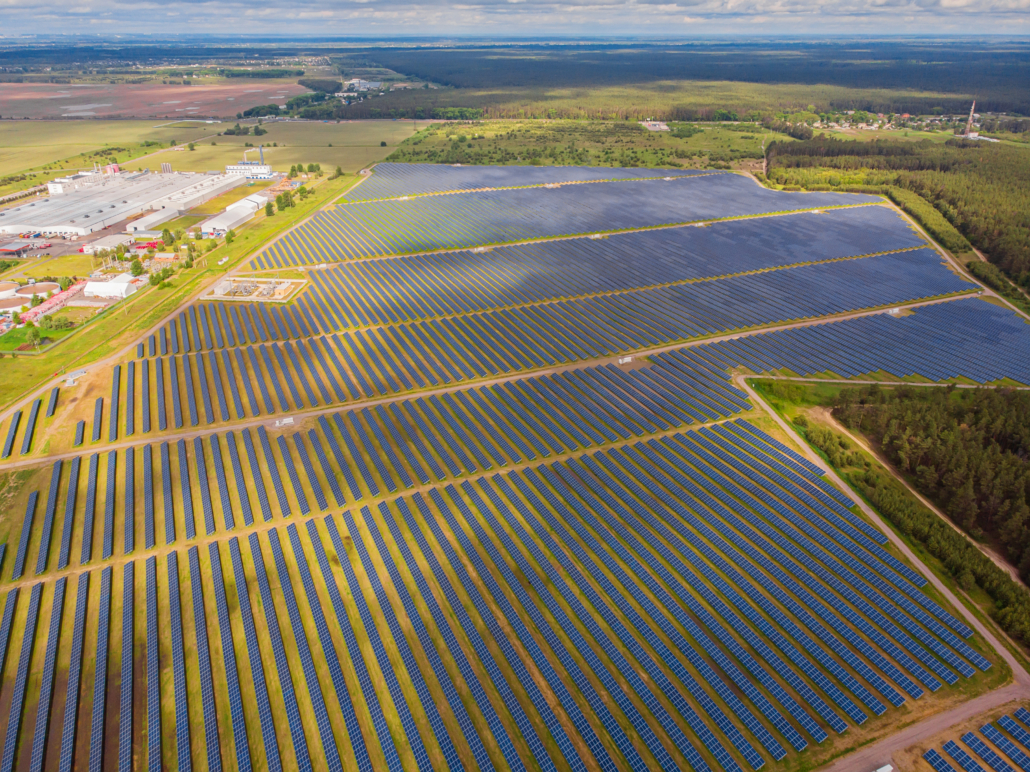
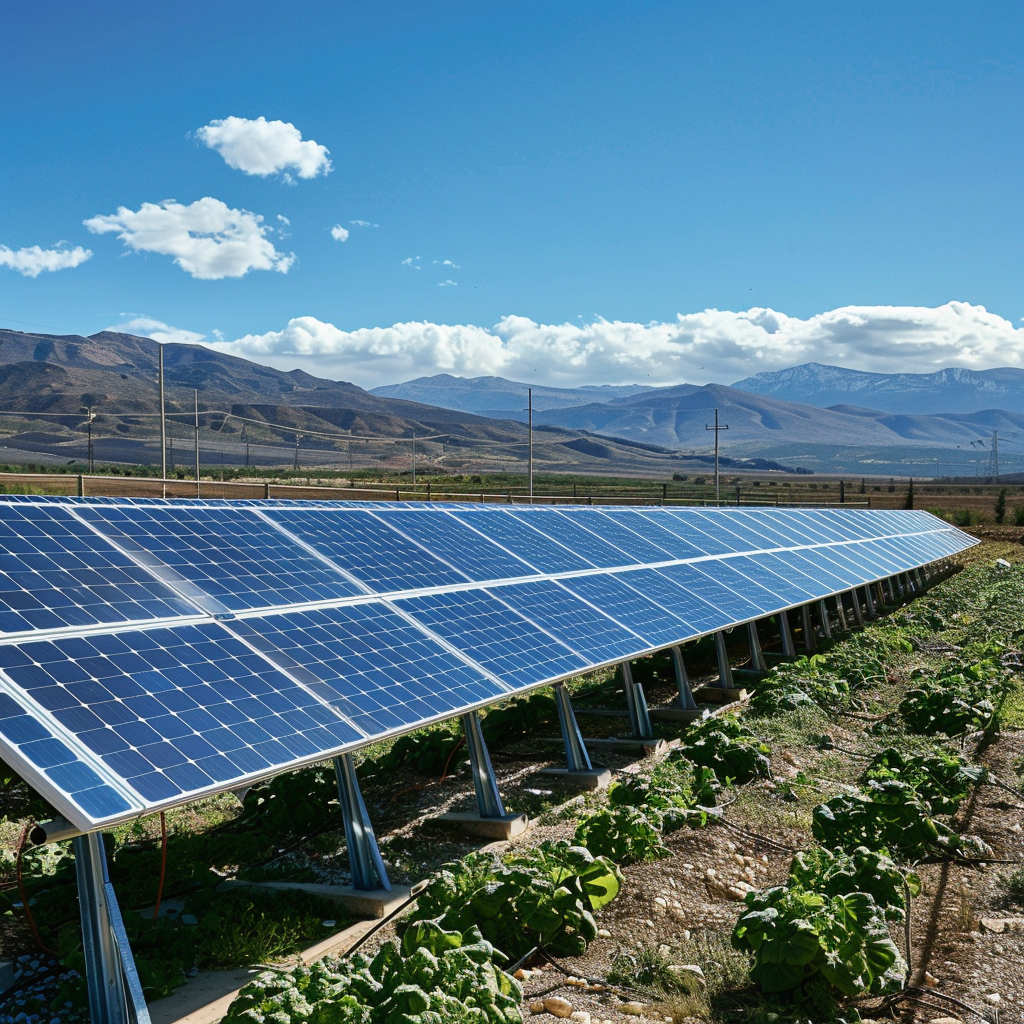
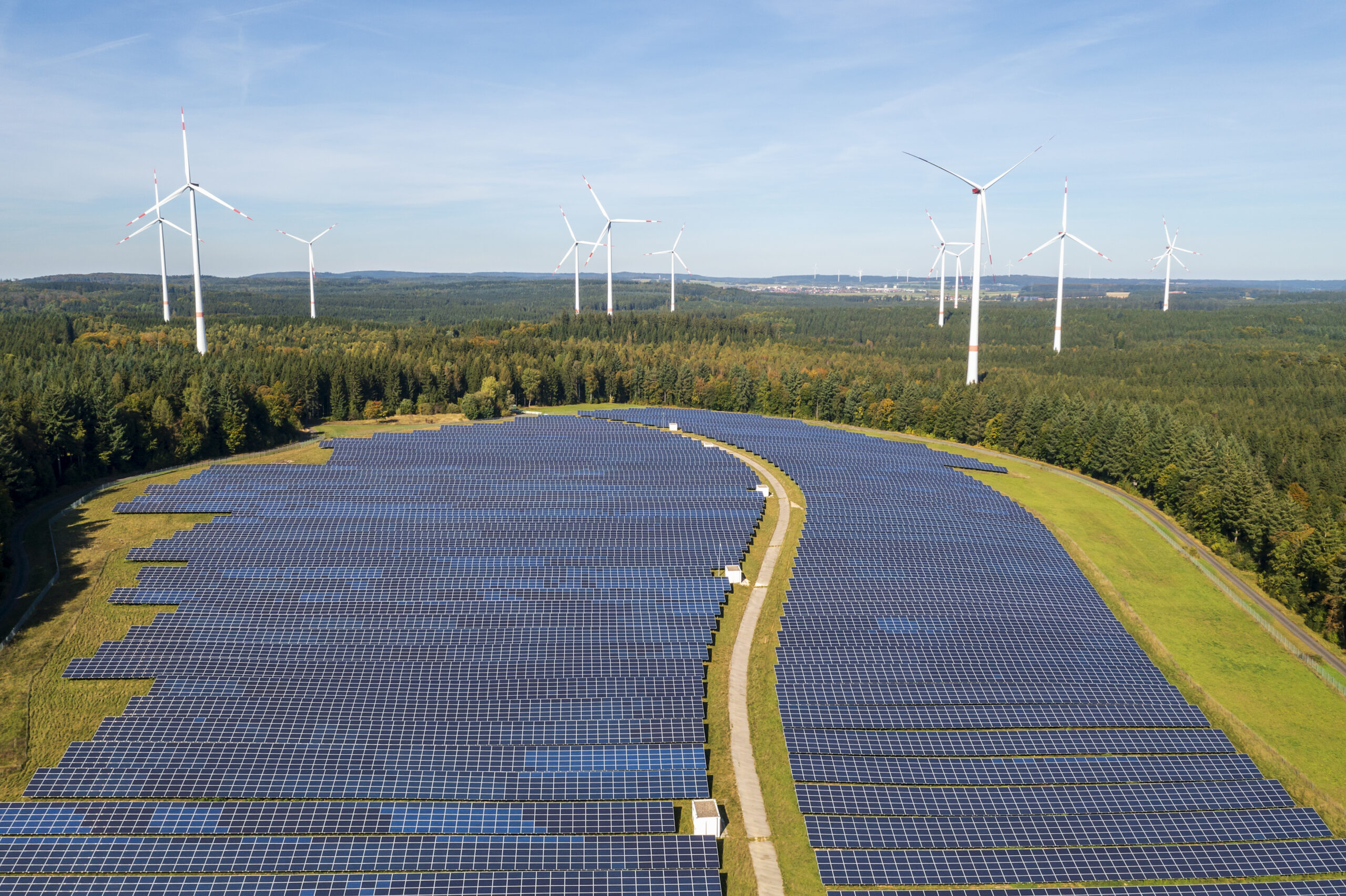
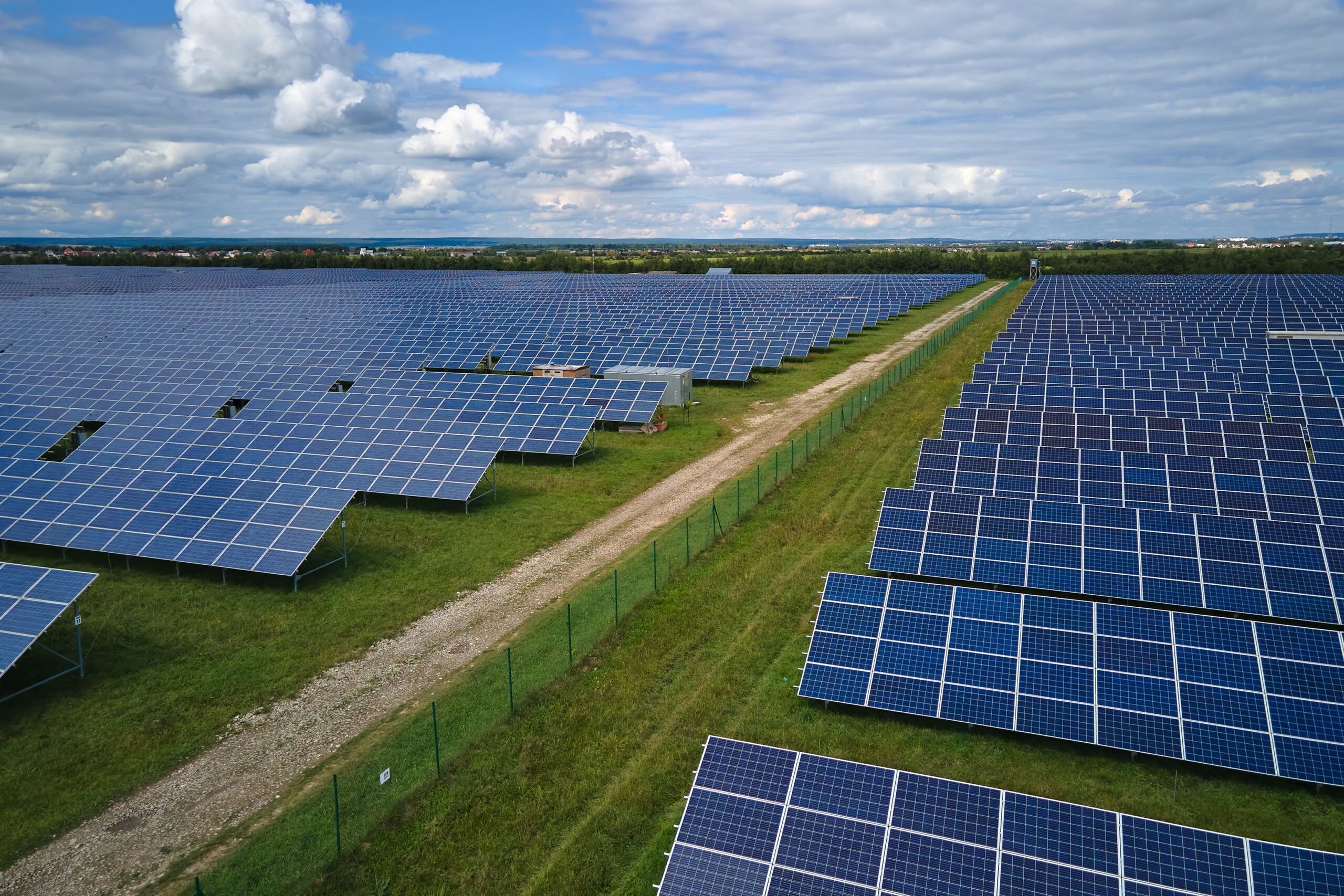
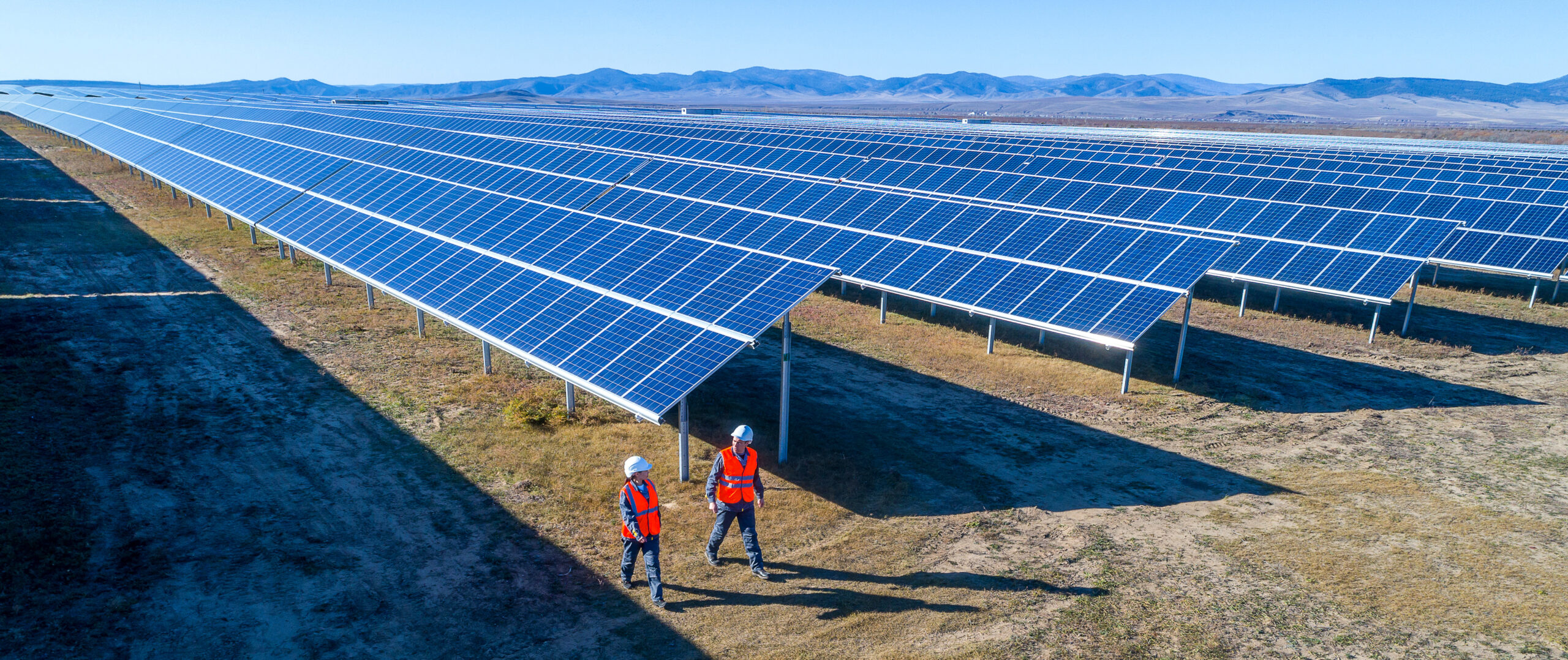
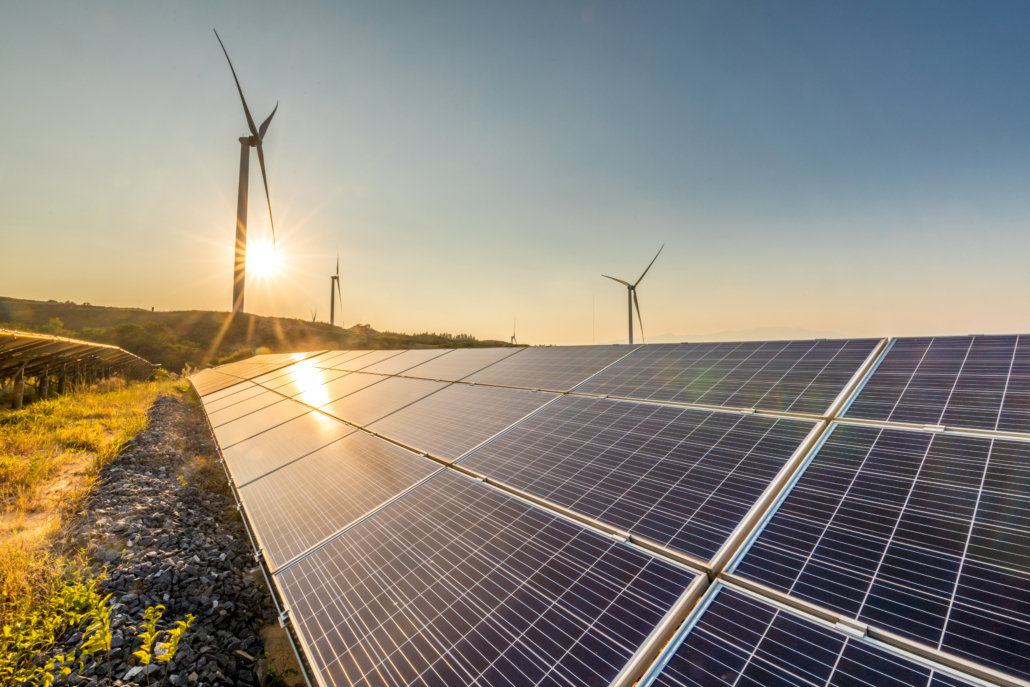
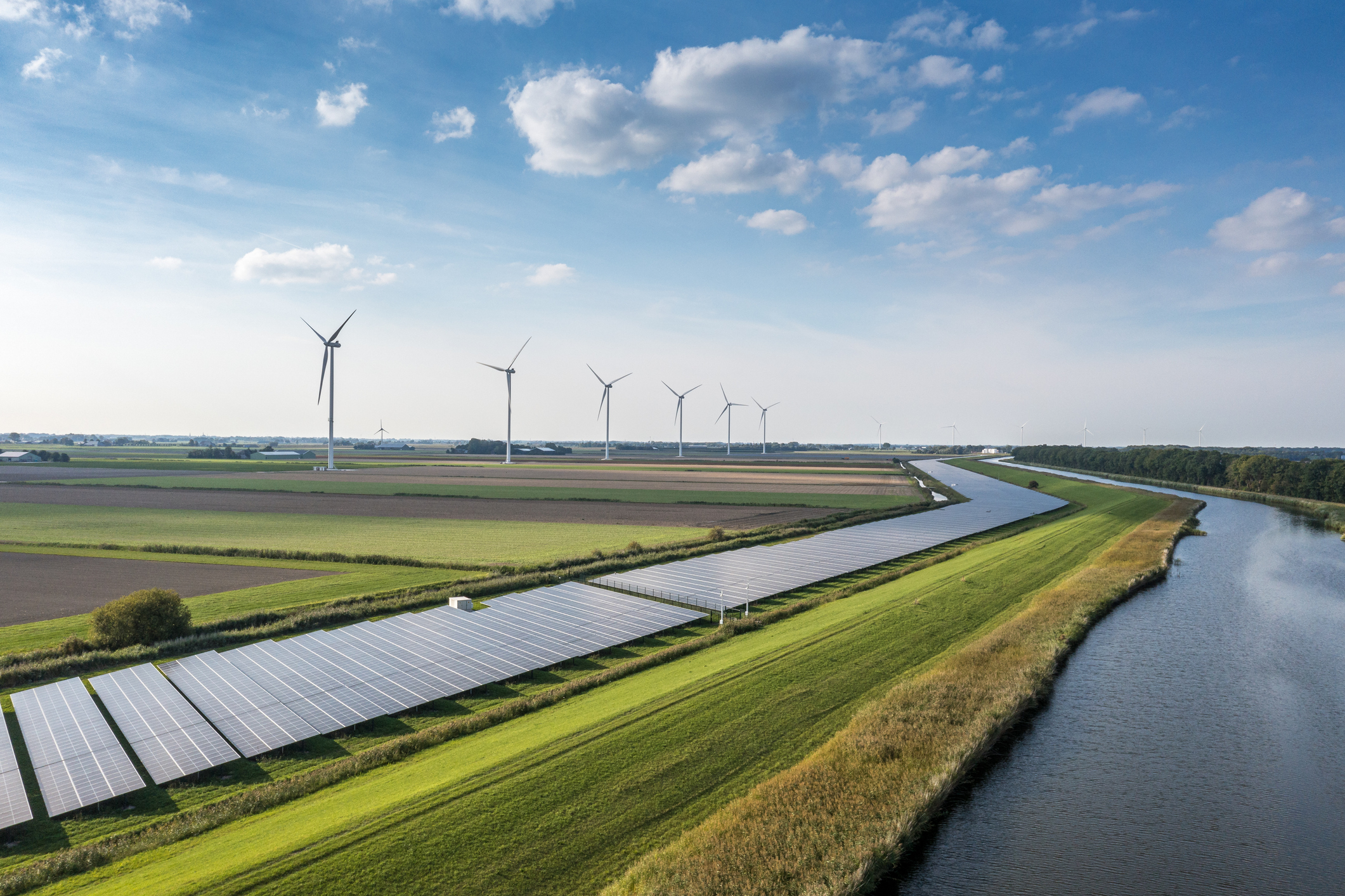
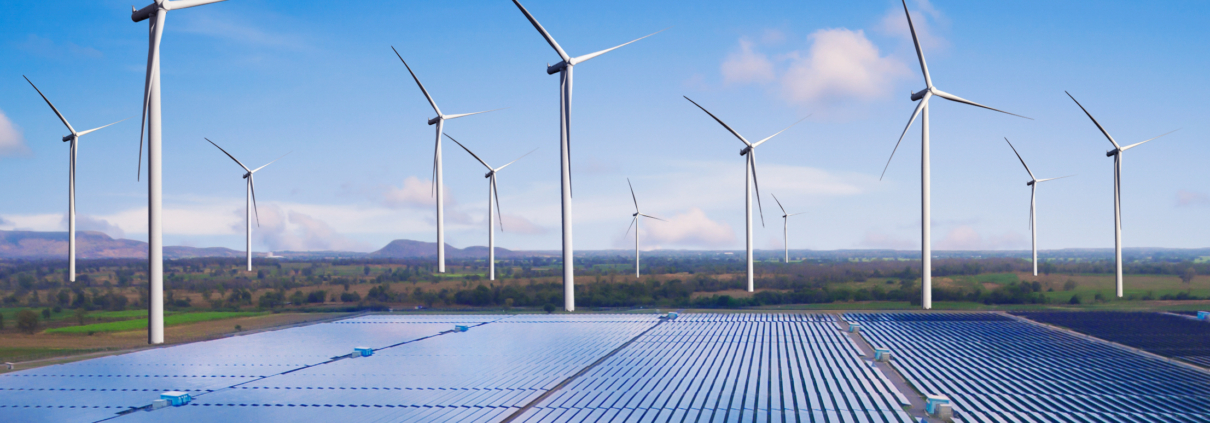
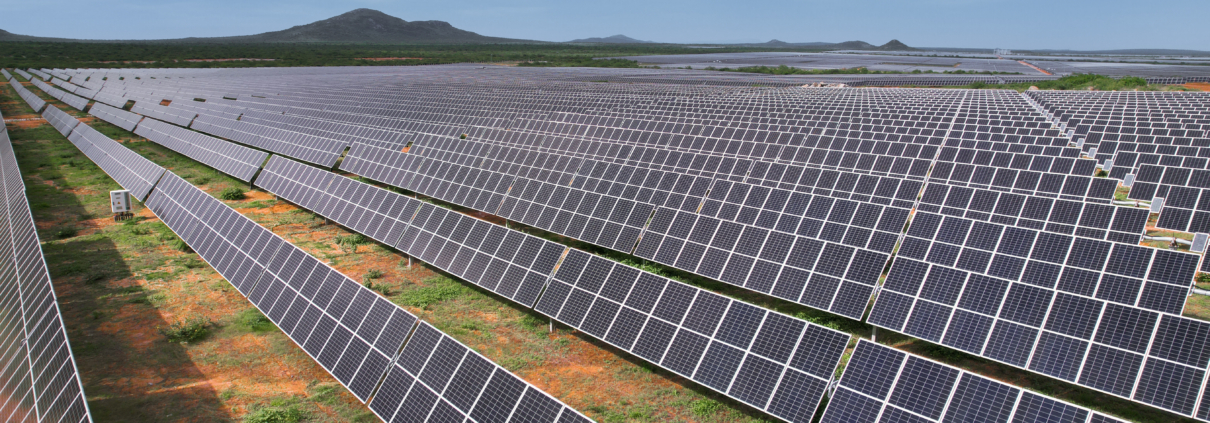
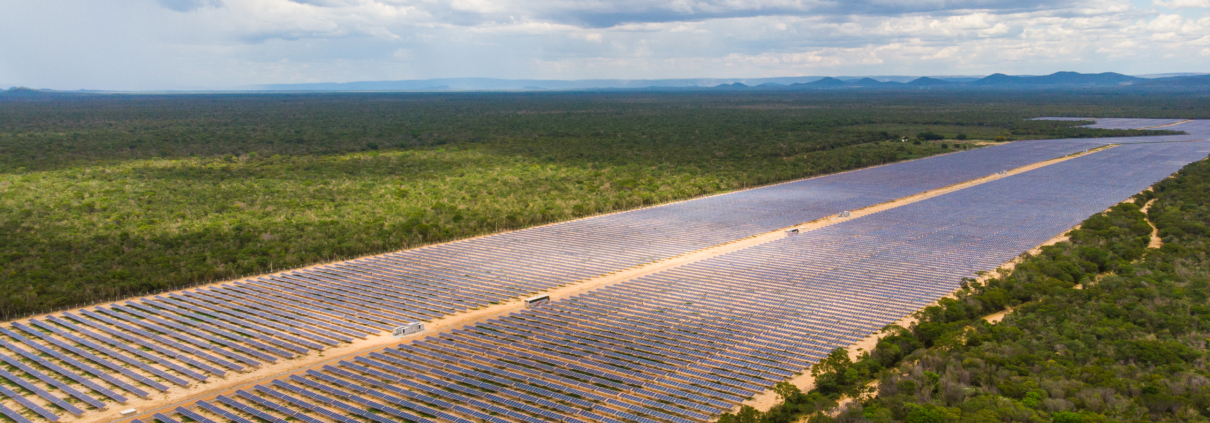
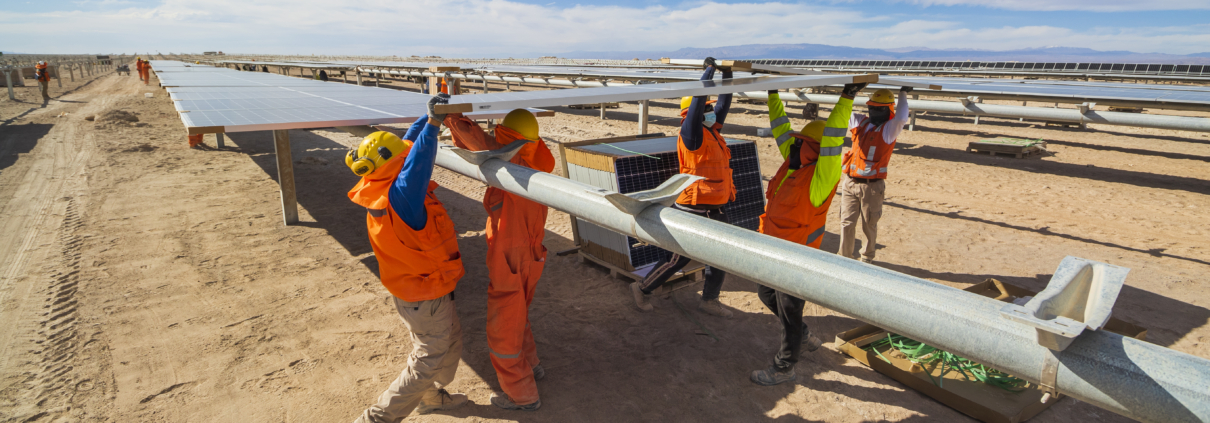
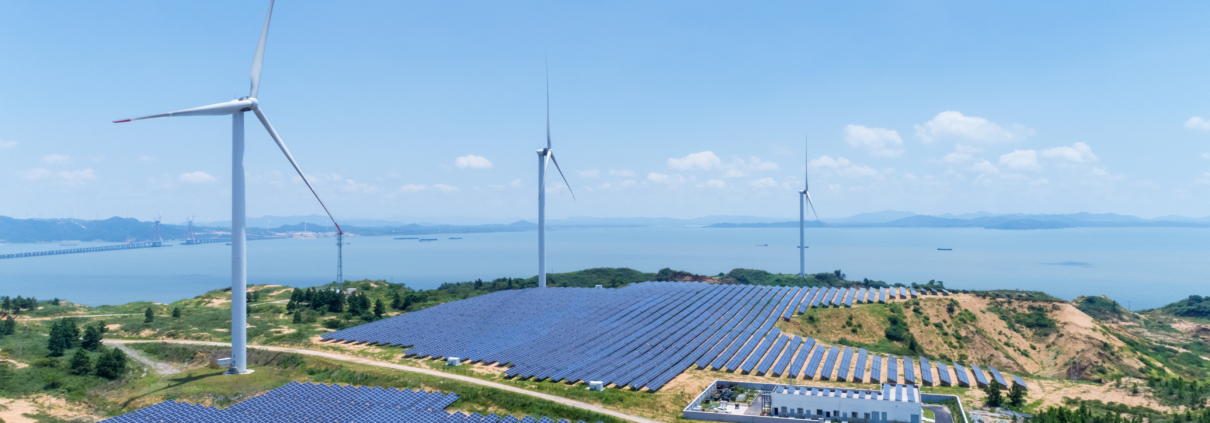
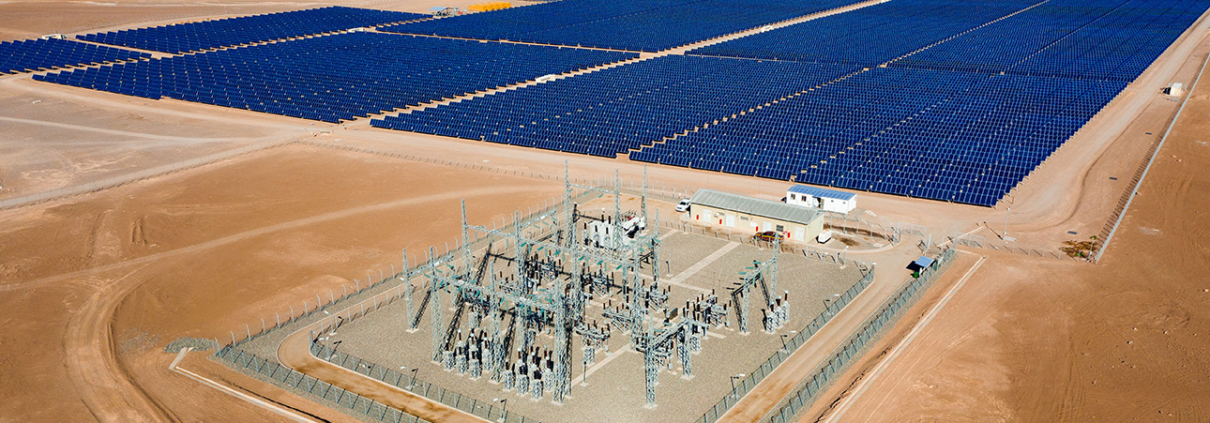
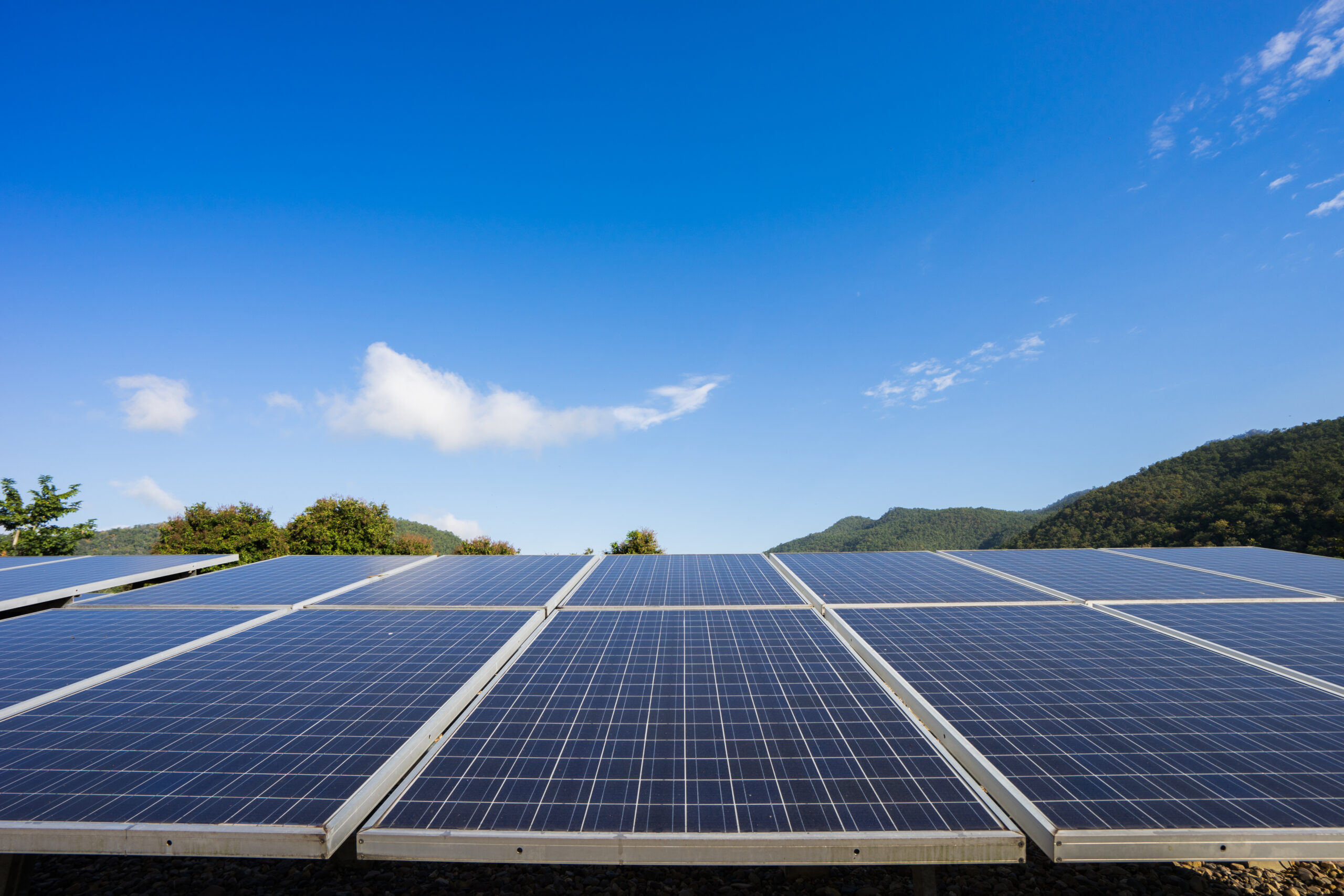
Renewable energy is an essential component of the circular economy concept because it addresses one of the main challenges of the linear economy: the reliance on finite and polluting resources, such as fossil fuels. The use of renewable energy sources, such as solar power, reduces the dependence on non-renewable resources and mitigates the environmental impact of energy production. This shift in energy production aligns with the circular economy’s goals, as it promotes the use of resources in a regenerative and sustainable way. 

Renewable energy also plays a crucial role in the circular economy by facilitating the adoption of circular business models. For example, renewable energy can be used to power the production of recycled materials, which are a critical component of circular production systems. Additionally, renewable energy can support the reuse of products by providing energy for remanufacturing and refurbishing. By using renewable energy sources, the circular economy can create a system that is more self-sufficient, reducing the need for virgin materials and non-renewable energy sources. 

Cognizant of this, several companies in the chemicals industry have already made significant strides in incorporating renewable energy into their operations. 

For example, Dow, which aims to obtain 750 MW of its power demand from renewable sources by 2025, has increased the proportion of its total renewable electricity consumption from approximately 13% in 2019 to more than 25% today. 

Covestro, a producer of high-performance plastics, has committed to becoming fully circular and is striving to become climate neutral by 2035 by converting its production sites to use renewable energy. 

Similarly, DSM, a global science-based company in nutrition, health, and sustainable living, has set a target to source 75% of its electricity from renewable sources by 2030. 

Other companies in the chemicals industry that have made significant progress in incorporating renewable energy into their operations include DuPont and BASF, among others. 

The way ahead 

While the chemical industry has made progress toward implementing circular economy principles, there is still much room for improvement. One potential solution to reducing the industry’s environmental impact is through a shift towards renewable energy, which is already being adopted by leading companies in the industry. 

Renewable energy enables the adoption of circular business models, reduces the environmental impact of energy production, and enables the decoupling of economic growth from resource consumption. At Atlas Renewable Energy, we believe that the adoption of renewable energy sources is essential to create a circular economy that is truly regenerative and sustainable. We work with companies in the chemicals industry to uncover new opportunities to reduce their environmental impact, helping to create a more sustainable future for the industry.

In partnership with Castleberry Media, we are committed to taking care of our planet, therefore, this content is responsible with the environment.

Share This Entry
More articles

October 06, 2025 Our point of view
Toward COP30: How Renewable Energy Is Rewriting Latin America’s Opportunity Set
October 05, 2025 Our point of view
Renewable Energy-Driven Data Centers: Shaping Mexico's Digital Future
October 05, 2025 Our point of view
The Food Industry and Energy Transition: A Recipe Toward Competitiveness
October 02, 2025 Our point of view
Chilean Mining Sector in Energy Transition: Perspectives and Key Insights Amid New European Regulations
September 23, 2025 Our point of view
Walking the Walk: Making Sustainability Tangible
July 23, 2025 Our point of view
Renewable Energy: The Strategic Choice for Energy Transition in Mining and Oil Operations
July 19, 2025 Our point of view
Innovation That Protects: How Atlas Embedded Health and Safety at the Core of Its Operational Excellence
June 17, 2025 Our point of view
How Renewable Energy Will Power Mexico's Economic Transformation by 2030
June 17, 2025 Our point of view
From Generation to Energy Consumption: The Private Sector's Role in the Energy Transition
May 28, 2025 Our point of view
Energy Trends in the Colombian Market
May 05, 2025 Our point of view
Q&A: Energy Buyer Transitioning Operations to Renewable Energy with Atlas
April 15, 2025 Our point of view
Sustainable Operations: Why Data Centers Are Turning to Renewables
April 15, 2025 Our point of view
The Power of PPAs: Renewable Energy in the Regional Automotive Industry

April 04, 2025 Our point of view
The Strategic Edge of Renewable Energy: Business Advantages
March 10, 2025 Our point of view
Powering AI's Revolution: the Renewable Energy Imperative

March 03, 2025 Our point of view
How BESS is Revolutionizing Latin America's Renewable Industry

February 24, 2025 Our point of view

Renewable Energy Drives Sustainability in the Food Industry

February 06, 2025 Our point of view
The Strategic Role of Storage in Latin America's Energy Transition
February 04, 2025 Our point of view
By the Numbers: Why Companies Are Choosing Renewable Energy Contracts
January 24, 2025 Our point of view
Energy Transition: Opportunities for Multinationals
January 11, 2025 Our point of view
The Multiple Benefits of Renewable Energy Consumption for Companies
November 21, 2024 Our point of view
Clean energy for data centers: the rise of PPAs as a secure solution
November 21, 2024 Our point of view
Operational Cost Optimization: The Strategic Role of PPAs Amidst the Rising Energy Prices
November 21, 2024 Our point of view
How Oil Companies Can Decarbonize Through PPA Contracts
October 30, 2024 Our point of view
Forging Strategic Alliances: Bridging the Gap Between O&G and Renewable Energy
October 16, 2024 Our point of view
The Role of Renewable PPAs in Mitigating Price Volatility
August 24, 2024 Our point of view
Why Are Telecoms Transitioning to Renewable Energy?
July 08, 2024 Our point of view
How are renewable energies transforming the Brazilian economy?
July 03, 2024 Our point of view
PPAs and Contract Structures: Tailoring Renewable Energy Procurement to Corporate Needs
June 25, 2024 Our point of view
Renewable Energies as Key Players in CFO Strategies
June 18, 2024 Our point of view
Colombia’s Roadmap: A Pathway to a Cleaner Energy Matrix
June 18, 2024 Our point of view
Atlas Renewable Energy's big bet on renewable energy development in Colombia.
June 17, 2024 Our point of view
The Pivotal Role of Renewable Energies in Mitigating El Niño's Impact in Colombia
June 17, 2024 Our point of view
Understand the limits of carbon capture in the energy transition
June 17, 2024 Our point of view
Understand the advantages of contracting renewable energy for your company
April 26, 2024 Our point of view
Navigating the Energy Transition: The Impact of COP 28 Agreements on Corporate Strategy
April 10, 2024 Our point of view
AI and its impact on renewable energy
April 09, 2024 Our point of view
Social License: The Crucial Factor in Ensuring a Responsible Energy Transition
February 16, 2024 Our point of view
How innovative technologies are driving the future of renewable energy
January 30, 2024 Our point of view
Is a Dollar-Based PPA Ideal for Achieving Your Company’s Sustainability Objectives?
January 24, 2024 Our point of view
How sustainable energy strategies can provide stability in uncertain times
December 12, 2023 Our point of view
Innovation in Corporate Clean Energy: Atlas Renewable Energy is Leading the Way in Latin America
November 09, 2023 Our point of view
Renewables and Storage: The perfect combination to meet energy demand
August 03, 2023 Our point of view
CLEAN ENERGY FOR THE ALUMINUM INDUSTRY
June 21, 2023 Our point of view
How renewable energy sources can contribute to the food industries sustainability journey
May 09, 2023 Our point of view
Powering the concrete and cement industry with renewable energy: A pathway to a just transition for the construction sector
May 09, 2023 Our point of view
Unlocking the full potential of renewable energy investment in partnership with development finance institutions
May 09, 2023 Our point of view
GREEN HYDROGEN: TOWARDS NET ZERO
April 26, 2023 Our point of view
Renewable energy: Making the circular economy happen in the chemicals industry
April 21, 2023 Our point of view
Atlas recognizes the development of renewable technologies in Latin America
March 27, 2023 Our point of view
How the surge in renewable energy investment is making it easier for companies to transition
February 24, 2023 Our point of view
IN CONVERSATION WITH ATLAS: HOW WE PARTNER WITH CLIENTS TO CREATE A REAL IMPACT
January 27, 2023 Our point of view
WHY COP27 IS MORE RELEVANT THAN EVER
January 12, 2023 Our point of view
What governments should take into account to make a real transition to renewable energies
December 13, 2022 Our point of view
Renewable Energy Trend Watch: Self-generation in Brazil
December 07, 2022 Our point of view
What you need to know about the rise of I-RECs in Brazil
October 18, 2022 Our point of view
How I-RECs can offer a new level of transparency as companies get real on climate change
September 26, 2022 Our point of view
What can renewable energy do for the mining sector?
August 29, 2022 Our point of view
How the Inflation Reduction Act could turbocharge the renewable energy sector
August 16, 2022 Our point of view
Power Purchase Agreements (PPAs): A Source of Stability in a Climate of Change
June 21, 2022 Our point of view
Web3 and the metaverse: an inflection point for the energy transition
June 07, 2022 Our point of view
What to look out for in a renewable energy contract
June 01, 2022 Our point of view
TOWARDS NET-ZERO INDUSTRIAL HUBS: THE ROLE OF RENEWABLE ENERGY
May 20, 2022 Our point of view
Avoiding Greenwashing and Make the Shift to True Sustainability
April 06, 2022 Our point of view
Closing the green divide in the tech industry
March 18, 2022 Our point of view
How renewables can help feed the world without overwhelming the planet
February 24, 2022 Our point of view
Ensuring the triple bottom line for your renewable energy strategy: the biggest return on investment
February 23, 2022 Our point of view
The vital role corporations play in achieving the COP26 commitments
December 20, 2021 Our point of view
How generating sustainable change at scale leads to positive tangible environmental and consumer impact
December 20, 2021 Our point of view
Diversity and Inclusion: The Atlas Perspective
October 28, 2021 Our point of view
COP26: What corporations should know
October 27, 2021 Our point of view
LAGGARDS AND LEADERS: CLOSING THE GAP IN THE TRANSITION TO RENEWABLE ENERGY
October 26, 2021 Our point of view
MAKING CIRCULAR ECONOMY HAPPEN
October 08, 2021 Our point of view
WHY GREEN HYDROGEN IS PART OF THE ENERGY MATRIX OF THE FUTURE
October 06, 2021 Our point of view
WHY COVERING THE ENERGY NEEDS OF DIGITALIZATION SUSTAINABLY IS IMPORTANT
July 07, 2021 Our point of view
ELECTRIC VEHICLES AND RENEWABLE ENERGY: A PERFECT MATCH
July 01, 2021 Our point of view
MAKING IT COUNT: DIVERSITY, INCLUSION, AND SOCIAL DEVELOPMENT IN RENEWABLE ENERGY
July 01, 2021 Our point of view
SUSTAINABLE LEADERSHIP: FROM WORDS TO ACTION
June 30, 2021 Our point of view
WHY WE’RE STILL OPTIMISTIC ABOUT FIGHTING CLIMATE CHANGE
May 10, 2021 Our point of view
RENEWABLE ENERGY IS AT ITS BEST: SOLAR SHINES BRIGHT
May 07, 2021 Our point of view
WHAT THE LEADERS SUMMIT ON CLIMATE MEANS FOR CORPORATIONS
March 30, 2021 Our point of view
CARBON PRICING IS INEVITABLE – DON’T BE CAUGHT OUT
March 29, 2021 Our point of view
A SYSTEMIC VIEW OF DIVERSITY AND INCLUSION
March 18, 2021 Our point of view
BIDEN’S PLAN: RENEWABLES ON THE RISE IN THE US
March 15, 2021 Our point of view
THE NEW GREEN CONSUMER: HOW EMERGING TRENDS ARE SHAPING SUSTAINABILITY INITIATIVES
March 15, 2021 Our point of view
WHY INVESTORS ARE FLOCKING TO THE RENEWABLES SECTOR
February 19, 2021 Our point of view
2021: BEYOND THE INFLECTION POINT FOR RENEWABLE ENERGY
December 14, 2020 Our point of view
Corporate sustainability: is your company doing enough?
November 20, 2020 Our point of view
Creating renewable energy success stories: experience in the chemical sector
November 12, 2020 Our point of view
How ESG is taking center stage in Latin America
October 16, 2020 Our point of view
Joining forces: Why you should look for innovation in your solar energy partner
August 21, 2020 Our point of view
Why now is the time to invest in Latin America’s renewables market
August 20, 2020 Our point of view
Gaining certainty in uncertain times: the impact of renewables on energy-intensive industries in Latin America
July 20, 2020 Our point of view
How renewable energy project execution is powering ahead despite Covid-19
July 06, 2020 Our point of view
7 factors influencing the renewables market in Latin America
June 03, 2020 Our point of view
The rise of corporate PPAS in Latin America
May 11, 2020 Our point of view
Can renewable energy power Latin America’s recovery after Covid-19?
February 02, 2020 Our point of view
Atlas Renewable Energy’s innovative approach to renewable energy
February 02, 2020 Our point of view
Education and Solar Energy go hand in hand in rural Mexico
June 18, 2019 Our point of view
Why are large mining companies embracing Solar Energy?
May 17, 2019 Our point of view
How financial innovation can drive the growth of renewables in Latam