
Atlas logo Atlas logo

Operational Cost Optimization: The Strategic Role of PPAs Amidst the Rising Energy Prices

November 21, 2024 Press Releases

Visionary companies adopt renewable energy and PPAs to secure stable and competitive costs, ensuring a sustainable advantage in a volatile and uncertain global market.

Currently, companies’ operating costs (OPEX) are being affected by external factors such as climate-induced disasters, geopolitical tensions, and escalating international logistics costs. 

Companies operating in nations heavily dependent on hydroelectric power face particularly acute challenges during drought periods. Brazil’s experience in September 2021 serves as a stark illustration: the country endured its most severe drought in nine decades, precipitating a 52% surge in electricity costs. More recently, in April 2024, Colombia witnessed the El Niño phenomenon driving average energy prices to 988.59 pesos per kWh (≈ $0.256 USD/kWh), a nearly fourfold increase from the 2023 rate of 231.53 pesos per kWh (≈ $0.060 USD/kWh).

While climatic events often have localized impacts, geopolitical tensions engender global repercussions. The conflict in Eastern Europe, which erupted in early 2022, catalyzed supply chain disruptions, inflationary pressures, and energy price volatility. Russia’s position as a key supplier of oil, gas, and metals, coupled with Ukraine’s significant role in global wheat and corn production, pushed oil prices beyond USD100 per barrel. This surge reverberated through electricity markets, substantially impacting operational costs across industries worldwide.

Since the beginning of this year, rising tensions in the Middle East have been driving up oil prices. On August 7, 2024 U.S. West Texas Intermediate (WTI) crude futures surged by 3.1% to USD 75.47 per barrel, while Brent rose 0.6% to USD 78.53. According to a World Bank analysis, if the conflict in the region intensifies further, prices could double, pushing per-barrel costs to between USD 140 and USD 157, as global oil supply could drop by 6 to 8 million barrels per day.

This situation is causing concern among companies about a new spike in prices impacting their operating costs, but they could adopt an alternative that many have already embraced in 2022: Signing long-term renewable energy Power Purchase Agreements (PPAs). 

A BloombergNEF report revealed that global PPA contracts surged by 18% in 2022 compared to the previous year, achieving a record 36.7 GW, of which 24.1 GW we agreed upon across the Americas, reflecting robust growth in both the U.S. and Latin American markets.

PPAs offer buyers the strategic advantage of locking in energy rates for extended periods, providing enhanced cost predictability and granular control over energy consumption patterns. Therefore, PPAs present an effective hedge against energy market price volatility. 

Moreover, PPA prices often prove more competitive than average daily energy market prices. For instance, the consulting firm Pexapark reported that in July 2024, European PPA contracts averaged 50.1 euros per MWh, while Spain’s average energy market price, as reported by energy operator OMIE, stood at 57.1 euros per MWh for the same period.

Modernizing Consumption and Aligning with Environmental Commitments

Corporations are focusing on modernizing their energy consumption profiles by strategically electrifying their operational processes. By transitioning from fossil fuel-based infrastructure to electric alternatives powered by PPAs, companies can optimize demand management, stabilize costs, and reduce their carbon footprint. 

Electrifying operations also leads to reduced costs, including maintenance saving, as electric equipment is generally more efficient than conventional systems, according to a report by PwC. An example of this is that electric heat pumps are three to five times more efficient than natural gas boilers, and electric vehicles are 4.4 times more efficient than gasoline-powered cars.

In Latin America, CO2 emission reduction can yield tangible operational cost benefits which directly contributes to lowering operational costs. Some countries in Latam have implemented carbon taxes as part of their climate change mitigation strategies. For example, Chile introduced a carbon tax in 2017, initially set at USD 5 per metric ton of CO2; Colombia has applied a similar tax since 2016, charging approximately USD 5 per metric ton of CO2 emissions from fossil fuels, although companies can offset this cost by purchasing carbon credits from national projects. Mexico introduced a carbon tax in 2013, targeting CO2 emissions exceeding a set threshold, with a cap of 3% of the resource’s value. Mexico is also developing an emissions trading system (ETS), which has been in its pilot phase since 2019.

In Brazil, a voluntary market exists for trading carbon credits, where companies with voluntary corporate emission reduction goals buy and sell credits. Argentina is implementing a similar scheme.

By strategically increasing renewable energy consumption, corporations can capitalize on tax incentives while enhancing their reputational capital in an era where climate change mitigation is a global imperative. 

It is important to highlight that reducing CO2 emissions is of critical global relevance, as the acceleration of climate change is advancing at an unprecedented rate. Experts warn that global warming is already on the verge of exceeding the 1.5°C increase since the pre-industrial era, a temperature set as the maximum in the Paris Agreement.

This is why the majority of Latin American and Caribbean states committed, at the most recent climate summit (COP 28), to reducing emissions. Another guideline set by COP 28 was the adoption of a holistic approach to combating climate change, actively involving companies in decarbonization efforts through sustainable practices and the development of environmental, social, and governance (ESG) policies.

As a result, one of the most effective options is the integration of renewable energy sources through power purchase agreements (PPAs). These contracts provide a competitive advantage not only from a reputational standpoint but also by stabilizing costs and reducing expenses related to compliance and voluntary carbon markets.

 Leveraging Battery Technology for Enhanced Efficiency and Grid Stability

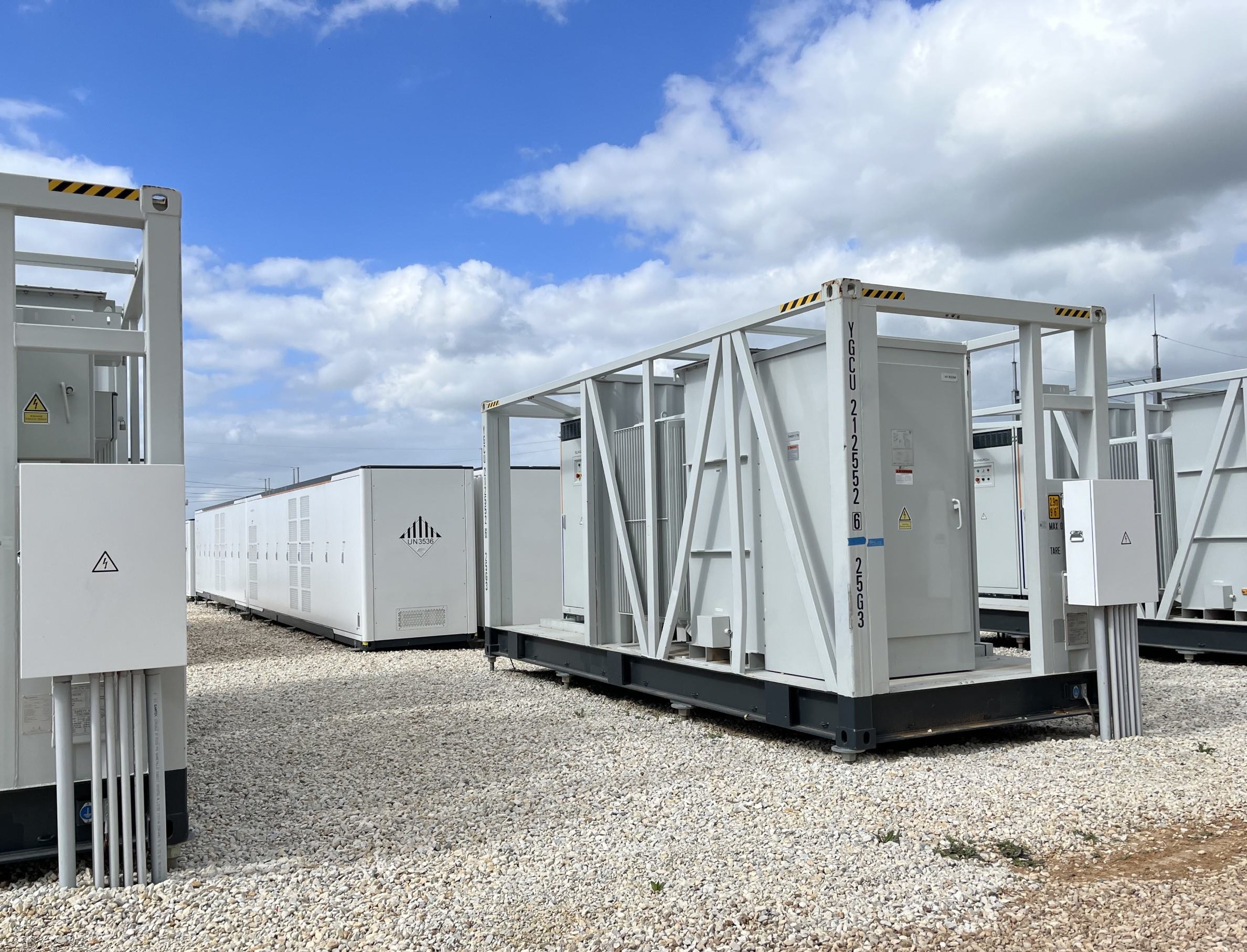
Power Purchase Agreements (PPAs) not only offer substantial cost reductions and financial predictability but also deliver a critical advantage: supply reliability. This is accomplished through the implementation of Battery Energy Storage Systems (BESS), which energy corporations are integrating into existing renewable infrastructure, either through hybridization or as independent grid-interactive installations (stand-alone).

This type of investment is crucial to managing the variability of renewable energy sources and ensuring that power providers can deliver uninterrupted and dependable supply to their clients. 

A prime illustration is Atlas Renewables Energy storage’s projects in Chile in 2024. On one hand, the company committed to supply the state-owned mining company Codelco with around 375 GWh per year from 2026, over a 15-year period. On the other hand, Atlas also signed a 15-year contract with fuel distributor Copec, through its energy marketing subsidiary, Emoac, to reinject approximately 280 GWh annually into the grid.

BESS technology is considered one of the key solutions for addressing the challenges of consumption optimization and waste reduction. These sophisticated systems enable the capture of surplus energy during low-demand periods for subsequent release during peak consumption, thereby mitigating price volatility and improving the reliability of the power grid.

The versatility of BESS technology positions it as an integral component in various applications, including peak load management, self-consumption optimization, and emergency power provision during supply interruptions. 

The deployment of battery storage infrastructure is necessary to achieving flexible and resilient energy networks and represents a cornerstone of renewable energy generation, consistently supporting global energy demands.

Conclusion

Energy price volatility, precipitated by external factors such as natural calamities or geopolitical tensions, can substantially impact corporate operating expenses. Consequently, it is imperative for enterprises to engage in Power Purchase Agreements (PPAs) with renewable energy providers to stabilize costs at competitive, long-term rates.

This strategic mechanism enables companies to hedge against dramatic energy price escalations and incentivizes the electrification of consumption patterns by phasing out fossil fuel-dependent infrastructure. Such initiatives not only facilitate superior demand management but also yield significant reductions in CO2 emissions. These contributions are crucial, not merely for enhancing corporate reputation in an era of heightened climate consciousness, but also as a proactive measure to mitigate exposure to carbon taxation. Several nations, including Chile, Colombia, Mexico, and Brazil, have already implemented carbon pricing mechanisms, and whose steps are being followed by Argentina.

Furthermore, corporations now have access to innovative PPA structures backed by renewable sources and backed up by battery storage systems, ensuring constant power supply at predetermined rates. This arrangement is particularly advantageous for energy-intensive industries requiring uninterrupted power supply.

PPAs are an effective solution for achieving sustainability goals and reducing carbon footprints. They stand as the preeminent alternative for realizing the sustainable transformation to which companies are increasingly committing. These contracts enhance predictability, ensure price stability, and guarantee reliable energy supply—all critical factors for the sustained development and growth of any enterprise.

This article was created in partnership with Castleberry Media. At Castleberry Media, we are dedicated to environmental sustainability. By purchasing Carbon Certificates for tree planting, we actively combat deforestation and offset our CO₂ emissions threefold.

Share This Entry

More articles

October 06, 2025 Our point of view
Toward COP30: How Renewable Energy Is Rewriting Latin America’s Opportunity Set
October 05, 2025 Our point of view
Renewable Energy-Driven Data Centers: Shaping Mexico's Digital Future
October 05, 2025 Our point of view
The Food Industry and Energy Transition: A Recipe Toward Competitiveness

October 02, 2025 Our point of view
Chilean Mining Sector in Energy Transition: Perspectives and Key Insights Amid New European Regulations
September 23, 2025 Our point of view
Walking the Walk: Making Sustainability Tangible
July 23, 2025 Our point of view
Renewable Energy: The Strategic Choice for Energy Transition in Mining and Oil Operations
July 19, 2025 Our point of view
Innovation That Protects: How Atlas Embedded Health and Safety at the Core of Its Operational Excellence
June 17, 2025 Our point of view
How Renewable Energy Will Power Mexico's Economic Transformation by 2030
June 17, 2025 Our point of view
From Generation to Energy Consumption: The Private Sector's Role in the Energy Transition
May 28, 2025 Our point of view
Energy Trends in the Colombian Market
May 05, 2025 Our point of view
Q&A: Energy Buyer Transitioning Operations to Renewable Energy with Atlas
April 15, 2025 Our point of view
Sustainable Operations: Why Data Centers Are Turning to Renewables
April 15, 2025 Our point of view
The Power of PPAs: Renewable Energy in the Regional Automotive Industry

April 04, 2025 Our point of view
The Strategic Edge of Renewable Energy: Business Advantages
March 10, 2025 Our point of view
Powering AI's Revolution: the Renewable Energy Imperative

March 03, 2025 Our point of view
How BESS is Revolutionizing Latin America's Renewable Industry

February 24, 2025 Our point of view

Renewable Energy Drives Sustainability in the Food Industry

February 06, 2025 Our point of view
The Strategic Role of Storage in Latin America's Energy Transition
February 04, 2025 Our point of view
By the Numbers: Why Companies Are Choosing Renewable Energy Contracts
January 24, 2025 Our point of view
Energy Transition: Opportunities for Multinationals
January 11, 2025 Our point of view
The Multiple Benefits of Renewable Energy Consumption for Companies
November 21, 2024 Our point of view
Clean energy for data centers: the rise of PPAs as a secure solution
November 21, 2024 Our point of view
Operational Cost Optimization: The Strategic Role of PPAs Amidst the Rising Energy Prices
November 21, 2024 Our point of view
How Oil Companies Can Decarbonize Through PPA Contracts
October 30, 2024 Our point of view
Forging Strategic Alliances: Bridging the Gap Between O&G and Renewable Energy
October 16, 2024 Our point of view
The Role of Renewable PPAs in Mitigating Price Volatility
August 24, 2024 Our point of view
Why Are Telecoms Transitioning to Renewable Energy?
July 08, 2024 Our point of view
How are renewable energies transforming the Brazilian economy?
July 03, 2024 Our point of view
PPAs and Contract Structures: Tailoring Renewable Energy Procurement to Corporate Needs
June 25, 2024 Our point of view
Renewable Energies as Key Players in CFO Strategies
June 18, 2024 Our point of view
Colombia’s Roadmap: A Pathway to a Cleaner Energy Matrix
June 18, 2024 Our point of view
Atlas Renewable Energy's big bet on renewable energy development in Colombia.
June 17, 2024 Our point of view
The Pivotal Role of Renewable Energies in Mitigating El Niño's Impact in Colombia
June 17, 2024 Our point of view
Understand the limits of carbon capture in the energy transition
June 17, 2024 Our point of view
Understand the advantages of contracting renewable energy for your company
April 26, 2024 Our point of view
Navigating the Energy Transition: The Impact of COP 28 Agreements on Corporate Strategy
April 10, 2024 Our point of view
AI and its impact on renewable energy
April 09, 2024 Our point of view
Social License: The Crucial Factor in Ensuring a Responsible Energy Transition
February 16, 2024 Our point of view
How innovative technologies are driving the future of renewable energy
January 30, 2024 Our point of view
Is a Dollar-Based PPA Ideal for Achieving Your Company’s Sustainability Objectives?
January 24, 2024 Our point of view
How sustainable energy strategies can provide stability in uncertain times
December 12, 2023 Our point of view
Innovation in Corporate Clean Energy: Atlas Renewable Energy is Leading the Way in Latin America
November 09, 2023 Our point of view
Renewables and Storage: The perfect combination to meet energy demand
August 03, 2023 Our point of view
CLEAN ENERGY FOR THE ALUMINUM INDUSTRY
June 21, 2023 Our point of view
How renewable energy sources can contribute to the food industries sustainability journey
May 09, 2023 Our point of view
Powering the concrete and cement industry with renewable energy: A pathway to a just transition for the construction sector
May 09, 2023 Our point of view
Unlocking the full potential of renewable energy investment in partnership with development finance institutions
May 09, 2023 Our point of view
GREEN HYDROGEN: TOWARDS NET ZERO
April 26, 2023 Our point of view
Renewable energy: Making the circular economy happen in the chemicals industry
April 21, 2023 Our point of view
Atlas recognizes the development of renewable technologies in Latin America
March 27, 2023 Our point of view
How the surge in renewable energy investment is making it easier for companies to transition
February 24, 2023 Our point of view
IN CONVERSATION WITH ATLAS: HOW WE PARTNER WITH CLIENTS TO CREATE A REAL IMPACT
January 27, 2023 Our point of view
WHY COP27 IS MORE RELEVANT THAN EVER
January 12, 2023 Our point of view
What governments should take into account to make a real transition to renewable energies
December 13, 2022 Our point of view
Renewable Energy Trend Watch: Self-generation in Brazil
December 07, 2022 Our point of view
What you need to know about the rise of I-RECs in Brazil
October 18, 2022 Our point of view
How I-RECs can offer a new level of transparency as companies get real on climate change
September 26, 2022 Our point of view
What can renewable energy do for the mining sector?
August 29, 2022 Our point of view
How the Inflation Reduction Act could turbocharge the renewable energy sector
August 16, 2022 Our point of view
Power Purchase Agreements (PPAs): A Source of Stability in a Climate of Change
June 21, 2022 Our point of view
Web3 and the metaverse: an inflection point for the energy transition
June 07, 2022 Our point of view
What to look out for in a renewable energy contract
June 01, 2022 Our point of view
TOWARDS NET-ZERO INDUSTRIAL HUBS: THE ROLE OF RENEWABLE ENERGY
May 20, 2022 Our point of view
Avoiding Greenwashing and Make the Shift to True Sustainability
April 06, 2022 Our point of view
Closing the green divide in the tech industry
March 18, 2022 Our point of view
How renewables can help feed the world without overwhelming the planet
February 24, 2022 Our point of view
Ensuring the triple bottom line for your renewable energy strategy: the biggest return on investment
February 23, 2022 Our point of view
The vital role corporations play in achieving the COP26 commitments
December 20, 2021 Our point of view
How generating sustainable change at scale leads to positive tangible environmental and consumer impact
December 20, 2021 Our point of view
Diversity and Inclusion: The Atlas Perspective
October 28, 2021 Our point of view
COP26: What corporations should know
October 27, 2021 Our point of view
LAGGARDS AND LEADERS: CLOSING THE GAP IN THE TRANSITION TO RENEWABLE ENERGY
October 26, 2021 Our point of view
MAKING CIRCULAR ECONOMY HAPPEN
October 08, 2021 Our point of view
WHY GREEN HYDROGEN IS PART OF THE ENERGY MATRIX OF THE FUTURE
October 06, 2021 Our point of view
WHY COVERING THE ENERGY NEEDS OF DIGITALIZATION SUSTAINABLY IS IMPORTANT
July 07, 2021 Our point of view
ELECTRIC VEHICLES AND RENEWABLE ENERGY: A PERFECT MATCH
July 01, 2021 Our point of view
MAKING IT COUNT: DIVERSITY, INCLUSION, AND SOCIAL DEVELOPMENT IN RENEWABLE ENERGY
July 01, 2021 Our point of view
SUSTAINABLE LEADERSHIP: FROM WORDS TO ACTION
June 30, 2021 Our point of view
WHY WE’RE STILL OPTIMISTIC ABOUT FIGHTING CLIMATE CHANGE
May 10, 2021 Our point of view
RENEWABLE ENERGY IS AT ITS BEST: SOLAR SHINES BRIGHT
May 07, 2021 Our point of view
WHAT THE LEADERS SUMMIT ON CLIMATE MEANS FOR CORPORATIONS
March 30, 2021 Our point of view
CARBON PRICING IS INEVITABLE – DON’T BE CAUGHT OUT
March 29, 2021 Our point of view
A SYSTEMIC VIEW OF DIVERSITY AND INCLUSION
March 18, 2021 Our point of view
BIDEN’S PLAN: RENEWABLES ON THE RISE IN THE US
March 15, 2021 Our point of view
THE NEW GREEN CONSUMER: HOW EMERGING TRENDS ARE SHAPING SUSTAINABILITY INITIATIVES
March 15, 2021 Our point of view
WHY INVESTORS ARE FLOCKING TO THE RENEWABLES SECTOR
February 19, 2021 Our point of view
2021: BEYOND THE INFLECTION POINT FOR RENEWABLE ENERGY
December 14, 2020 Our point of view
Corporate sustainability: is your company doing enough?
November 20, 2020 Our point of view
Creating renewable energy success stories: experience in the chemical sector
November 12, 2020 Our point of view
How ESG is taking center stage in Latin America
October 16, 2020 Our point of view
Joining forces: Why you should look for innovation in your solar energy partner
August 21, 2020 Our point of view
Why now is the time to invest in Latin America’s renewables market
August 20, 2020 Our point of view
Gaining certainty in uncertain times: the impact of renewables on energy-intensive industries in Latin America
July 20, 2020 Our point of view
How renewable energy project execution is powering ahead despite Covid-19
July 06, 2020 Our point of view
7 factors influencing the renewables market in Latin America
June 03, 2020 Our point of view
The rise of corporate PPAS in Latin America
May 11, 2020 Our point of view
Can renewable energy power Latin America’s recovery after Covid-19?
February 02, 2020 Our point of view
Atlas Renewable Energy’s innovative approach to renewable energy
February 02, 2020 Our point of view
Education and Solar Energy go hand in hand in rural Mexico
June 18, 2019 Our point of view
Why are large mining companies embracing Solar Energy?
May 17, 2019 Our point of view
How financial innovation can drive the growth of renewables in Latam