
Atlas logo Atlas logo

Navigating the Energy Transition: The Impact of COP 28 Agreements on Corporate Strategy

April 26, 2024 Press Releases

Under the new Dubai Agreement, a mandate to triple renewable energy installations by 2030 positions businesses at the forefront of decarbonization efforts. Companies now have the unique opportunity to lead through clean, competitively priced Power Purchase Agreements (PPAs), shaping the future of global energy markets.

At the recent Conference of the Parties to the United Nations Framework Convention on Climate Change (COP 28), held from November 30 to December 12, 2023, in Dubai, 198 countries ratified the Dubai Agreement. This marked a pivotal shift, with fossil fuels explicitly acknowledged in the final document as beginning their phase-out.

The conference set ambitious targets: tripling global renewable energy capacity to 11 terawatts, doubling the rate of energy efficiency improvement annually from 2% to 4% by 2030, and committing to a significant reduction in coal usage. Moreover, the agreement promotes the replacement of coal with zero- and low-emission technologies and underscores the need for swift adoption of zero- and low-emission vehicles to expedite decarbonization.

Signatories also pledged to eliminate fossil fuel subsidies that fail to address energy poverty or support the transition, aiming to catalyze action this decade to reach net zero emissions by 2050. However, the absence of specific commitments to reduce oil, gas, and coal usage casts some doubt on the effectiveness of these measures in achieving the Paris Agreement’s goal of capping global warming at 1.5°C by the century’s end.

According to the UN Global Pact, achieving the 1.5°C target necessitates a 43% reduction in global greenhouse gas emissions by 2030, and a 60% reduction by 2035 relative to 2019 levels, leading to net zero carbon dioxide emissions by 2050. Contrasting this, the World Wildlife Fund, Inc. (WWF) highlights a concerning forecast based on current Nationally Determined Contributions (NDCs), projecting only a 14% reduction by 2030—substantially less than required.

Adding complexity, OPEC forecasts an uptick in oil demand, with global consumption projected to rise by 2.2% in 2024, reaching an average of 104.4 million barrels per day, up from 102.1 million in 2023. The United States is expected to see a modest 1% increase in 2024 and 1.5% in 2025, while the Eurozone is anticipated to experience smaller increments of 0.5% and 1.2%, respectively. Moreover, China, a major oil consumer, is not only ramping up domestic production but also boosting imports, strategically bolstering its reserves for future years.

Financing the Battle Against Climate Change: A Core Debate at COP 28

One of the primary debates at COP 28 revolved around financing to boost the fight against climate change.

In this regard, the Green Climate Fund (GCF) received a new boost: six countries pledged to contribute to its financing, bringing pledges to a record $12.8 billion from 31 countries; new contributions are also expected.

In addition, eight governments announced grants totaling US$174 million for the Least Developed Countries Fund and the Special Climate Change Fund, and nearly US$188 million in new contributions to the Adaptation Fund were also committed.

However, the UN Climate Change warns that the billions of dollars needed to support developing countries in the transition to clean energy are still a long way off. To achieve this financing, the Global Compact highlights the importance of reforming the multilateral financial architecture and accelerating the creation of new and innovative sources of finance.

The Economic Commission for Latin America and the Caribbean (ECLAC), in its study entitled “Economics of Climate Change in Latin America and the Caribbean 2023: Financing Needs and Policy Tools for the Transition to Low-Carbon and Climate-Resilient Economies,” indicates that meeting climate action commitments requires an investment of between 3.7% and 4.9% of regional GDP per year until 2030. By comparison, in 2020, climate finance in Latin America and the Caribbean accounted for only 0.5% of regional GDP. Therefore, closing the climate finance gap requires increasing domestic and international resource mobilization by seven to ten times.

The private sector’s role in the energy transition

Providing financial support to the private sector could be an option for advancing decarbonization. The objective is for clean energy producers to move forward with their projects and offer renewable electricity supply at competitive prices. Instruments such as the Green Climate Fund, credit lines from banks, or the issuance of green bonds can be used for this purpose.

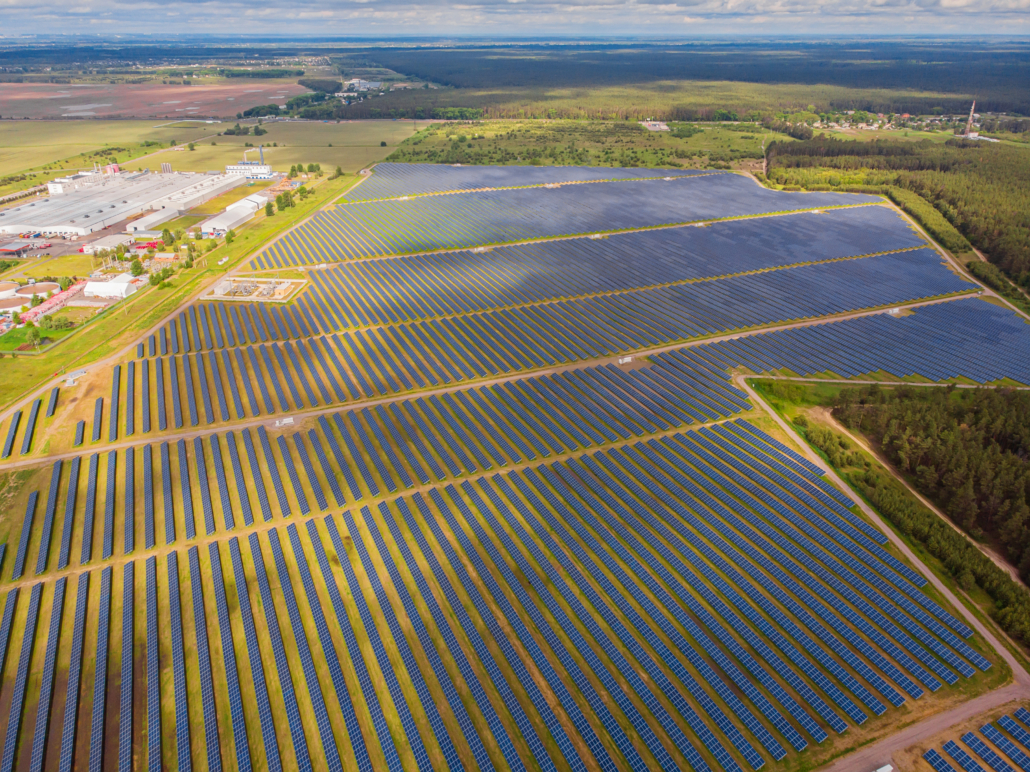
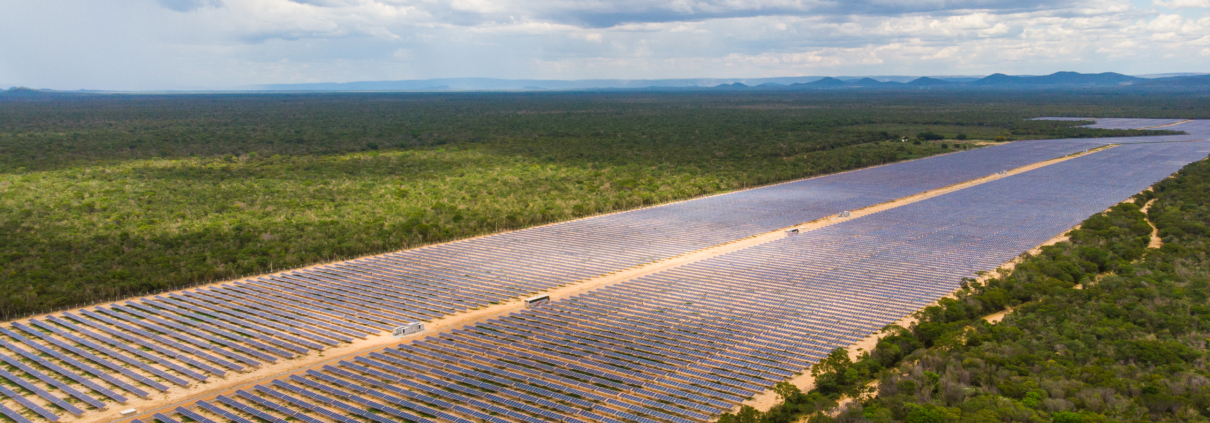
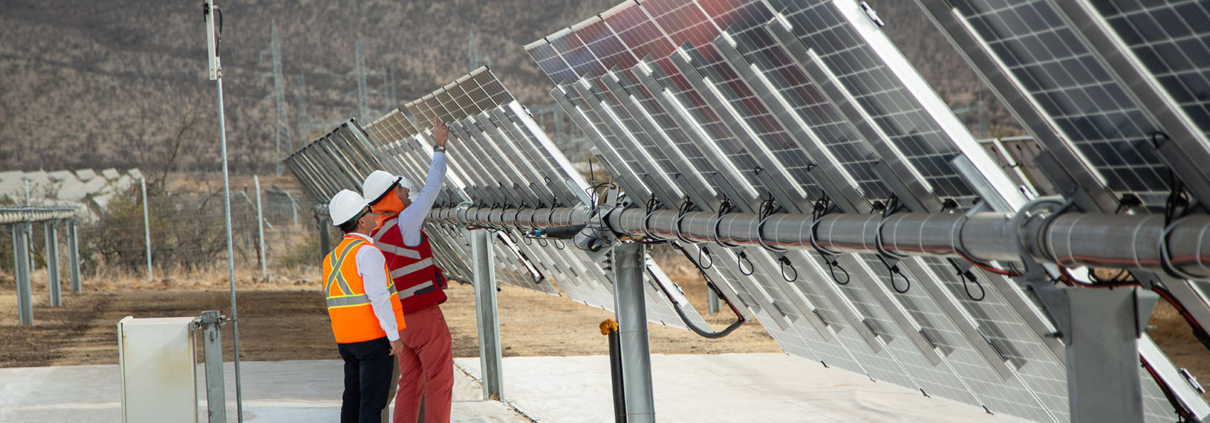
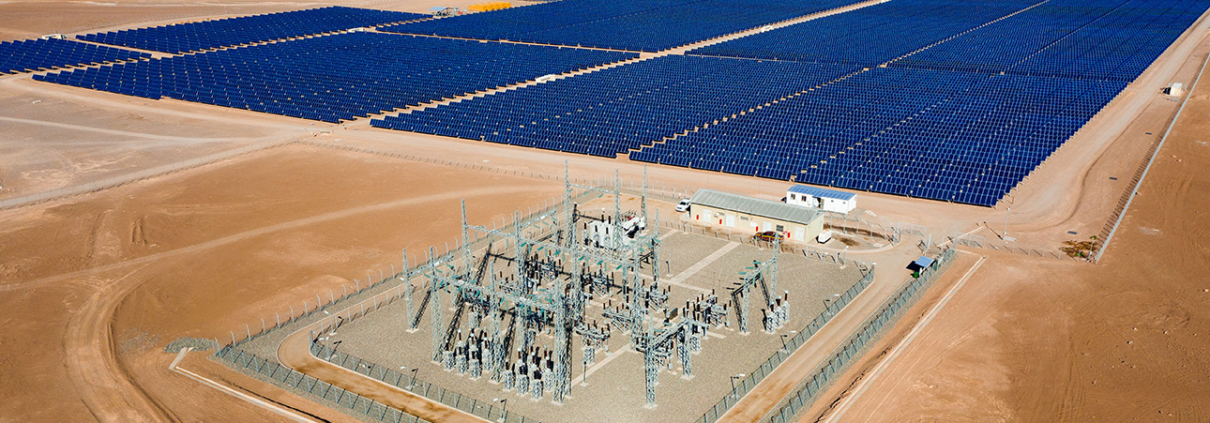
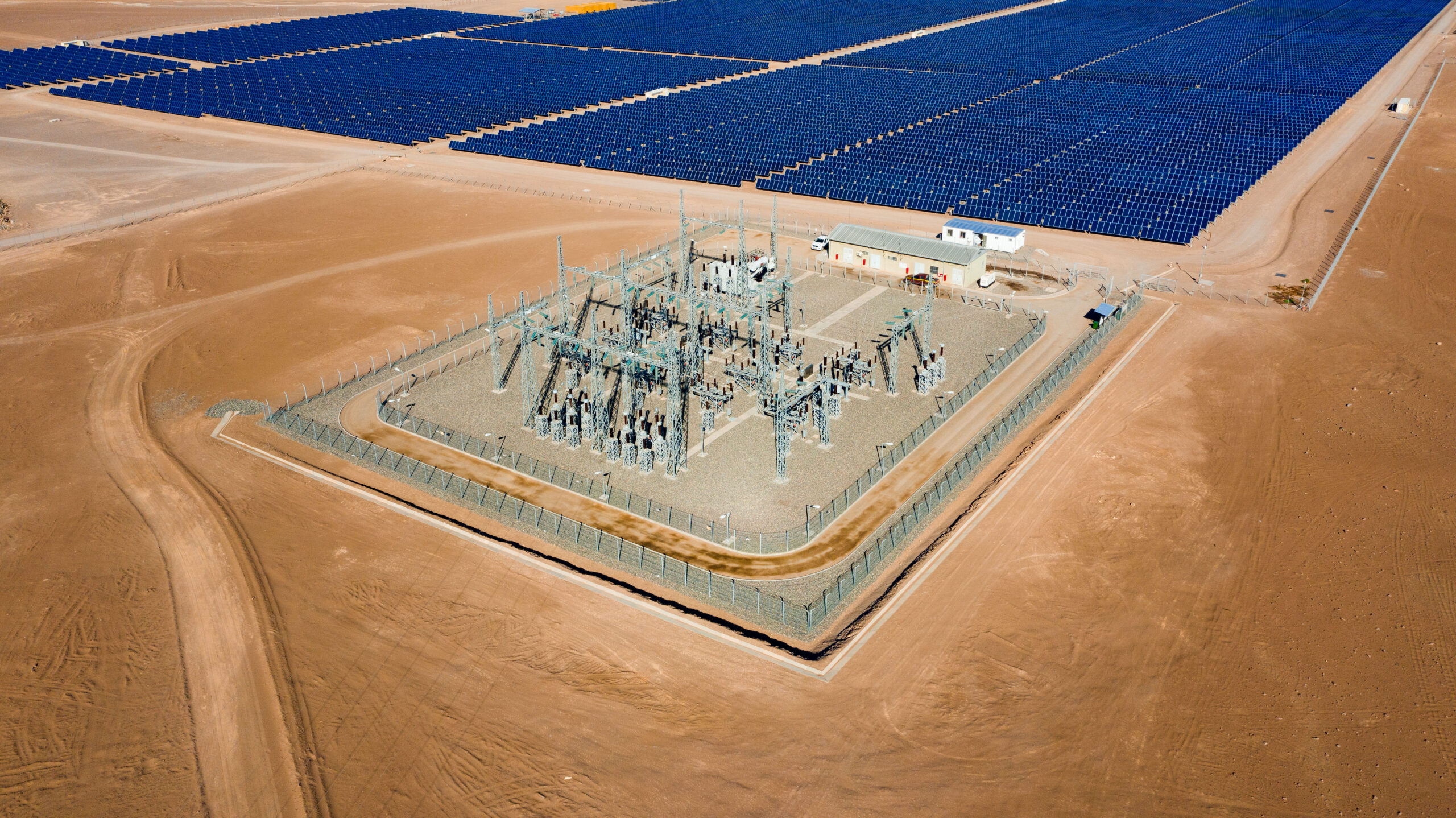
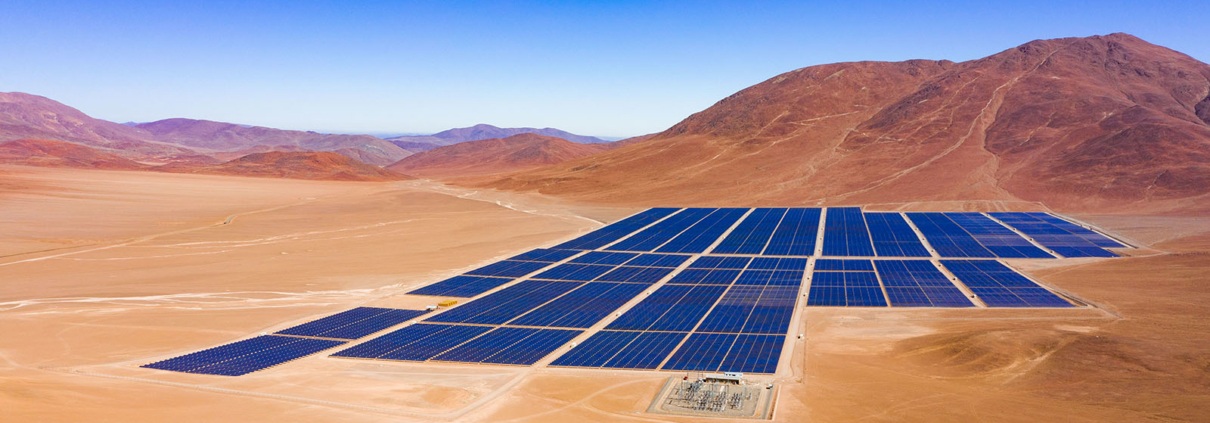
In this regard, in 2021, Atlas Renewable Energy obtained US$253 million in green bond format, which allowed it to develop its ‘Ananuca Financing’ deal, which re-financed the Javiera Solar Plant (69.5 MW) and promoted the construction of the Sol del Desierto Solar Project (230 MW), both in Chile. 

The Javiera plant supplies clean energy for 15% of the energy needs of one of Antofagasta Minerals’ (AMSA) mines, one of the world’s largest copper companies.

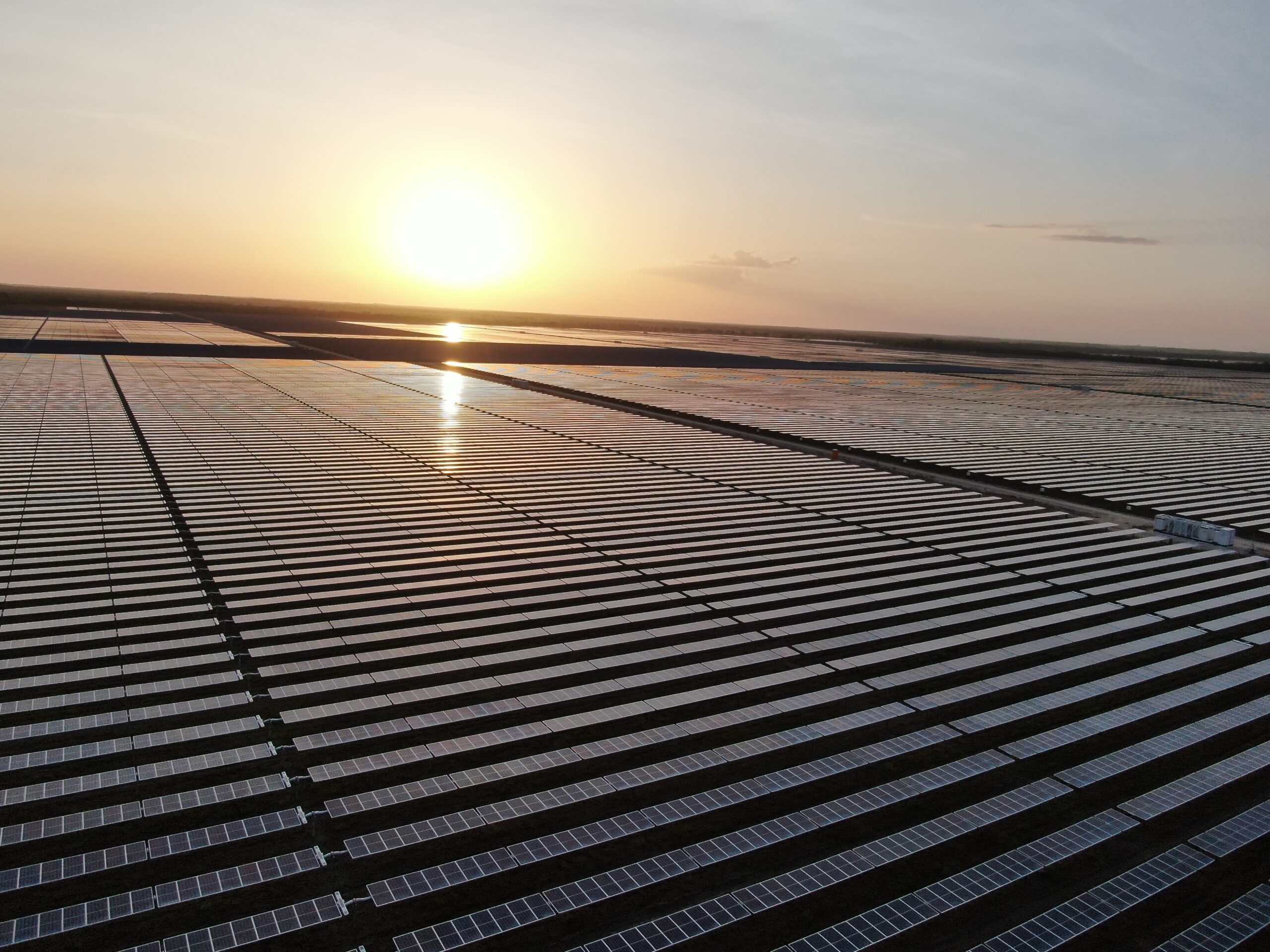
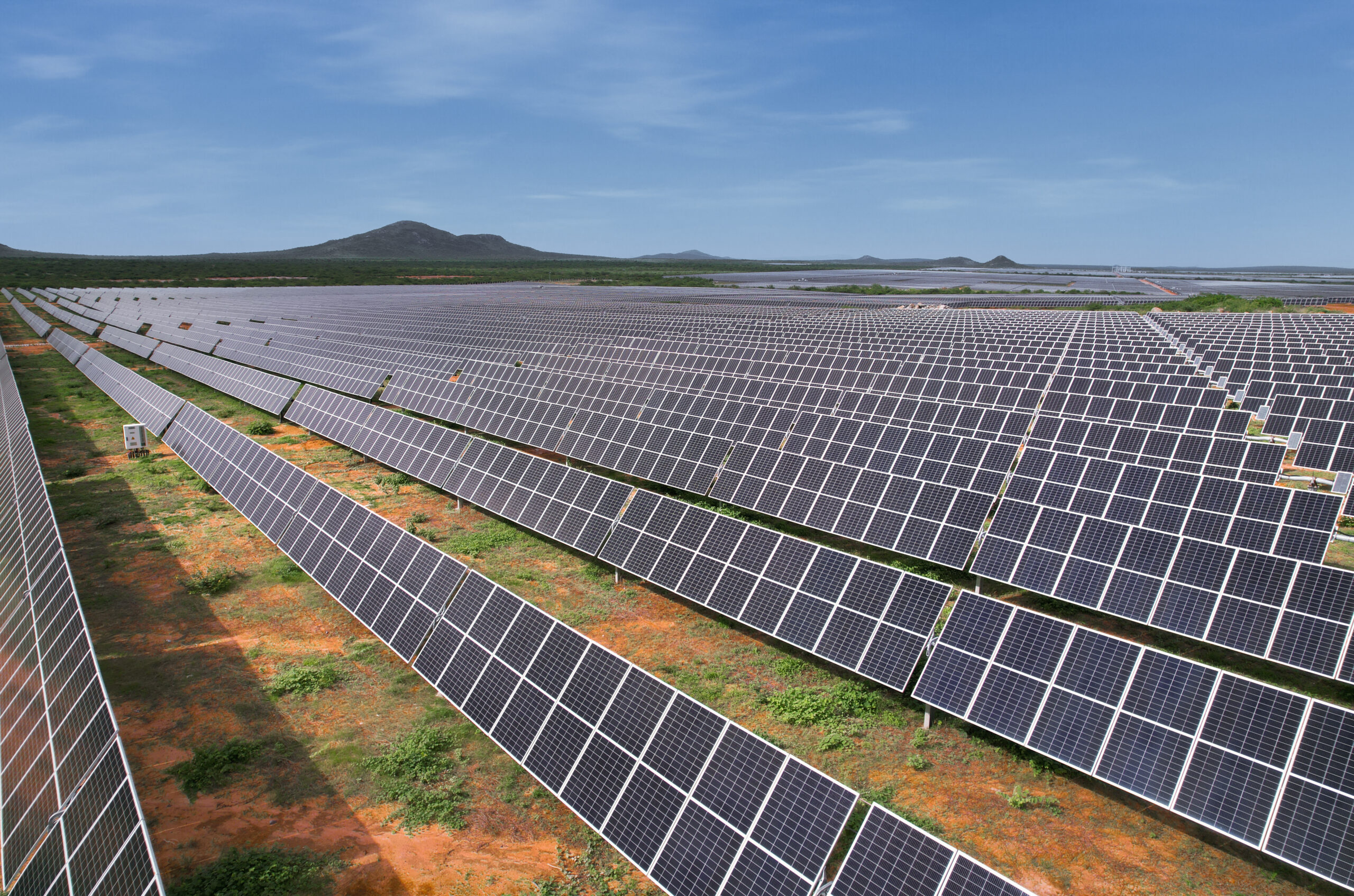
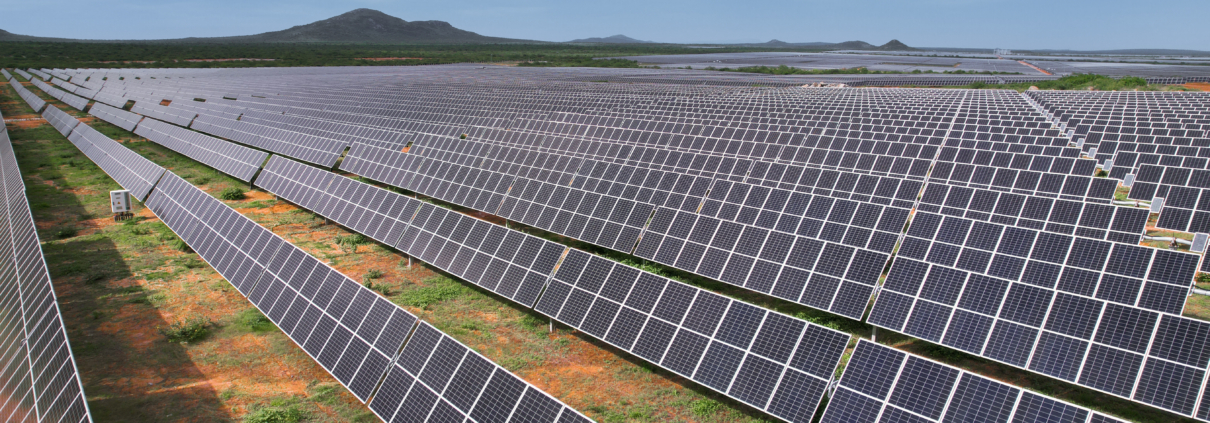
Another landmark case involves Albras, Brazil’s largest primary aluminum producer. In November last year, the company received the largest dollar financing from BNDES for the largest solar PPA in Latin America with Atlas Renewable Energy: starting in 2025, and for 21 years, the manufacturer will receive clean and competitive energy from the 902 MWp Vista Alegre solar plant, which will prevent the emission of 2.4 million tons of CO₂. For comparison, the energy contracted between Atlas Renewable Energy and Albras is sufficient to power over three million people.

Both cases relate to a global trend that is growing year by year. According to BloombergNEF, in 2022, private companies and public institutions signed record Power Purchase Agreements (PPAs): 36.7 GW, 18% more than in 2021.

BloombergNEF highlights that since 2008, 167 organizations have concluded PPA agreements in 36 markets worldwide for 148 GW of clean energy, a significant figure that exceeds France’s total power generation capacity.

Among organizations that signed clean energy agreements in 2022, Amazon leads the list, with 10.9 GW of PPAs signed, followed by Meta (2.6 GW), Google (1.6 GW), and Microsoft (1.3 GW). This exemplifies the need for technology companies to obtain clean, competitive energy to meet their growing electricity demand.

In the Americas, signed contracts increased by 18% to a record 24.1 GW, with growth in both the United States and Latin America.

Therefore, promoting more significant lines of financing for companies to embark on their path to decarbonization quickly will be vital in reversing climate change. Countries also need to offer better incentives and conditions for investment.

Against this background, fossil fuel subsidies soared to USD 7 billion in 2022. Eliminating subsidies would, it is estimated, increase public income by 4.4 billion dollars and make polluting energies less competitive with clean energies.

According to the United Nations Development Programme (UNDP), the global energy sector accounts for 73% of annual greenhouse gas emissions. In contrast, annual energy-related carbon dioxide emissions will have to be reduced by 70% by 2050. In this respect, renewable energies, energy efficiency, and a substantial increase in electrification can contribute more than 90% of the necessary reduction in polluting emissions.

The challenge of the upcoming summits

The upcoming two years will be crucial. At COP29, to be held in Azerbaijan, governments must set a new target for climate finance that reflects the scale and urgency of the environmental challenge. And at COP30, to be hosted by Brazil, they must come prepared with new Nationally Determined Contributions (NDCs).

“We must get down to work to implement the Paris Agreement fully,” said Simon Stiell, executive secretary of UN Climate Change. Stiell recalled that “by early 2025, countries must submit new Nationally Determined Contributions. Every commitment to finance, adaptation, and mitigation must bring us in line with a 1.5-degree world.”

Conclusion

COP28 has established objectives summarized by its protagonists as “the beginning of the end” of the fossil fuel era, which implies, among other measures, tripling the capacity to generate renewable energies. But for the energy transition to proceed according to the deadlines required by the environmental goals, vigorously increasing global financing for clean energies will be essential.

With this financing, companies can access long-term, low-rate loans to develop renewable energy generation projects. This will encourage more energy-consuming companies to enter competitive price supply agreements (PPAs).

The involvement of both public and private companies in decarbonization is a trend that grows annually. Still, the acceleration of decarbonization will depend on the incentives, regulations, and conditions set by governments.

In partnership with Castleberry Media, we are committed to caring for our planet. Therefore, this content is environmentally responsible.

Share This Entry

More articles

October 06, 2025 Our point of view
Toward COP30: How Renewable Energy Is Rewriting Latin America’s Opportunity Set
October 05, 2025 Our point of view
Renewable Energy-Driven Data Centers: Shaping Mexico's Digital Future
October 05, 2025 Our point of view
The Food Industry and Energy Transition: A Recipe Toward Competitiveness
October 02, 2025 Our point of view
Chilean Mining Sector in Energy Transition: Perspectives and Key Insights Amid New European Regulations
September 23, 2025 Our point of view
Walking the Walk: Making Sustainability Tangible
July 23, 2025 Our point of view
Renewable Energy: The Strategic Choice for Energy Transition in Mining and Oil Operations
July 19, 2025 Our point of view
Innovation That Protects: How Atlas Embedded Health and Safety at the Core of Its Operational Excellence
June 17, 2025 Our point of view
How Renewable Energy Will Power Mexico's Economic Transformation by 2030
June 17, 2025 Our point of view
From Generation to Energy Consumption: The Private Sector's Role in the Energy Transition
May 28, 2025 Our point of view
Energy Trends in the Colombian Market
May 05, 2025 Our point of view
Q&A: Energy Buyer Transitioning Operations to Renewable Energy with Atlas
April 15, 2025 Our point of view
Sustainable Operations: Why Data Centers Are Turning to Renewables
April 15, 2025 Our point of view
The Power of PPAs: Renewable Energy in the Regional Automotive Industry

April 04, 2025 Our point of view
The Strategic Edge of Renewable Energy: Business Advantages
March 10, 2025 Our point of view
Powering AI's Revolution: the Renewable Energy Imperative

March 03, 2025 Our point of view
How BESS is Revolutionizing Latin America's Renewable Industry
February 24, 2025 Our point of view

Renewable Energy Drives Sustainability in the Food Industry
February 06, 2025 Our point of view
The Strategic Role of Storage in Latin America's Energy Transition
February 04, 2025 Our point of view
By the Numbers: Why Companies Are Choosing Renewable Energy Contracts
January 24, 2025 Our point of view
Energy Transition: Opportunities for Multinationals
January 11, 2025 Our point of view
The Multiple Benefits of Renewable Energy Consumption for Companies
November 21, 2024 Our point of view
Clean energy for data centers: the rise of PPAs as a secure solution
November 21, 2024 Our point of view
Operational Cost Optimization: The Strategic Role of PPAs Amidst the Rising Energy Prices
November 21, 2024 Our point of view
How Oil Companies Can Decarbonize Through PPA Contracts
October 30, 2024 Our point of view
Forging Strategic Alliances: Bridging the Gap Between O&G and Renewable Energy
October 16, 2024 Our point of view
The Role of Renewable PPAs in Mitigating Price Volatility
August 24, 2024 Our point of view
Why Are Telecoms Transitioning to Renewable Energy?
July 08, 2024 Our point of view
How are renewable energies transforming the Brazilian economy?
July 03, 2024 Our point of view
PPAs and Contract Structures: Tailoring Renewable Energy Procurement to Corporate Needs
June 25, 2024 Our point of view
Renewable Energies as Key Players in CFO Strategies
June 18, 2024 Our point of view
Colombia’s Roadmap: A Pathway to a Cleaner Energy Matrix
June 18, 2024 Our point of view
Atlas Renewable Energy's big bet on renewable energy development in Colombia.
June 17, 2024 Our point of view
The Pivotal Role of Renewable Energies in Mitigating El Niño's Impact in Colombia
June 17, 2024 Our point of view
Understand the limits of carbon capture in the energy transition
June 17, 2024 Our point of view
Understand the advantages of contracting renewable energy for your company
April 26, 2024 Our point of view
Navigating the Energy Transition: The Impact of COP 28 Agreements on Corporate Strategy
April 10, 2024 Our point of view
AI and its impact on renewable energy
April 09, 2024 Our point of view
Social License: The Crucial Factor in Ensuring a Responsible Energy Transition
February 16, 2024 Our point of view
How innovative technologies are driving the future of renewable energy
January 30, 2024 Our point of view
Is a Dollar-Based PPA Ideal for Achieving Your Company’s Sustainability Objectives?
January 24, 2024 Our point of view
How sustainable energy strategies can provide stability in uncertain times
December 12, 2023 Our point of view
Innovation in Corporate Clean Energy: Atlas Renewable Energy is Leading the Way in Latin America
November 09, 2023 Our point of view
Renewables and Storage: The perfect combination to meet energy demand
August 03, 2023 Our point of view
CLEAN ENERGY FOR THE ALUMINUM INDUSTRY
June 21, 2023 Our point of view
How renewable energy sources can contribute to the food industries sustainability journey
May 09, 2023 Our point of view
Powering the concrete and cement industry with renewable energy: A pathway to a just transition for the construction sector
May 09, 2023 Our point of view
Unlocking the full potential of renewable energy investment in partnership with development finance institutions
May 09, 2023 Our point of view
GREEN HYDROGEN: TOWARDS NET ZERO
April 26, 2023 Our point of view
Renewable energy: Making the circular economy happen in the chemicals industry
April 21, 2023 Our point of view
Atlas recognizes the development of renewable technologies in Latin America
March 27, 2023 Our point of view
How the surge in renewable energy investment is making it easier for companies to transition
February 24, 2023 Our point of view
IN CONVERSATION WITH ATLAS: HOW WE PARTNER WITH CLIENTS TO CREATE A REAL IMPACT
January 27, 2023 Our point of view
WHY COP27 IS MORE RELEVANT THAN EVER
January 12, 2023 Our point of view
What governments should take into account to make a real transition to renewable energies
December 13, 2022 Our point of view
Renewable Energy Trend Watch: Self-generation in Brazil
December 07, 2022 Our point of view
What you need to know about the rise of I-RECs in Brazil
October 18, 2022 Our point of view
How I-RECs can offer a new level of transparency as companies get real on climate change
September 26, 2022 Our point of view
What can renewable energy do for the mining sector?
August 29, 2022 Our point of view
How the Inflation Reduction Act could turbocharge the renewable energy sector
August 16, 2022 Our point of view
Power Purchase Agreements (PPAs): A Source of Stability in a Climate of Change
June 21, 2022 Our point of view
Web3 and the metaverse: an inflection point for the energy transition
June 07, 2022 Our point of view
What to look out for in a renewable energy contract
June 01, 2022 Our point of view
TOWARDS NET-ZERO INDUSTRIAL HUBS: THE ROLE OF RENEWABLE ENERGY
May 20, 2022 Our point of view
Avoiding Greenwashing and Make the Shift to True Sustainability
April 06, 2022 Our point of view
Closing the green divide in the tech industry
March 18, 2022 Our point of view
How renewables can help feed the world without overwhelming the planet
February 24, 2022 Our point of view
Ensuring the triple bottom line for your renewable energy strategy: the biggest return on investment
February 23, 2022 Our point of view
The vital role corporations play in achieving the COP26 commitments
December 20, 2021 Our point of view
How generating sustainable change at scale leads to positive tangible environmental and consumer impact
December 20, 2021 Our point of view
Diversity and Inclusion: The Atlas Perspective
October 28, 2021 Our point of view
COP26: What corporations should know
October 27, 2021 Our point of view
LAGGARDS AND LEADERS: CLOSING THE GAP IN THE TRANSITION TO RENEWABLE ENERGY
October 26, 2021 Our point of view
MAKING CIRCULAR ECONOMY HAPPEN
October 08, 2021 Our point of view
WHY GREEN HYDROGEN IS PART OF THE ENERGY MATRIX OF THE FUTURE
October 06, 2021 Our point of view
WHY COVERING THE ENERGY NEEDS OF DIGITALIZATION SUSTAINABLY IS IMPORTANT
July 07, 2021 Our point of view
ELECTRIC VEHICLES AND RENEWABLE ENERGY: A PERFECT MATCH
July 01, 2021 Our point of view
MAKING IT COUNT: DIVERSITY, INCLUSION, AND SOCIAL DEVELOPMENT IN RENEWABLE ENERGY
July 01, 2021 Our point of view
SUSTAINABLE LEADERSHIP: FROM WORDS TO ACTION
June 30, 2021 Our point of view
WHY WE’RE STILL OPTIMISTIC ABOUT FIGHTING CLIMATE CHANGE
May 10, 2021 Our point of view
RENEWABLE ENERGY IS AT ITS BEST: SOLAR SHINES BRIGHT
May 07, 2021 Our point of view
WHAT THE LEADERS SUMMIT ON CLIMATE MEANS FOR CORPORATIONS
March 30, 2021 Our point of view
CARBON PRICING IS INEVITABLE – DON’T BE CAUGHT OUT
March 29, 2021 Our point of view
A SYSTEMIC VIEW OF DIVERSITY AND INCLUSION
March 18, 2021 Our point of view
BIDEN’S PLAN: RENEWABLES ON THE RISE IN THE US
March 15, 2021 Our point of view
THE NEW GREEN CONSUMER: HOW EMERGING TRENDS ARE SHAPING SUSTAINABILITY INITIATIVES
March 15, 2021 Our point of view
WHY INVESTORS ARE FLOCKING TO THE RENEWABLES SECTOR
February 19, 2021 Our point of view
2021: BEYOND THE INFLECTION POINT FOR RENEWABLE ENERGY
December 14, 2020 Our point of view
Corporate sustainability: is your company doing enough?
November 20, 2020 Our point of view
Creating renewable energy success stories: experience in the chemical sector
November 12, 2020 Our point of view
How ESG is taking center stage in Latin America
October 16, 2020 Our point of view
Joining forces: Why you should look for innovation in your solar energy partner
August 21, 2020 Our point of view
Why now is the time to invest in Latin America’s renewables market
August 20, 2020 Our point of view
Gaining certainty in uncertain times: the impact of renewables on energy-intensive industries in Latin America
July 20, 2020 Our point of view
How renewable energy project execution is powering ahead despite Covid-19
July 06, 2020 Our point of view
7 factors influencing the renewables market in Latin America
June 03, 2020 Our point of view
The rise of corporate PPAS in Latin America
May 11, 2020 Our point of view
Can renewable energy power Latin America’s recovery after Covid-19?
February 02, 2020 Our point of view
Atlas Renewable Energy’s innovative approach to renewable energy
February 02, 2020 Our point of view
Education and Solar Energy go hand in hand in rural Mexico
June 18, 2019 Our point of view
Why are large mining companies embracing Solar Energy?
May 17, 2019 Our point of view
How financial innovation can drive the growth of renewables in Latam