
Atlas logo Atlas logo

Is a Dollar-Based PPA Ideal for Achieving Your Company’s Sustainability Objectives?

January 30, 2024 Press Releases

Power Purchase Agreements (PPAs) offer a spectrum of advantages for long-term energy procurement, key among them being cost predictability, supply security, and enhanced access to financing.

These agreements, particularly crucial for companies targeting net-zero emissions, enable the procurement of electricity from renewable sources, thereby playing a vital role in the decarbonization of operations.

An emerging trend in Brazil, influenced by recent regulatory changes, is the adoption of USD-indexed PPA models. These dollar-denominated contracts are becoming increasingly popular, offering a more advantageous scenario for energy contracting within the Brazilian market.

Ricardo Mendes, Director of Origination at Atlas Renewable Energy in Brazil, underscores the relevance of long-term power purchase agreements (PPAs) for businesses. These contracts offer a robust shield against the volatile energy market, significantly impacted by Brazil’s rainfall patterns. Given the country’s reliance on hydroelectric power, which is highly dependent on precipitation levels, these agreements provide much-needed stability and risk mitigation for companies navigating the energy sector.

“To distance themselves from this volatility and not be exposed to high prices, companies seek protection through long-term contracts, such as  PPAs. This ensures predictability in the company’s cost,” said Mendes.

Additionally, the possibility of establishing these agreements in US dollars has attracted exporters and companies in industries whose costs are linked to commodities.

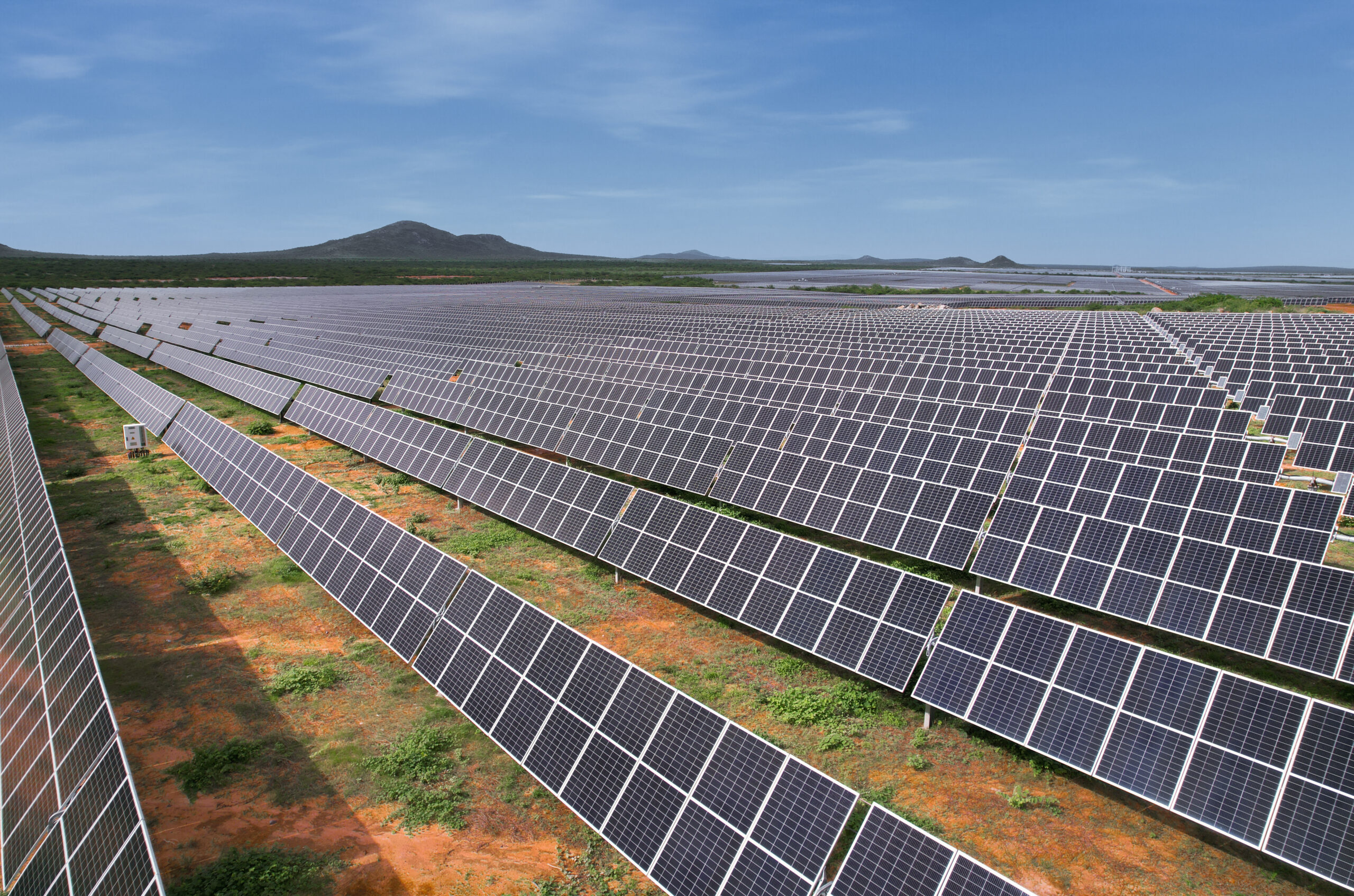
In 2022, for example, Atlas formed a joint venture with Hydro Rein and Albras (Brazil’s largest primary aluminum producer) to develop, build, and operate the Boa Sorte solar plant (438 MWp) in the state of Minas Gerais.

In this self-production model, the dollar-denominated PPA signed with Albras foresees an  814 GWh yearly supply from 2025 to 2044, covering 12% of the aluminum producer’s annual energy consumption. 

“It’s a triple hedge. In addition to protecting from climate-related volatility, a variable in the energy market, companies are protecting themselves from exchange rate volatility and Brazil’s inflation. They find themselves more comfortable because if the dollar falls and their income decreases, their energy cost also reduces,” emphasizes Mendes.

Trust is, of course, a crucial element of PPAs, given the nature of the contracts and their lengths. “Long-term PPAs are a relationship of trust. When we talk about self-production, which in today’s market is the one with the greatest interest, the importance of a relationship built on trust, reliability, and knowledge is even greater,” he said.

What you need to know about dollar-denominated PPAs:

Flexible Contracts

At Atlas, we specialize in tailoring Power Purchase Agreements (PPAs) to match the unique profiles of each client. One strategy that has proven highly effective in the Brazilian market is the self-production model. This approach offers businesses the opportunity to hold an equity stake in our solar parks, which can lead to substantial energy cost savings. In some instances, clients have been able to achieve nearly 50% reduction in electricity costs.

The structure of each project is a collaborative effort, defined through mutual agreement. Our role encompasses the development, construction, financing and operation of the solar parks, typically in US dollars. The pricing within the contract is a matter of negotiation between us and our clients, along with the terms of price adjustment. This flexibility in structuring and financing reflects our commitment to providing solutions that are both economically advantageous and aligned with our clients’ specific energy requirements.

“There are contracts with prices adjusted for U.S. inflation; contracts where a curve is established, starting with a higher value and decreasing over time. In other words, the model allows for a series of alternatives that can be agreed upon between Atlas and the client,” Mendes explained.

In our approach to energy procurement, clients are offered the choice to select their energy requirements on a monthly or yearly basis, aligning with their specific consumption needs. This system is designed to accommodate fluctuations in energy use, ensuring that clients only procure what is necessary for their operations. 

In cases where energy consumption is less than the amount purchased, the surplus energy – for instance, if 100 MW is purchased and only 99 MW is used – the additional 1 MW can be resold in the market or returned to us at Atlas. The Brazilian energy market’s flexibility often allows for the resale of this surplus at a potentially higher rate than the original purchase price. We offer various options for handling such scenarios, providing our clients with the opportunity to optimize their energy strategy in a way that suits their unique operational requirements.

Supply Security

One prevalent concern about renewable energy is its intermittent nature. A frequently asked question is: What happens during periods without sunlight? Will the power supply be consistent?

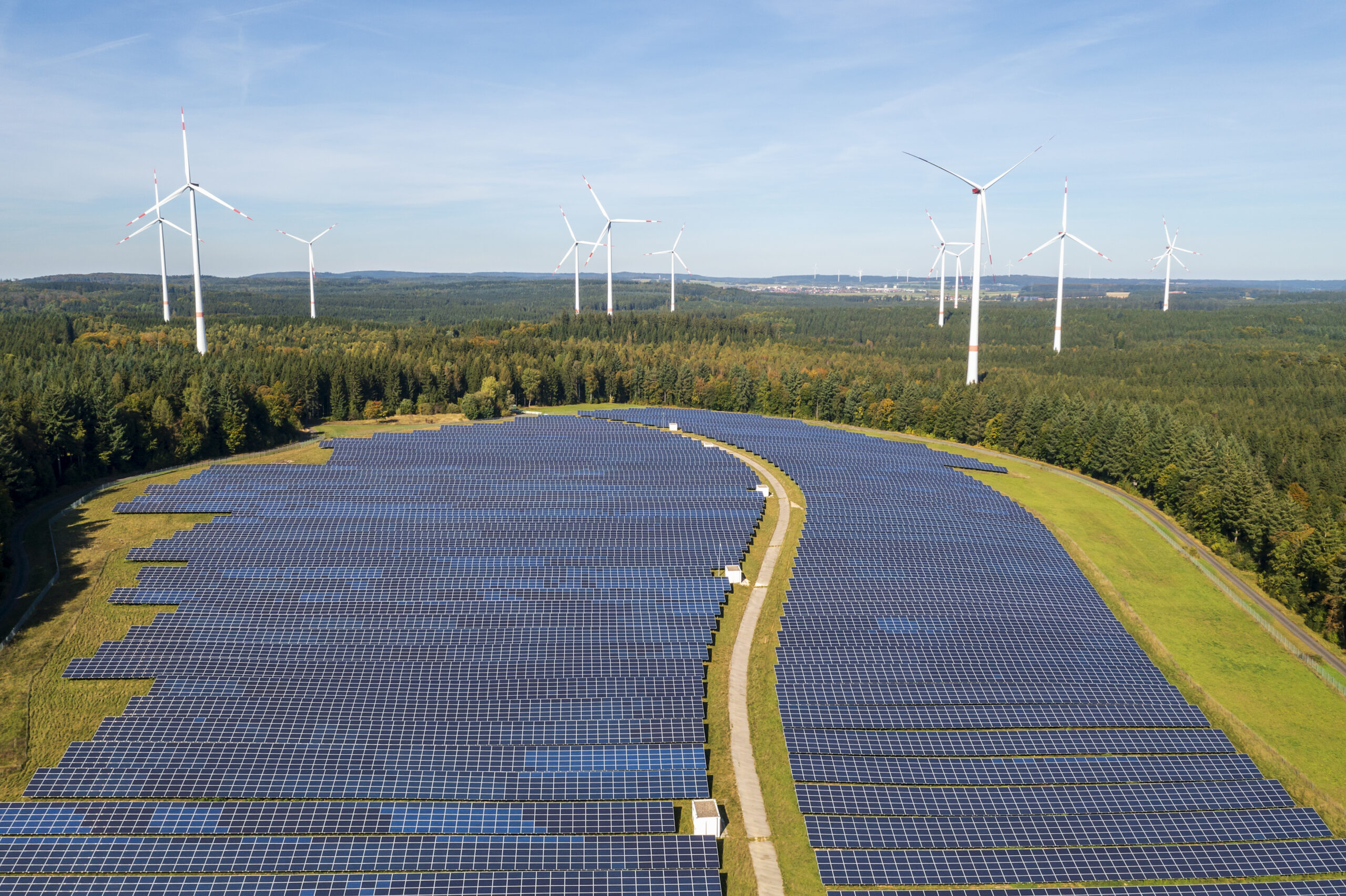
Ricardo Mendes addresses this concern, affirming that a continuous power supply is maintained. At Atlas we achieve this through diversified commercial agreements with various renewable energy producers, including wind energy providers, to ensure a steady flow of energy.

This strategy includes an energy exchange mechanism that manages surplus production effectively. For instance, solar energy, which is produced during daylight hours, is carefully balanced against consumption patterns. Any excess generated during the day can be exchanged in the market, facilitating an energy balance. At Atlas we actively engage in this energy market, swapping surplus daytime energy with those who have excess power at night, ensuring a consistent supply. This exchange occurs without incurring additional costs to the customers, thus guaranteeing a reliable energy supply throughout.

Cost Reduction and Efficiency Gains

Self-production in renewable energy, particularly with solar, presents a notable efficiency advantage. However, it’s not always feasible for a factory to meet its entire energy consumption through on-site solar installations due to space constraints. Moreover, factors such as irradiation levels and technology of the equipment significantly influence the energy output. 

As Ricardo Mendes notes, while some companies may have ample roof space, the installation of the most efficient generation systems, like solar trackers that follow the sun’s movement, is often not possible. Typically, solar panels are fixed on roofs, which can result in lower performance.

By entering into a long-term Power Purchase Agreement (PPA), a company can access energy from a solar park that’s optimally located for better irradiation and equipped with state-of-the-art technology. This arrangement ensures the highest possible efficiency in electricity generation. Such PPAs allow businesses to benefit from advanced solar installations that might not be feasible at their own sites, thereby enhancing overall energy efficiency.

“You manage to avoid work, avoid construction within your operation, and you can have that energy with the highest efficiency and the lowest possible cost by using those parks that will have a larger scale and be optimally irradiated,” he adds.

Dollar Pricing

Several key factors contribute to the formation of dollar pricing in Power Purchase Agreements. These include the cost of constructing the plant, the consumer’s competitiveness relative to the local market and other consumers, and each company’s specific strategy for financing the energy. 

Ricardo Mendes emphasizes the importance of long-term competitiveness in this context. He notes, for example, that a Brazilian aluminum producer must maintain operational costs within an energy price range that is competitive with counterparts in countries like Australia or Canada.

Another critical reference point is the price in Brazil, denominated in reais. Initially, a base price is established. From there, the pricing can either be fixed, to mitigate the risk of inflation, or adjusted according to U.S. inflation rates, given that the contract is in dollars. These adjustments typically occur on an annual basis. This pricing structure aims to balance local market conditions with the stability offered by a dollar-denominated agreement, ensuring competitiveness and financial predictability.

Financing Attraction

The new legal framework in Brazil (Law 14.286/2021) inaugurated a time for the financing of projects, as it brought greater legal security to dollar-denominated PPAs.

Mendes says the framework gave more security to the consumer company, the generator that will make its investment and the banks. “Atlas pioneered this model in Brazil and even signed the first USD PPA financed by BNDES, said Mendes.

The credit of USD 210 million (equivalent to about R$1.1 billion) was granted by the National Bank for Economic and Social Development (BNDES) in January 2023 to finance the Boa Sorte solar complex (438 MWp) in Minas Gerais, and most recently Atlas received the largest ever USD loan USD 447.8 million or R$2,18 billion) for renewable energy from BNDES in Latin America to construct Vista Alegre (902 MWp).

This type of experience exemplifies how the company has been weaving agreements to offer clients the best business options, including the possibility of attracting international financing. “Having already established relationships with international banks, which is another important source of resources, helps to expand the range for clients,” concludes Mendes.

In partnership with Castleberry Media, we are committed to taking care of our planet, therefore, this content is responsible with the environment.

Share This Entry

More articles

October 06, 2025 Our point of view
Toward COP30: How Renewable Energy Is Rewriting Latin America’s Opportunity Set
October 05, 2025 Our point of view
Renewable Energy-Driven Data Centers: Shaping Mexico's Digital Future
October 05, 2025 Our point of view
The Food Industry and Energy Transition: A Recipe Toward Competitiveness

October 02, 2025 Our point of view
Chilean Mining Sector in Energy Transition: Perspectives and Key Insights Amid New European Regulations
September 23, 2025 Our point of view
Walking the Walk: Making Sustainability Tangible
July 23, 2025 Our point of view
Renewable Energy: The Strategic Choice for Energy Transition in Mining and Oil Operations
July 19, 2025 Our point of view
Innovation That Protects: How Atlas Embedded Health and Safety at the Core of Its Operational Excellence
June 17, 2025 Our point of view
How Renewable Energy Will Power Mexico's Economic Transformation by 2030
June 17, 2025 Our point of view
From Generation to Energy Consumption: The Private Sector's Role in the Energy Transition
May 28, 2025 Our point of view
Energy Trends in the Colombian Market
May 05, 2025 Our point of view
Q&A: Energy Buyer Transitioning Operations to Renewable Energy with Atlas
April 15, 2025 Our point of view
Sustainable Operations: Why Data Centers Are Turning to Renewables
April 15, 2025 Our point of view
The Power of PPAs: Renewable Energy in the Regional Automotive Industry
April 04, 2025 Our point of view
The Strategic Edge of Renewable Energy: Business Advantages
March 10, 2025 Our point of view
Powering AI's Revolution: the Renewable Energy Imperative

March 03, 2025 Our point of view
How BESS is Revolutionizing Latin America's Renewable Industry
February 24, 2025 Our point of view

Renewable Energy Drives Sustainability in the Food Industry

February 06, 2025 Our point of view
The Strategic Role of Storage in Latin America's Energy Transition
February 04, 2025 Our point of view
By the Numbers: Why Companies Are Choosing Renewable Energy Contracts
January 24, 2025 Our point of view
Energy Transition: Opportunities for Multinationals
January 11, 2025 Our point of view
The Multiple Benefits of Renewable Energy Consumption for Companies
November 21, 2024 Our point of view
Clean energy for data centers: the rise of PPAs as a secure solution
November 21, 2024 Our point of view
Operational Cost Optimization: The Strategic Role of PPAs Amidst the Rising Energy Prices
November 21, 2024 Our point of view
How Oil Companies Can Decarbonize Through PPA Contracts
October 30, 2024 Our point of view
Forging Strategic Alliances: Bridging the Gap Between O&G and Renewable Energy
October 16, 2024 Our point of view
The Role of Renewable PPAs in Mitigating Price Volatility
August 24, 2024 Our point of view
Why Are Telecoms Transitioning to Renewable Energy?
July 08, 2024 Our point of view
How are renewable energies transforming the Brazilian economy?
July 03, 2024 Our point of view
PPAs and Contract Structures: Tailoring Renewable Energy Procurement to Corporate Needs
June 25, 2024 Our point of view
Renewable Energies as Key Players in CFO Strategies
June 18, 2024 Our point of view
Colombia’s Roadmap: A Pathway to a Cleaner Energy Matrix
June 18, 2024 Our point of view
Atlas Renewable Energy's big bet on renewable energy development in Colombia.
June 17, 2024 Our point of view
The Pivotal Role of Renewable Energies in Mitigating El Niño's Impact in Colombia
June 17, 2024 Our point of view
Understand the limits of carbon capture in the energy transition
June 17, 2024 Our point of view
Understand the advantages of contracting renewable energy for your company
April 26, 2024 Our point of view
Navigating the Energy Transition: The Impact of COP 28 Agreements on Corporate Strategy
April 10, 2024 Our point of view
AI and its impact on renewable energy
April 09, 2024 Our point of view
Social License: The Crucial Factor in Ensuring a Responsible Energy Transition
February 16, 2024 Our point of view
How innovative technologies are driving the future of renewable energy
January 30, 2024 Our point of view
Is a Dollar-Based PPA Ideal for Achieving Your Company’s Sustainability Objectives?
January 24, 2024 Our point of view
How sustainable energy strategies can provide stability in uncertain times
December 12, 2023 Our point of view
Innovation in Corporate Clean Energy: Atlas Renewable Energy is Leading the Way in Latin America
November 09, 2023 Our point of view
Renewables and Storage: The perfect combination to meet energy demand
August 03, 2023 Our point of view
CLEAN ENERGY FOR THE ALUMINUM INDUSTRY
June 21, 2023 Our point of view
How renewable energy sources can contribute to the food industries sustainability journey
May 09, 2023 Our point of view
Powering the concrete and cement industry with renewable energy: A pathway to a just transition for the construction sector
May 09, 2023 Our point of view
Unlocking the full potential of renewable energy investment in partnership with development finance institutions
May 09, 2023 Our point of view
GREEN HYDROGEN: TOWARDS NET ZERO
April 26, 2023 Our point of view
Renewable energy: Making the circular economy happen in the chemicals industry
April 21, 2023 Our point of view
Atlas recognizes the development of renewable technologies in Latin America
March 27, 2023 Our point of view
How the surge in renewable energy investment is making it easier for companies to transition
February 24, 2023 Our point of view
IN CONVERSATION WITH ATLAS: HOW WE PARTNER WITH CLIENTS TO CREATE A REAL IMPACT
January 27, 2023 Our point of view
WHY COP27 IS MORE RELEVANT THAN EVER
January 12, 2023 Our point of view
What governments should take into account to make a real transition to renewable energies
December 13, 2022 Our point of view
Renewable Energy Trend Watch: Self-generation in Brazil
December 07, 2022 Our point of view
What you need to know about the rise of I-RECs in Brazil
October 18, 2022 Our point of view
How I-RECs can offer a new level of transparency as companies get real on climate change
September 26, 2022 Our point of view
What can renewable energy do for the mining sector?
August 29, 2022 Our point of view
How the Inflation Reduction Act could turbocharge the renewable energy sector
August 16, 2022 Our point of view
Power Purchase Agreements (PPAs): A Source of Stability in a Climate of Change
June 21, 2022 Our point of view
Web3 and the metaverse: an inflection point for the energy transition
June 07, 2022 Our point of view
What to look out for in a renewable energy contract
June 01, 2022 Our point of view
TOWARDS NET-ZERO INDUSTRIAL HUBS: THE ROLE OF RENEWABLE ENERGY
May 20, 2022 Our point of view
Avoiding Greenwashing and Make the Shift to True Sustainability
April 06, 2022 Our point of view
Closing the green divide in the tech industry
March 18, 2022 Our point of view
How renewables can help feed the world without overwhelming the planet
February 24, 2022 Our point of view
Ensuring the triple bottom line for your renewable energy strategy: the biggest return on investment
February 23, 2022 Our point of view
The vital role corporations play in achieving the COP26 commitments
December 20, 2021 Our point of view
How generating sustainable change at scale leads to positive tangible environmental and consumer impact
December 20, 2021 Our point of view
Diversity and Inclusion: The Atlas Perspective
October 28, 2021 Our point of view
COP26: What corporations should know
October 27, 2021 Our point of view
LAGGARDS AND LEADERS: CLOSING THE GAP IN THE TRANSITION TO RENEWABLE ENERGY
October 26, 2021 Our point of view
MAKING CIRCULAR ECONOMY HAPPEN
October 08, 2021 Our point of view
WHY GREEN HYDROGEN IS PART OF THE ENERGY MATRIX OF THE FUTURE
October 06, 2021 Our point of view
WHY COVERING THE ENERGY NEEDS OF DIGITALIZATION SUSTAINABLY IS IMPORTANT
July 07, 2021 Our point of view
ELECTRIC VEHICLES AND RENEWABLE ENERGY: A PERFECT MATCH
July 01, 2021 Our point of view
MAKING IT COUNT: DIVERSITY, INCLUSION, AND SOCIAL DEVELOPMENT IN RENEWABLE ENERGY
July 01, 2021 Our point of view
SUSTAINABLE LEADERSHIP: FROM WORDS TO ACTION
June 30, 2021 Our point of view
WHY WE’RE STILL OPTIMISTIC ABOUT FIGHTING CLIMATE CHANGE
May 10, 2021 Our point of view
RENEWABLE ENERGY IS AT ITS BEST: SOLAR SHINES BRIGHT
May 07, 2021 Our point of view
WHAT THE LEADERS SUMMIT ON CLIMATE MEANS FOR CORPORATIONS
March 30, 2021 Our point of view
CARBON PRICING IS INEVITABLE – DON’T BE CAUGHT OUT
March 29, 2021 Our point of view
A SYSTEMIC VIEW OF DIVERSITY AND INCLUSION
March 18, 2021 Our point of view
BIDEN’S PLAN: RENEWABLES ON THE RISE IN THE US
March 15, 2021 Our point of view
THE NEW GREEN CONSUMER: HOW EMERGING TRENDS ARE SHAPING SUSTAINABILITY INITIATIVES
March 15, 2021 Our point of view
WHY INVESTORS ARE FLOCKING TO THE RENEWABLES SECTOR
February 19, 2021 Our point of view
2021: BEYOND THE INFLECTION POINT FOR RENEWABLE ENERGY
December 14, 2020 Our point of view
Corporate sustainability: is your company doing enough?
November 20, 2020 Our point of view
Creating renewable energy success stories: experience in the chemical sector
November 12, 2020 Our point of view
How ESG is taking center stage in Latin America
October 16, 2020 Our point of view
Joining forces: Why you should look for innovation in your solar energy partner
August 21, 2020 Our point of view
Why now is the time to invest in Latin America’s renewables market
August 20, 2020 Our point of view
Gaining certainty in uncertain times: the impact of renewables on energy-intensive industries in Latin America
July 20, 2020 Our point of view
How renewable energy project execution is powering ahead despite Covid-19
July 06, 2020 Our point of view
7 factors influencing the renewables market in Latin America
June 03, 2020 Our point of view
The rise of corporate PPAS in Latin America
May 11, 2020 Our point of view
Can renewable energy power Latin America’s recovery after Covid-19?
February 02, 2020 Our point of view
Atlas Renewable Energy’s innovative approach to renewable energy
February 02, 2020 Our point of view
Education and Solar Energy go hand in hand in rural Mexico
June 18, 2019 Our point of view
Why are large mining companies embracing Solar Energy?
May 17, 2019 Our point of view
How financial innovation can drive the growth of renewables in Latam