
Atlas logo Atlas logo

How the Inflation Reduction Act could turbocharge the renewable energy sector
August 29, 2022 Press Releases

On August 16, the United State’s President Joe Biden signed the Inflation Reduction Act (IRA) of 2022 into law, marking the country’s first-ever piece of climate legislation.

At the heart of the IRA, which the president called “the biggest step forward on climate ever”, are billions of dollars in climate and energy spending that, if implemented, will reduce the US’ greenhouse-gas emissions by about 40% below their all-time high and take it two-thirds of the way to meeting its 2030 goal under the Paris Agreement.

With provisions to expand wind and solar production and bring climate-friendly technology such as electric vehicles closer to the financial reach of more Americans, the IRA has the opportunity to accelerate the US’ energy transition – but there are a few caveats.

What’s in the IRA?

The Inflation Reduction Act is a major legislative package that covers a wide range of areas, from drug prices to taxes. The bulk of the act, however, addresses climate protection, with a proposed investment of US$369bn in energy security and climate change programs over the course of the next 10 years. The key components of the energy provisions aim to lower energy costs in the US, increase American energy security and invest in decarbonizing all sectors of the economy via innovative solutions.

For consumers, the IRA proposes direct incentives to buy electric vehicles, energy-efficient appliances, and rooftop solar, including a US$4,000 consumer tax credit for lower/middle income to purchase used electric vehicles, and up to US$7,500 tax credits for new clean energy vehicles.

For manufacturers, the act includes over US$60bn to bring clean energy manufacturing onshore, as well as incentives to reduce inflation and the risk of future price shocks by bringing down the cost of clean energy and clean vehicles and relieving supply chain bottlenecks. This includes a US$10bn billion investment tax credit to build clean technology manufacturing facilities and US$20bn in loans for new clean vehicle manufacturing.

For the wider economy, the IRA replaces sticks with carrots by using subsidies, rather than carbon taxes, to address climate change. It will invest in carbon emissions reduction via tax credits for clean energy sources, with US$30bn in targeted grant and loan programs, and tax credits for clean fuels and commercial vehicles.

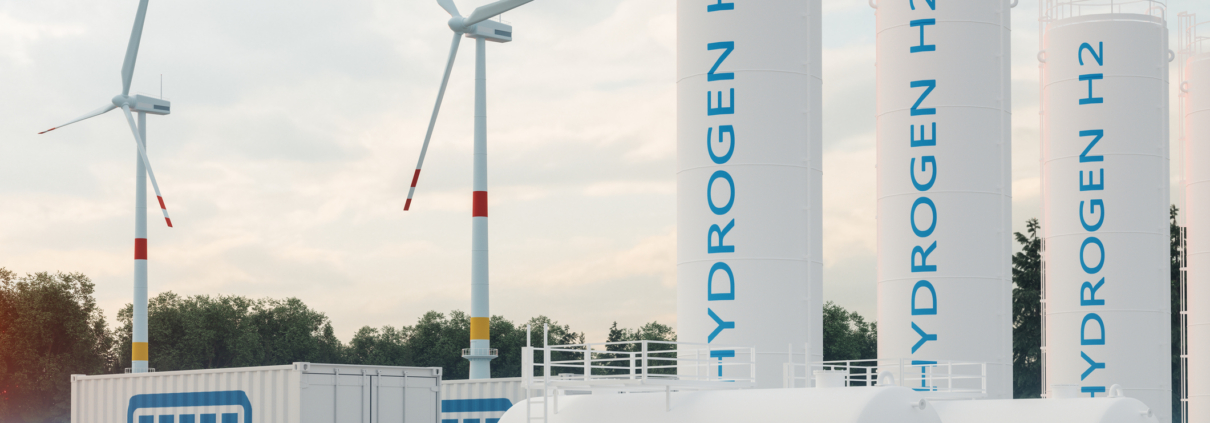
A further US$27bn has been earmarked towards a green bank to provide incentives for clean energy technology, while the IRA’s provisions include investments in the technologies needed for all fuel types, including hydrogen, nuclear, renewables, fossil fuels, and energy storage, to be produced and used in the cleanest way possible. This will mean grants and loans for companies reining in their emissions, and fees on producers with excess methane emissions.

What will be the impact on renewable energy?

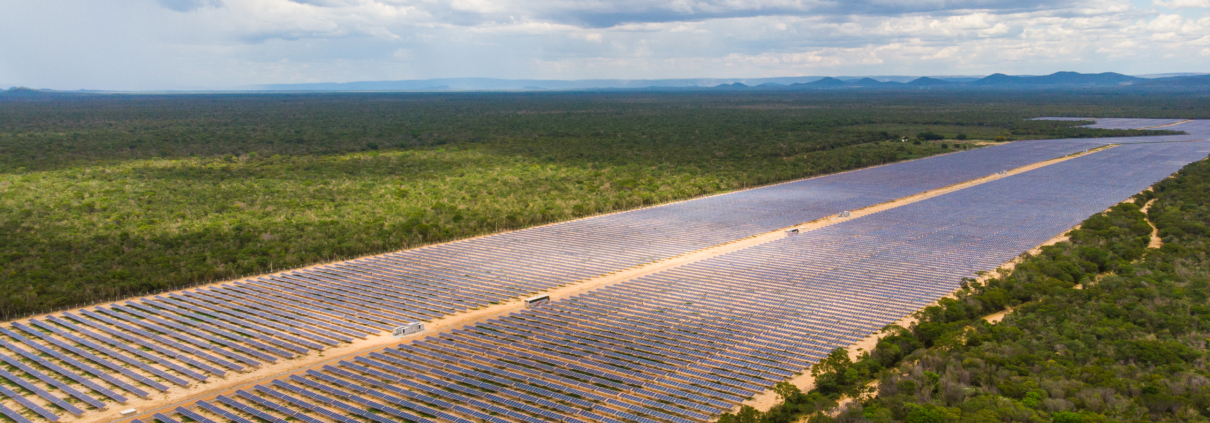
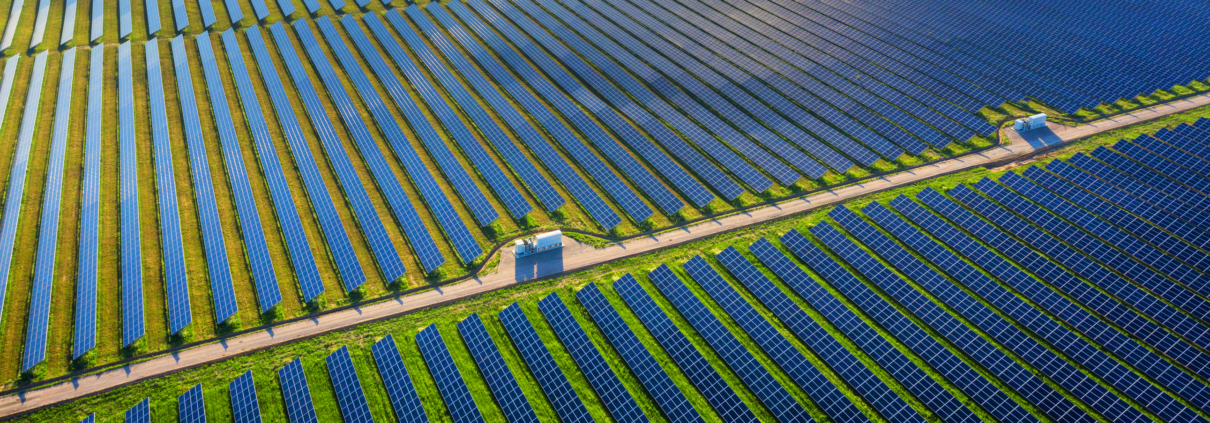
The cost of both solar power – which the International Energy Agency calls the “cheapest source of electricity in history” – and wind power has dropped in recent years, and the new legislation is expected to push down costs even further.

Currently, very few solar panels are made in the US, but the IRA proposes to change that by providing incentives for new factories to make every subcomponent of the solar supply chain as well as paying those factories for every item that they produce. The IRA will restore the current renewable energy Section 451, which is a production tax credit (PTC), as well as Section 48, which is the investment tax credit (ITC), to their full pre- “phaseout” rates, just as these tax incentives were set to expire or wind down. This means greater incentives for generators. Another type of tax credit would be aimed at clean energy companies to deploy more solar, wind, and batteries on the grid, extending existing credits another 10 years.

What’s more, it will add an advanced manufacturing tax credit for manufacturers of solar and wind components in the United States. Meanwhile, clean-electricity tax credits will cause demand for renewable projects, as well as new solar panels, wind turbines, batteries, and other components, to boom. And because of the interconnected global nature of the economy, this could help those technologies become more easily available to other countries, too.

What will be the IRA’s impact on climate change?

Various estimates from the scientific community put the reduction in US greenhouse-gas emissions at about 30-40% below 2005 levels by 2030 as a result of the IRA, bringing the US closer to delivering President Biden’s pledge of a 50% reduction which he made last year.

However, for some environmental advocacy groups, the IRA doesn’t go far enough – especially because it includes multiple provisions that increase fossil fuel production. One group, the Climate Justice Alliance, has gone so far as to oppose it, arguing that its harms currently outweigh its benefits.

And while the IRA is a historic piece of legislation that signals to other nations that the US is now on board to address climate change, the country still has some way to go when it comes to catching up with climate action elsewhere.

Even with the Inflation Reduction Act, green investments by the United States since 2020 lag behind those of France, Italy, and South Korea when historical emissions are factored in, according to data from the University of Oxford’s Global Recovery Observatory.

Meanwhile, compared to its neighbors in the south, the US is only getting started when it comes to climate change legislation. In recent years, Mexico, Guatemala, Honduras, Colombia, Peru, Brazil, Argentina, Chile, and Paraguay have all enacted climate laws that establish measures to promote more sustainable economies and reduce emissions.

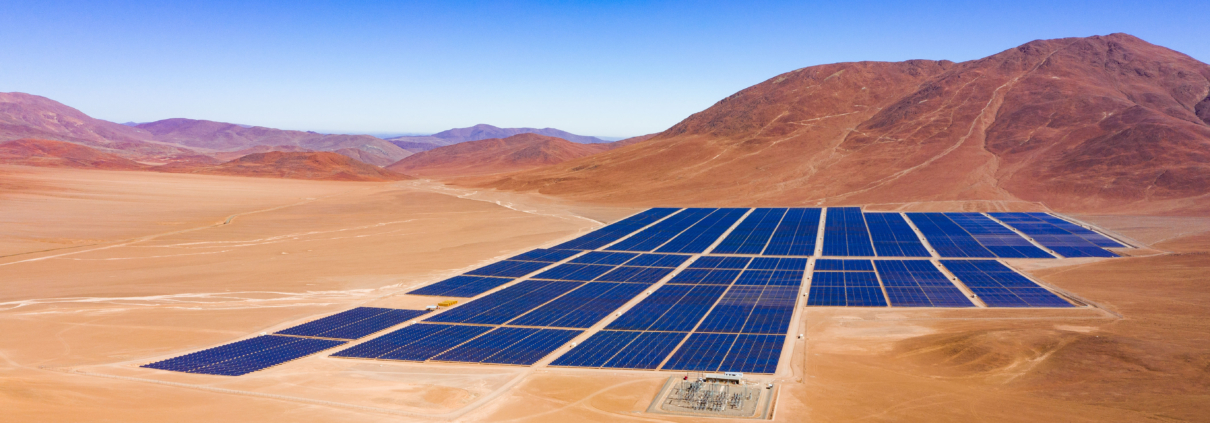
What’s more, much of the region is already playing a world-leading role in renewable energy generation. At a recent event hosted by Duke’s Energy Initiative and the Nicholas Institute for Environmental Policy Solutions and funded by the US Department of State, Christine Folch, assistant professor of cultural anthropology at Duke University, said: “In the United States we get about 20% of the electricity we consume through renewable energy resources. We get almost two-thirds of the electricity consumed by burning fossil fuels. There is only one region in the world where this is not the case, and that is Latin America.”

She added: “What that means is that as we’re thinking about a post-fossil fuel world, as we think about the politics and economics that come from a transition from relying mainly on fossil fuels to moving to renewable energy resources, the area of the world that can show us about what that might look like is Latin America.”

What is the Atlas viewpoint?

As a company truly committed to building a cleaner, more sustainable future, Atlas supports the US government’s action to advance renewable energy investment and take crucial steps to tackle the urgent crisis of climate change.

Whether the law can live up to its historic promise will now depend on whether these subsidies and massive investments can be deployed quickly and at scale. P rivate sector companies such as Atlas, with experience in rolling out renewable energy infrastructure across the Americas, will play an important role in implementing the IRA’s vision.

Although the world still has some way to go in achieving the goals laid out in the Paris Agreement, the bold action in the IRA is a major inflection point, and we look forward to seeing more governments around the world take positive action that is good for the climate, and good for the future.

In partnership with Castleberry Media, we are committed to taking care of our planet, therefore, this content is responsible with the environment.

Share This Entry

More articles

October 06, 2025 Our point of view
Toward COP30: How Renewable Energy Is Rewriting Latin America’s Opportunity Set
October 05, 2025 Our point of view
Renewable Energy-Driven Data Centers: Shaping Mexico's Digital Future
October 05, 2025 Our point of view
The Food Industry and Energy Transition: A Recipe Toward Competitiveness
October 02, 2025 Our point of view
Chilean Mining Sector in Energy Transition: Perspectives and Key Insights Amid New European Regulations
September 23, 2025 Our point of view
Walking the Walk: Making Sustainability Tangible
July 23, 2025 Our point of view
Renewable Energy: The Strategic Choice for Energy Transition in Mining and Oil Operations
July 19, 2025 Our point of view
Innovation That Protects: How Atlas Embedded Health and Safety at the Core of Its Operational Excellence
June 17, 2025 Our point of view
How Renewable Energy Will Power Mexico's Economic Transformation by 2030
June 17, 2025 Our point of view
From Generation to Energy Consumption: The Private Sector's Role in the Energy Transition
May 28, 2025 Our point of view
Energy Trends in the Colombian Market
May 05, 2025 Our point of view
Q&A: Energy Buyer Transitioning Operations to Renewable Energy with Atlas
April 15, 2025 Our point of view
Sustainable Operations: Why Data Centers Are Turning to Renewables
April 15, 2025 Our point of view
The Power of PPAs: Renewable Energy in the Regional Automotive Industry
April 04, 2025 Our point of view
The Strategic Edge of Renewable Energy: Business Advantages
March 10, 2025 Our point of view
Powering AI's Revolution: the Renewable Energy Imperative
March 03, 2025 Our point of view
How BESS is Revolutionizing Latin America's Renewable Industry
February 24, 2025 Our point of view

Renewable Energy Drives Sustainability in the Food Industry
February 06, 2025 Our point of view
The Strategic Role of Storage in Latin America's Energy Transition
February 04, 2025 Our point of view
By the Numbers: Why Companies Are Choosing Renewable Energy Contracts
January 24, 2025 Our point of view
Energy Transition: Opportunities for Multinationals
January 11, 2025 Our point of view
The Multiple Benefits of Renewable Energy Consumption for Companies
November 21, 2024 Our point of view
Clean energy for data centers: the rise of PPAs as a secure solution
November 21, 2024 Our point of view
Operational Cost Optimization: The Strategic Role of PPAs Amidst the Rising Energy Prices
November 21, 2024 Our point of view
How Oil Companies Can Decarbonize Through PPA Contracts
October 30, 2024 Our point of view
Forging Strategic Alliances: Bridging the Gap Between O&G and Renewable Energy
October 16, 2024 Our point of view
The Role of Renewable PPAs in Mitigating Price Volatility
August 24, 2024 Our point of view
Why Are Telecoms Transitioning to Renewable Energy?
July 08, 2024 Our point of view
How are renewable energies transforming the Brazilian economy?
July 03, 2024 Our point of view
PPAs and Contract Structures: Tailoring Renewable Energy Procurement to Corporate Needs
June 25, 2024 Our point of view
Renewable Energies as Key Players in CFO Strategies
June 18, 2024 Our point of view
Colombia’s Roadmap: A Pathway to a Cleaner Energy Matrix
June 18, 2024 Our point of view
Atlas Renewable Energy's big bet on renewable energy development in Colombia.
June 17, 2024 Our point of view
The Pivotal Role of Renewable Energies in Mitigating El Niño's Impact in Colombia
June 17, 2024 Our point of view
Understand the limits of carbon capture in the energy transition
June 17, 2024 Our point of view
Understand the advantages of contracting renewable energy for your company
April 26, 2024 Our point of view
Navigating the Energy Transition: The Impact of COP 28 Agreements on Corporate Strategy
April 10, 2024 Our point of view
AI and its impact on renewable energy
April 09, 2024 Our point of view
Social License: The Crucial Factor in Ensuring a Responsible Energy Transition
February 16, 2024 Our point of view
How innovative technologies are driving the future of renewable energy
January 30, 2024 Our point of view
Is a Dollar-Based PPA Ideal for Achieving Your Company’s Sustainability Objectives?
January 24, 2024 Our point of view
How sustainable energy strategies can provide stability in uncertain times
December 12, 2023 Our point of view
Innovation in Corporate Clean Energy: Atlas Renewable Energy is Leading the Way in Latin America
November 09, 2023 Our point of view
Renewables and Storage: The perfect combination to meet energy demand
August 03, 2023 Our point of view
CLEAN ENERGY FOR THE ALUMINUM INDUSTRY
June 21, 2023 Our point of view
How renewable energy sources can contribute to the food industries sustainability journey
May 09, 2023 Our point of view
Powering the concrete and cement industry with renewable energy: A pathway to a just transition for the construction sector
May 09, 2023 Our point of view
Unlocking the full potential of renewable energy investment in partnership with development finance institutions
May 09, 2023 Our point of view
GREEN HYDROGEN: TOWARDS NET ZERO
April 26, 2023 Our point of view
Renewable energy: Making the circular economy happen in the chemicals industry
April 21, 2023 Our point of view
Atlas recognizes the development of renewable technologies in Latin America
March 27, 2023 Our point of view
How the surge in renewable energy investment is making it easier for companies to transition
February 24, 2023 Our point of view
IN CONVERSATION WITH ATLAS: HOW WE PARTNER WITH CLIENTS TO CREATE A REAL IMPACT
January 27, 2023 Our point of view
WHY COP27 IS MORE RELEVANT THAN EVER
January 12, 2023 Our point of view
What governments should take into account to make a real transition to renewable energies
December 13, 2022 Our point of view
Renewable Energy Trend Watch: Self-generation in Brazil
December 07, 2022 Our point of view
What you need to know about the rise of I-RECs in Brazil
October 18, 2022 Our point of view
How I-RECs can offer a new level of transparency as companies get real on climate change
September 26, 2022 Our point of view
What can renewable energy do for the mining sector?
August 29, 2022 Our point of view
How the Inflation Reduction Act could turbocharge the renewable energy sector
August 16, 2022 Our point of view
Power Purchase Agreements (PPAs): A Source of Stability in a Climate of Change
June 21, 2022 Our point of view
Web3 and the metaverse: an inflection point for the energy transition
June 07, 2022 Our point of view
What to look out for in a renewable energy contract
June 01, 2022 Our point of view
TOWARDS NET-ZERO INDUSTRIAL HUBS: THE ROLE OF RENEWABLE ENERGY
May 20, 2022 Our point of view
Avoiding Greenwashing and Make the Shift to True Sustainability
April 06, 2022 Our point of view
Closing the green divide in the tech industry
March 18, 2022 Our point of view
How renewables can help feed the world without overwhelming the planet
February 24, 2022 Our point of view
Ensuring the triple bottom line for your renewable energy strategy: the biggest return on investment
February 23, 2022 Our point of view
The vital role corporations play in achieving the COP26 commitments
December 20, 2021 Our point of view
How generating sustainable change at scale leads to positive tangible environmental and consumer impact
December 20, 2021 Our point of view
Diversity and Inclusion: The Atlas Perspective
October 28, 2021 Our point of view
COP26: What corporations should know
October 27, 2021 Our point of view
LAGGARDS AND LEADERS: CLOSING THE GAP IN THE TRANSITION TO RENEWABLE ENERGY
October 26, 2021 Our point of view
MAKING CIRCULAR ECONOMY HAPPEN
October 08, 2021 Our point of view
WHY GREEN HYDROGEN IS PART OF THE ENERGY MATRIX OF THE FUTURE
October 06, 2021 Our point of view
WHY COVERING THE ENERGY NEEDS OF DIGITALIZATION SUSTAINABLY IS IMPORTANT
July 07, 2021 Our point of view
ELECTRIC VEHICLES AND RENEWABLE ENERGY: A PERFECT MATCH
July 01, 2021 Our point of view
MAKING IT COUNT: DIVERSITY, INCLUSION, AND SOCIAL DEVELOPMENT IN RENEWABLE ENERGY
July 01, 2021 Our point of view
SUSTAINABLE LEADERSHIP: FROM WORDS TO ACTION
June 30, 2021 Our point of view
WHY WE’RE STILL OPTIMISTIC ABOUT FIGHTING CLIMATE CHANGE
May 10, 2021 Our point of view
RENEWABLE ENERGY IS AT ITS BEST: SOLAR SHINES BRIGHT
May 07, 2021 Our point of view
WHAT THE LEADERS SUMMIT ON CLIMATE MEANS FOR CORPORATIONS
March 30, 2021 Our point of view
CARBON PRICING IS INEVITABLE – DON’T BE CAUGHT OUT
March 29, 2021 Our point of view
A SYSTEMIC VIEW OF DIVERSITY AND INCLUSION
March 18, 2021 Our point of view
BIDEN’S PLAN: RENEWABLES ON THE RISE IN THE US
March 15, 2021 Our point of view
THE NEW GREEN CONSUMER: HOW EMERGING TRENDS ARE SHAPING SUSTAINABILITY INITIATIVES
March 15, 2021 Our point of view
WHY INVESTORS ARE FLOCKING TO THE RENEWABLES SECTOR
February 19, 2021 Our point of view
2021: BEYOND THE INFLECTION POINT FOR RENEWABLE ENERGY
December 14, 2020 Our point of view
Corporate sustainability: is your company doing enough?
November 20, 2020 Our point of view
Creating renewable energy success stories: experience in the chemical sector
November 12, 2020 Our point of view
How ESG is taking center stage in Latin America
October 16, 2020 Our point of view
Joining forces: Why you should look for innovation in your solar energy partner
August 21, 2020 Our point of view
Why now is the time to invest in Latin America’s renewables market
August 20, 2020 Our point of view
Gaining certainty in uncertain times: the impact of renewables on energy-intensive industries in Latin America
July 20, 2020 Our point of view
How renewable energy project execution is powering ahead despite Covid-19
July 06, 2020 Our point of view
7 factors influencing the renewables market in Latin America
June 03, 2020 Our point of view
The rise of corporate PPAS in Latin America
May 11, 2020 Our point of view
Can renewable energy power Latin America’s recovery after Covid-19?
February 02, 2020 Our point of view
Atlas Renewable Energy’s innovative approach to renewable energy
February 02, 2020 Our point of view
Education and Solar Energy go hand in hand in rural Mexico
June 18, 2019 Our point of view
Why are large mining companies embracing Solar Energy?
May 17, 2019 Our point of view
How financial innovation can drive the growth of renewables in Latam