
How Renewable Energy Will Power Mexico’s Economic Transformation by 2030
Mexico Confronts Its Most Significant Energy Opportunity: 29 GW of Renewable Capacity by 2030, and Storage Technology Breakthroughs Could Redefine Its Economic Future and Establish a Regional Paradigm for Latin America
Through strategic renewable energy advancement, Mexico is positioned to transform its economic architecture over the next five years. Government projections anticipate over USD 22 billion in energy sector investment. This comprehensive strategy targets 29 GW of clean energy capacity additions by 2030—advancing the nation’s dual objectives of reducing fossil fuel dependence, which currently comprises 66.1% of electricity generation and achieving a 35% reduction in greenhouse gas emissions by 2030.
Concurrently, expanding energy generation capacity remains essential to prepare national infrastructure for steadily escalating demand. This pressure stems from economic phenomena such as nearshoring, which fundamentally restores Mexico’s industrial landscape and necessitates a more robust, cleaner, and competitively priced energy matrix to sustain strategic development. Within this context, Mexico maintains a strong competitive position. According to IRENA, its levelized costs for solar (USD 0.044/kWh) and wind energy (USD 0.033/kWh) are substantially lower than fossil fuel alternatives.
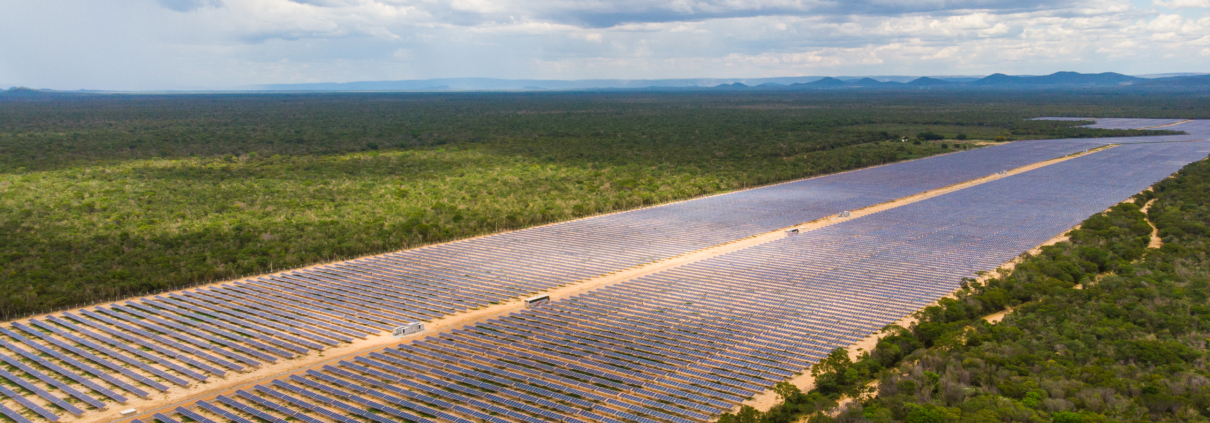
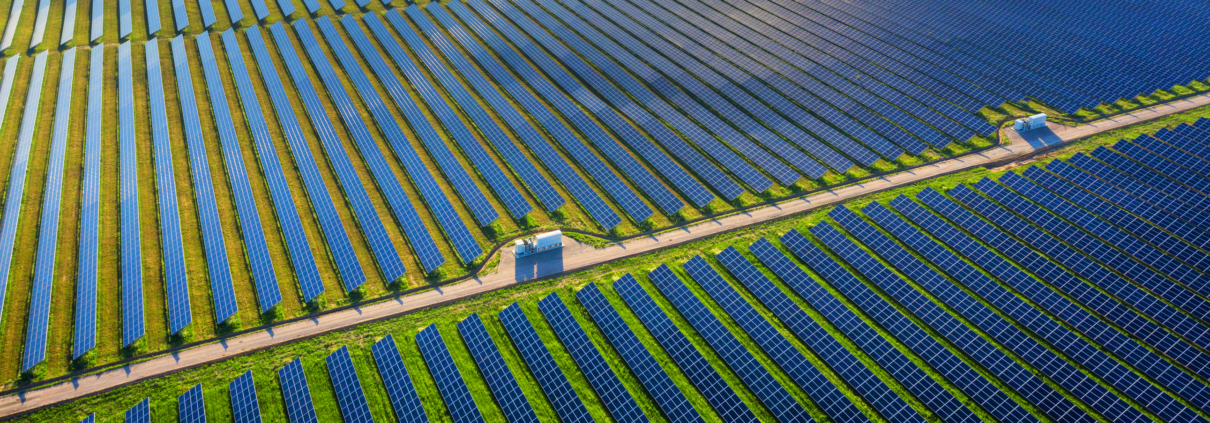
Mexico also benefits from exceptional geographic advantages for renewable energy development: wind potential estimated at 71,000 MW, with 11,000 MW economically viable under capacity factors exceeding 30%, and average daily solar irradiation of 5.5 kWh/m²—positioning it among global leaders for solar and wind deployment.
Against this backdrop, examining how renewable energy can underpin Mexico’s industrial and commercial expansion represents a strategic necessity and a unique opportunity to establish the country as a regional energy hub. As demand intensifies, the imperative to scale sustainable energy solutions capable of supporting that growth becomes increasingly urgent.
The Energy Transition’s Impact on Key Sectors
Renewables—solar, wind, and hydro—currently constitute just over 24% of Mexico’s electricity generation, substantially below the 35% target the country had established for 2024.
However, President Claudia Sheinbaum’s administration has launched a comprehensive strategy to elevate clean energy sources to 45% by 2030. Under this framework, the Federal Electricity Commission (CFE) would generate 54%, with private sector contribution comprising the remaining 46%. This energy mix is designed to transform strategic sectors by reducing energy costs, generating employment, and attracting foreign direct investment.
Renewable Investment: A Foundation for Sustained Economic and Industrial Growth
Nearshoring—the strategic relocation of supply chains closer to consumer markets—has positioned Mexico as a critical destination for global manufacturing networks, attracting capital investment and strengthening relationships with strategic markets.
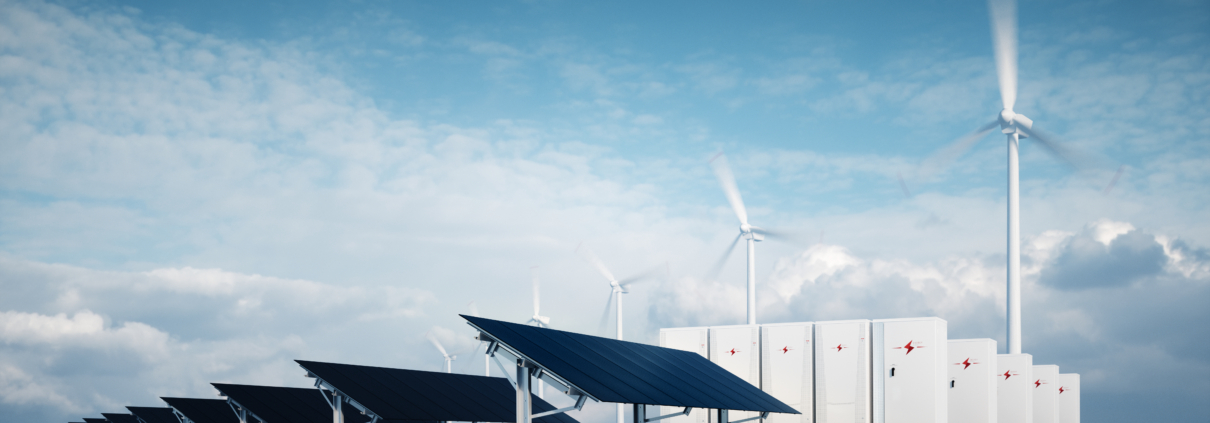
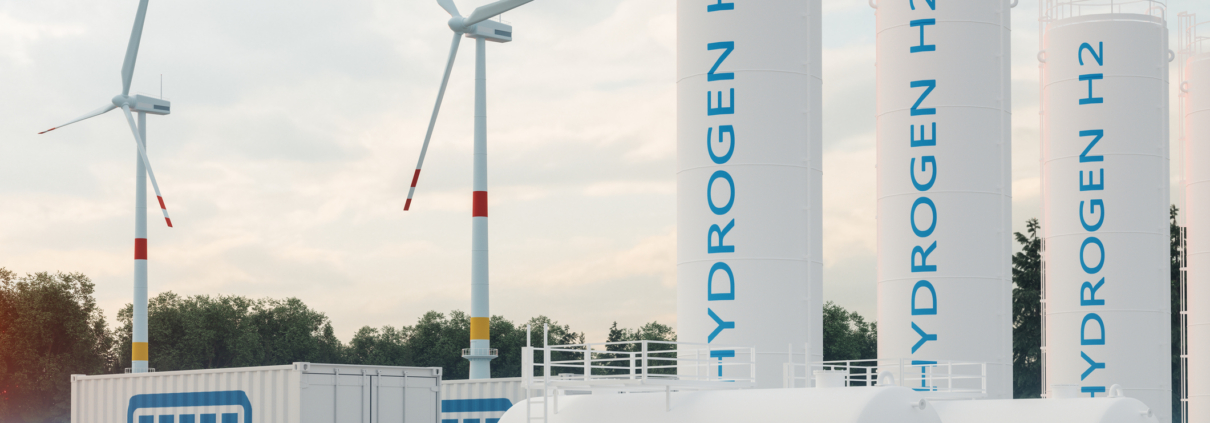
In 2024, foreign direct investment (FDI) reached USD 36.87 billion, driven by geographic proximity to the United States and free trade agreements with over 50 countries. To continue attracting industrial projects, Mexico must ensure the capacity to meet future energy demand, with renewable energy paired with battery storage (BESS) emerging as the optimal solution for building a competitive, reliable, and sustainable market.
According to the National Electric System Development Program (Prodesen), nearshoring is driving a 2.5% annual increase in energy demand. If renewable capacity expansion fails to maintain pace, the deficit may be addressed through imported natural gas—as occurred in 2024, when imports reached record levels, exposing companies to price volatility.
To address this challenge, the government unveiled the “2025–2030 National Electric System Strengthening and Expansion Plan,” which allocates USD 22 billion in public funding for generation, transmission, and distribution, emphasizing renewables. Additionally, the private sector is positioned to develop 6,400 MW of new solar, wind, and storage projects by 2030, operating synergistically with the CFE.
By strengthening its energy infrastructure, Mexico not only enhances grid reliability and positions itself as a gateway to Latin America for industries seeking elevated environmental standards, aligning with global net-zero commitments.
Impact on High-Energy-Consumption Sectors
The renewable energy transition is positioned to redefine competitive dynamics within Mexico’s strategic sectors, particularly data centers, mining, and automotive manufacturing, all characterized by intensive energy consumption and dependence on stable supply for operational continuity. According to BloombergNEF, costs for clean technologies, including solar, wind, and battery storage, are projected to decline by 2% to 11% in 2025. This downward trajectory enhances affordability for emerging markets such as those in Latin America, enabling more agile and financially viable transitions.
Data centers in Mexico currently consume 305 MW, but demand is projected to reach 1,492.7 MW within five years, driven by artificial intelligence (AI) and digital infrastructure expansion. Renewables can facilitate electricity cost reductions and emissions decreases of 10% to 14%.
Mining, contributing 8.5% to Mexico’s GDP, requires substantial energy for smelting and refining operations. Transitioning to renewables would reduce operational costs and enhance the sector’s sustainability profile with institutional investors.
Similarly, the automotive industry could achieve up to 40% energy cost reductions through renewable and storage system integration, strengthening global competitiveness and meeting increasingly stringent environmental regulations.
Incorporating renewables has evolved beyond environmental consideration—it represents a competitive advantage capable of repositioning Mexico as a sustainable industrial hub and attracting increased foreign investment. Given the current energy demand acceleration, renewables supported by storage technologies emerge as a reliable solution for ensuring a consistent supply and meeting the rigorous performance standards of the contemporary industrial era.
Opportunities for Cost Reduction and Operational Efficiency
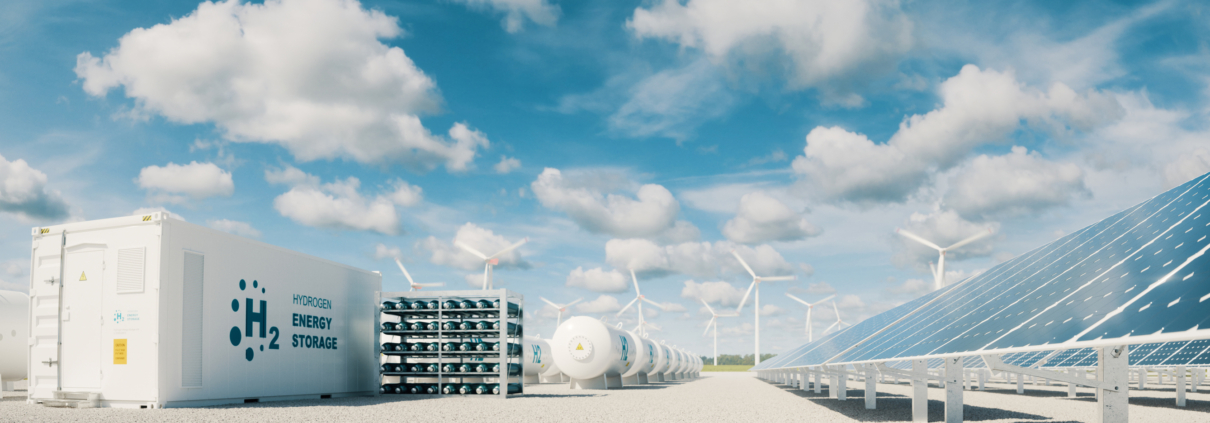
Renewable energy price stability provides competitive advantages over fossil fuel volatility—but this advantage becomes significantly amplified when supported by storage technologies (BESS). Without such solutions, curtailment and intermittency in solar output can compromise reliability and necessitate reliance on fossil or non-conventional alternatives.
Power purchase agreements (PPAs) effectively reduce operating costs and ensure supply stability for mid-market enterprises. By securing long-term rates with renewable sources, companies can hedge against market volatility, improve financial planning, and advance sustainability objectives without compromising competitive positioning.
Distributed generation—producing renewable energy proximate to consumption sites while maintaining grid connectivity—has become an efficient solution for large industrial consumers. Through PPAs, companies can access competitively priced clean energy generated off-site without requiring internal infrastructure development. This model enables energy cost savings, supply reliability, and sustainability progress without straining internal resources.
For smaller industries or those in off-grid locations, behind-the-meter (BTM) models—where energy is generated and consumed on-site—offer alternative solutions. While effective in specific applications, these solutions are often constrained by space limitations and installed capacity.
Conversely, energy-intensive enterprises such as manufacturing or data centers can benefit from connectivity to operational renewable facilities, gaining access to competitive pricing and secure supply without conventional grid dependence.
PPAs provide additional strategic options. These contracts enable companies to purchase renewable energy at stable, long-term rates. According to IRENA, in 2023, solar and wind energy were up to 56% more cost-effective than conventional sources.
Atlas Renewable Energy specializes in PPAs with direct supply from proprietary projects, integrating storage-backed solutions to ensure consistent, reliable renewable energy at competitive pricing.
A notable example is the agreement with Grupo CAP in Chile, which guarantees 450 GWh annually of battery storage to ensure a 24/7 energy supply. Another is the PPA with ODATA, which provides 100% I-REC-certified renewable energy to its Chilean data centers. With AI and cloud services driving growth, this partnership solidifies Chile’s position as a clean energy technology hub.
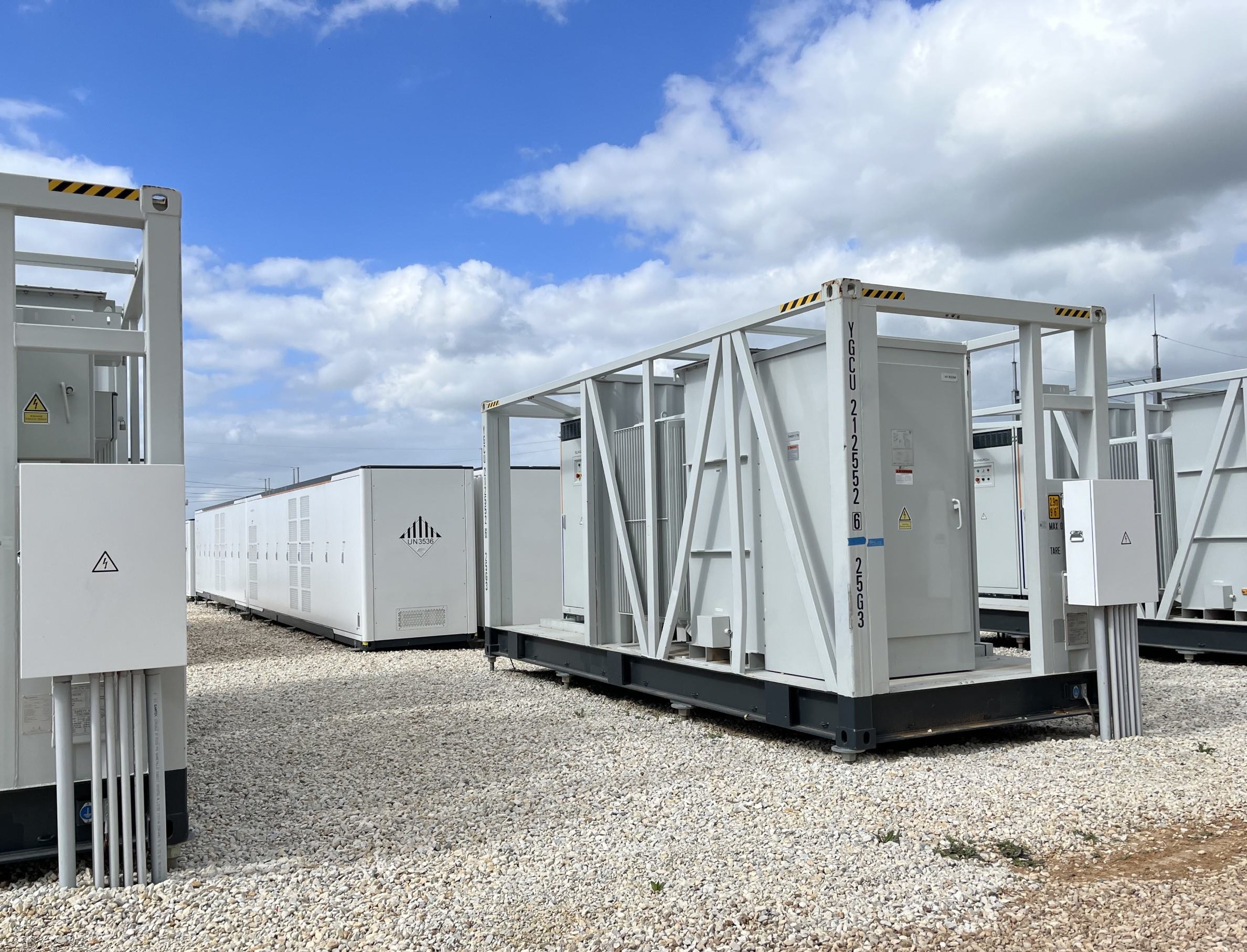
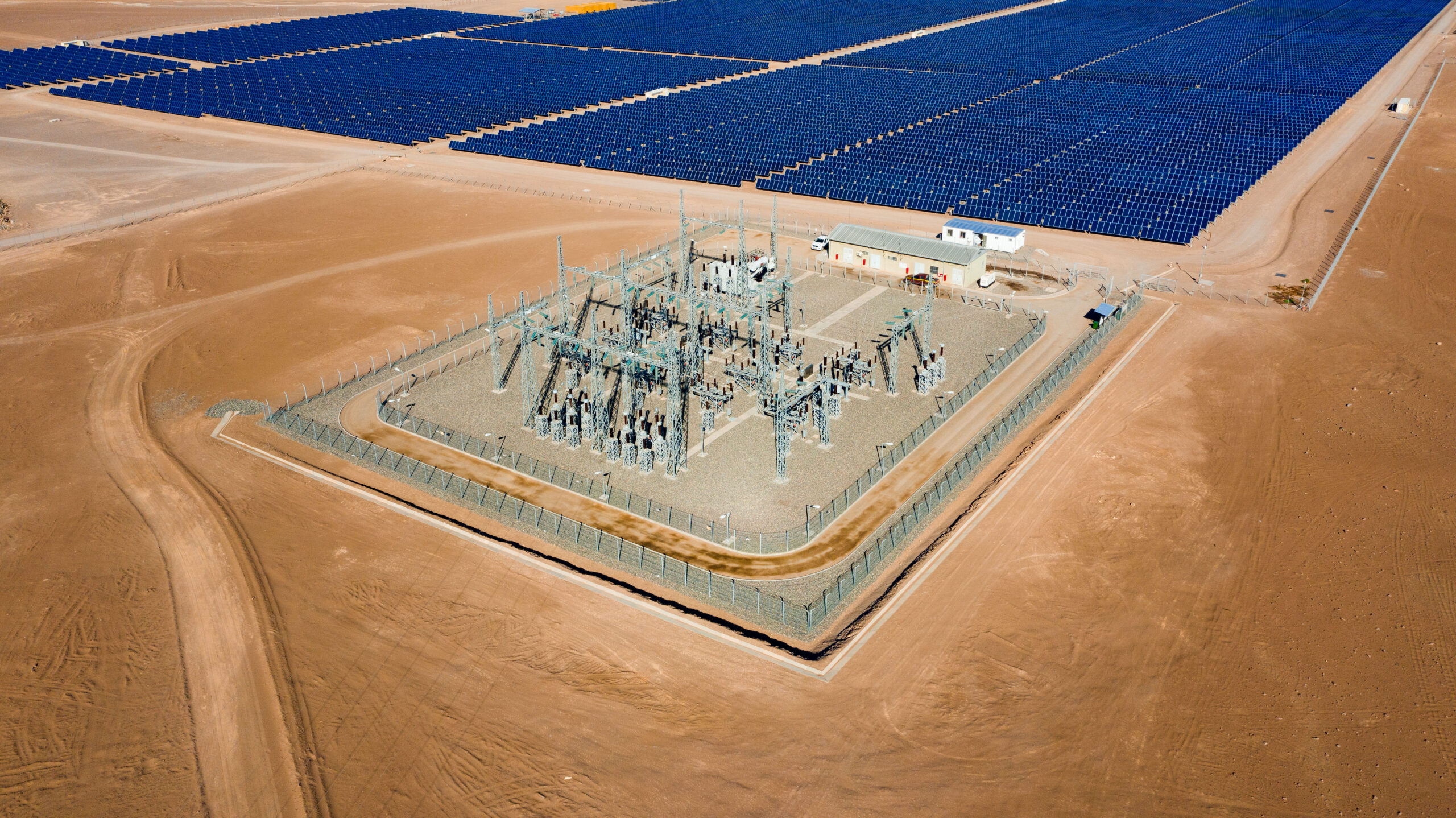
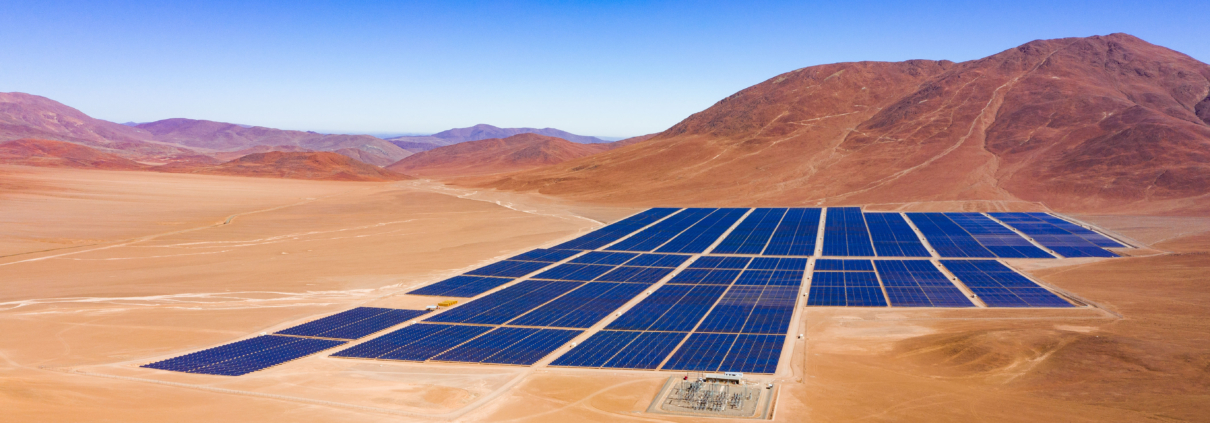
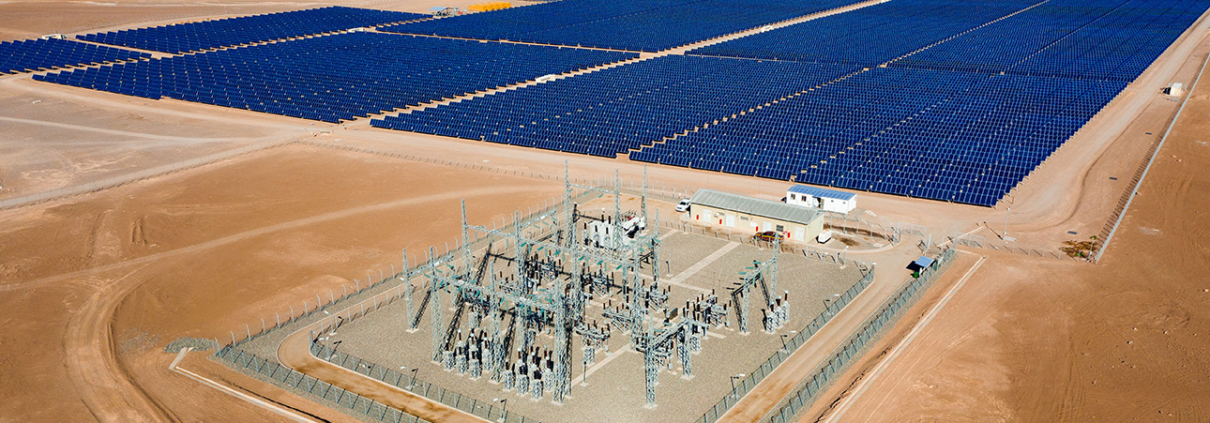
Atlas also achieved a landmark milestone with the recent launch of the BESS del Desierto system in Chile—Latin America’s first large-scale standalone storage system. Located in the Antofagasta region, the system offers 200 MW of installed capacity and can store up to 800 MWh, reinjecting approximately 280 GWh annually into the national grid. Its advanced technology enables autonomous operation, storing excess solar energy during peak production and releasing it during high-demand periods, enhancing grid stability and positioning Chile as a regional benchmark in energy innovation.
Renewables: Employment Projections and Economic Impact
Latin America’s energy transition is strengthening energy security while catalyzing job creation. In 2023, over 2 million renewable energy positions were created regionally, led by Brazil and Mexico. According to IRENA, the sector employed 16.2 million people and is projected to expand further by 2030 as renewable capacity triples.
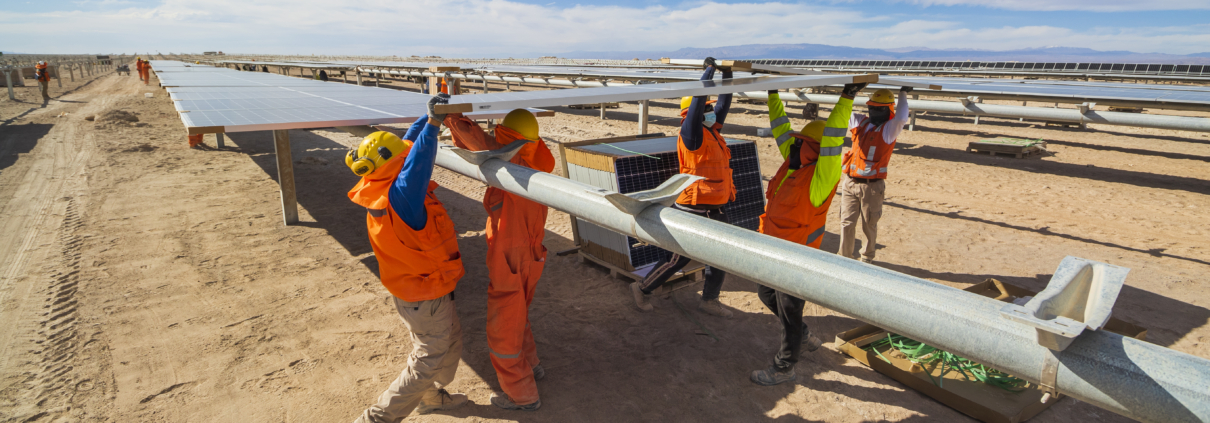
Mexico now confronts a unique opportunity. A Global Green Growth Institute (GGGI) study projects that renewable energy will generate over 600,000 job-years domestically by 2030.
With government targets to increase renewable capacity from 25% in 2024 to 45% by 2030, the labor market is positioned to expand in critical areas, including installation, maintenance, and clean technology manufacturing.
Talent development, alongside private sector investment, will prove essential to sustaining this growth. Since its 2017 founding, Atlas Renewable Energy—supported by an asset base exceeding 8.4 GW in renewable projects—has created thousands of positions across Latin America and is leading the transition with initiatives supporting workforce development and early community engagement.
Additionally, through its “We Are Part of the Same Energy” program, Atlas has trained over 1,500 women across Latin America, promoting female participation in the industry.
The energy transformation catalyzes sustainable development. With strategic investments in talent and technology, Latin America is well-positioned to become a global leader in renewable energy and green employment.
The Role of Policy and Regulation in the Energy Transition
Public policy and regulatory modernization are pivotal in accelerating Mexico’s energy transition and attracting private investment in renewables. Since March 2025, Mexico has operated under a new legal framework that modernizes the electricity system and creates new growth opportunities.
A key development is enacting the Electricity Sector Law (LESE), replacing the 2014 Electricity Industry Law. The new legislation redefines public-private roles in energy generation: the state, through CFE, must guarantee 54% of the supply, while private entities may provide the remaining 46%, creating opportunities for new renewable investment.
Concurrently, the Planning and Energy Transition Law reaffirms Mexico’s commitment to a cleaner energy matrix by establishing clear renewable targets and aligning national policies with international climate objectives.
Differentiated permitting processes are now implemented on a generation scale to facilitate project development. Projects under 20 MW can access streamlined procedures, promoting distributed and mid-scale generation growth. Meanwhile, the Clean Energy Certificates (CELs) system remains operational, requiring large consumers to include renewables in their energy mix, generating structural demand for clean projects.
The Ministry of Energy will also publish an annual Electric Sector Development Plan, outlining generation and transmission priorities focusing on renewable technologies. The first plan under the new regime is expected by March 18, 2026, and will serve as the official roadmap for national infrastructure expansion.
Fiscal incentives remain in effect, including full deductibility for solar system installations in annual tax filings and accelerated 100% depreciation in the first year. Energy surplus commercialization is also promoted, improving the financial viability of renewable ventures.
This revamped regulatory landscape provides legal certainty for investors and positions Mexico to lead Latin America’s energy transition by combining public policy, fiscal incentives, and a clear roadmap toward a cleaner, more resilient, and competitive energy matrix.
Mexico at the Threshold of a New Energy Era: Investment, Employment, and Competitiveness
Mexico stands at an inflection point in its energy paradigm. The planned USD 48 billion investment in renewables and the objective of adding 29 GW of capacity by 2030 will not only facilitate climate target achievement but also strengthen strategic sectors.
Renewable expansion will reduce energy costs, enhance industrial competitiveness, and create thousands of positions in installation, maintenance, and technological development. The impact will intensify as nearshoring accelerates, making clean and stable energy essential for attracting foreign investment and strengthening manufacturing capabilities.
Regulatory clarity and fiscal incentives will be decisive in ensuring this transformation remains sustainable and competitive. If fully implemented, Mexico possesses the potential to become a regional renewable energy hub, unlocking economic growth, energy independence, and long-term sustainability.
To learn more about how our projects are transforming the energy supply for major industries in Latin America, visit our press room: https://www.atlasrenewableenergy.com/es/noticias/
At Atlas Renewable Energy we have a WhatsApp channel ready to assist you. Through it, you can get quick answers to your questions. Contact us and discover how easy it is to connect with us!
This article was created in partnership with Castleberry Media. At Castleberry Media, we are dedicated to environmental sustainability. By purchasing carbon certificates for tree planting, we actively combat deforestation and offset our CO₂ emissions threefold.
Share This Entry