
How generating sustainable change at scale leads to positive tangible environmental and consumer impact
Corporate sustainability has gone from being a “nice to have” to a “must-have”, as business leaders around the world start to factor in meeting the needs of the present without compromising the ability of future generations to meet theirs.
Although the spotlight is most often on polluting industries, organizations operating within sustainable industries also have a role to play in adopting more sustainable practices across their operations.
In this deep dive, we take a look at how companies can adopt measures that generate positive changes at scale, leading to a real environmental and consumer impact.
Why sustainability is important for business
The environmental and societal benefits of a sustainable economic model are clear, and have been brought into sharp focus by Covid-19. More and more, consumers around the world are asking the companies they purchase from to do the right thing, with the EY Future Consumer Index finding they are willing to pay a premium for sustainable products and services as the post-pandemic recovery begins.
At the international level, the upcoming COP26 meeting – touted as the “most important climate meeting of our generation” – will see countries present more ambitious commitments toward net-zero emissions.
And with rising regulatory risks and the prospect of carbon taxes in several markets, it is clear that companies must embrace sustainable business models now.
To create truly transformational change, creating shared benefits for the people and the places where we operate should become the minimum expected of every company.
We believe that companies like us have a responsibility to step forward and help spearhead this trend, in a responsible way with regard for all stakeholders.
The Atlas way
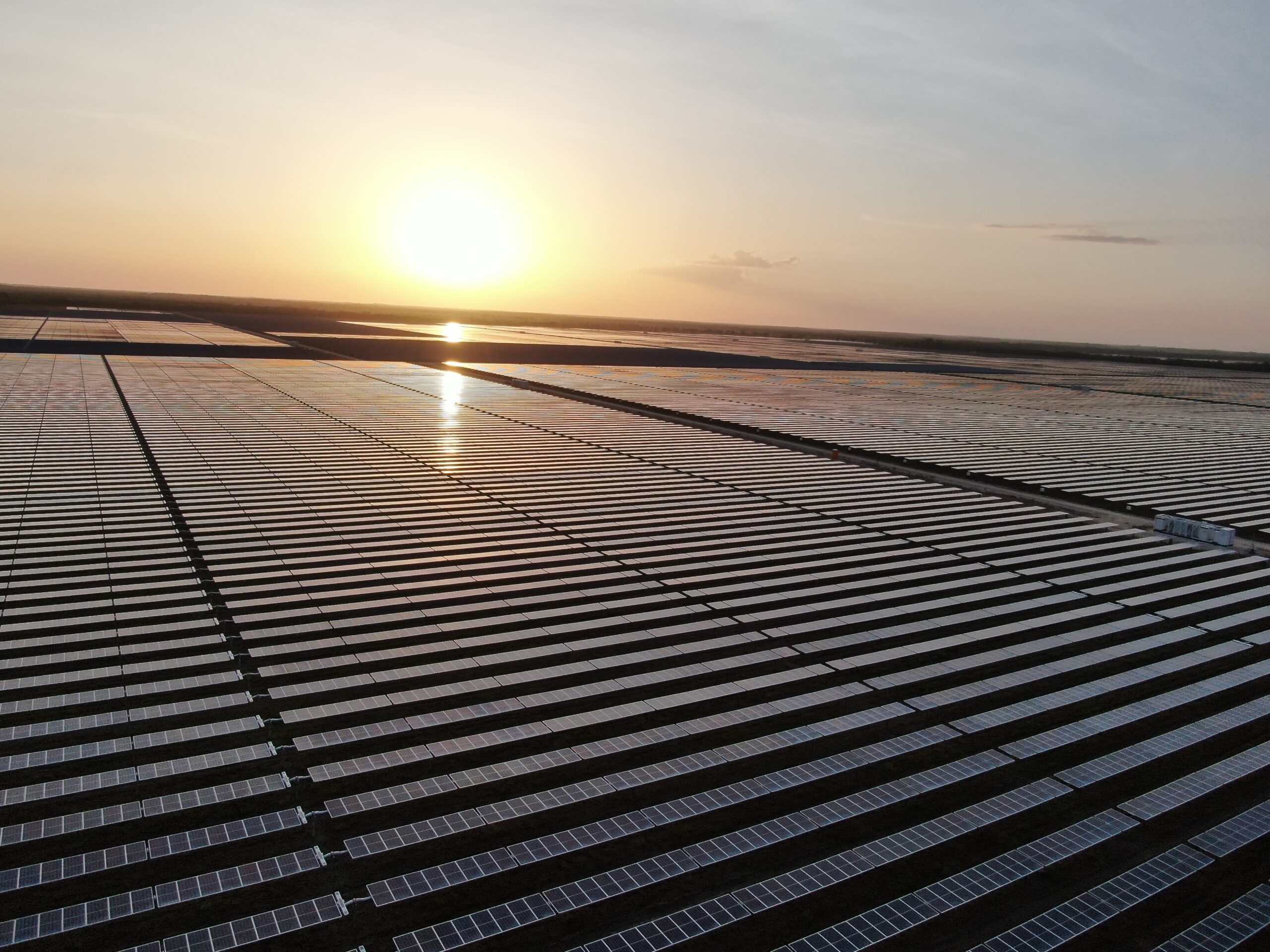
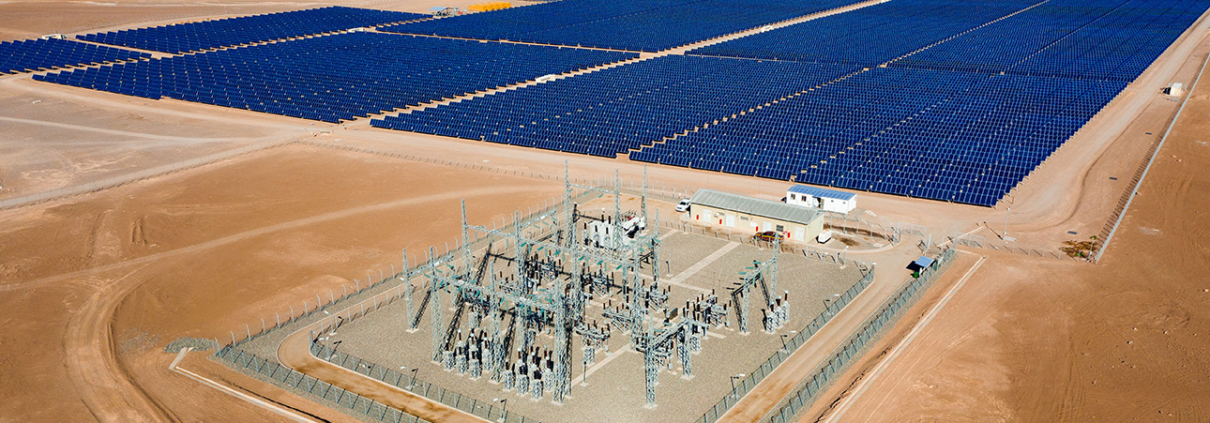
Atlas Renewable Energy was conceived with sustainability at its core. Since our launch in 2017, our vision has been to accelerate the energy transition towards clean energy while driving positive change in the wider industry. For us, this meant creating a company that would positively disrupt and elevate today’s energy sector, always putting sustainability and social progress as a core pillar of our mission. This has enabled us to become one of the fastest-growing renewable energy companies while establishing meaningful, tangible commitments with the communities where we operate.
Over the past four years, however, what we mean when we talk about sustainability has evolved. For example, an initial belief in environmental impact mitigation has grown into a commitment to zero net loss of biodiversity wherever we operate. As the conversation moves on, we believe that there is an opportunity for companies around the world to take decisive action as sustainability leaders.
Maximizing impacts
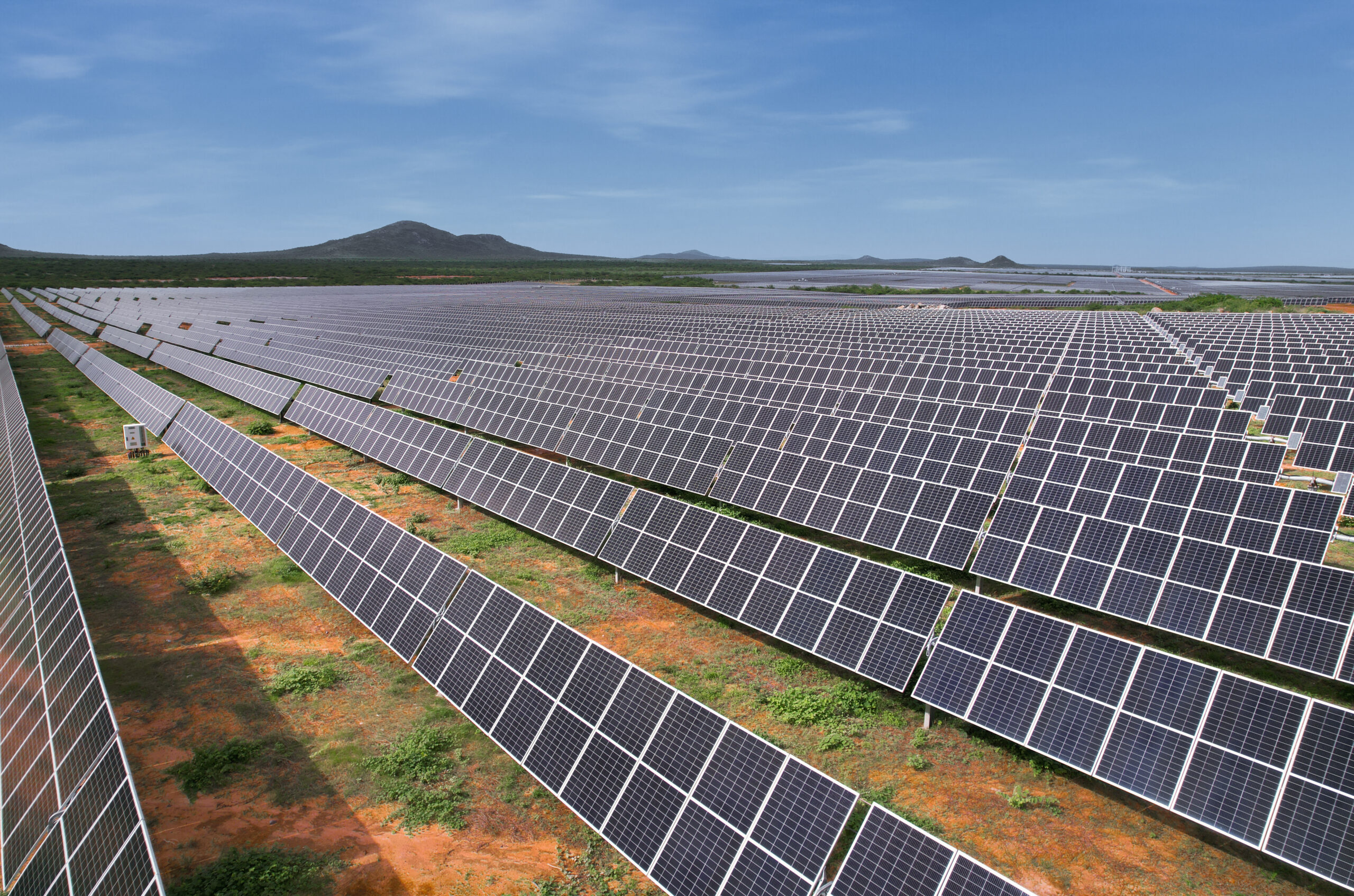
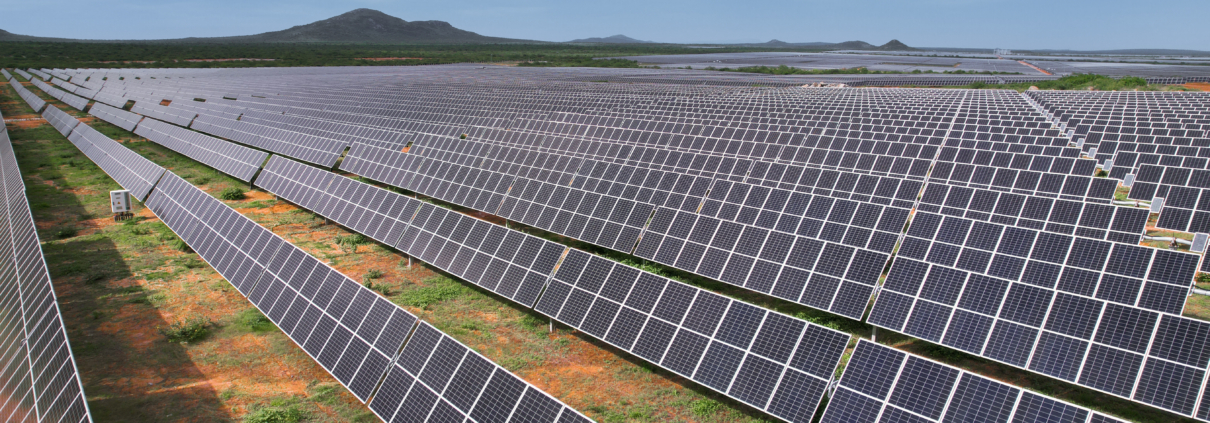
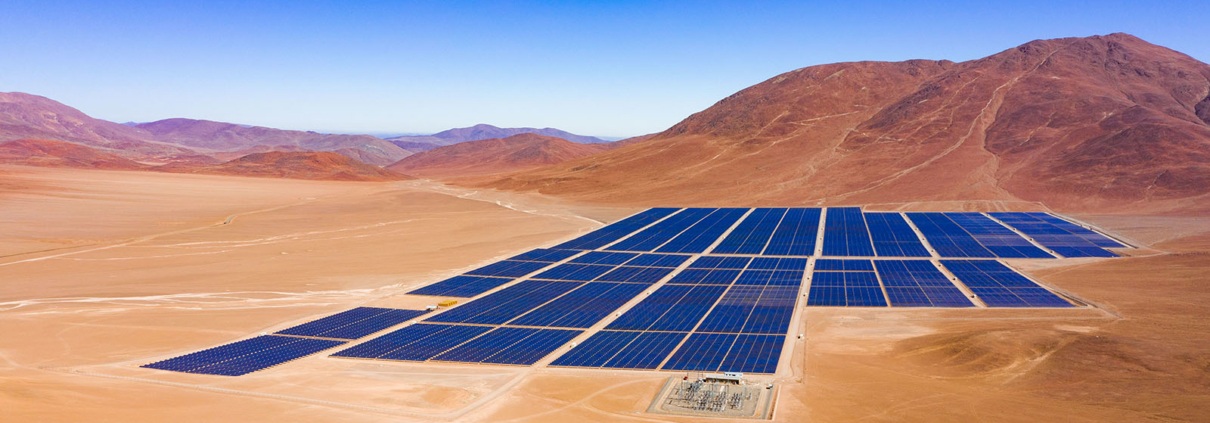
Renewable energy companies are driving the energy transition, and the environmental benefits from our activities are enormous. However, we believe that there is little point in saving carbon emissions through our solar plants without taking into account the social and governance impacts of what we do.
By adopting ESG principles of operations, companies operating within sustainable industries can provide additional value to society and better manage the risks and opportunities arising from a wider group of stakeholders – from the communities in which they operate to the workforce they employ.
At Atlas, this means taking steps to improve our own carbon footprint, including avoiding the use of paper in our offices, improving recycling schemes, and implementing measures to encourage more flexible forms of working in order to reduce emissions from commuting. We have also sought to embed and strengthen green practices in the communities where we operate. Finally, as a company focused on having a positive impact on the people we interact with and the environments we operate in, we have worked hard to strengthen diversity, inclusion, and development as a whole.
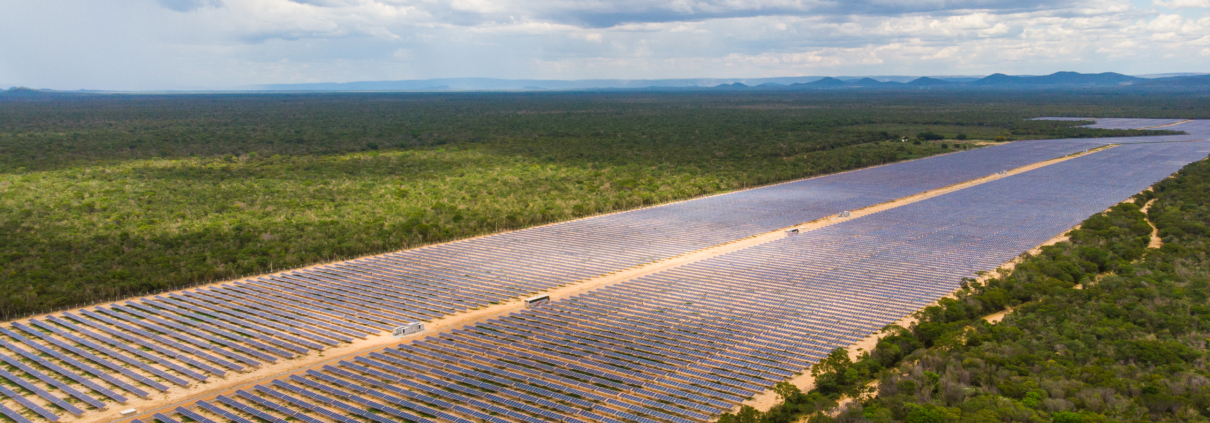
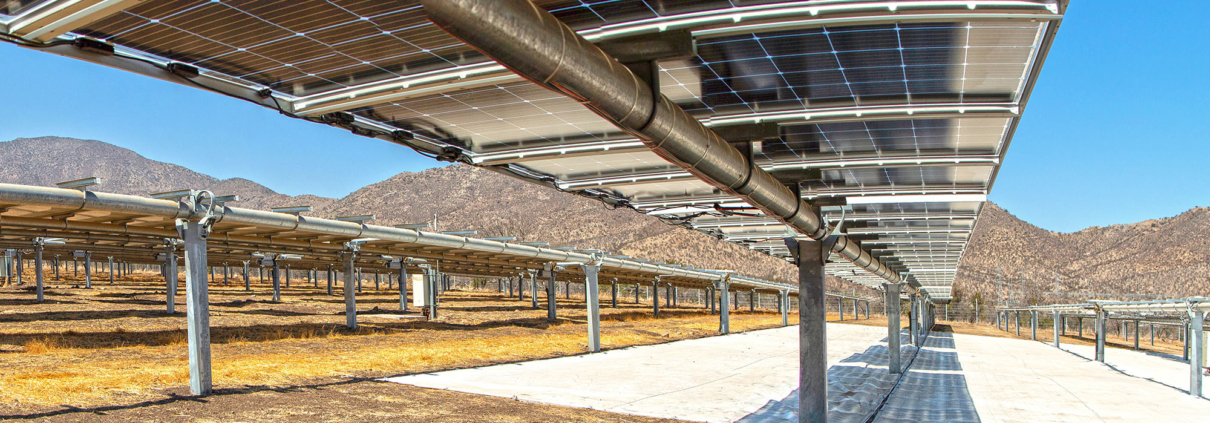
Alongside these factors, we maintain a continual focus on innovation. This increases the value and efficiency of the projects that we develop and operate. It also maximizes the value of the raw materials we use, while minimizing the overall supply of materials we need. For example, improvements to the power generation capacity of the photovoltaic panels we use will lead to a lower number of panels being used overall, reducing resource requirements and land use.
Knowledge sharing
Fortunately, companies that seek to generate far-reaching change don’t have to start from scratch. Large multinational corporations across all industrial sectors have begun to facilitate the sharing of their sustainability initiatives with their peers – and this cross-sectoral pollination of ideas means that, no matter which area a company works in, collaborating on solutions and innovations with others means they can be shared for national and international scale-up. We have recently shared our experiences in our first-ever sustainability report.
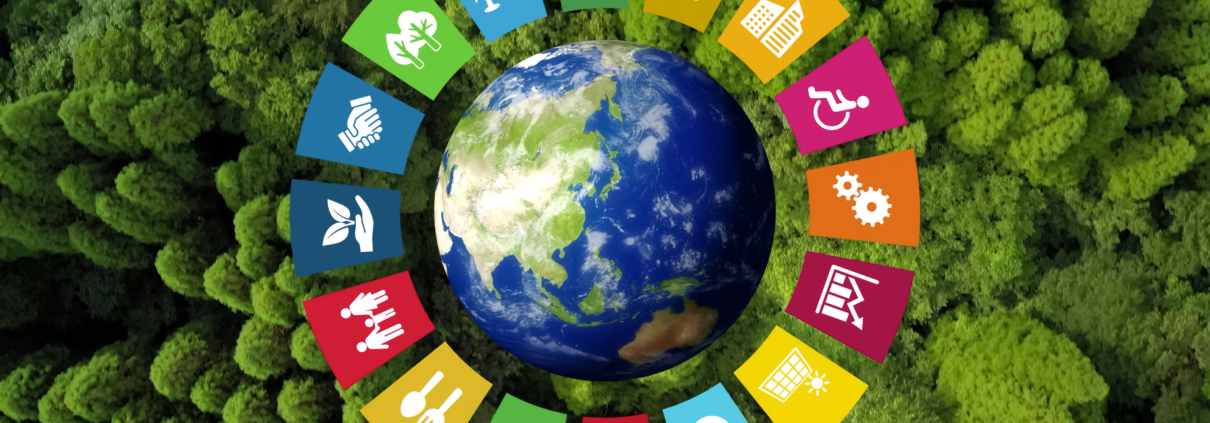
Importantly, numerous frameworks exist to give companies a starting point. The UN Sustainable Development Goals (SDGs) are a collection of 17 interlinked global goals designed to be a “blueprint to achieve a better and more sustainable future for all”. For companies wanting to advance the SDG agenda, the job starts by acting responsibly – incorporating the Ten Principles of the UN Global Compact widely into strategies and operations, and understanding that good practices or innovation in one area cannot make up for doing harm in another. From there, businesses can find opportunities to contribute to the achievement of one – or several – of the goals.
In our case, we have focused on nine of the 17 SDGs. These are divided into our core SDGs which go to the heart of our business, and material SDGs that reflect our processes and mission:
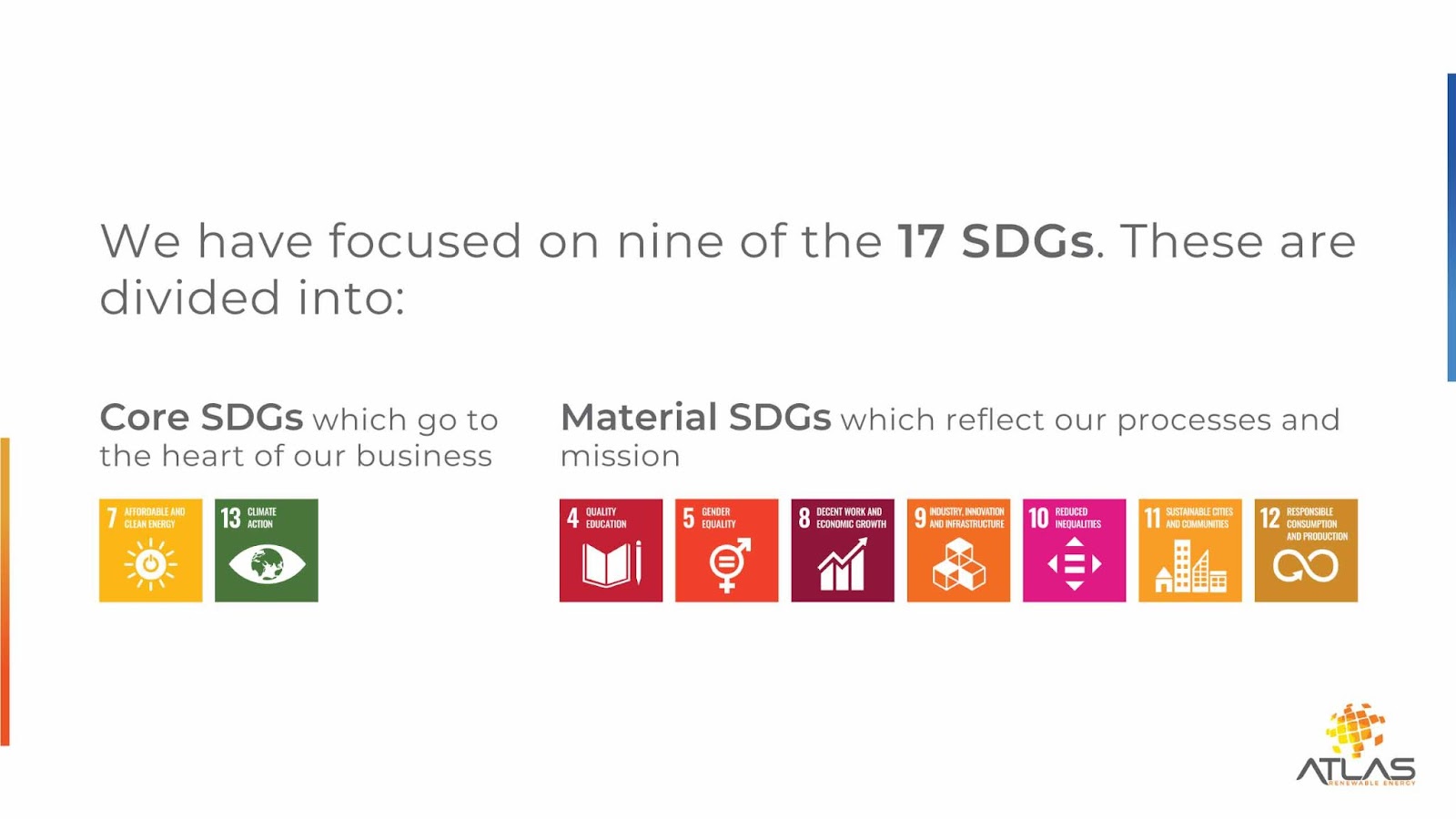
As our sustainability strategy continues to develop, we will review the scope of our activities and consider whether we focus on additional SDGs beyond these nine.
IFC Performance Standards
The International Finance Corporation (IFC) Performance Standards are another important framework. Devised for IFC clients, they define companies’ responsibilities for managing their environmental and social risks, and include areas including biodiversity, resettlement, la bor and community support.
All our assets, as well as our new projects, comply with these standards, and we have developed external initiatives that align our activities to the needs and challenges of the communities in which we operate.
In recent years, these have included:
- An apiculture project created to strengthen beekeeping skills near our São Pedro plant in Brazil.
- The creation of an environmental education center and nursery garden near our Sertão Solar plant, as well as additional nursery gardens near our São Pedro plant.
- An environmental education program and accompanying nursery garden near our Sol do Futuro plant.
- The donation of seedlings from the Umbu Gigante native plant near our Juazeiro Solar plant, which allowed the fruit produced to act as a source of income for neighboring communities, while contributing to local biodiversity.
- The conservation of 1,229 hectares of forest and grassland habitat to protect local species near our project being developed in Campeche, Mexico.
- Our partnership with The Pale Blue Dot, a Mexican organization that promotes educational programs through the use of technology in schools and community centers.
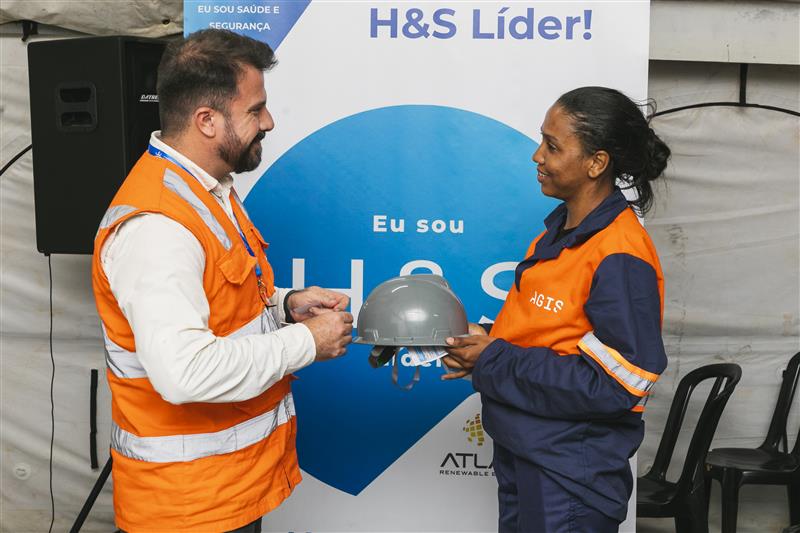
- The Atlas female workforce program, which improves local women’s access to employment, entrepreneurial opportunities and leadership positions across the corporate value chain.
By engaging with communities in this way, we have been able to work towards the implementation of more sustainable outcomes and succeed in our goal to aid the preservation of diverse ecosystems.
Pick a metric and get started
For companies beginning their sustainability journey, deciding where to begin can often be overwhelming. Over our journey, we have discovered that targeted initiatives, focused on specific audiences, create the most tangible results. For example, one of our signature focuses has been on women in the workforce. The energy industry is overwhelmingly male-dominated, with numerous barriers to access for women.
To tackle this, we have introduced various evidence-based measures, such as:
- Neutral language: We do not use gender-specific pronouns in our job adverts or related communications. We also ensure the language used is balanced to increase the appeal of each position and reduce the chance of missing out on high-caliber applicants.
- Equal weighting of qualifications: We recognize the qualifications of every candidate, regardless of the institution or country in which qualifications or experience is attained.
- Promoting access to under-represented groups: Where candidates hold similar or equal qualifications and experience, we will also consider whether any candidate is from an under-represented group.
- Gender equity: We consider at least one female applicant within the final stage of an application process. To achieve this, we work to ensure that our job adverts do not include gendered language that may act as a disincentive for potential female applicants.
As a result, since 2017, we have more than doubled the proportion of women working in our company to 40%. This has moved us far above the energy industry average, and we are now aiming for full parity at 50%. Our focus on women applies just as much outside of Atlas as inside it, and in 2020 we launched our female workforce program “We are all part of the same energy”, which focuses on the communities where we operate. This initiative was created specifically to improve local women’s access to training on technical skills, new employment and entrepreneurial opportunities, and their leadership potential in corporate value chains.
Making a difference
Global ESG challenges, from climate, water and food crises to inequality and discrimination, are in need of solutions that the private sector can deliver. With sustainability firmly on the global agenda, no company – not even one operating in a climate-positive industry – can afford to become complacent about its activities. But with numerous frameworks available and the potential for peer-to-peer collaboration and knowledge sharing, we believe that generating sustainable change at scale is not only possible but inevitable.
In partnership with Castleberry Media, we are committed to taking care of our planet, therefore, this content is responsible with the environment.*
Share This Entry