
Atlas logo Atlas logo

How are renewable energies transforming the Brazilian economy?

July 08, 2024 Press Releases

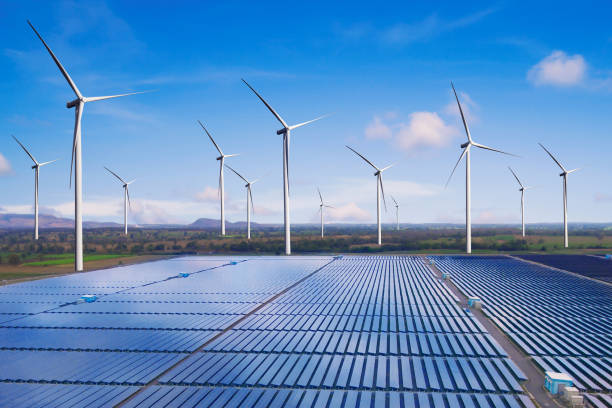
The proliferation of renewable energy projects in Brazil extends far beyond mere power generation. Wind and solar initiatives are poised to catalyze a paradigm shift across diverse sectors of the Brazilian economy. These initiatives facilitate industrial decarbonization, bolster the nation’s position in the global green products market, stimulate job creation, and foster income redistribution. The ramifications of renewable investments are even more profound and far-reaching than initially anticipated.

The integration of clean energy into Brazil’s power matrix would not incur additional costs compared to current fossil fuel expansion plans. Although renewable energy investments need higher initial capital expenditures for generation, transmission, and storage infrastructure, a World Bank report indicates that these costs would be fully amortized through savings in fuel expenses and operational efficiencies. Moreover, the transition towards increased electrification and green hydrogen utilization in transportation and industry, powered by wind and solar energy instead of natural gas, is projected to be cost-neutral for the economy at large.

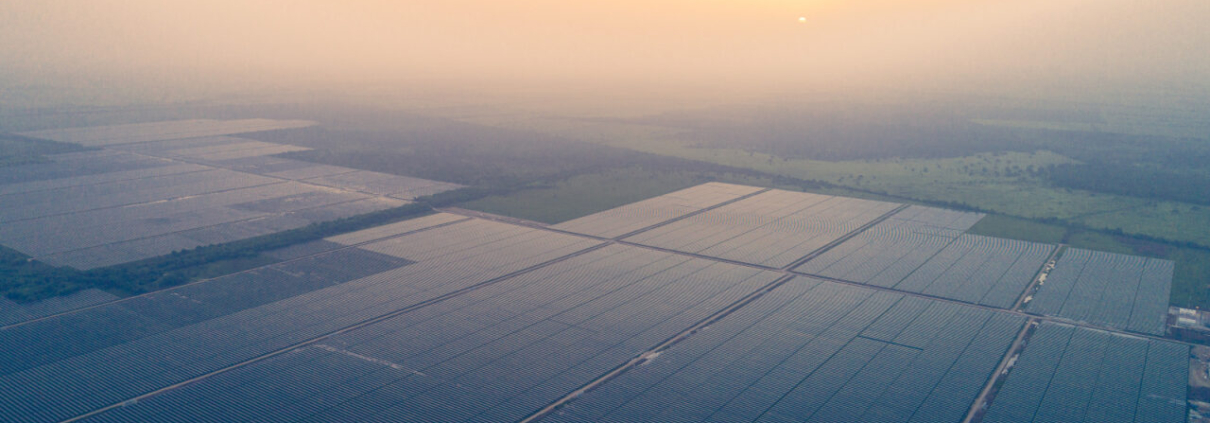
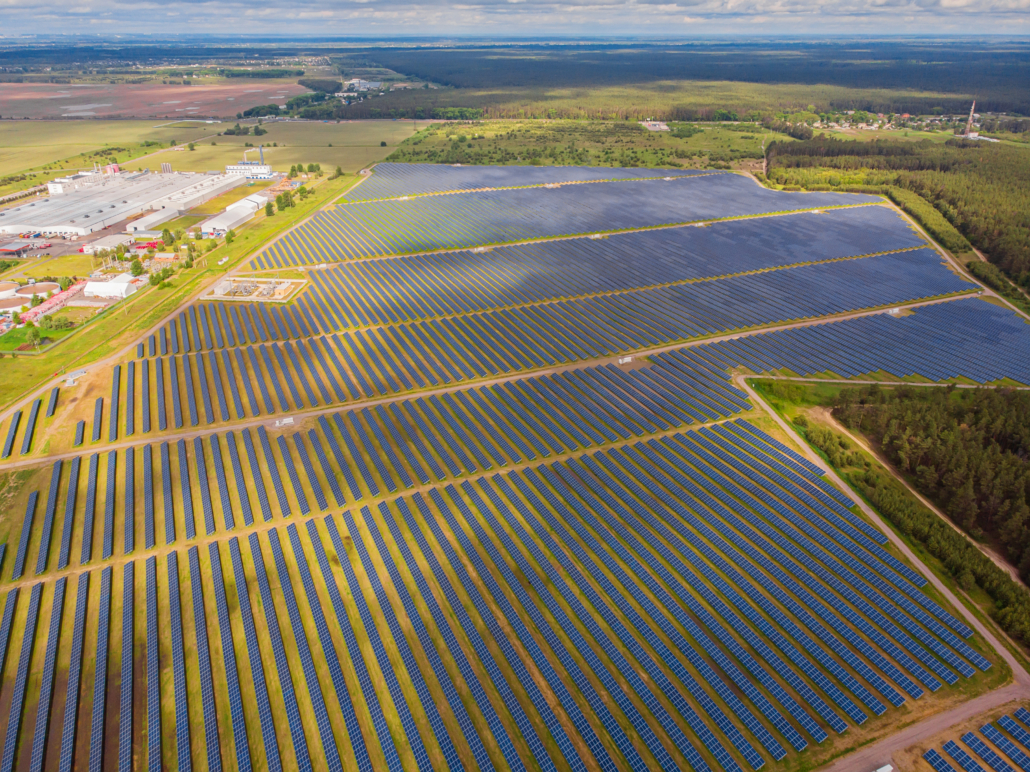
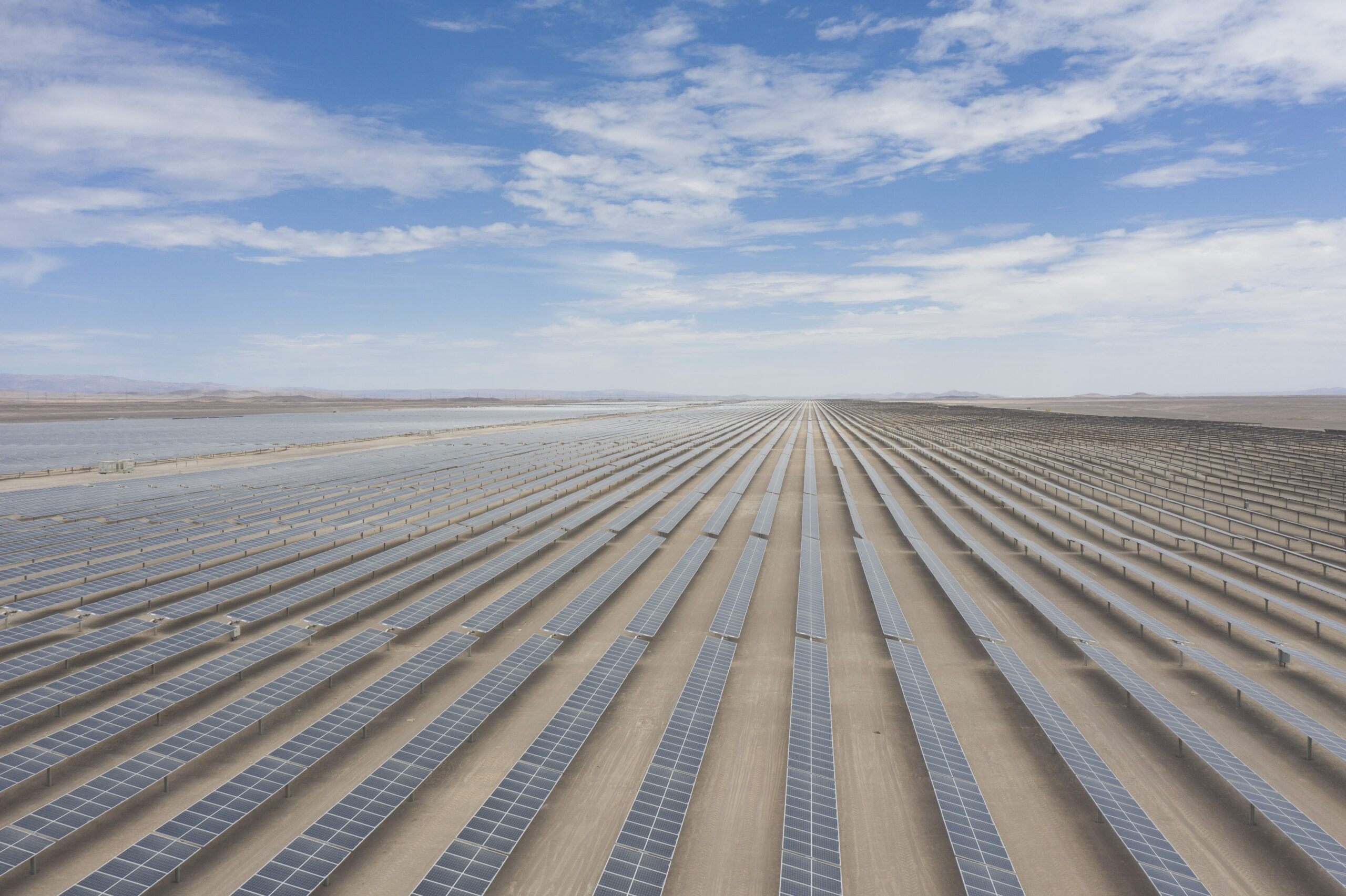
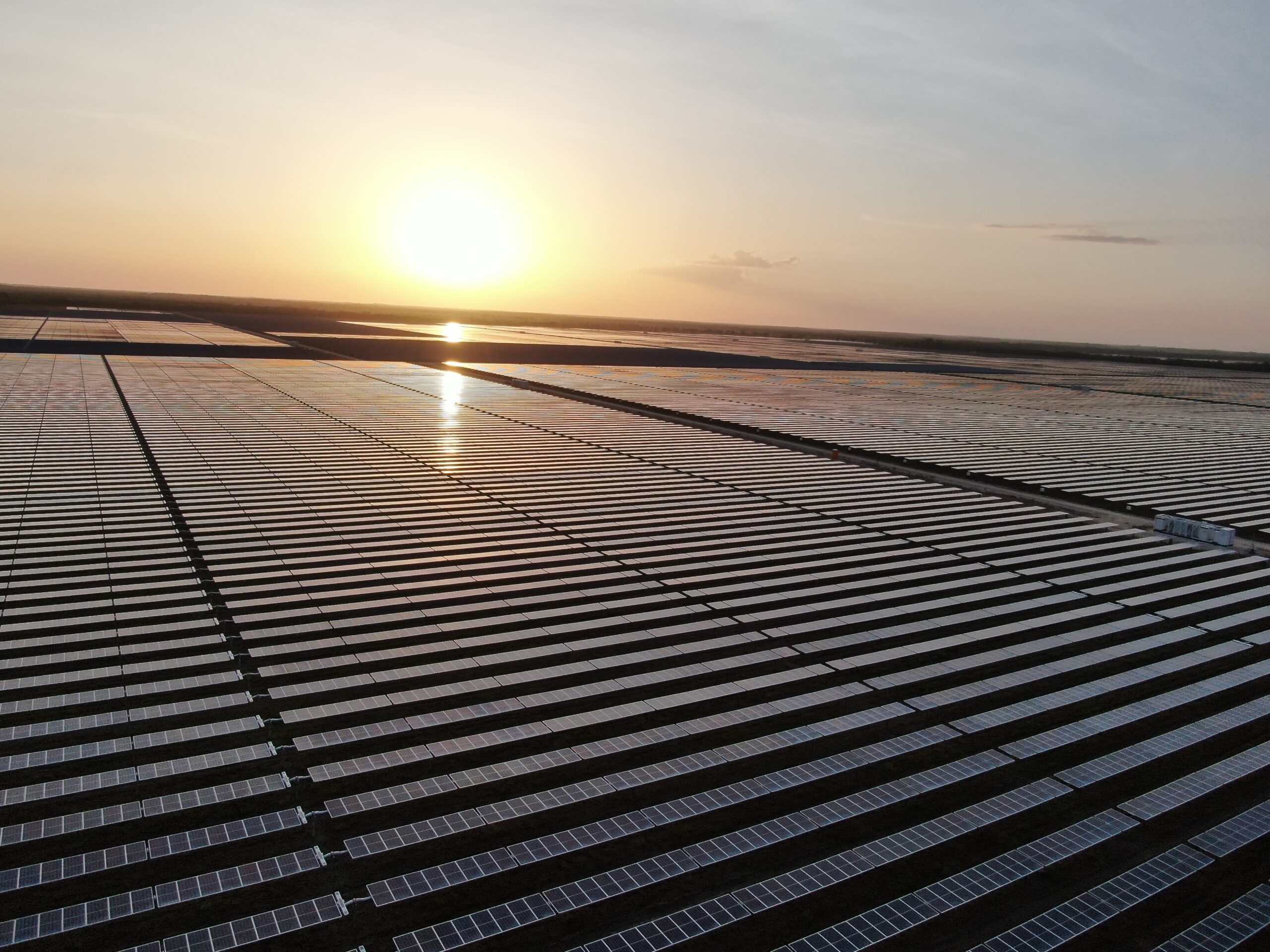
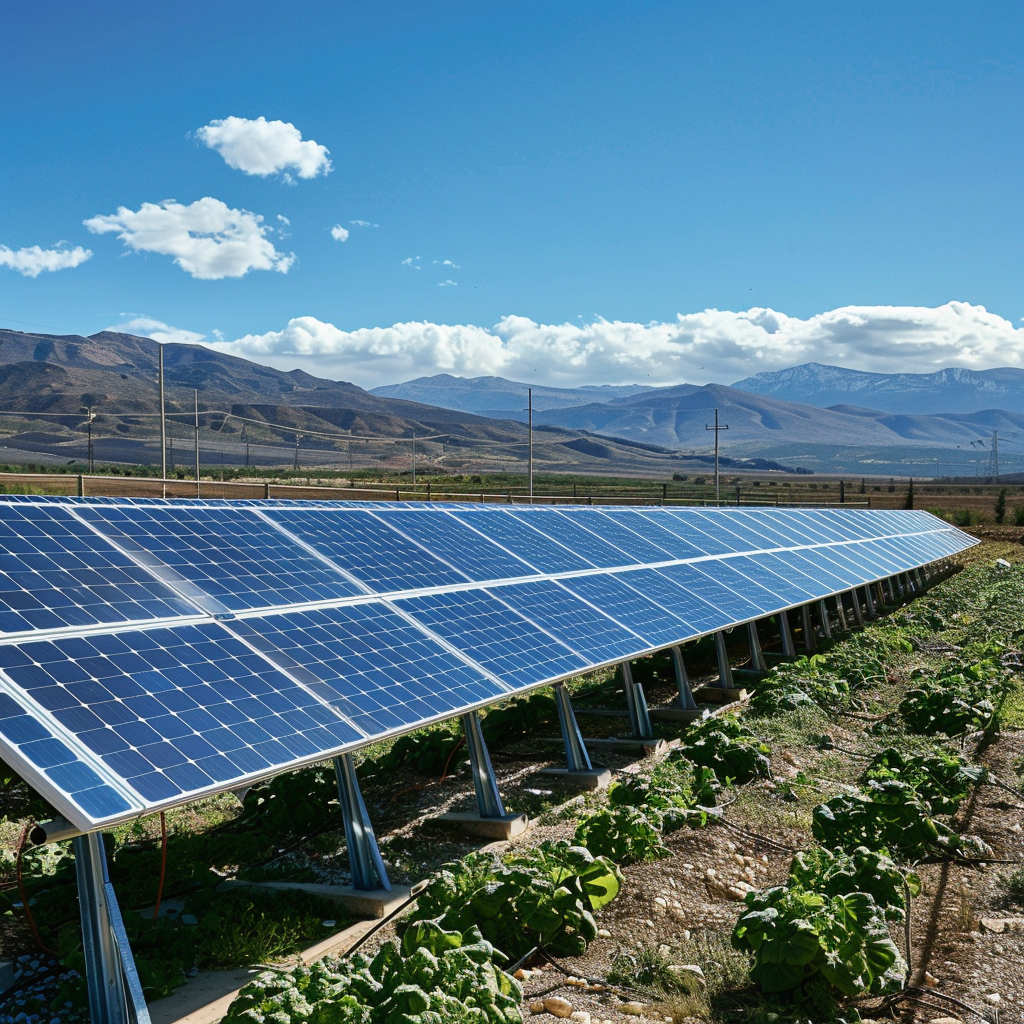
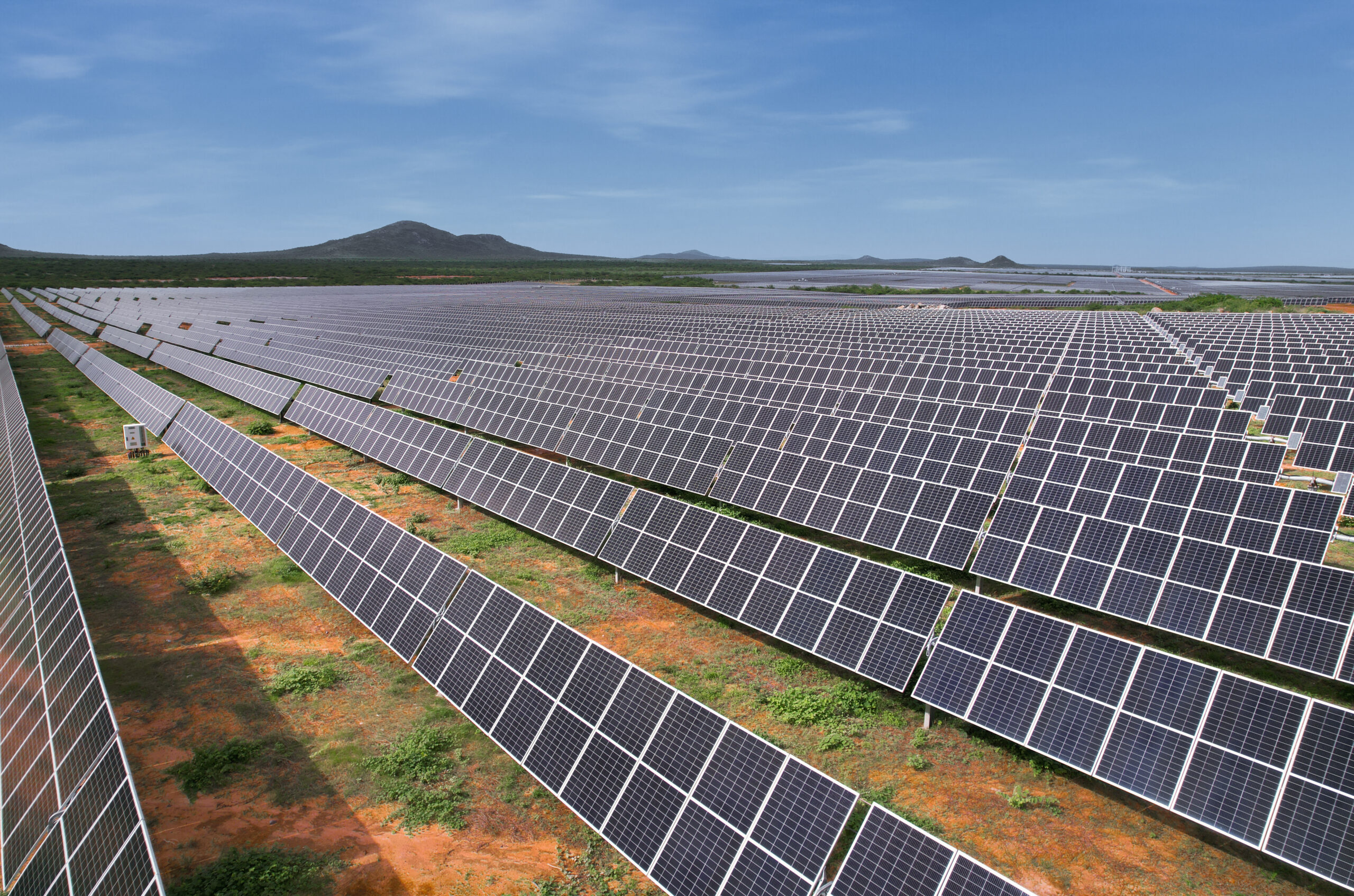
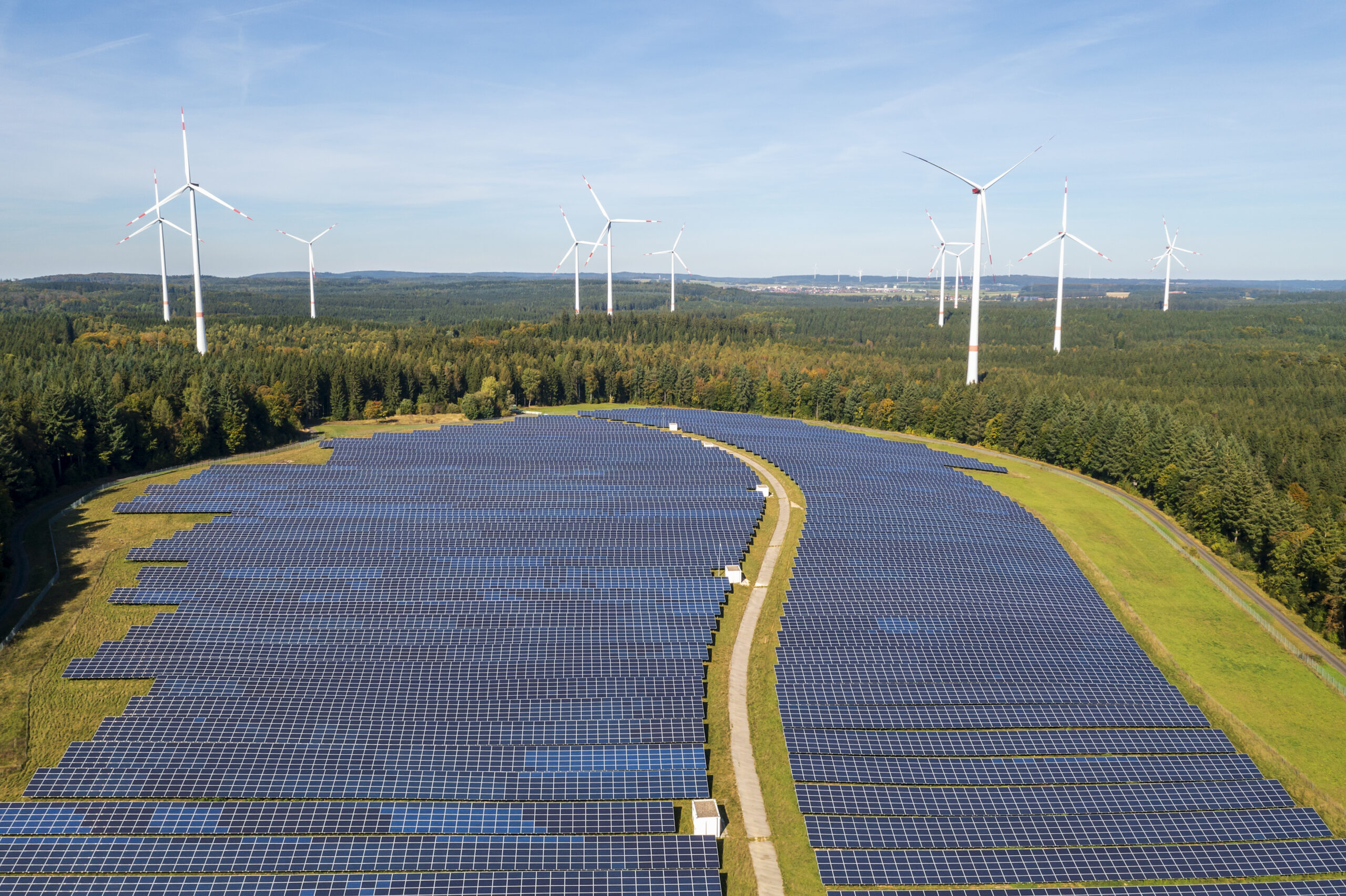
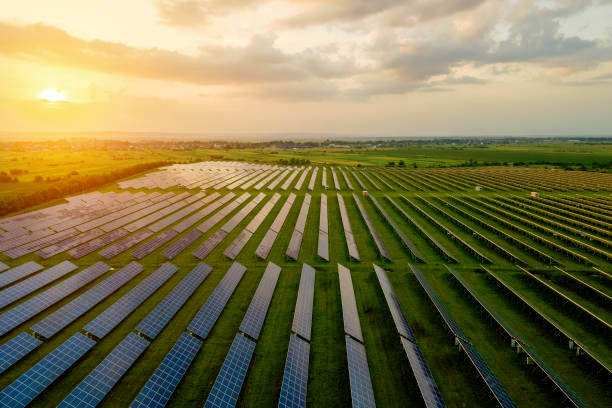
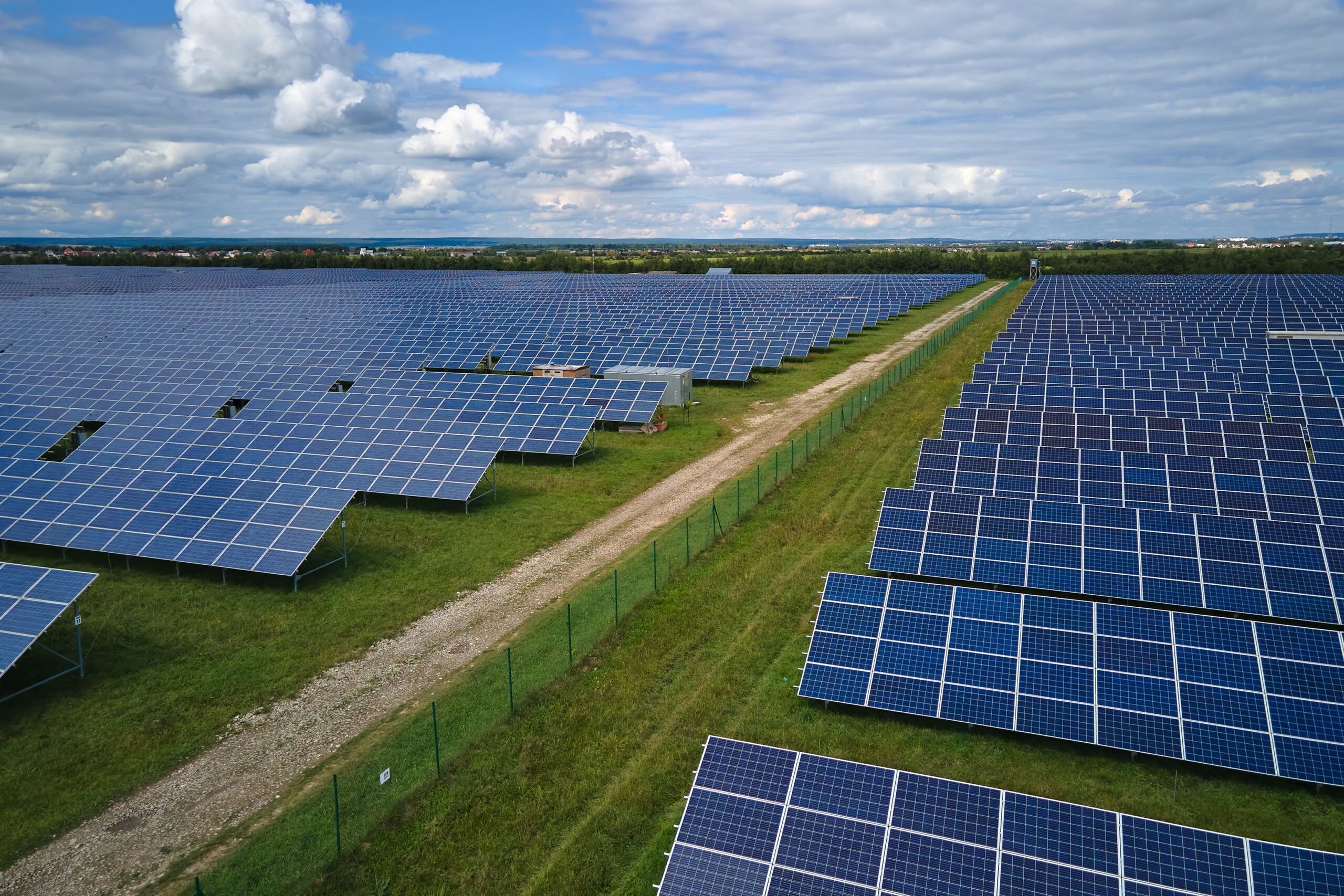
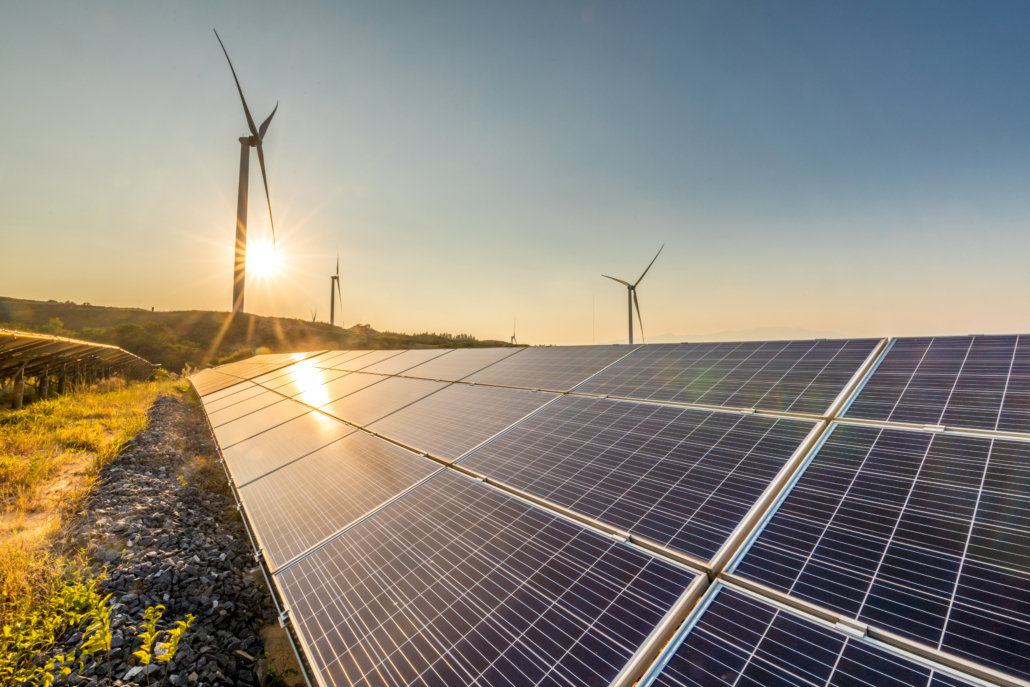
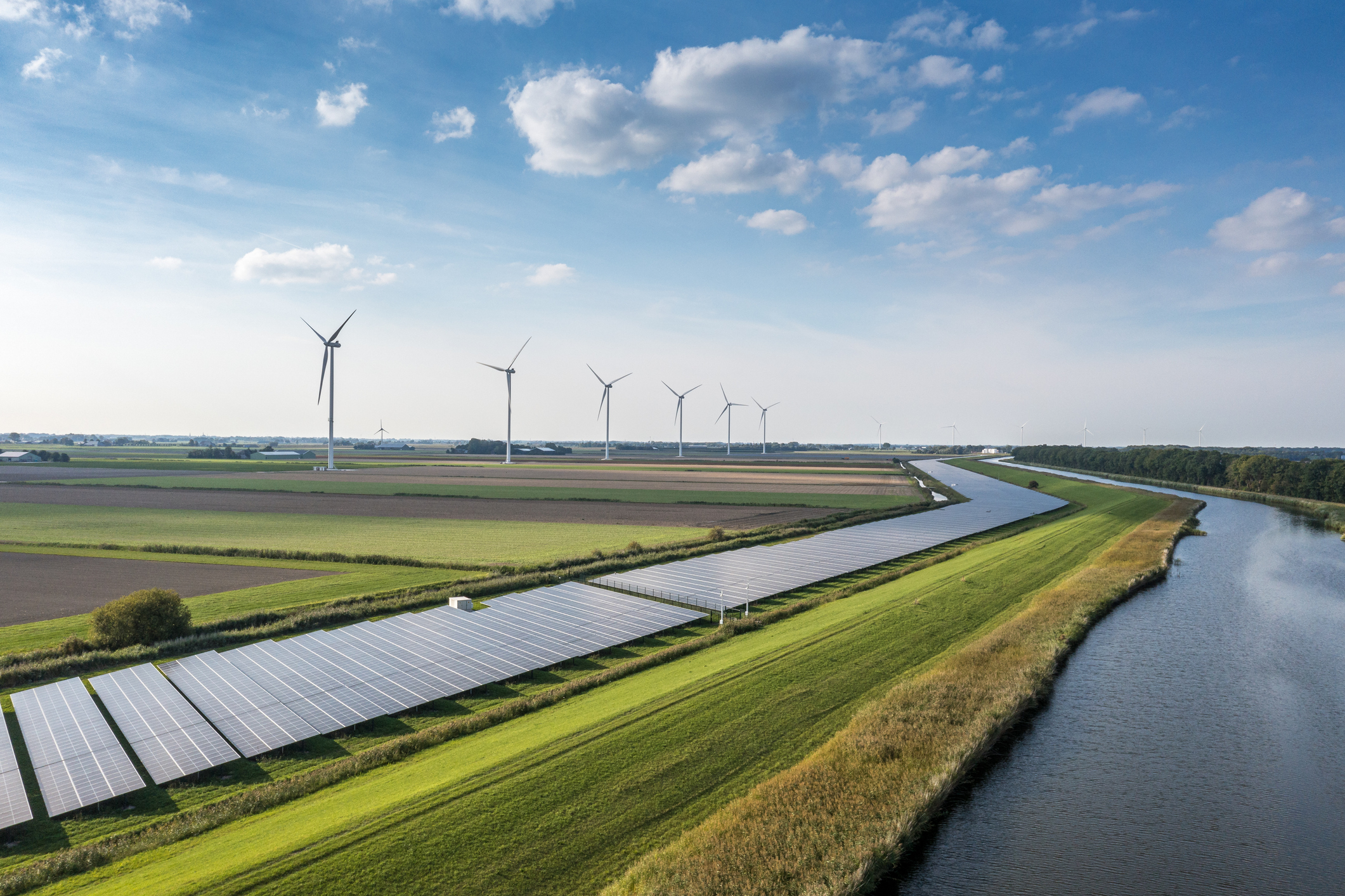
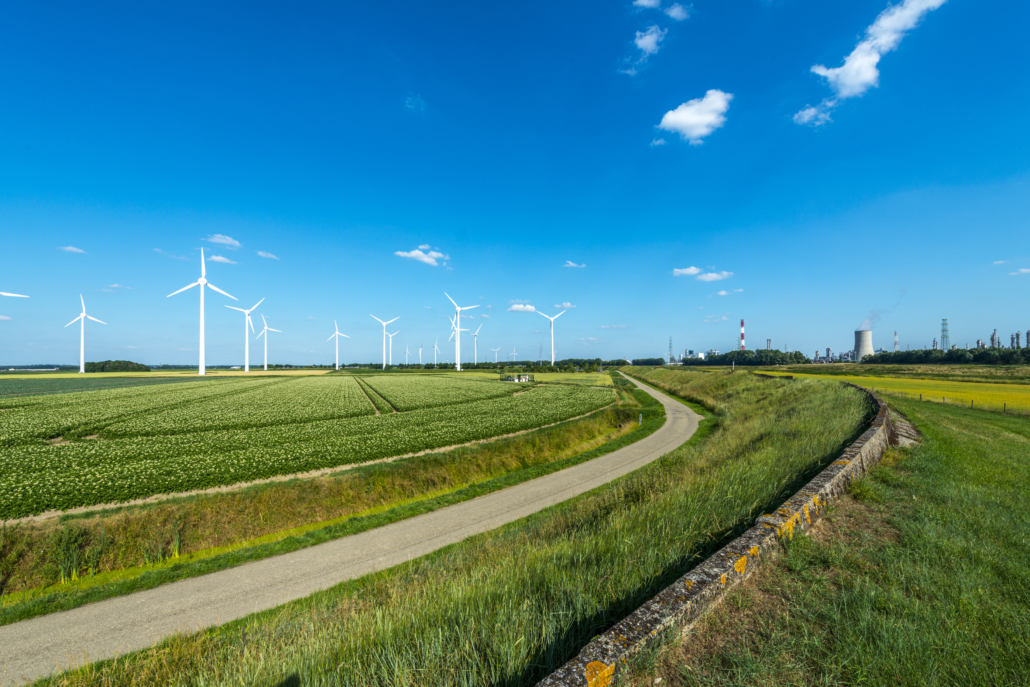
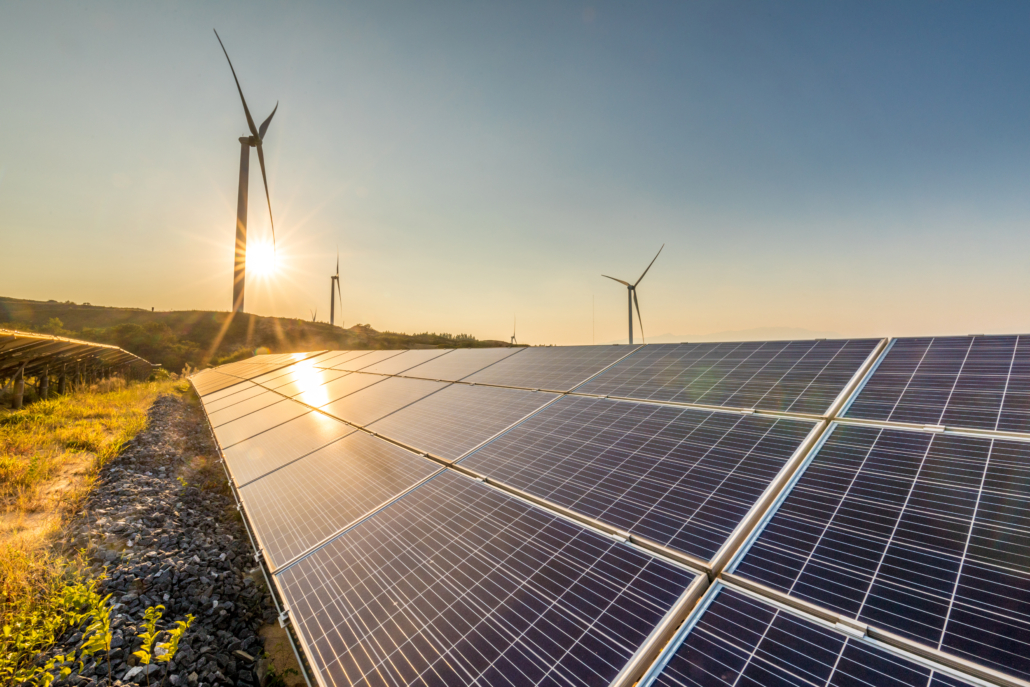
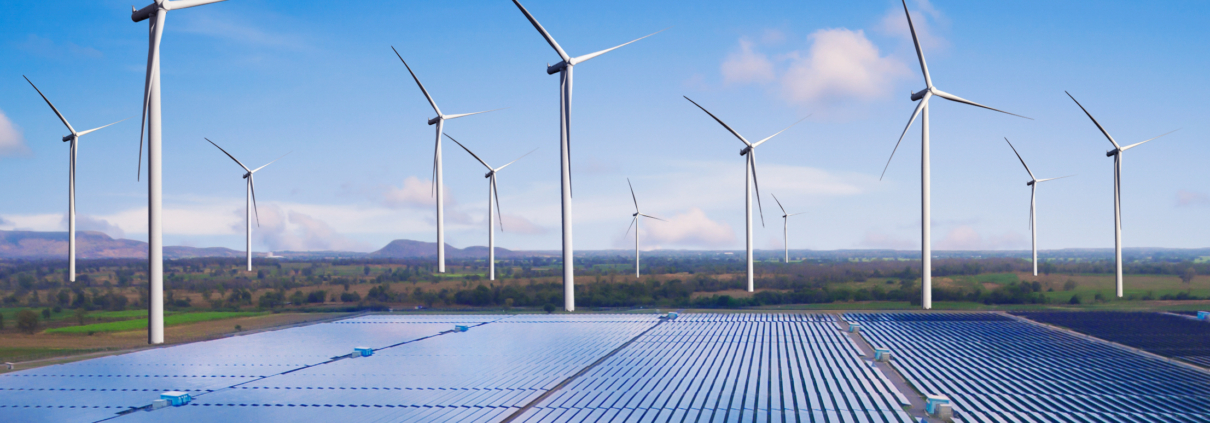
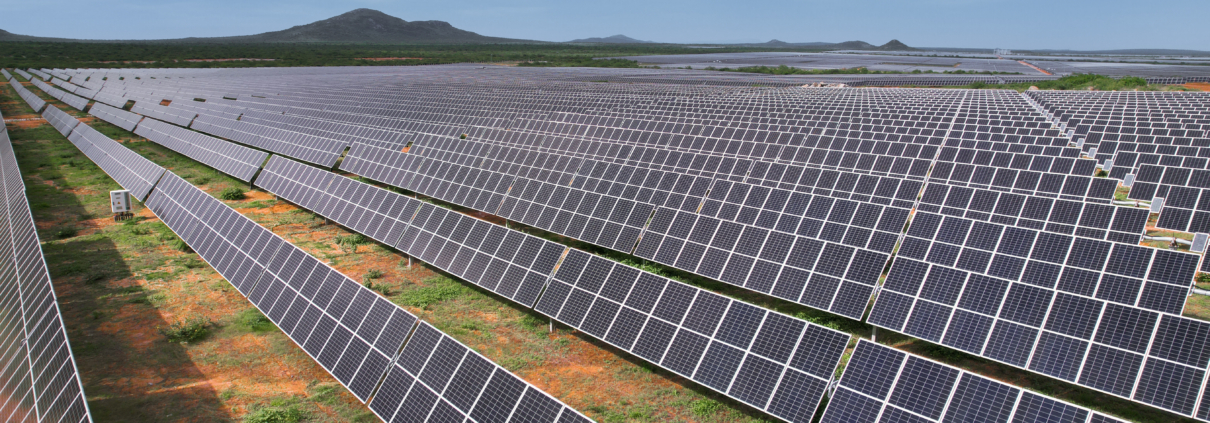
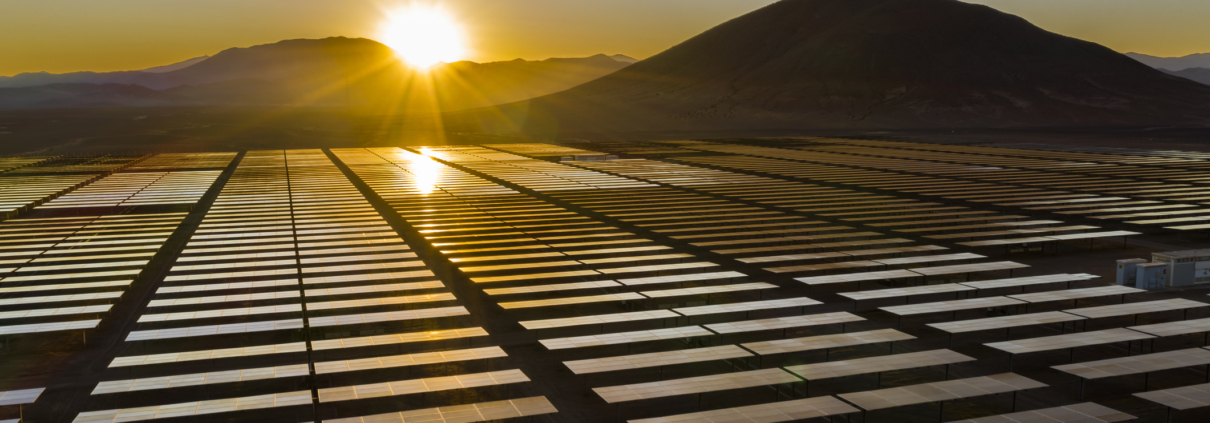
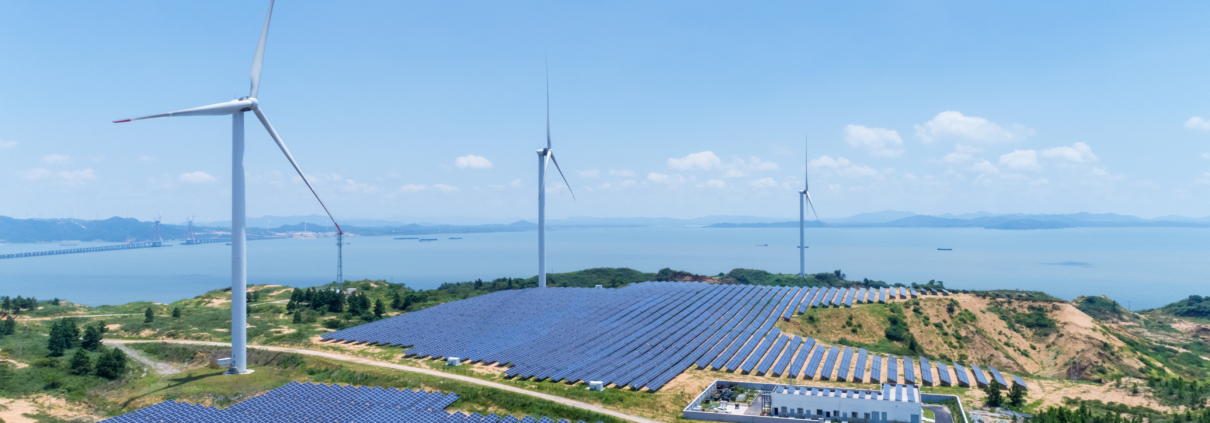
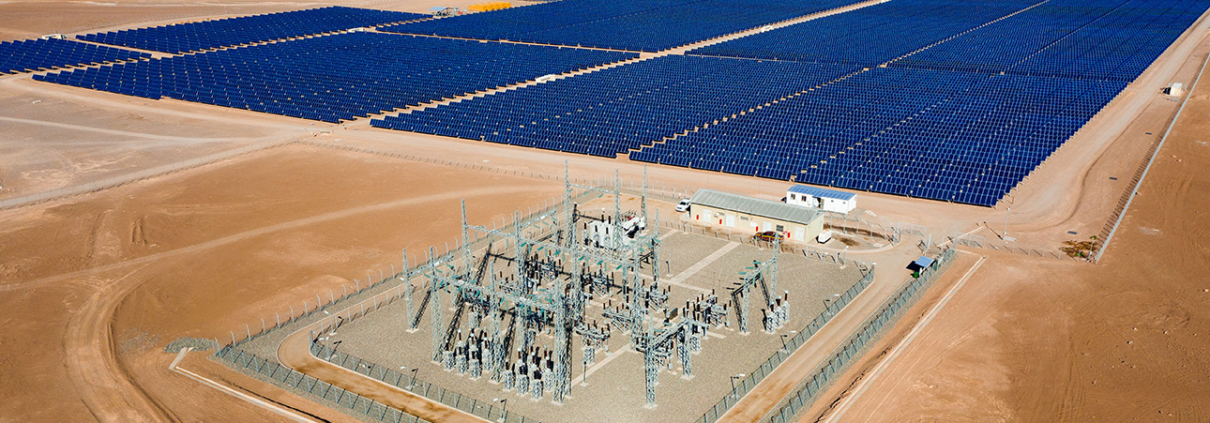
Wind and solar generation projects are experiencing robust growth in Brazil, currently constituting over 21% of the country’s energy generation capacity. The abundance of natural resources and suitable terrain for large-scale installations has attracted significant private sector investments across various regions.

The expansion of renewable energy projects extends beyond electricity generation, fostering positive externalities in infrastructure development, local economic growth, job creation, and income distribution.

“The proliferation of renewables, both solar and wind, is transforming various segments of the Brazilian economy, from primary sectors such as mining and agriculture to heavy industry and services,” said Fabio Bortoluzo, Country Manager of Atlas Renewable Energy in Brazil.

“Renewable energies are drivers of new investments in all sectors that depend on energy, whether they are energy-intensive, like mining, or lower energy consumers. They used to depend heavily on subsidies to compete with fossil fuels, but today they are already capable of achieving more competitive prices,” Bortoluzo says.

This competitive edge in energy pricing translates to reduced consumer costs and yields additional associated benefits.

By engaging in direct energy procurement from generators like Atlas, clients—ranging from large-scale industrial operations and data centers to retail chains and agricultural producers can secure bespoke supply contracts that offer security and flexibility, allowing them to focus on their core competencies.

“Atlas’s primary objective is to support our clients in their energy transition journey. Our clients demand renewable and competitively priced energy, coupled with contractual structures that mitigate other risks, such as foreign exchange exposure and hourly demand fluctuations. Atlas strives to develop optimal projects in terms of energy productivity, implementation costs, financial structuring, commercialization and management frameworks, and asset operation. By excelling in all these domains, we create a superior product for our clients: the most efficient energy solution. Concurrently, we support their energy transition and decarbonization objectives,”says Bortoluzo.

Opportunities and Challenges

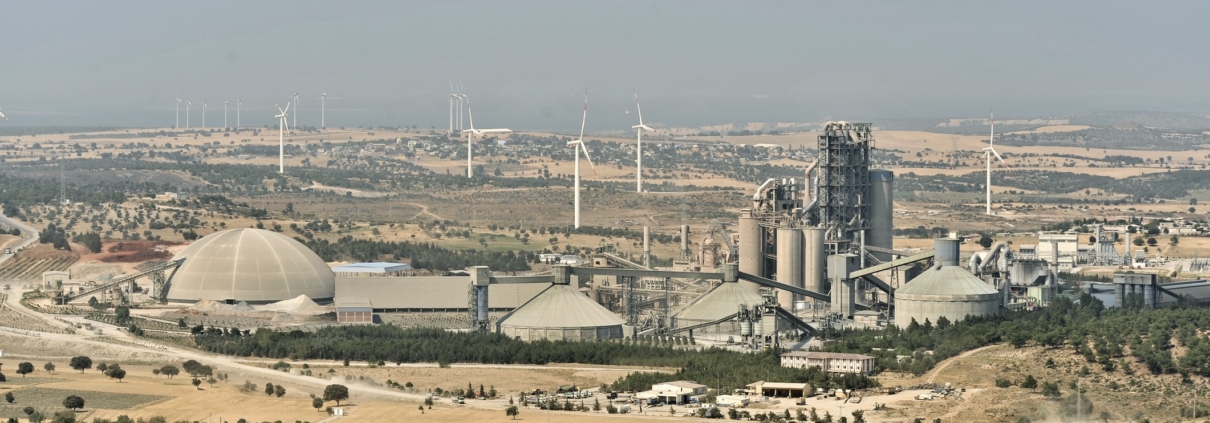
The advancement of renewable projects is contributing to the reduction of energy transition costs and has the potential to enhance the competitiveness of the Brazilian industry on a global scale. This is particularly relevant in light of emerging markets like the European Union, which are developing mechanisms to price the sustainability of imported products.

Simultaneously, new energy demands are continually emerging. A prime example is the burgeoning sector of green hydrogen and ammonia production, which will need additional wind and solar capacity for electrolysis processes.

A World Bank analysis suggests that Brazil possesses a significant competitive advantage in the expanding global market for environmentally sustainable goods and services. The country’s private sector already demonstrates competitiveness in several segments crucial for the transition from fossil fuels to renewable energy sources. Consequently, Brazil is well-positioned to penetrate solar energy markets, expand into green hydrogen production, and capitalize on its substantial deposits of minerals critical to the energy transition.

While opportunities abound, challenges persist. Bortoluzo highlights that issues such as capital costs, transmission infrastructure, and energy planning must be addressed.

“The transmission and distribution of energy are crucial determinants of the total energy cost for consumers. There is a significant challenge in optimizing the electrical system, particularly in transmission and ensuring adequate coverage across Brazil’s vast territory. Interchange capacity between regions is essential to facilitate unrestricted energy flows. Meticulous planning is imperative to optimize project allocation and ensure that energy reaches consumer regions as cost-effectively as possible,” he explains.

Furthermore, Bortoluzo observes that the growth of renewables, especially in distributed generation, is intensifying the challenges of electric sector planning. This requires changes to optimize the dispatch capacity of both centralized and distributed generation projects.

In this context, energy storage solutions, particularly batteries, are poised to be game-changers, potentially alleviating pressure on transmission infrastructures.

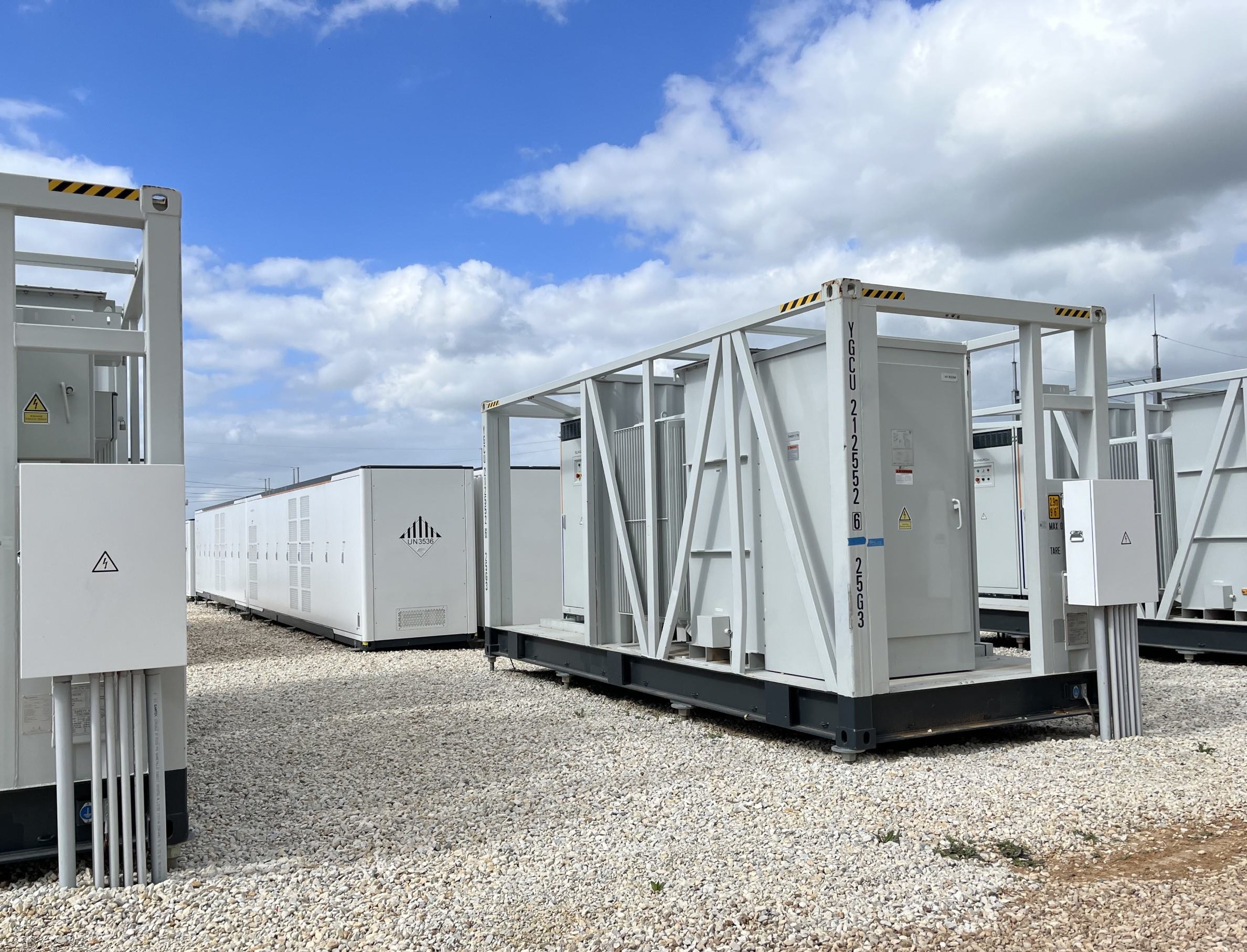
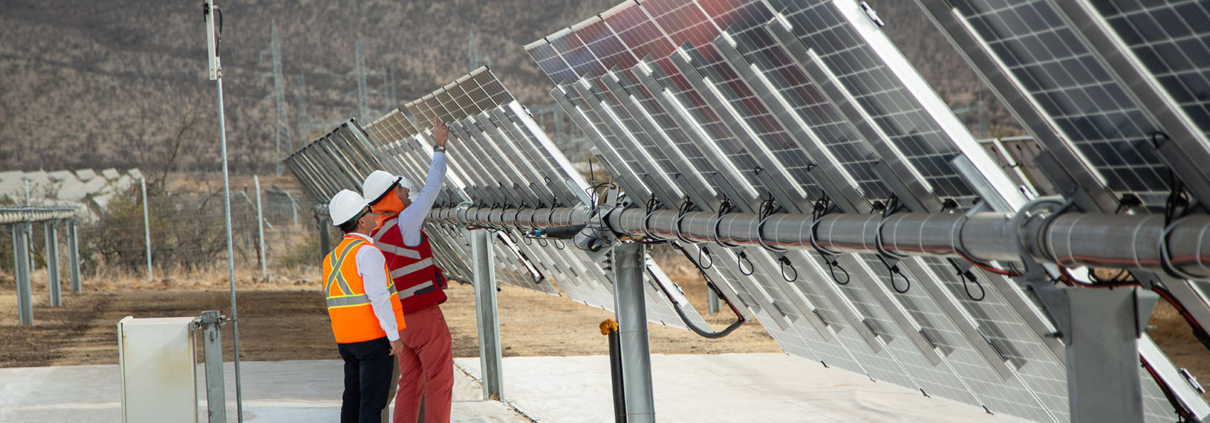
Given the intermittent nature of renewable sources, which are dependent on weather conditions, the integration of battery energy storage systems (BESS) to regulate this variability and enhance the role of wind and solar in the energy mix is gaining increased attention.

Bortoluzo acknowledges that while promising, the widespread adoption of BESS in the Brazilian market faces a long road ahead. Initially, it is crucial to establish regulations that facilitate the import and domestic manufacture of these systems.

“The successful implementation of energy storage solutions will undoubtedly unlock substantial investments in renewable projects and enhance the competitiveness of the entire Brazilian economy in terms of renewable energy costs. This will result in a well-served economy with competitive and clean energy. If we can overcome these cost-related challenges, we will accelerate this process and further bolster Brazil’s competitive position,” Bortoluzo said.

Social Benefits Beyond Energy

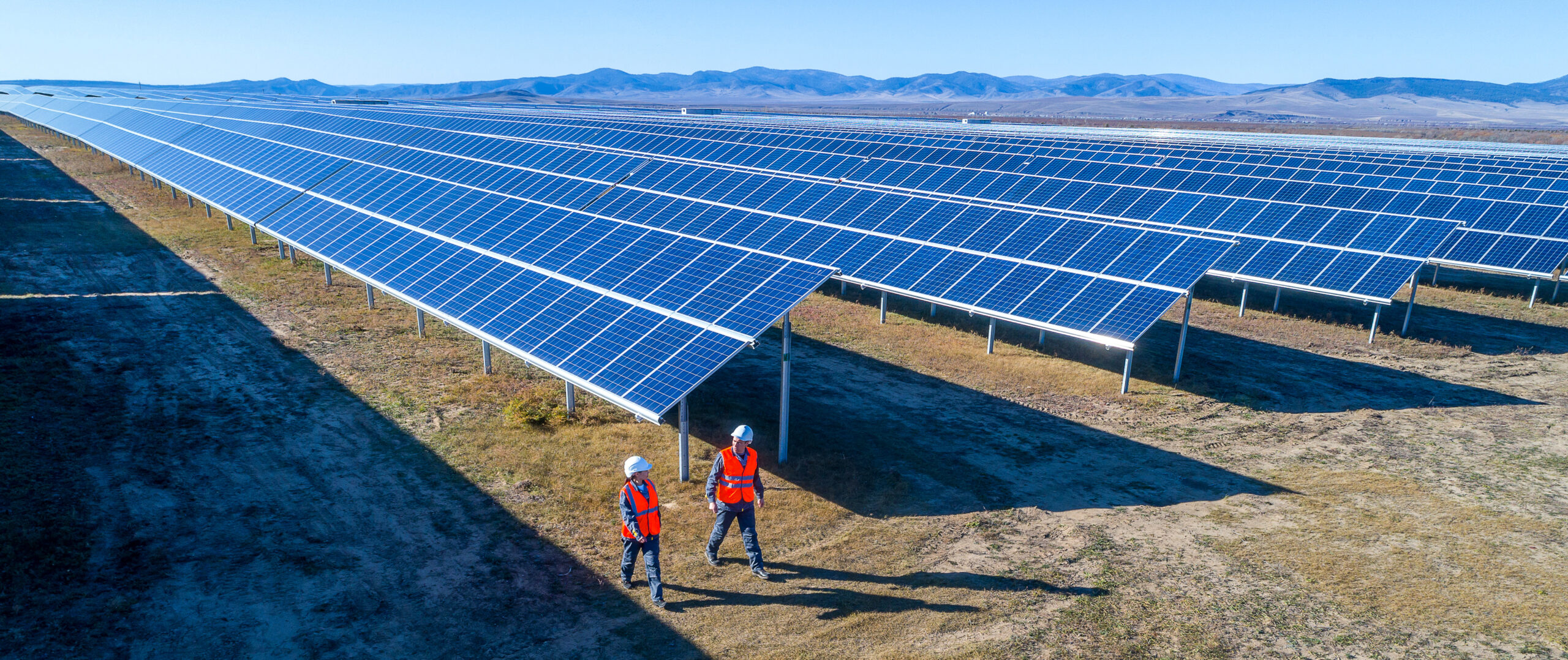
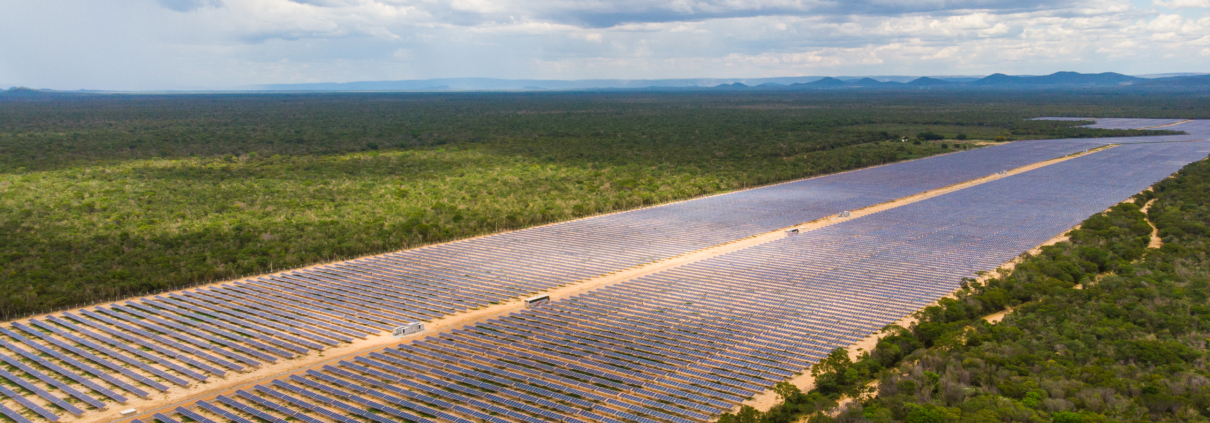
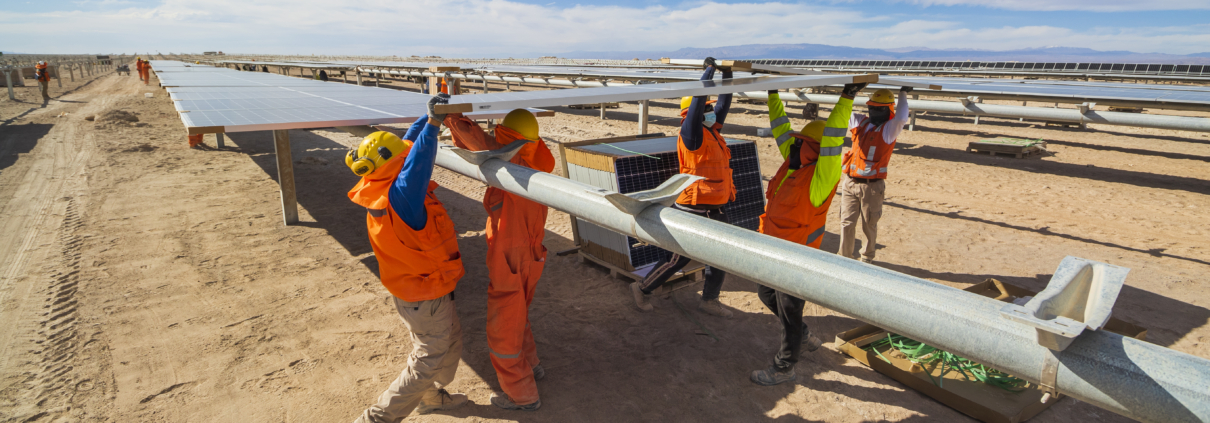
The impact of Atlas projects extends to communities in regions hosting large solar projects. The construction phase of a single park generates employment for approximately 3,000 individuals, reaching up to 5,000 jobs when considering indirect employment.

In addition to prioritizing local hiring and suppliers, all Atlas projects adhere to stringent Environmental, Social, and Governance (ESG) criteria. By conducting comprehensive Social and Environmental Impact Studies, the company identifies opportunities to foster long-term benefits in the region and develops various training initiatives to ensure continued value generation beyond the construction phase.

An illustrative example is the Ed-Mundo project in Juazeiro, Bahia, home to the Jacarandá solar project. This initiative provides training in information technology and entrepreneurship for youth aged 13 to 17.

“These programs are transformative for young people, offering opportunities not only in civil and electromechanical construction but also in digitalization and entrepreneurship. We believe these initiatives have more enduring impacts in these typically less economically developed regions,” Bortoluzo says.

Another noteworthy initiative is the women’s workforce program “We Are All Part of the Same Energy,” now in its fifth edition at the Vista Alegre solar complex in Minas Gerais.

Launched in 2019 to provide specialized training and prepare women for job opportunities in their local regions, the program has trained over 1,000 professionals across Brazil, Mexico, and Chile. Atlas aims to increase female representation in solar construction from the current industry average of 2% to 15%, and has reached about 20% in some of its projects.

“We recognize that increasing women’s participation in this job market is crucial not only for their individual empowerment but also for the overall development of the region,” Bortoluzo emphasizes.

These projects exemplify how collaborative efforts with communities, local suppliers, and government entities generate economic impact and foster long-term development, including the integration of new entrants into the job market.

In essence, investments in renewable energy yield effects that transcend the provision of decarbonized electricity. They translate into enhanced competitiveness for industry, commerce, and services; promote social inclusion and income redistribution; stimulate investments in infrastructure and technology; and, ultimately, contribute to a cleaner and more climate-resilient energy matrix.

This article was created in partnership with Castleberry Media. At Castleberry Media, we are dedicated to environmental sustainability. By purchasing carbon certificates for tree planting, we actively combat deforestation and offset our CO₂ emissions threefold.

Share This Entry
More articles

October 06, 2025 Our point of view
Toward COP30: How Renewable Energy Is Rewriting Latin America’s Opportunity Set
October 05, 2025 Our point of view
Renewable Energy-Driven Data Centers: Shaping Mexico's Digital Future
October 05, 2025 Our point of view
The Food Industry and Energy Transition: A Recipe Toward Competitiveness
October 02, 2025 Our point of view
Chilean Mining Sector in Energy Transition: Perspectives and Key Insights Amid New European Regulations
September 23, 2025 Our point of view
Walking the Walk: Making Sustainability Tangible
July 23, 2025 Our point of view
Renewable Energy: The Strategic Choice for Energy Transition in Mining and Oil Operations
July 19, 2025 Our point of view
Innovation That Protects: How Atlas Embedded Health and Safety at the Core of Its Operational Excellence
June 17, 2025 Our point of view
How Renewable Energy Will Power Mexico's Economic Transformation by 2030
June 17, 2025 Our point of view
From Generation to Energy Consumption: The Private Sector's Role in the Energy Transition
May 28, 2025 Our point of view
Energy Trends in the Colombian Market
May 05, 2025 Our point of view
Q&A: Energy Buyer Transitioning Operations to Renewable Energy with Atlas
April 15, 2025 Our point of view
Sustainable Operations: Why Data Centers Are Turning to Renewables
April 15, 2025 Our point of view
The Power of PPAs: Renewable Energy in the Regional Automotive Industry
April 04, 2025 Our point of view
The Strategic Edge of Renewable Energy: Business Advantages
March 10, 2025 Our point of view
Powering AI's Revolution: the Renewable Energy Imperative

March 03, 2025 Our point of view
How BESS is Revolutionizing Latin America's Renewable Industry
February 24, 2025 Our point of view

Renewable Energy Drives Sustainability in the Food Industry
February 06, 2025 Our point of view
The Strategic Role of Storage in Latin America's Energy Transition
February 04, 2025 Our point of view
By the Numbers: Why Companies Are Choosing Renewable Energy Contracts
January 24, 2025 Our point of view
Energy Transition: Opportunities for Multinationals
January 11, 2025 Our point of view
The Multiple Benefits of Renewable Energy Consumption for Companies
November 21, 2024 Our point of view
Clean energy for data centers: the rise of PPAs as a secure solution
November 21, 2024 Our point of view
Operational Cost Optimization: The Strategic Role of PPAs Amidst the Rising Energy Prices
November 21, 2024 Our point of view
How Oil Companies Can Decarbonize Through PPA Contracts
October 30, 2024 Our point of view
Forging Strategic Alliances: Bridging the Gap Between O&G and Renewable Energy
October 16, 2024 Our point of view
The Role of Renewable PPAs in Mitigating Price Volatility
August 24, 2024 Our point of view
Why Are Telecoms Transitioning to Renewable Energy?
July 08, 2024 Our point of view
How are renewable energies transforming the Brazilian economy?
July 03, 2024 Our point of view
PPAs and Contract Structures: Tailoring Renewable Energy Procurement to Corporate Needs
June 25, 2024 Our point of view
Renewable Energies as Key Players in CFO Strategies
June 18, 2024 Our point of view
Colombia’s Roadmap: A Pathway to a Cleaner Energy Matrix
June 18, 2024 Our point of view
Atlas Renewable Energy's big bet on renewable energy development in Colombia.
June 17, 2024 Our point of view
The Pivotal Role of Renewable Energies in Mitigating El Niño's Impact in Colombia
June 17, 2024 Our point of view
Understand the limits of carbon capture in the energy transition
June 17, 2024 Our point of view
Understand the advantages of contracting renewable energy for your company
April 26, 2024 Our point of view
Navigating the Energy Transition: The Impact of COP 28 Agreements on Corporate Strategy
April 10, 2024 Our point of view
AI and its impact on renewable energy
April 09, 2024 Our point of view
Social License: The Crucial Factor in Ensuring a Responsible Energy Transition
February 16, 2024 Our point of view
How innovative technologies are driving the future of renewable energy
January 30, 2024 Our point of view
Is a Dollar-Based PPA Ideal for Achieving Your Company’s Sustainability Objectives?
January 24, 2024 Our point of view
How sustainable energy strategies can provide stability in uncertain times
December 12, 2023 Our point of view
Innovation in Corporate Clean Energy: Atlas Renewable Energy is Leading the Way in Latin America
November 09, 2023 Our point of view
Renewables and Storage: The perfect combination to meet energy demand
August 03, 2023 Our point of view
CLEAN ENERGY FOR THE ALUMINUM INDUSTRY
June 21, 2023 Our point of view
How renewable energy sources can contribute to the food industries sustainability journey
May 09, 2023 Our point of view
Powering the concrete and cement industry with renewable energy: A pathway to a just transition for the construction sector
May 09, 2023 Our point of view
Unlocking the full potential of renewable energy investment in partnership with development finance institutions
May 09, 2023 Our point of view
GREEN HYDROGEN: TOWARDS NET ZERO
April 26, 2023 Our point of view
Renewable energy: Making the circular economy happen in the chemicals industry
April 21, 2023 Our point of view
Atlas recognizes the development of renewable technologies in Latin America
March 27, 2023 Our point of view
How the surge in renewable energy investment is making it easier for companies to transition
February 24, 2023 Our point of view
IN CONVERSATION WITH ATLAS: HOW WE PARTNER WITH CLIENTS TO CREATE A REAL IMPACT
January 27, 2023 Our point of view
WHY COP27 IS MORE RELEVANT THAN EVER
January 12, 2023 Our point of view
What governments should take into account to make a real transition to renewable energies
December 13, 2022 Our point of view
Renewable Energy Trend Watch: Self-generation in Brazil
December 07, 2022 Our point of view
What you need to know about the rise of I-RECs in Brazil
October 18, 2022 Our point of view
How I-RECs can offer a new level of transparency as companies get real on climate change
September 26, 2022 Our point of view
What can renewable energy do for the mining sector?
August 29, 2022 Our point of view
How the Inflation Reduction Act could turbocharge the renewable energy sector
August 16, 2022 Our point of view
Power Purchase Agreements (PPAs): A Source of Stability in a Climate of Change
June 21, 2022 Our point of view
Web3 and the metaverse: an inflection point for the energy transition
June 07, 2022 Our point of view
What to look out for in a renewable energy contract
June 01, 2022 Our point of view
TOWARDS NET-ZERO INDUSTRIAL HUBS: THE ROLE OF RENEWABLE ENERGY
May 20, 2022 Our point of view
Avoiding Greenwashing and Make the Shift to True Sustainability
April 06, 2022 Our point of view
Closing the green divide in the tech industry
March 18, 2022 Our point of view
How renewables can help feed the world without overwhelming the planet
February 24, 2022 Our point of view
Ensuring the triple bottom line for your renewable energy strategy: the biggest return on investment
February 23, 2022 Our point of view
The vital role corporations play in achieving the COP26 commitments
December 20, 2021 Our point of view
How generating sustainable change at scale leads to positive tangible environmental and consumer impact
December 20, 2021 Our point of view
Diversity and Inclusion: The Atlas Perspective
October 28, 2021 Our point of view
COP26: What corporations should know
October 27, 2021 Our point of view
LAGGARDS AND LEADERS: CLOSING THE GAP IN THE TRANSITION TO RENEWABLE ENERGY
October 26, 2021 Our point of view
MAKING CIRCULAR ECONOMY HAPPEN
October 08, 2021 Our point of view
WHY GREEN HYDROGEN IS PART OF THE ENERGY MATRIX OF THE FUTURE
October 06, 2021 Our point of view
WHY COVERING THE ENERGY NEEDS OF DIGITALIZATION SUSTAINABLY IS IMPORTANT
July 07, 2021 Our point of view
ELECTRIC VEHICLES AND RENEWABLE ENERGY: A PERFECT MATCH
July 01, 2021 Our point of view
MAKING IT COUNT: DIVERSITY, INCLUSION, AND SOCIAL DEVELOPMENT IN RENEWABLE ENERGY
July 01, 2021 Our point of view
SUSTAINABLE LEADERSHIP: FROM WORDS TO ACTION
June 30, 2021 Our point of view
WHY WE’RE STILL OPTIMISTIC ABOUT FIGHTING CLIMATE CHANGE
May 10, 2021 Our point of view
RENEWABLE ENERGY IS AT ITS BEST: SOLAR SHINES BRIGHT
May 07, 2021 Our point of view
WHAT THE LEADERS SUMMIT ON CLIMATE MEANS FOR CORPORATIONS
March 30, 2021 Our point of view
CARBON PRICING IS INEVITABLE – DON’T BE CAUGHT OUT
March 29, 2021 Our point of view
A SYSTEMIC VIEW OF DIVERSITY AND INCLUSION
March 18, 2021 Our point of view
BIDEN’S PLAN: RENEWABLES ON THE RISE IN THE US
March 15, 2021 Our point of view
THE NEW GREEN CONSUMER: HOW EMERGING TRENDS ARE SHAPING SUSTAINABILITY INITIATIVES
March 15, 2021 Our point of view
WHY INVESTORS ARE FLOCKING TO THE RENEWABLES SECTOR
February 19, 2021 Our point of view
2021: BEYOND THE INFLECTION POINT FOR RENEWABLE ENERGY
December 14, 2020 Our point of view
Corporate sustainability: is your company doing enough?
November 20, 2020 Our point of view
Creating renewable energy success stories: experience in the chemical sector
November 12, 2020 Our point of view
How ESG is taking center stage in Latin America
October 16, 2020 Our point of view
Joining forces: Why you should look for innovation in your solar energy partner
August 21, 2020 Our point of view
Why now is the time to invest in Latin America’s renewables market
August 20, 2020 Our point of view
Gaining certainty in uncertain times: the impact of renewables on energy-intensive industries in Latin America
July 20, 2020 Our point of view
How renewable energy project execution is powering ahead despite Covid-19
July 06, 2020 Our point of view
7 factors influencing the renewables market in Latin America
June 03, 2020 Our point of view
The rise of corporate PPAS in Latin America
May 11, 2020 Our point of view
Can renewable energy power Latin America’s recovery after Covid-19?
February 02, 2020 Our point of view
Atlas Renewable Energy’s innovative approach to renewable energy
February 02, 2020 Our point of view
Education and Solar Energy go hand in hand in rural Mexico
June 18, 2019 Our point of view
Why are large mining companies embracing Solar Energy?
May 17, 2019 Our point of view
How financial innovation can drive the growth of renewables in Latam