
From Generation to Energy Consumption: The Private Sector’s Role in the Energy Transition

In 2024, private investment in renewable energy across Latin America expanded by over 20%, demonstrating corporate commitment and strategic relevance for developing more sustainable and resilient energy systems.
The energy transition represents an inescapable strategic imperative. Private corporations are orchestrating this paradigm shift—pioneering renewable energy development, technological innovation, market expansion, and competitive differentiation in a rapidly evolving sector.
Within the corporate ecosystem, two stakeholder groups wield particularly decisive influence: energy sector enterprises—those architecting the infrastructure, technology platforms, and financial frameworks for clean energy—and major industrial energy consumers, who generate demand and catalyze widespread adoption.
Both constituencies share a unified strategic objective: securing competitive advantage in an increasingly decarbonized global economy. Market data validates this trajectory. In 2024, global energy transition investment reached a record $2.1 trillion, representing an 11% year-over-year increase, according to BloombergNEF. Concurrently, 81% of newly deployed renewable capacity in 2023 achieved cost parity below fossil fuel alternatives, per the International Renewable Energy Agency (IRENA).
Within this framework, the public sector maintains a critical function: establishing coherent, stable, long-term regulatory architectures that instill investor confidence and accelerate clean energy infrastructure deployment, encompassing generation and consumption applications.
The Role of Private Enterprise in Climate Agreements
Private corporations are pivotal in advancing the energy transition. This leadership stems from two catalytic forces: intensifying emissions regulations across all industrial sectors and the compelling economic rationale for investing in sustainable business models that synthesize innovation, operational efficiency, and profitability.
While multilateral climate accords establish the global policy framework, the private sector transforms aspirational commitments into tangible outcomes, executing strategies and capital allocation decisions that ultimately determine decarbonization velocity.
COP28, convened in Dubai in 2023, exemplified this expanding private sector leadership. The summit attracted over 80,000 participants, including thousands of business executives, demonstrating the sector’s escalating commitment to climate solutions.
The conference reinforced the imperative for corporations to integrate sustainable practices and contribute meaningfully to global decarbonization initiatives.
The financial services industry has aligned with this vision through the Glasgow Financial Alliance for Net Zero (GFANZ), launched at COP26. This alliance has mobilized hundreds of billions in capital for sustainable projects, including renewables, industrial decarbonization, nature-based solutions, sustainable transportation, and regenerative agriculture.
In 2023, GFANZ strengthened its accountability mechanisms to ensure these commitments translate into measurable and verifiable impacts in the global transition to a low-carbon economy.
The Path Toward Sustainability and Profitability
Organizations that embed sustainability within their core strategic framework transcend regulatory compliance—they unlock sustained profitability, operational resilience, and market leadership in increasingly competitive landscapes.
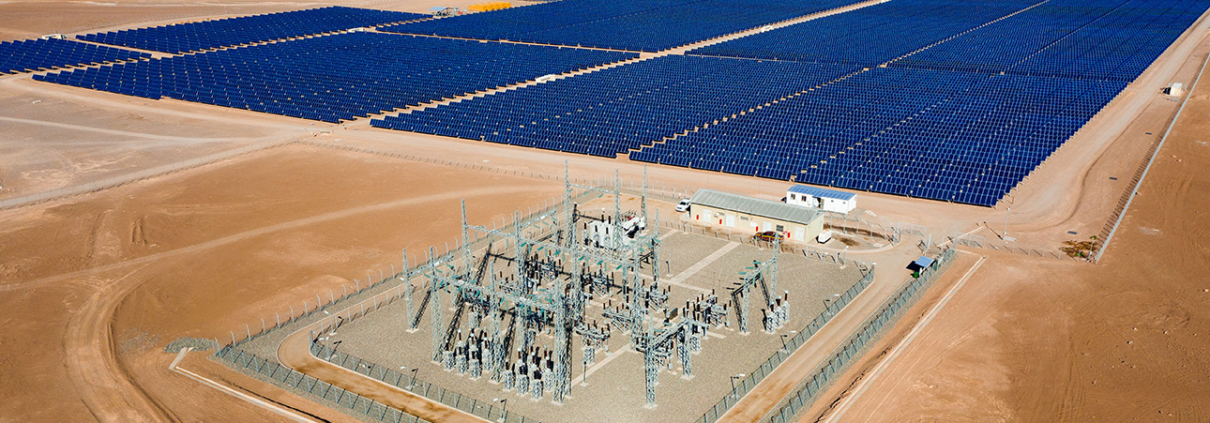
A compelling example is Atlas Renewable Energy’s strategic partnership with Codelco—the world’s largest copper producer—in Chile. Through a comprehensive 24/7 power purchase agreement (PPA), Atlas will deliver 375 GWh annually of renewable energy in 2026, integrating solar generation with battery energy storage systems (BESS).
This solution ensures supply stability and cost competitiveness, reduces exposure to conventional electricity market volatility, and supports the mining sector’s decarbonization strategy.
This initiative demonstrates how renewable energy and storage innovation enable corporations to advance the energy transition, strengthen competitive positioning, and contribute substantively to regional carbon neutrality objectives.
To achieve this transformation, organizations must embrace comprehensive change, which spans energy management, technological innovation, organizational culture, and stakeholder engagement.
These constitute the fundamental components of a roadmap toward sustainable profitability and robust leadership in the emerging energy economy.
Integrating Renewable Energy into Corporate Sustainability Strategy
Incorporating renewables into corporate sustainability frameworks has become essential for accessing capital markets, meeting regulatory requirements, and maintaining competitiveness in high-performance sectors.
According to the Inter-American Development Bank (IDB), renewable energy capacity in Latin America and the Caribbean expanded by 51% between 2015 and 2022. By 2022, 64% of regional electricity generation originated from renewable sources—a trend confirming the structural shift toward cleaner energy.
The IDB has catalyzed this transition by investing $1.068 billion in renewable energy projects, modernizing regulatory frameworks, and providing technical assistance to help corporations access preferential financing through sustainable business models.
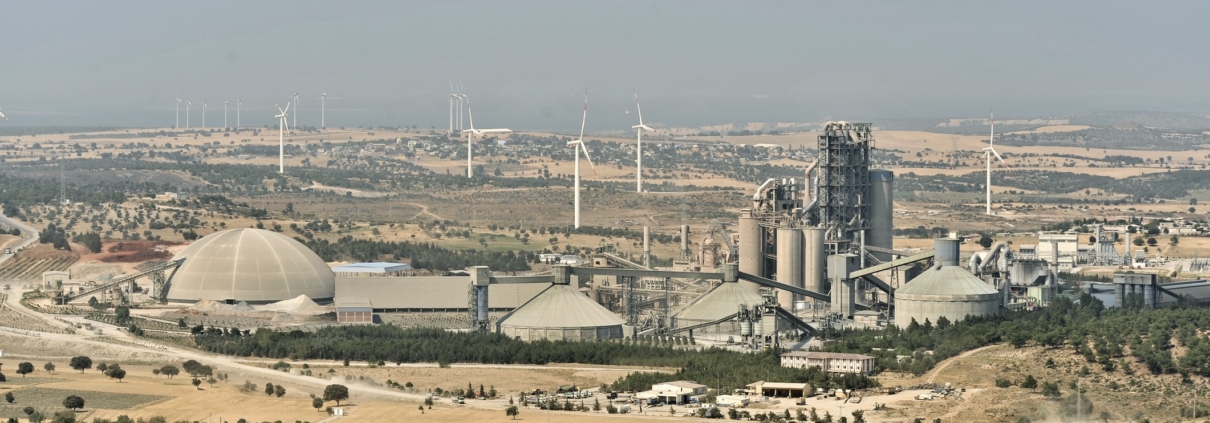
Several industry leaders have launched significant initiatives in this domain. For instance, Atlas Renewable Energy executed a 21-year power purchase agreement (PPA) with Albras, Brazil’s largest primary aluminum producer.
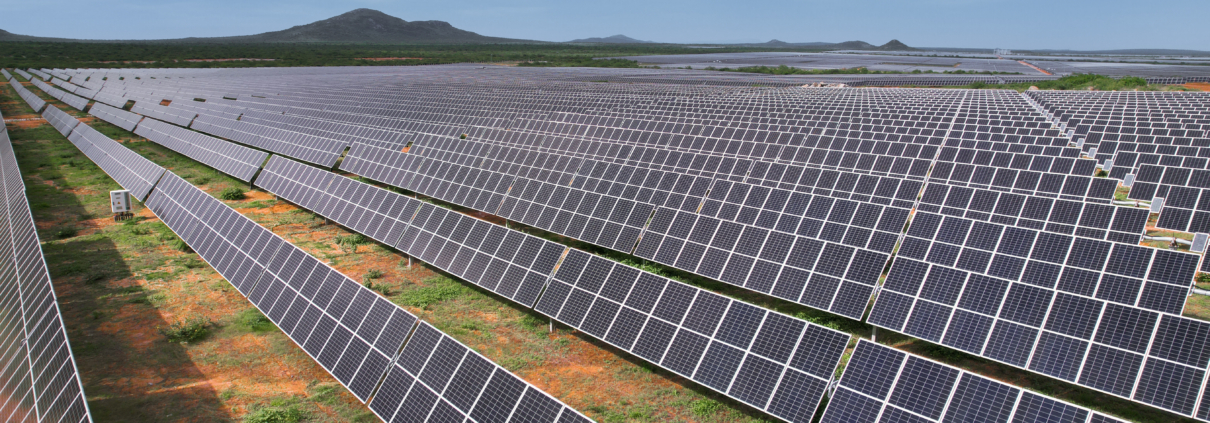
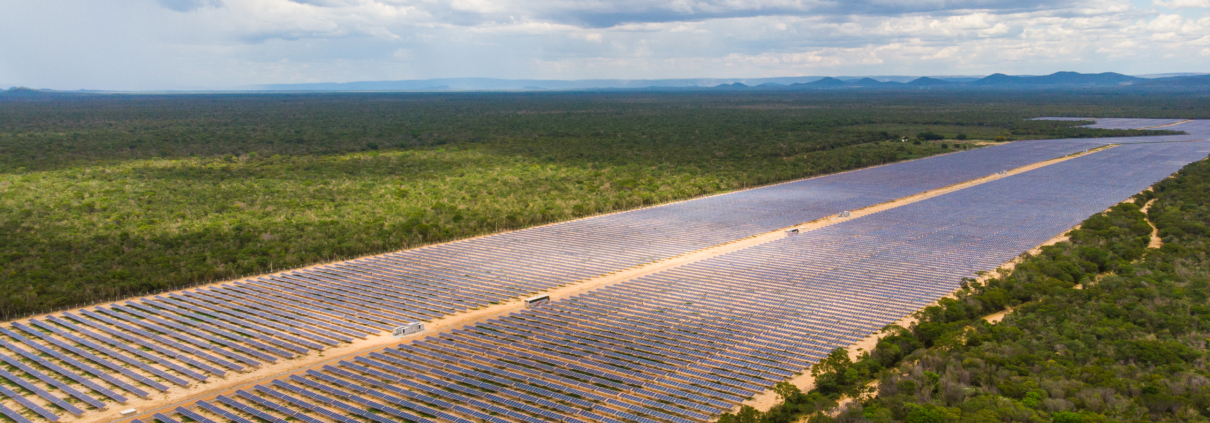
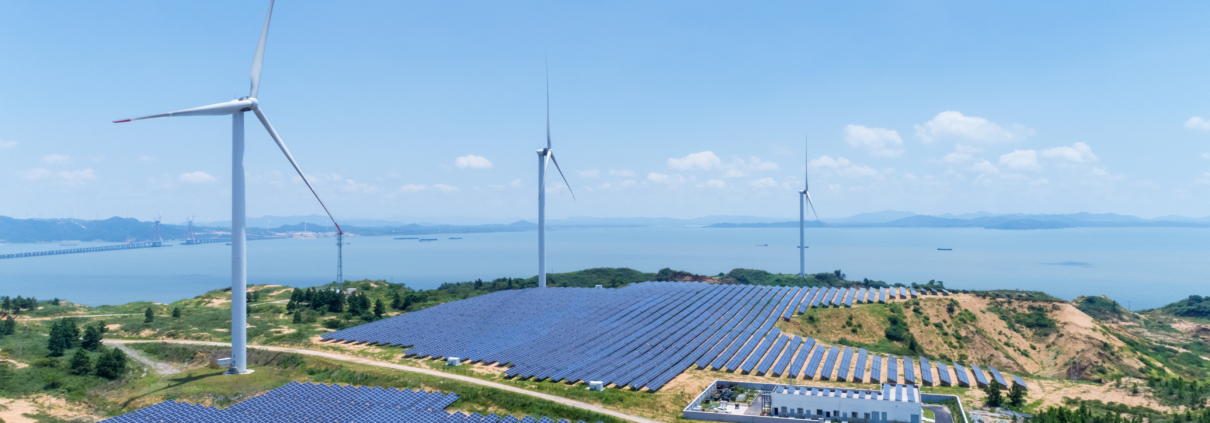
The agreement provides sustainable solar energy from the Vista Alegre photovoltaic project, which has an installed capacity of 902 MWp in Minas Gerais. Set to begin operations in 2025, the facility is expected to generate approximately 2 TWh annually and eliminate 154,000 tons of CO₂ emissions annually.
Investment in Innovation
For Latin American corporations, innovation is the cornerstone of efficiently and profitably integrating renewable energy. Beyond achieving environmental targets, clean energy lays the foundation for a more stable, predictable, and competitive energy paradigm.
Power Purchase Agreements (PPAs) constitute one of the most effective instruments in this transformation. These contracts enable companies to secure long-term access to clean energy with quantifiable benefits:
– Price stability: Fixed-rate structures protect against fossil energy market volatility.
– Operational cost optimization: Long-term agreements enhance financial planning precision and reduce energy expenditure.
– Sustainability compliance: Renewable energy utilization supports decarbonization objectives that investors and consumers increasingly prioritize.
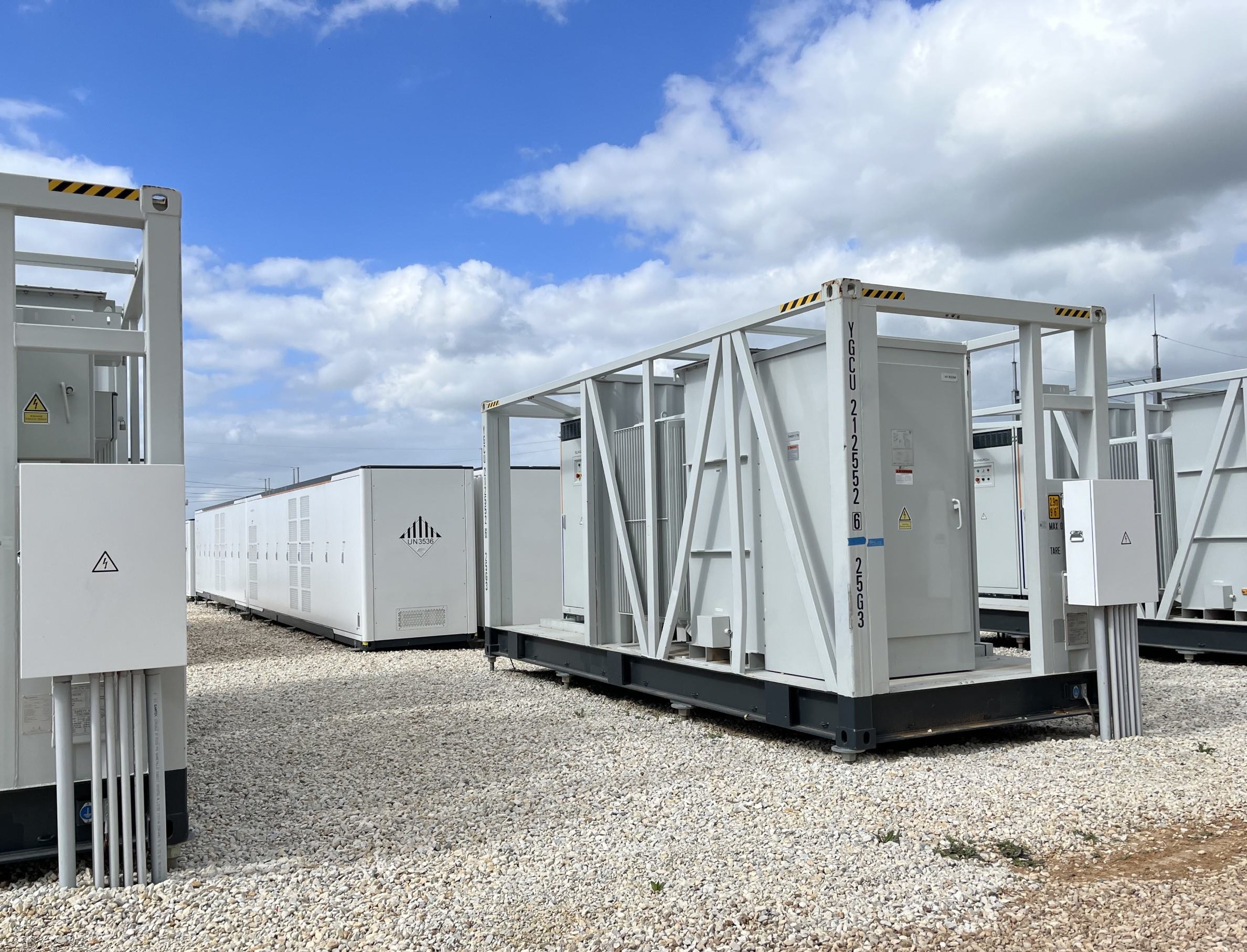
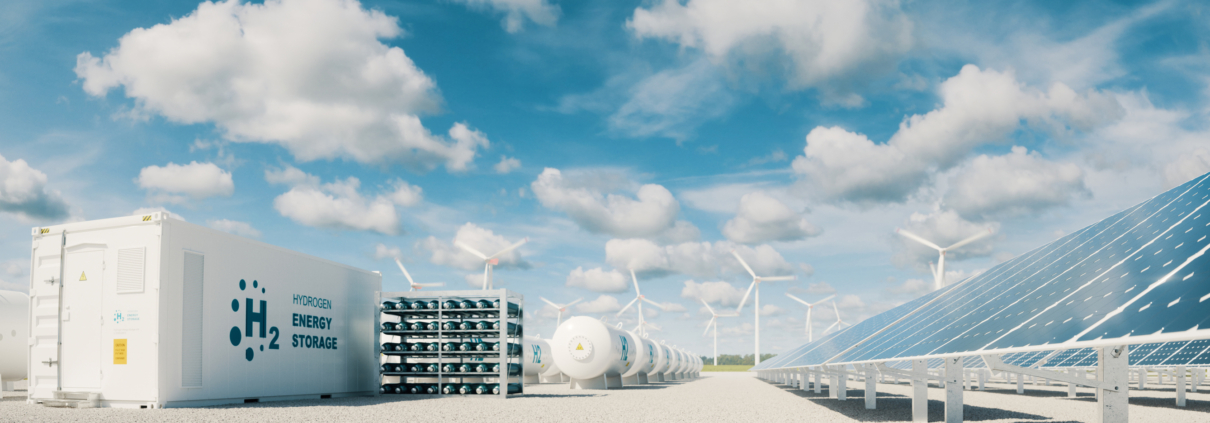
Technological advancements are accelerating this transition. Battery Energy Storage Systems (BESS) optimize renewable energy management by addressing intermittency challenges and ensuring a continuous, reliable supply of clean power.
A notable example is BESS del Desierto, an Atlas Renewable Energy project in Chile developed in partnership with COPEC. The facility integrates solar generation with BESS technology, offering 200 MW capacity and 800 MWh storage capability. It will inject 280 GWh into the grid annually, delivering competitive and sustainable energy solutions tailored to customer needs.
This category of solutions is scaling in line with growing investment flows. In 2024, clean energy investment in Latin America is projected to reach $80 billion—a 20% increase over the previous year, according to the International Energy Agency (IEA).
Brazil exemplifies this trend, doubling its renewable energy investment to $34 billion in 2023. This positions the country among global leaders in the energy transition and highlights the region’s substantial potential for sustainable innovation.
Strategic Partnerships
Accelerating Latin America’s energy transition depends fundamentally on strategic partnerships. Private corporations possess the capital and operational expertise to finance and execute large-scale renewable energy projects. However, success requires reliable public sector partnerships that guarantee robust legal and regulatory frameworks.
A stable, transparent, and predictable policy environment is essential for attracting private investment, executing long-term projects, and integrating clean energy solutions into corporate strategy.
Brazil, Chile, and Mexico have achieved significant progress, developing policies that promote public-private collaboration and enhance investor confidence.
Nevertheless, substantial challenges remain. The region must develop energy infrastructure to meet the growing demand from industrial and urban centers. Collaboration among governments, corporations, and international organizations will be essential to building robust, reliable, and sustainable energy systems.
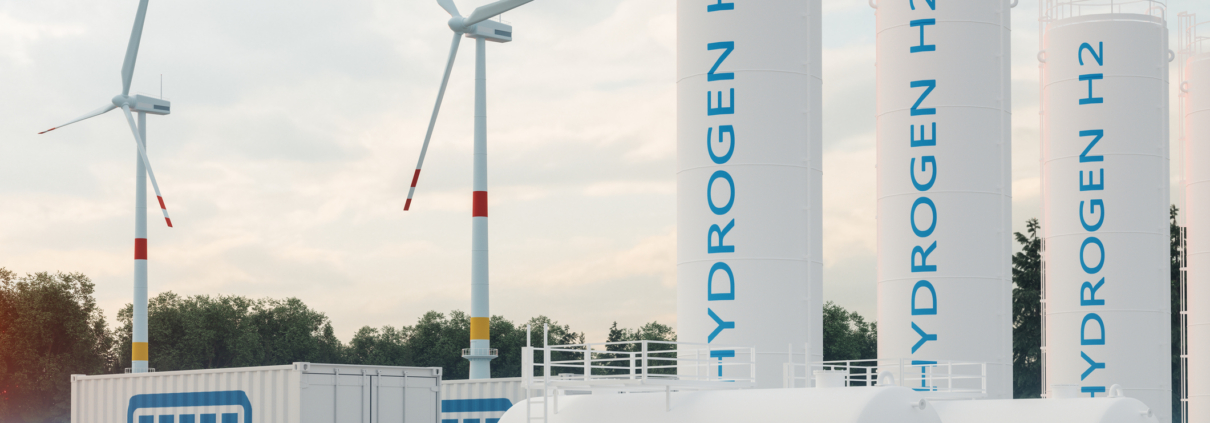
One such initiative is the cooperation agreement signed in July 2024 between Argentina and the European Union. The agreement focuses on investment and technical assistance for renewable hydrogen projects, and it is supported by €4 million in funding. The agreement aims to develop Argentina’s hydrogen market, reduce methane emissions, and modernize power grid infrastructure.
The energy transition cannot occur in isolation. It requires intelligent partnerships, long-term strategic vision, and a supportive environment for investment and growth.
Transparency and Accountability
In the energy transition, outcomes must be quantifiable and verifiable. Aspirational commitments are insufficient—corporations pledging renewable energy adoption and emissions reduction must substantiate these commitments with validated, transparent data.
Energy transparency has become a core competitiveness factor. Investors, clients, and global markets demand precise information regarding energy consumption, decarbonization efforts, and progress toward carbon neutrality.
In Europe, the Corporate Sustainability Reporting Directive (CSRD) already mandates comprehensive reporting under new standards, where energy management represents a central component. Latin America is beginning to adopt similar requirements.
In Mexico, beginning in 2025, companies filing financial statements must include sustainability disclosures—including energy utilization—under the new Sustainability Reporting Standards (NIS).
For corporations leading the energy transition, implementing robust energy measurement, monitoring, and reporting systems transcends regulatory compliance—it builds credibility, enhances reputation, and creates access to new investment and growth opportunities in increasingly selective markets.
Talent Development
The surge in renewable energy investment across Latin America has generated significant demand for specialized professionals. Between 2021 and 2022, global employment in the sector increased by one million positions—a trend now manifesting regionally.
Corporations must prioritize talent development and retention in renewable energy disciplines to address this demand. This ensures effective project execution and reinforces corporate leadership in environmentally responsible practices.
The Profitability of Renewable Energy
In Latin America, renewable energy integration is not merely a sustainable decision but a financially strategic imperative.
Companies investing in clean energy achieve substantial long-term operational cost reductions. They also mitigate fossil fuel price volatility risks and optimize energy expenditures through predictable, long-term supply contracts.
Beyond cost savings, several countries offer fiscal incentives for renewable energy projects. In Colombia, Law 2099 provides tax deductions and accelerated depreciation benefits. Brazil and Chile offer tax exemptions and dedicated financing mechanisms supporting the energy transition.
Moreover, renewables enable new revenue models:
– Energy surplus sales to the grid
– Participation in ancillary services markets
– Revenue generation through storage or demand response services
As global investors increasingly prioritize projects with demonstrable decarbonization metrics, corporations leading the transition benefit from enhanced financing terms, reduced capital costs, and strengthened credibility as strategic partners in international markets.
Consequently, renewable energy investment not only reduces costs, it creates enduring value.
A Call to Action
Investing in energy transition and efficiency has evolved beyond environmental positioning. It represents a strategic imperative that enables corporations to reduce costs, optimize operations, and position themselves advantageously in markets that increasingly value decarbonization.
Renewable energy has become a fundamental enabler of more competitive, resilient, and sustainable enterprises.
The moment for action is now. Companies leading this transformation should:
1. Assess their carbon footprint and establish ambitious reduction targets.
2. Invest in clean energy technologies and sustainable storage solutions.
3. Communicate renewable energy progress transparently.
4. Collaborate with strategic partners capable of customizing solutions to their operational requirements and growth objectives.
The energy transition represents a transformative business opportunity. Organizations that embrace it with a strategic vision will not only contribute to building a sustainable future but—with partners like Atlas Renewable Energy—will develop customized strategies that ensure profitability, operational efficiency, and leadership in a low-carbon economy.
At Atlas Renewable Energy, we recognize Latin America’s potential to lead the energy transition and support this commitment through strategic capital deployment.
We acknowledge that regulatory and infrastructure challenges exist, but we believe in solutions enabling sustainable growth while maintaining energy system stability. We advocate for a diversified energy portfolio that ensures supply security while enabling a progressive transition to clean sources.
At Atlas Renewable Energy, we stand ready to support your enterprise with innovative solutions tailored to your requirements and aligned with long-term sustainability and profitability objectives.
At Atlas Renewable Energy we have a WhatsApp channel ready to assist you. Through it, you can get quick answers to your questions. Contact us and discover how easy it is to connect with us!
This article was created in partnership with Castleberry Media. At Castleberry Media, we are dedicated to environmental sustainability. By purchasing carbon certificates for tree planting, we actively combat deforestation and offset our CO₂ emissions threefold.
Share This Entry