
Energy Trends in the Colombian Market
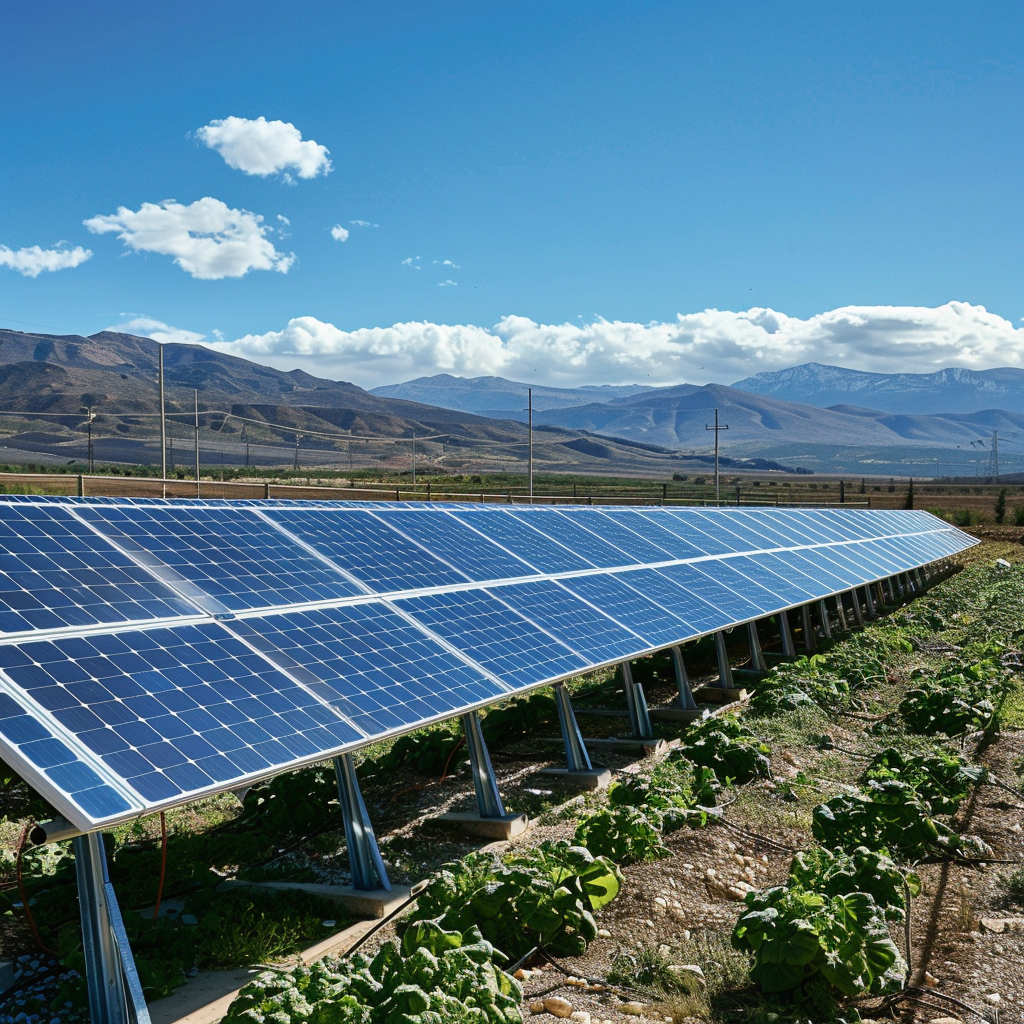
Power Purchase Agreements signed by companies act as a shield against energy market volatility, guaranteeing stability in energy prices and sustainable supply.
In 2024, renewable energy represented approximately 68% of electric generation capacity in Latin America, with hydroelectric being the most important (over 45%), followed by wind and solar photovoltaic, which account for 13%.
Due to this energy mix configuration, droughts, which are becoming increasingly frequent due to climate change, are affecting hydroelectric production and jeopardizing system reliability in some countries. This situation creates the need to develop resilient electrical systems by diversifying the energy matrix. According to estimates from the Economic Commission for Latin America and the Caribbean (ECLAC), investments in renewable energy in the region could exceed USD 20 billion this year.
Colombia, the fourth-largest economy in the region, is one of the countries most affected by droughts: almost 70% of its electricity generation is hydraulic, while solar photovoltaic energy makes up 9%. The remainder comes from hydrocarbons.
Therefore, despite the country’s clean electricity matrix, it remains highly exposed to hydrocarbon use when hydroelectric power is unavailable, generating significant increases in energy prices. This situation represents an opportunity for Colombia to diversify its energy matrix to decarbonize and reduce the climate vulnerability of its electrical system. According to SER Colombia, non-conventional renewable energy will grow by 35% in 2025. The guild, which brings together companies in that sector, estimates that 19 new projects will come online, adding 2,550 MW, equivalent to the consumption of 6.8 million Colombians. Currently, 1,916.06 MW of non-conventional renewable sources are installed, considering both large-scale and self-generation projects.
Challenges and Opportunities for the Advancement of Renewable Energy in Colombia
Colombia has significant advantages for the development of wind and solar photovoltaic energy. However, one of the biggest challenges is the transmission and distribution infrastructure, particularly in areas with high renewable potential, such as La Guajira. The territory has a wind potential of 15,000 MW, with trade winds of 9 m/s, among the best in South America. Additionally, its solar irradiation reaches 4.5 kWh/m²/day, exceeding the world average (4 kWh/m²/day). This combination makes La Guajira a key pillar for renewable energy development in Colombia.
However, the lack of adequate networks prevents part of this potential from reaching consumption centers. A major step will be commissioning the Colectora power line (500 kV) that will come into operation at the end of 2025 and connect about 15 wind farms and a solar plant, injecting 2,323.9 MW into the National Interconnected System.
These types of works will address another critical factor: the rapid growth of electricity demand. According to UPME, electricity consumption in Colombia will increase by an average of 2.38% annually until 2038, putting existing infrastructure under strain. Without new investments in generation, the country would face a structural energy deficit starting in 2027.
Likewise, the country has implemented regulatory incentives for non-conventional renewable energy projects, such as those established in Law 2099 of 2021, which offers tax deductions of up to 50% on investment in projects using these sources and exemption from VAT and tariffs for importing equipment for these projects. However, it is imperative that the public sector work on policies that provide signals of long-term legal stability for these capital-intensive projects that require sustained investments.
Another challenge relates to the execution times of renewable projects, which are excessively long in certain areas of the country. The Colombian Association of Electric Power Generators (ACOLGEN), a guild that represents 70% of the country’s renewable energy projects, states in its 2023 management report that of the 4.5 GW of expected solar capacity, less than 5% has managed to connect to the grid due to delays in permits and licensing.
Prior consultations with local indigenous communities are an essential mechanism for ensuring the fair and sustainable development of renewable projects, as they promote dialogue, territorial respect, and social viability. However, due to their complexity and scope, these processes also represent one of the main bottlenecks in execution times.
This situation requires the industry to establish more flexible foundations to streamline these processes while maintaining community guarantees. For example, the Colectora line formalized agreements with 235 certified ethnic communities to trace its 475 kilometers, crossing 10 municipalities in La Guajira and four in Cesar, which generated significant delays in its construction.
With some of South America’s best solar and wind resources, Colombia can potentially lead the regional energy transition. However, to do so, it must overcome key challenges such as the lack of coordination between companies, authorities, government, and communities, as well as the lack of flexibility in prior consultation processes and environmental licenses.
The Advancement of Renewable Energy to Ensure Low Prices
In 2024, the Colombian energy market experienced unprecedented volatility due to the El Niño phenomenon, which reduced reservoir levels and forced reliance on more expensive thermal generation. This led to the average price on the Energy Exchange reaching COP $759.54/kWh (USD 0.18/kWh) in December, an annual increase of 13.47%. However, the greatest impact occurred in September and October, when prices soared to COP $7,233.16/kWh (USD 1.74/kWh) for brief moments, a 700% increase in just 24 hours, due to the activation of the Statute for Situations of Risk of Shortage.
Faced with this volatility, renewable energy presents a more stable and economical alternative to stabilize energy rates. According to IRENA, levelized costs of generation (LCOE) for renewables have fallen significantly in the last decade, allowing solar photovoltaic energy to reach a global average cost of USD 0.044/kWh in 2023, while onshore wind stood at USD 0.033/kWh. Both are well below the average cost of fossil fuel generation worldwide and drastically lower than Energy Exchange prices.
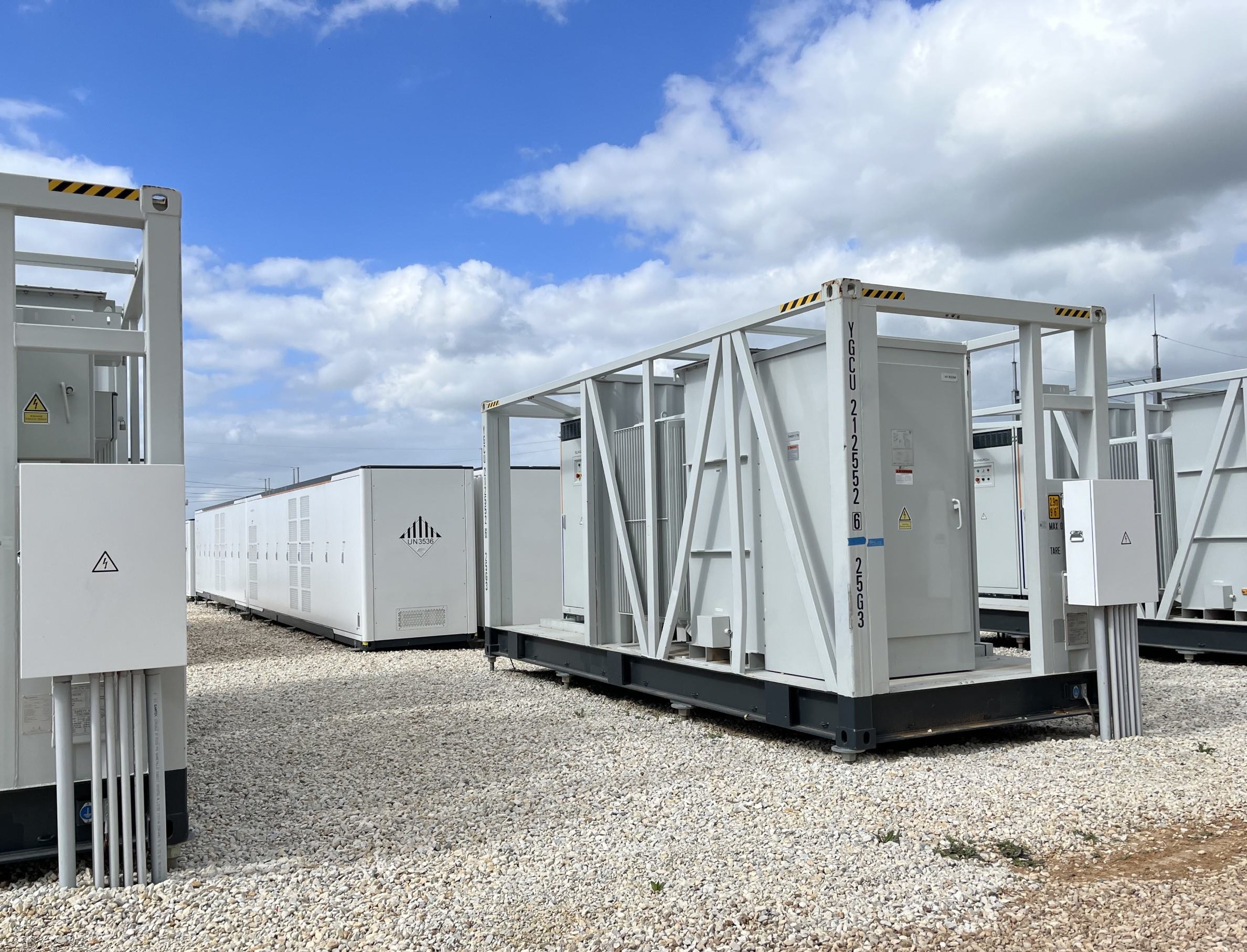
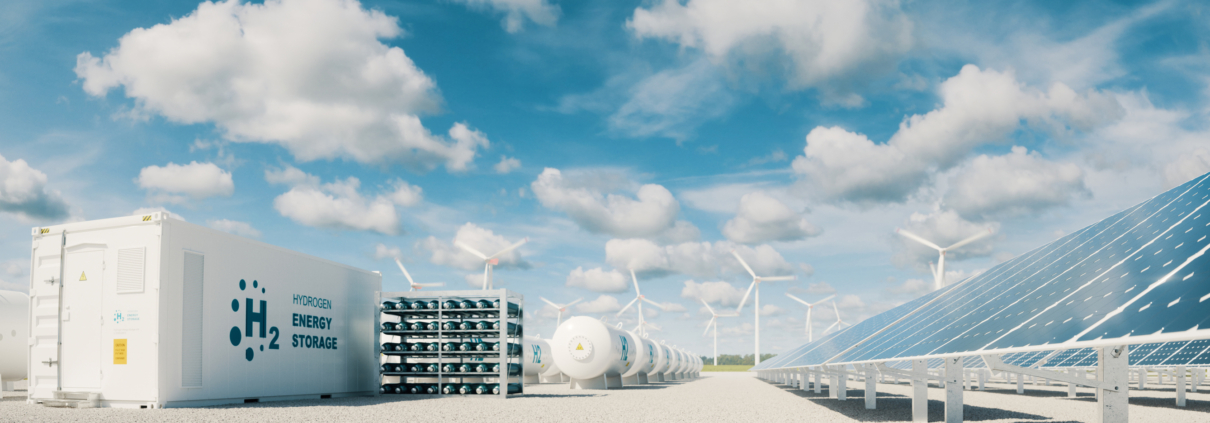
Likewise, battery energy storage systems (BESS) are becoming the strongest option. This solution, applied in intensive models, allows energy to be stored during periods of low demand and released when consumption spikes, optimizing grid stability and ensuring a reliable 24/7 supply.
With a focus on innovation and efficiency, Atlas Renewable Energy is leading the implementation of energy storage systems (BESS) in Latin America, with strategic projects in Chile and expansion capacity in Colombia. These storage solutions are fundamental to driving an energy transition with more reliable systems that contribute to more stable and resilient markets.
PPA: A Model for Stability
The increase in energy prices has accelerated interest in Power Purchase Agreements (PPAs), which allow companies and industries to secure a stable and more economical supply of clean energy in the long term.
Atlas Renewable Energy designs flexible and competitive PPAs adjusted to each client’s specific needs. Options range from physical contracts with direct energy delivery to financial or virtual PPAs that protect against market volatility.
To ensure a reliable, competitive, and sustainable supply, the company incorporates battery energy storage systems (BESS) and real-time monitoring. These allow the management of surpluses and optimize delivery according to demand. The company offers tailored renewable energy that also contributes to grid stability and facilitates greater penetration of clean sources in the electrical system.
The Growth of PPAs and the Advancement of New Contractual Models in the Colombian Market
In Colombia, Power Purchase Agreements (PPAs) are becoming established as one of the main tools for companies to secure a competitive, predictable, and sustainable electricity supply. In December 2024 alone, the country traded around 513.92 GWh in long-term bilateral contracts with renewable sources, equivalent to 7.48% of national demand. All indications are that this participation will continue to grow, driven by the need of large consumers to protect themselves against price volatility and advance their decarbonization strategies.
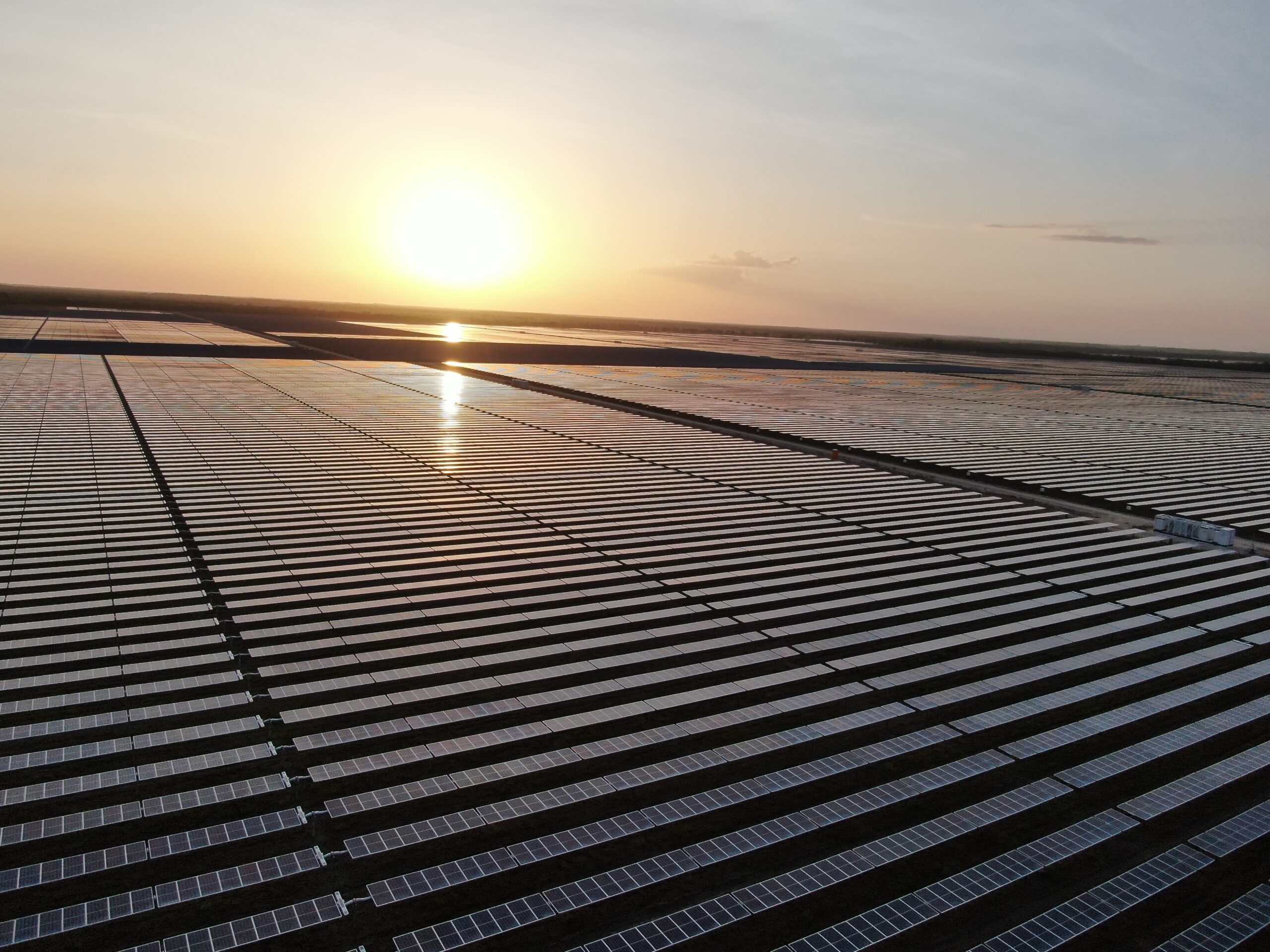
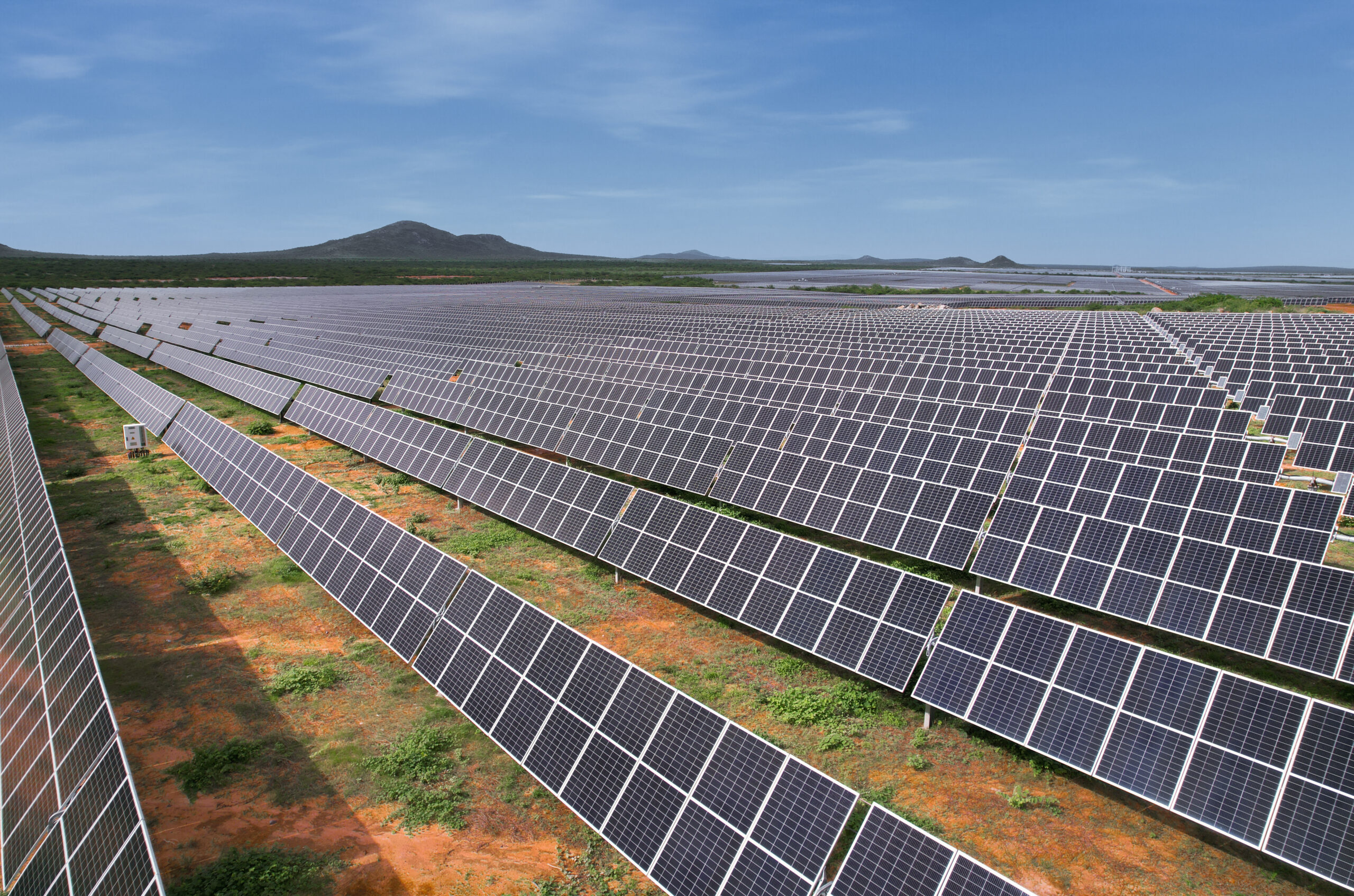
Atlas Renewable Energy is moving decisively along this path. In partnership with IDB Invest and Bancolombia, it secured a financing agreement for 474 billion Colombian pesos (USD 113 million) to develop the Shangri-La solar plant in Tolima. This project, which will have 201 MW of installed capacity and contribute 160 MWac to the grid, will generate 404 GWh of clean energy annually, enough to supply about 214,000 homes and avoid the emission of 162,000 tons of CO₂ annually. Additionally, Atlas has announced its ambition to develop an additional 1,000 MW in the country, helping to strengthen Colombia’s energy matrix.
At the same time, the deployment of battery energy storage systems (BESS) is beginning to open new opportunities in the energy market, especially on the generator side. These solutions allow storage of excess renewable generation during low-demand hours and release it when supply is limited or demand increases, providing operational flexibility to the electrical system and improving its efficiency.
Atlas’s experience in projects such as the BESS del Desierto in Chile—one of the largest in the region, with 200 MW of capacity and 800 MWh of storage—demonstrates the potential of these technologies to reduce tariff gaps, optimize operating costs, and strengthen supply reliability. In the Colombian context, its application is especially valuable in areas with high tariff volatility, such as the Caribbean coast. Increasing renewable penetration could generate phenomena such as curtailment in a future scenario.
This technological advancement is also driving new contractual models. Tolling fee agreements allow companies to pay a fixed fee for using a storage system’s capacity, while spinning reserve contracts offer instant backup against unexpected variations in demand. Additionally, hybrid models are emerging that combine renewable energy consumption with behind-the-meter storage, allowing industries to expand their energy autonomy and reduce their costs during high-demand periods.
The combination of PPAs, storage technologies, and innovative contractual schemes represents a natural evolution of the Colombian energy market. It not only facilitates more stable and competitive supply for large consumers but also optimizes the use of energy resources, maximizes the value of renewable generation, and contributes to a more resilient, efficient, and sustainable electrical system.
Renewables and PPAs: The Path to Energy Stability in Colombia
The advancement of renewable energy in Colombia is key to diversifying the energy matrix, ensuring stability in electricity supply, and reducing price volatility. Technologies such as solar photovoltaic and wind, with significantly lower costs than fossil fuels, perfectly complement the country’s energy supply. Thus, they support transitioning to a low-emission model while strengthening energy security and system competitiveness.
Power Purchase Agreements (PPAs) have become a key model for companies and industries to secure stable, long-term prices. With an 18% increase in the Americas in 2022, their implementation in Colombia is growing rapidly, benefiting large consumers seeking to reduce costs and carbon footprint.
However, for this transition to be truly effective, a clear, predictable, and modern regulatory framework is essential to attract investment that drives the development of renewable projects.
Atlas Renewable Energy positions itself as a fundamental player in this transformation. With its experience in PPAs and the development of 8.4 GW contracted in the region, it leads the expansion of renewable projects in Colombia. It stands out with Shangri-La, the third largest solar park in the country, which is part of the goal to develop 1,000 MW in the coming years.
Beyond generation, strengthening the market requires technological solutions that reinforce system reliability, such as large-scale energy storage (BESS), which is key to managing renewable intermittency and ensuring continuous supply. Sector stability does not depend on artificial price regulations, but on an intelligent combination of predictable regulatory frameworks, technological innovation, and flexible financial models such as PPAs, which pave the way for Colombia’s cleaner, more efficient, and competitive energy future.
At Atlas Renewable Energy we have a WhatsApp channel ready to assist you. Through it, you can get quick answers to your questions. Contact us and discover how easy it is to connect with us!
This article was created in partnership with Castleberry Media. At Castleberry Media, we are dedicated to environmental sustainability. By purchasing carbon certificates for tree planting, we actively combat deforestation and offset our CO₂ emissions threefold.
Share This Entry