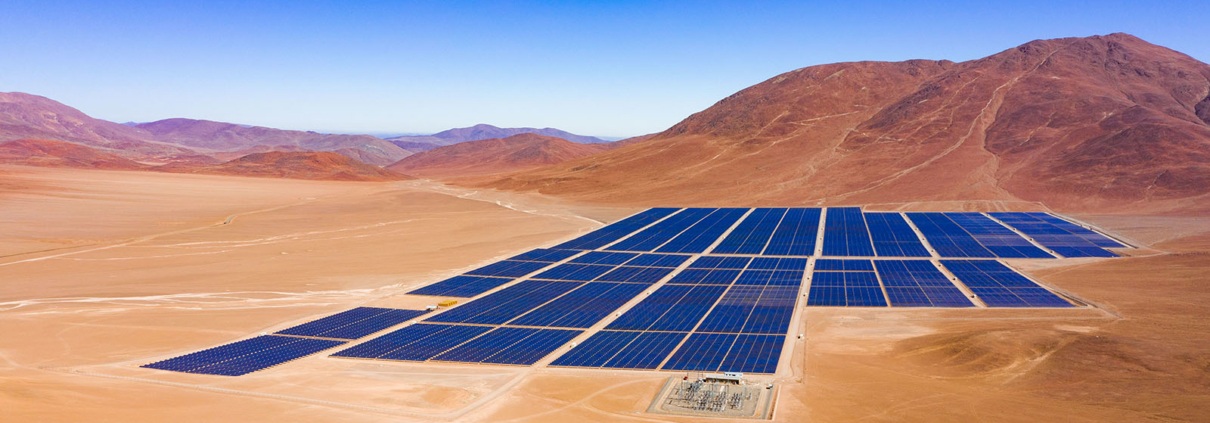

Energy Transition: Opportunities for Multinationals

Integrating renewable energy for companies with multiple operational sites presents complex strategic challenges. Yet this transition yields substantial dividends: enhanced market competitiveness, strengthened brand equity, and elevated stakeholder trust.
In a global business landscape marked by the growing urgency of the climate crisis, the energy transition has become a strategic priority for companies across all sectors. Multinationals, with their extensive global presence and operations in multiple countries, face unique and complex challenges in adapting to the environmental regulations of each country while maintaining competitiveness in a market that increasingly values sustainability.
The COP28 climate summit underscored the imperative for a rapid and equitable transition to renewable energy. The World Meteorological Organization (WMO) report warns that global temperatures could breach the Paris Agreement’s 1.5°C threshold without accelerated energy transition initiatives within five years.
COP28 highlighted corporate accountability implications. EY analytics reveal that 74% of enterprises fail to incorporate quantifiable climate risk metrics in their strategic planning, and nearly half omit transition plan disclosures. This oversight increasingly incurs market share penalties as consumers gravitate toward environmentally conscious enterprises. Concurrently, financial institutions are prioritizing environmentally responsible corporations, offering specialized instruments, including sustainable investment funds, green and social bonds, impact venture capital, and green loans.
A cornerstone of achieving sustainability objectives is transitioning from carbon-intensive energy sources to renewable alternatives through strategically structured power purchase agreements (PPAs). These arrangements yield a triple benefit:
– Securing competitive pricing advantages
– Ensuring supply continuity
– Enhancing corporate environmental credentials through zero-emission energy consumption
Lucas Salgado, Global Commercial Strategy Director of Atlas Renewable Energy, emphasizes several considerations that multinational companies must consider when contracting renewable energy. Due to their transnational nature, operations, high emissions levels, and the need to meet each country’s climate targets, they must consider various factors.
The Benefits for Multinationals of Transitioning to Renewables
Each country has its own set of energy regulations and incentives for renewable energy projects. Multinational companies must understand how these policies vary between countries and ensure compliance. Atlas Renewable Energy offers expertise in navigating these regulations to ensure legal and operational alignment.
For example, companies—particularly multinationals—must adapt to the climate commitments of various countries across Ibero-America, such as Argentina (Law No. 27,520), which establishes a 19% reduction in greenhouse gas (GHG) emissions by 2030 relative to 2007; Brazil (Law No. 12,187), which sets a 37% reduction in GHG emissions by 2025 and a 43% reduction by 2030 compared to 2005; Chile (Law No. 21,455), which aims for carbon neutrality by 2050, with a 30% reduction in emissions by 2030 relative to 2016; Colombia (Law No. 2,169), which sets a goal of a 51% reduction in GHG emissions by 2030 relative to 2010; Mexico (General Law on Climate Change), which seeks a 22% reduction in GHG emissions and a 51% reduction in black carbon by 2030 compared to the baseline scenario; and Spain (Law 7/2021), which aims to reduce the greenhouse gas emissions of its economy by at least 23% by 2030 compared to 1990 levels.
Another important aspect is what is happening in the European Union (EU) with the Carbon Border Adjustment Mechanism (CBAM), which will prevent importing goods produced with more CO2 than what is allowed for internal consumption within the EU itself. This represents one of the highest international standards, meaning that incorporating renewable energy will enable companies to meet environmental requirements for exporting their products.
– Grid Limitations and Infrastructure
Some countries may face challenges with transmission infrastructure or grid stability, which can impact renewable energy supply. Atlas Renewable Energy assists companies in assessing these risks and finding locations with better infrastructure or solutions to mitigate these issues.
– Financial and Currency Risks
PPAs often entail currency exposure through exchange rate fluctuations. Organizations must evaluate total energy cost implications over contract duration, particularly with USD-indexed PPAs. Atlas Renewable Energy provides sophisticated financial structuring solutions, including local currency financing and hedging mechanisms.
– Sustainability Reports
Different countries may have varying standards and requirements for sustainability reporting. Atlas assists multinational enterprises in aligning renewable energy procurement with global sustainability frameworks, including GHG Protocol and Science-Based Targets.
– Cultural and Operational Differences
Countries have varying business cultures, work ethics, and project execution timelines. Atlas helps companies navigate these differences by providing local expertise and managing the operational aspects of renewable energy projects in multiple countries, ensuring energy supply according to clients’ requirements.
Indeed, the energy provider supports multinational companies by offering tailored renewable energy solutions in each country where they operate through its global renewable energy platform, simplifying procurement processes, managing market risks, and addressing customer needs in each region. This includes regulatory compliance, project development, and PPA negotiations, ensuring meeting sustainability goals.
PPAs as Allies in the Adoption of Renewable Energy
Besides being clean sources, wind and solar photovoltaic energy are among the most cost-competitive globally. A report by the International Renewable Energy Agency (IRENA) indicates that the global weighted average cost of solar photovoltaic electricity fell by 89% between 2010 and 2022, reaching USD 0.049/kWh, nearly one-third less than the cheapest fossil fuel worldwide in that year. The drop was 69% for onshore wind, reaching USD0.033/kWh, slightly less than half the price of the cheapest fossil fuel option.
Large multinational companies are aware of this. In 2022, private companies and public institutions signed PPAs for a record 36.7 GW of renewable energy, representing an 18% increase from 2021, according to a BloombergNEF report. Among the companies signing the most clean energy deals, Amazon led with 10.9 GW of PPAs, followed by Meta (2.6 GW), Google (1.6 GW), and Microsoft (1.3 GW).
Of the 36.7 GW of signed agreements, 24.1 GW were concluded in the Americas, an 18% increase from 2021. In Latin America, mining companies seeking clean energy to power operations in remote areas of Chile and Brazil drove PPA activity.
A similar trend is occurring on the Iberian Peninsula. A Pexapark report indicates that 16.2 GW were signed in Europe in 2023, a 40% year-on-year increase. This increase reflects a stabilization of the business environment in the energy sector, with a total of 272 agreements signed, marking an impressive 65% increase from the previous year. Spain signed 4.67 GW of the total, leading the list of countries, while Portugal ranked tenth with 0.42 GW.
Atlas Renewable Energy is one of the largest and fastest-growing independent power producers (IPPs) in Latin America, supporting multinationals in their integration into the energy transition.
“Atlas is the preferred partner for major energy consumers in Latin America. In Brazil, we have established partnerships with multinational companies such as Dow Chemical, Anglo American, ArcelorMittal, and Hydro to provide long-term renewable energy solutions that not only guarantee competitive prices but also cost efficiency, particularly considering that energy accounts for more than 40% of their OPEX (operational expenses). Moreover, by structuring a PPA indexed in U.S. dollars, we help protect against currency fluctuations. It is worth noting that we currently supply more than 30% of Hydro-Albras’ energy needs, which is significant given that they represent the largest point of energy consumption in Brazil, with a demand exceeding 7.1 TWh per year,” Salgado highlights.
On the other hand, the Global Commercial Strategy Director of Atlas Renewable Energy indicates that in Chile, they have developed tailored energy solutions for some of the largest mining companies at both regional and global levels. “We have signed long-term PPAs with Antofagasta Minerals, and more recently, we have pioneered the financing of hybrid solar and battery energy storage systems (BESS) for COPEC,” the executive notes.
Key Considerations When Signing a PPA
Companies, including multinationals, must consider several key aspects when negotiating a PPA to ensure the agreement aligns with their financial, operational, and sustainability objectives.
Salgado highlights several criteria that can be grouped into different categories.
– Contract Characteristics Related to the Company’s Energy Needs
The client must understand their requirements regarding contract duration, pricing structure, indexing, volume commitments, and flexibility. Evaluating how the energy provider can meet these specific needs is essential.
– Risks, Exposures, and Mitigation Strategies
It is important to analyze how the provider mitigates risks related to energy generation, curtailment, and any specific market, sector, or hourly price exposure that may affect the financial sustainability of the agreement. In other words, the provider must offer guarantees and strategies to ensure it can fulfill all PPA obligations.
– Sustainability Practices and Additional Services
Leading providers do more than supply energy; they also offer renewable energy guarantees through instruments such as renewable energy certificates (RECs), carbon credits, or guarantees of origin in the European Union.
At Atlas, energy purchases are tied to projects with specific sustainability objectives and social or environmental impacts, allowing clients to contribute to these initiatives. As a result, in 2023, the company received two significant industry awards for implementing its Ed-Mundo social program. The initiative was awarded the Community Award for Development of Communities by GRI Infra and the ESG Social Award by IJGlobal.
– Counterparty History
The energy buyer must assess the developer’s or supplier’s creditworthiness to ensure long-term reliability and protect their institutional reputation. It is crucial to review the provider’s history in building and operating projects, as well as the satisfaction of current customers.
At Atlas, we pride ourselves on our 100% success rate in PPA implementation and delivery, being the preferred partner for the largest energy consumers in Latin America.
By considering these factors, companies can ensure that the PPA is financially sound, operationally viable, and aligned with their renewable energy and sustainability objectives.
PPA Models
Each company needs to evaluate its consumption patterns and understand which type of PPA contract is most suitable. These contracts are agreed upon based on terms, energy volumes, and certain commercial criteria, such as the flexibility of the curve, meaning operational flexibilities can be seasonally generated according to the demand of the interested company’s operations.
Salgado emphasizes that there are different forms and types of PPAs. Atlas Renewable Energy offers various types of support to help companies transition to renewable energy efficiently and in line with their expectations.
– Customized Renewable Energy Solutions
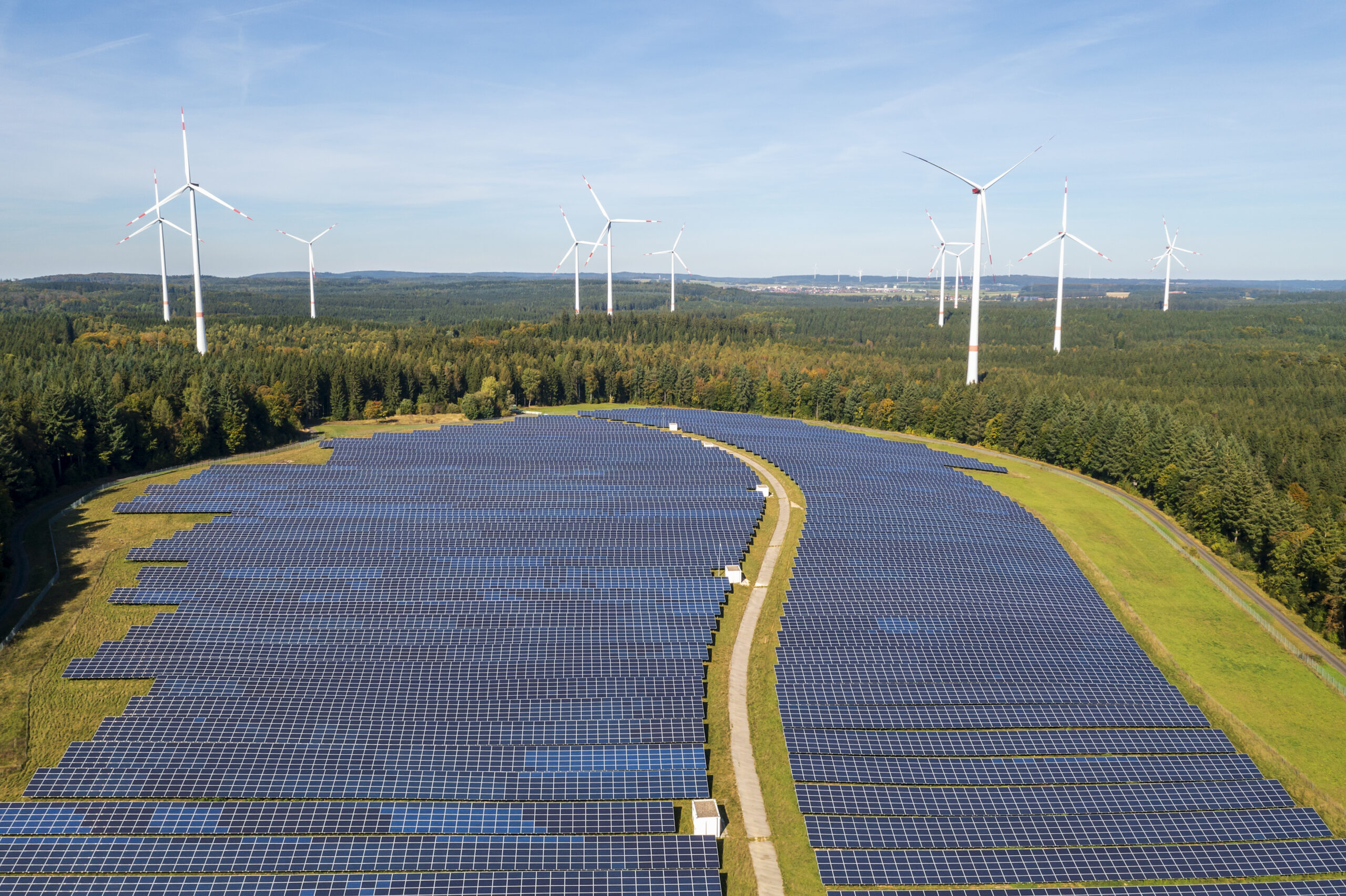
Atlas tailors solutions to fit each company’s specific energy needs and location. Additionally, it uses solar, wind, energy storage systems (BESS), or hybrid solutions to ensure that the energy mix aligns with the company’s operational requirements and sustainability objectives. Furthermore, it can develop multiple customized solutions, from simple PPAs to joint ventures or leasing, among others.
– Innovative Services Alongside Financing Solutions
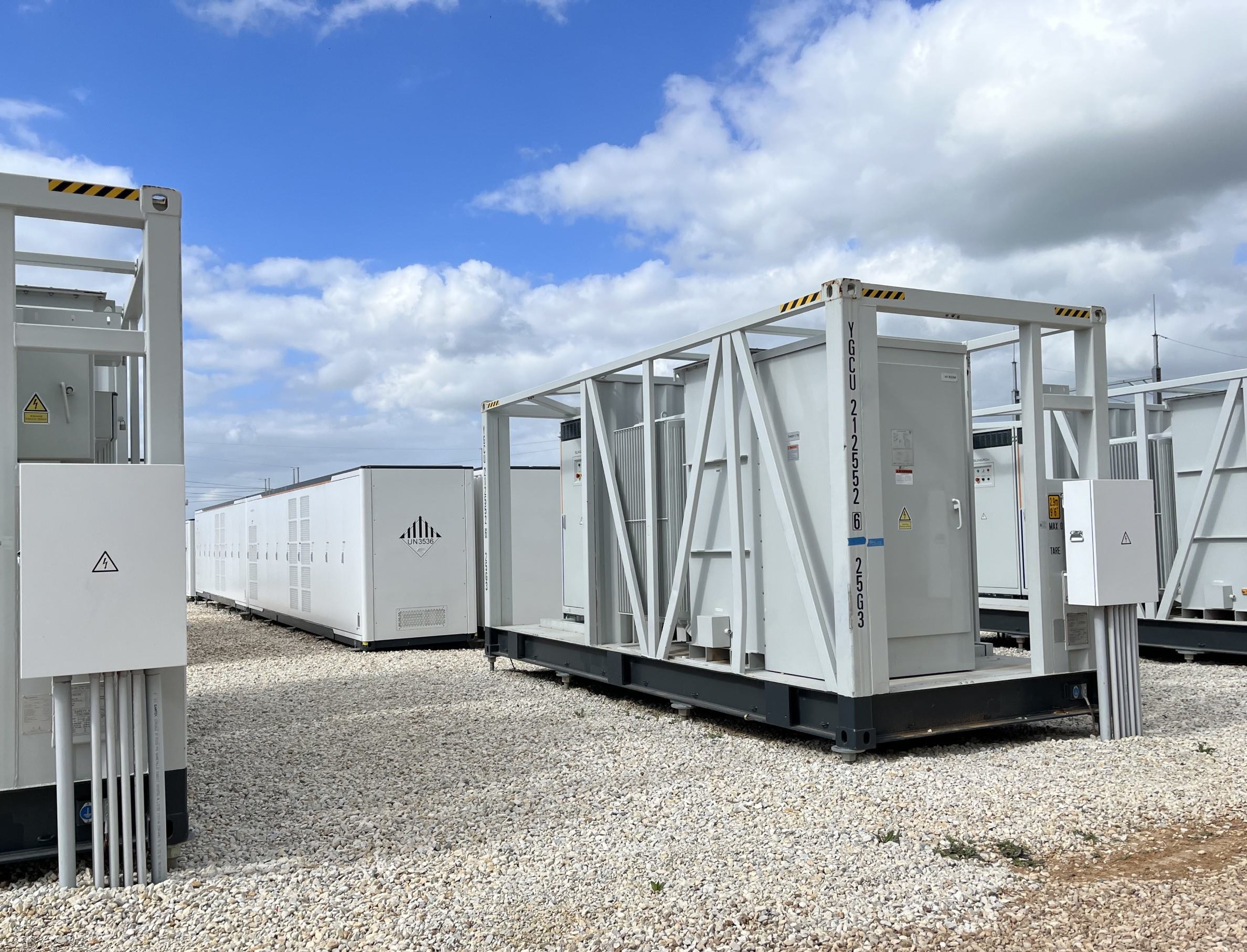
Atlas works closely with its clients to develop energy transition strategies that reduce emissions and generate cost savings. Atlas can finance electrification investments for its clients by providing a guaranteed renewable energy supply at competitive and predictable costs. Additionally, it has developed behind-the-meter (BTM) solutions, such as battery storage systems, to help clients manage peak demand, reduce connection risks, and lower energy costs.
– Integration of Sustainability
Atlas ensures that renewable energy projects are fully integrated into the company’s ESG strategy. Additionally, it helps companies report sustainability results to stakeholders.
– Regulatory and Permitting Support
Atlas provides guidance on navigating local regulations and securing the necessary permits for renewable energy projects. It also advises companies on managing local incentives and subsidies.
Conclusion
The climate crisis is setting off alarm bells, and companies, especially multinationals, must commit to taking measures to help mitigate it by joining the energy transition.
While this is a challenging task for companies, as it requires organizational change, adopting renewable energy is key to this process. Signing long-term power purchase agreements (PPAs) guarantees them clean energy at competitive prices, enhances corporate reputation, and brings them closer to credit opportunities.
This article was created in partnership with Castleberry Media.. At Castleberry Media, we are dedicated to environmental sustainability. By purchasing carbon certificates for tree planting, we actively combat deforestation and offset our CO₂ emissions threefold.
Share This Entry