
Colombia’s Roadmap: A Pathway to a Cleaner Energy Matrix
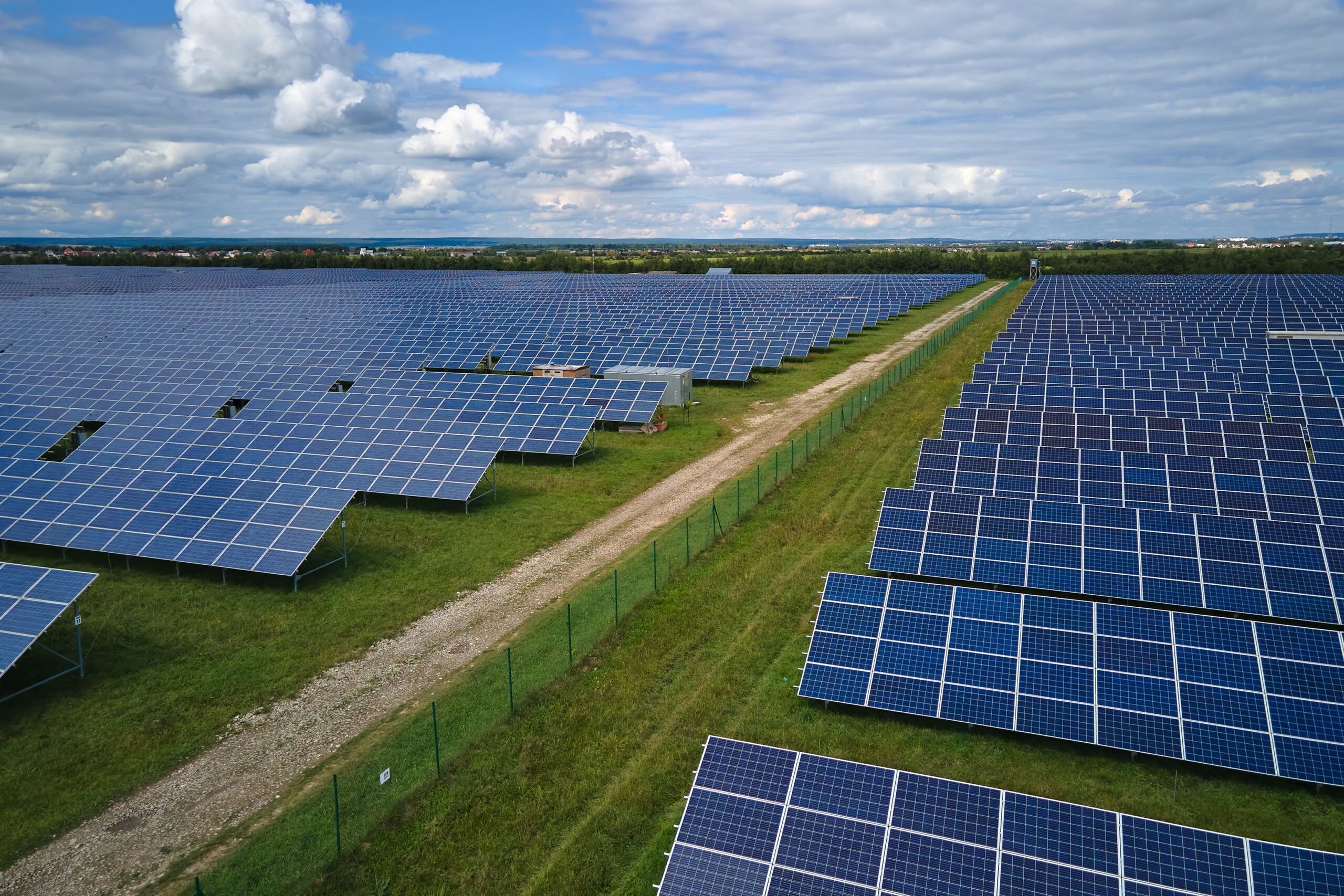
Colombia is advancing towards clean energy with the Just Energy Transition Roadmap, navigating a path of challenges and opportunities. The goal is to achieve fair and sustainable development for all.
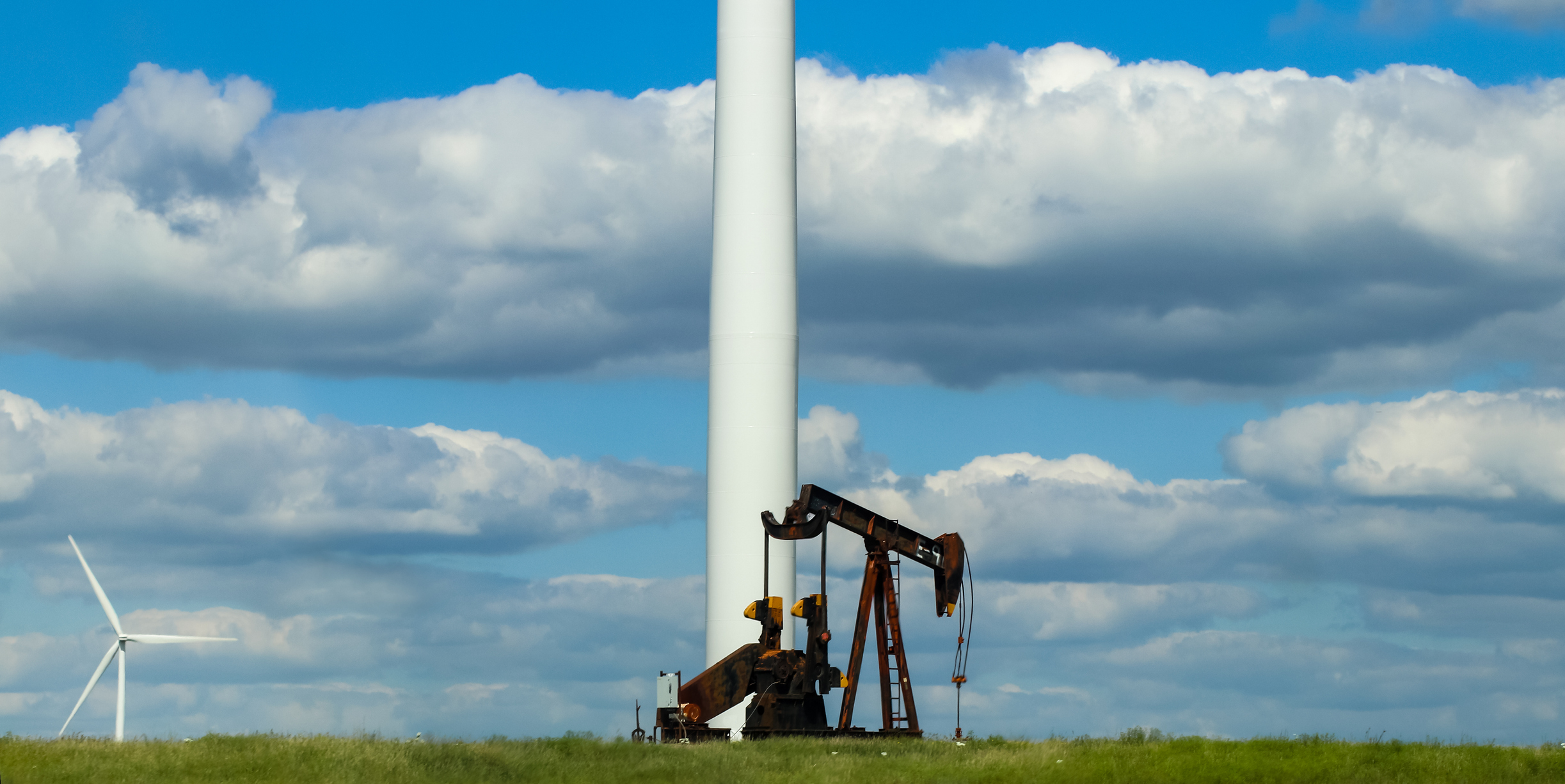
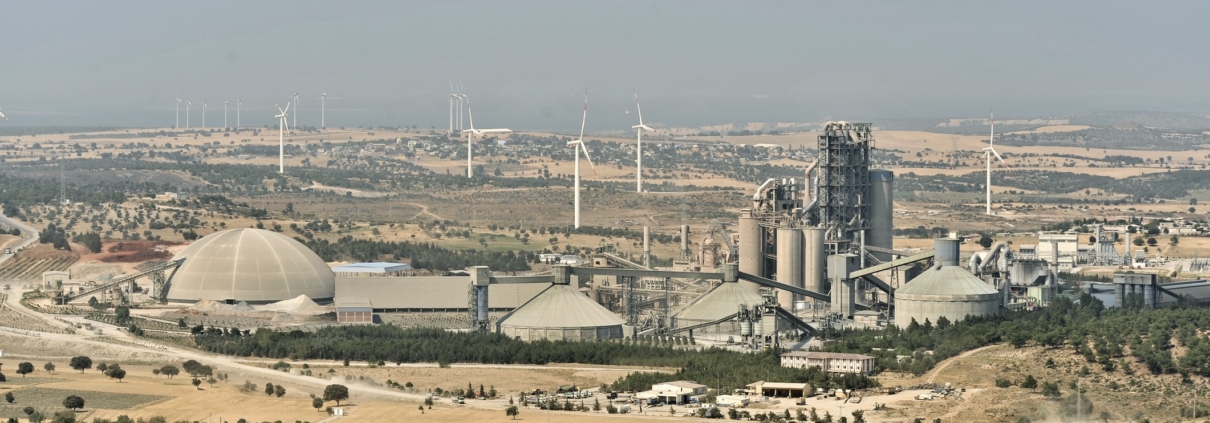
Colombia is undergoing a transition towards cleaner and more sustainable energy sources. Currently, 70% of Colombia’s electricity generation depends on hydrological sources, which are considered unconventional renewable resources. However, when examining the entire energy matrix, hydrocarbons such as oil, natural gas, and coal still play a predominant role.
In 2022, the oil sector contributed $18.16 trillion to the nation’s coffers, representing 1.3% of GDP, with a forecasted increase to 2.2% for 2023 due to tax reform and a favorable sales outlook for this fuel. Additionally, exports from the sector accounted for 40% of the total foreign sales, according to the Colombian Petroleum and Gas Association (ACP). These figures highlight Colombia’s economic dependence on hydrocarbons, posing a significant challenge for the transition to renewable energies.
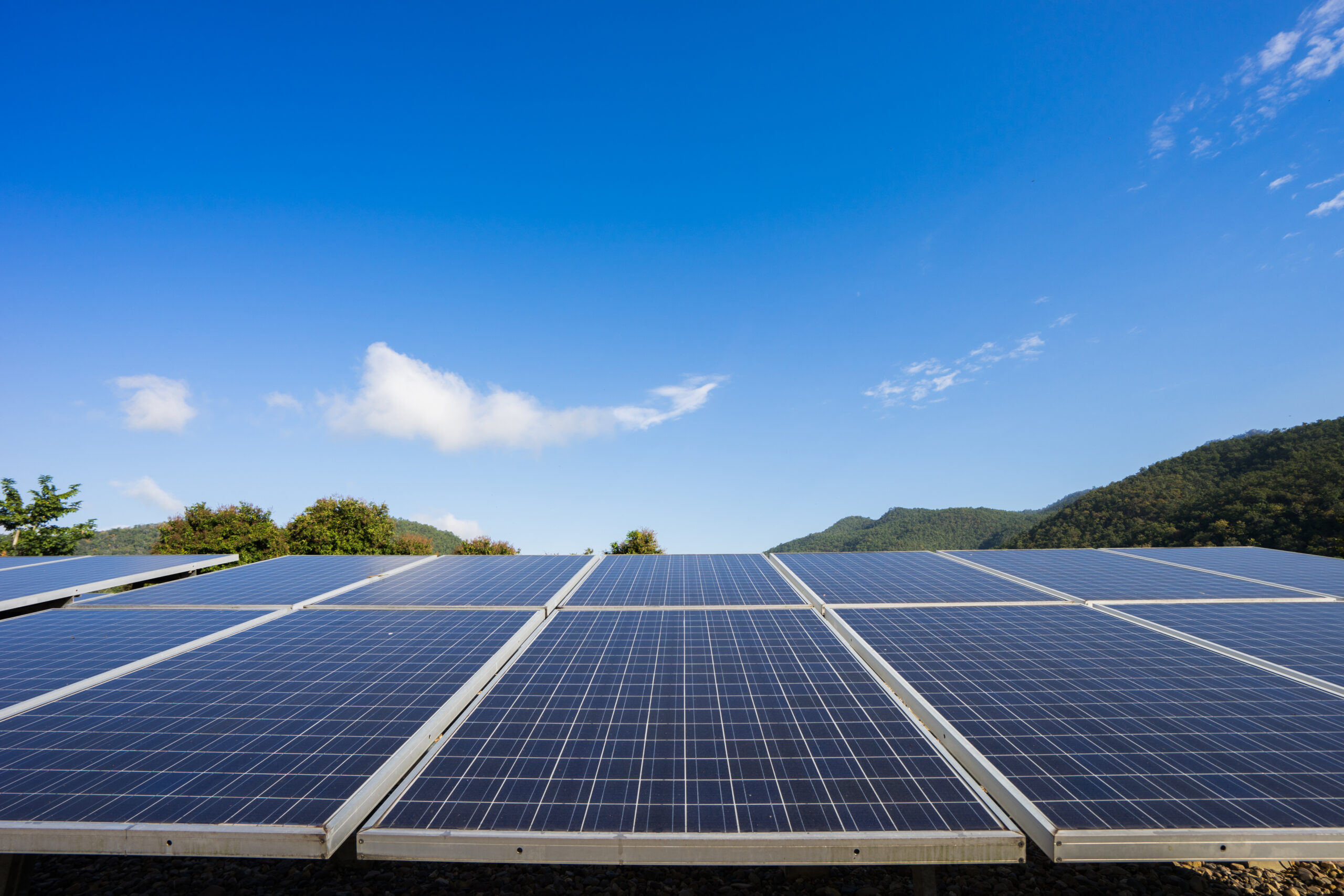
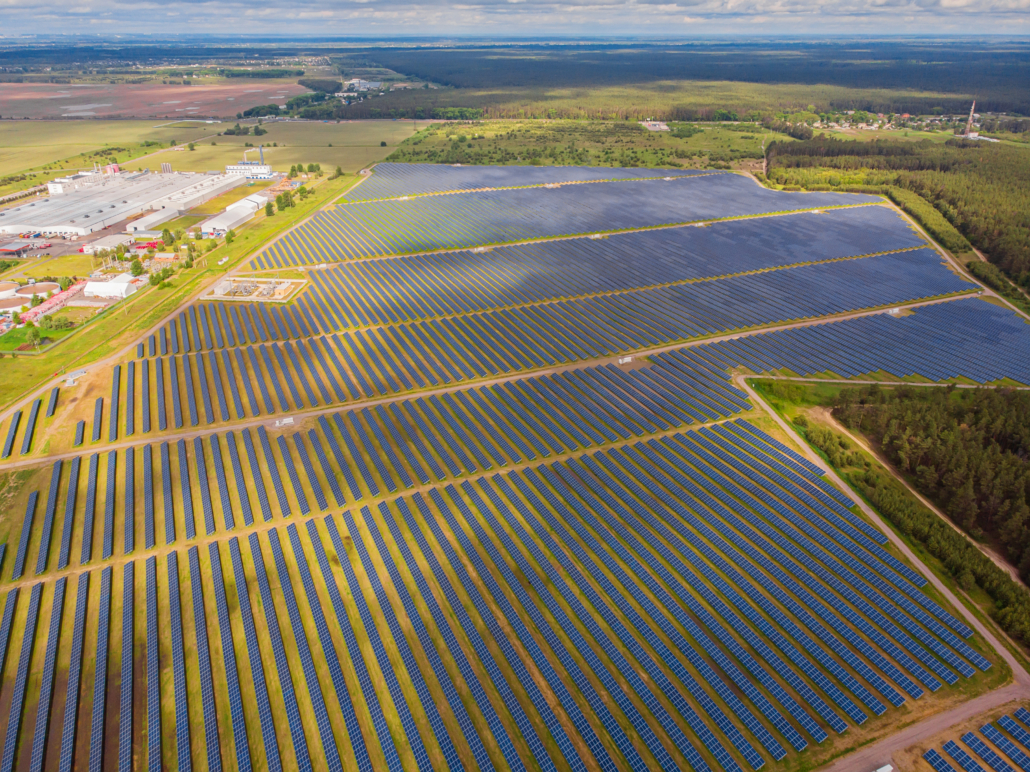
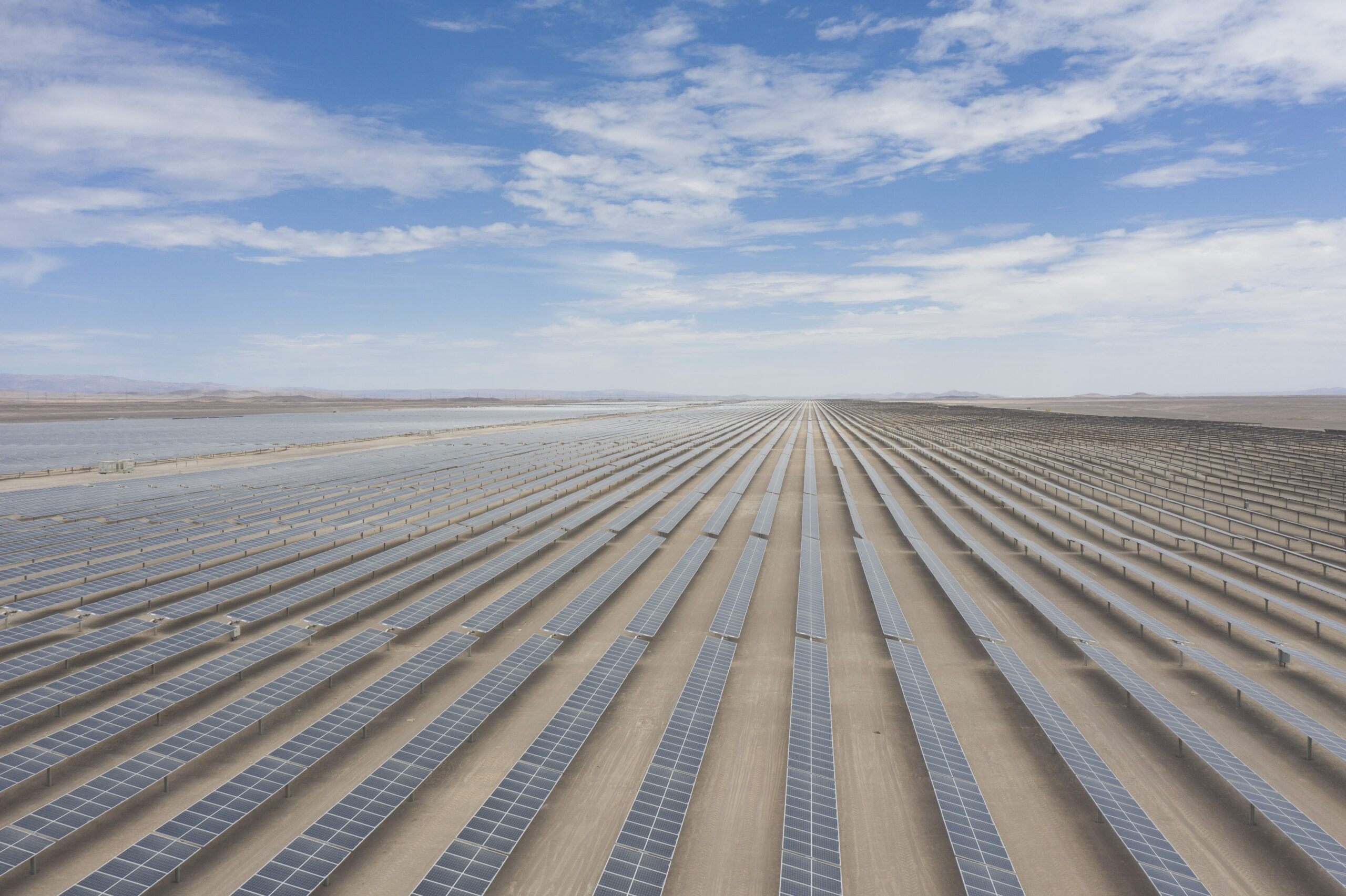
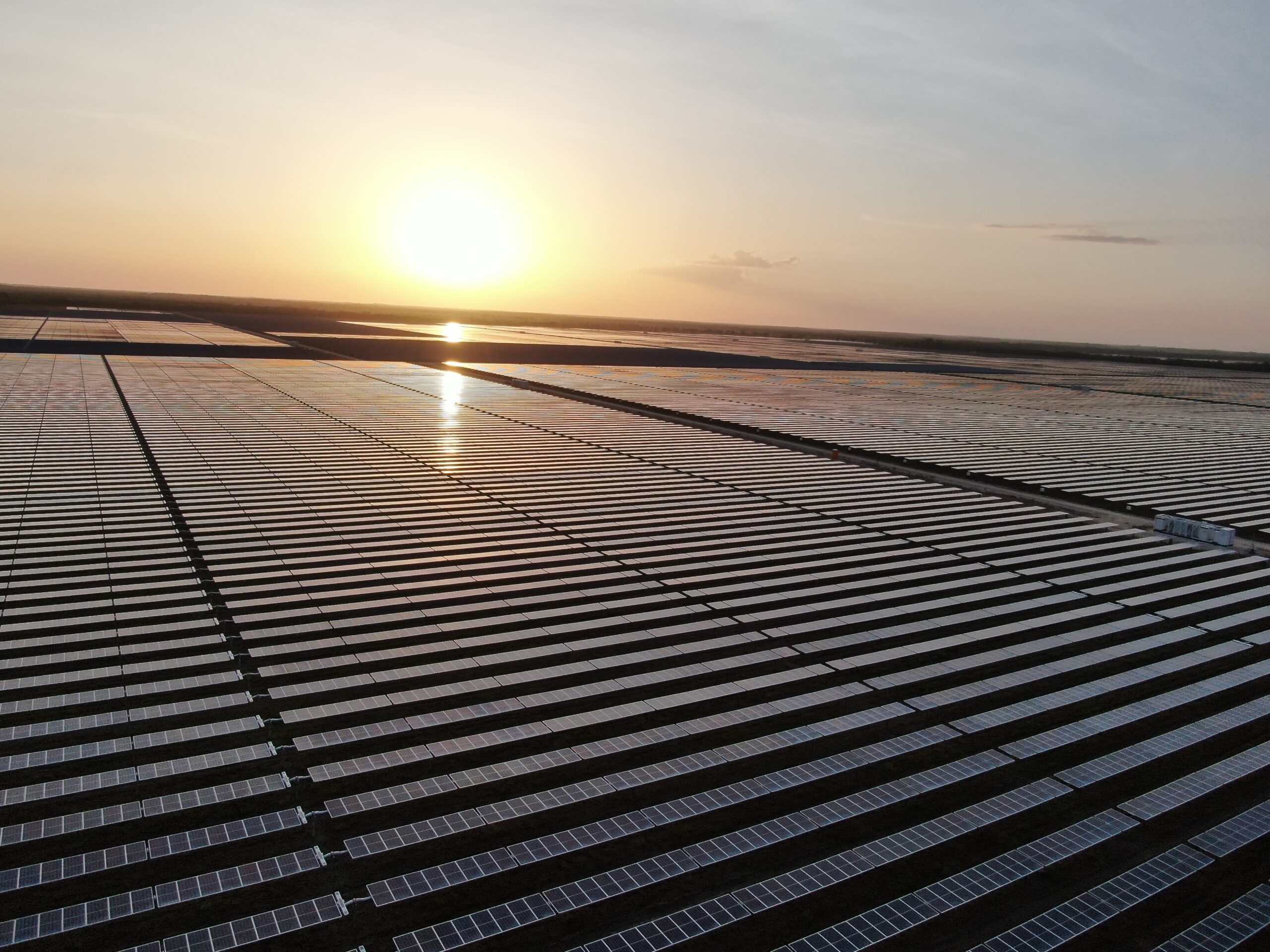
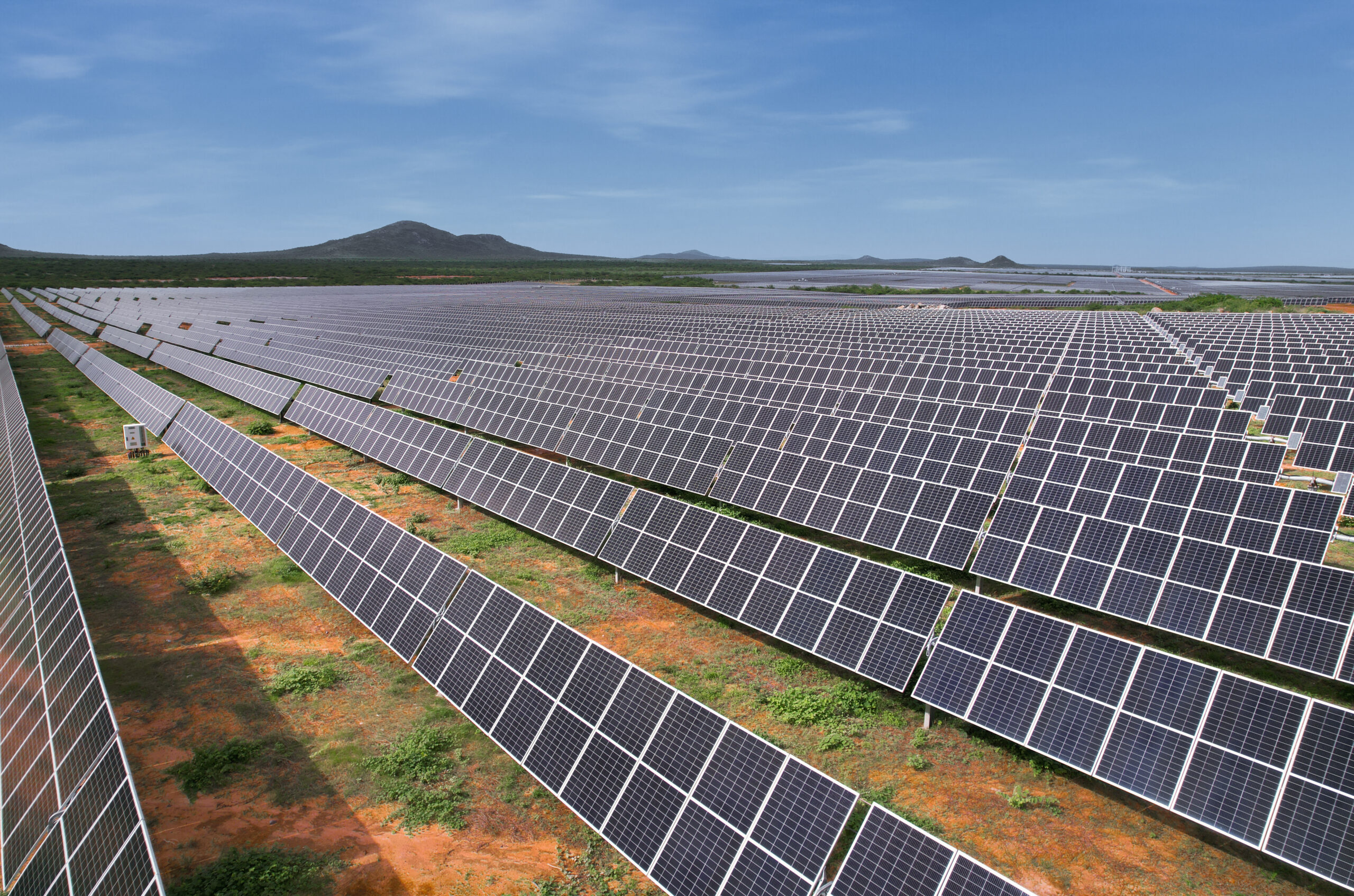
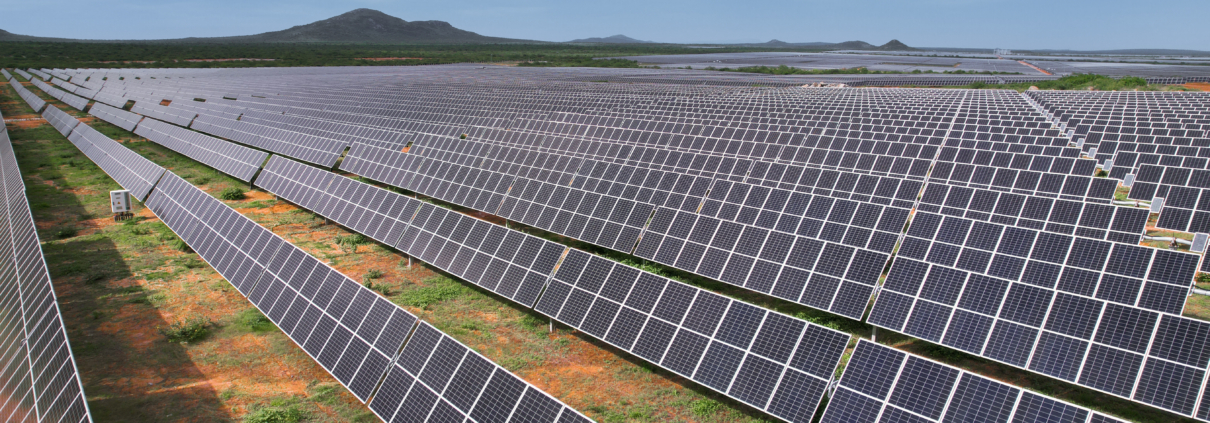
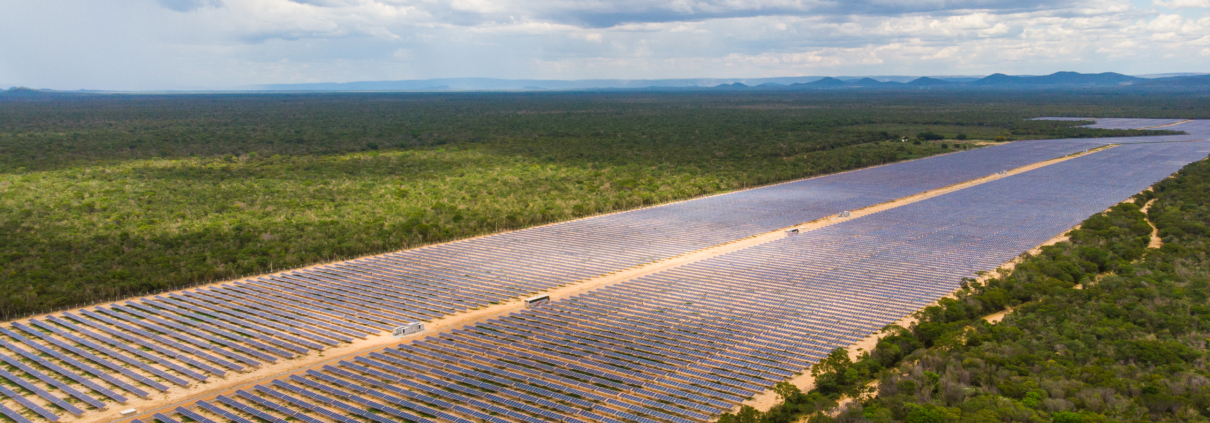
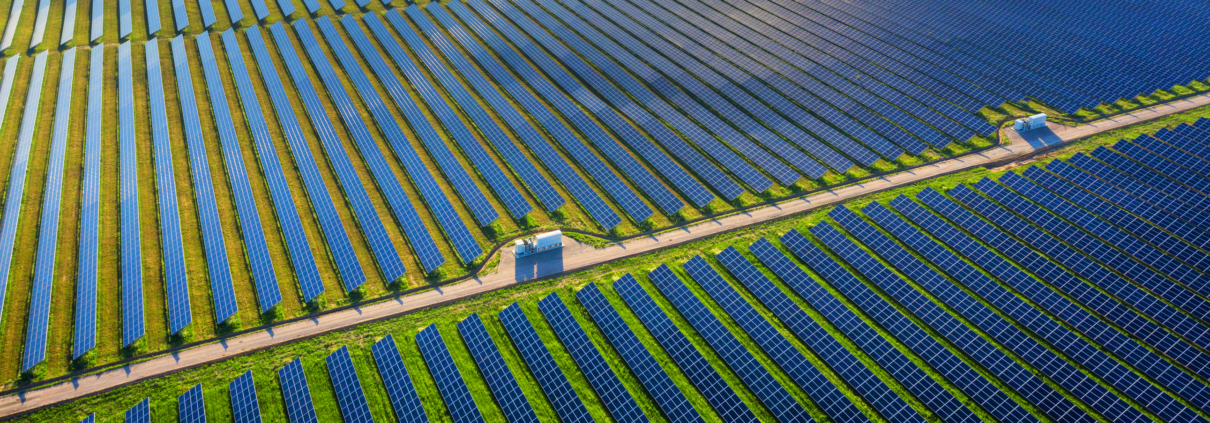
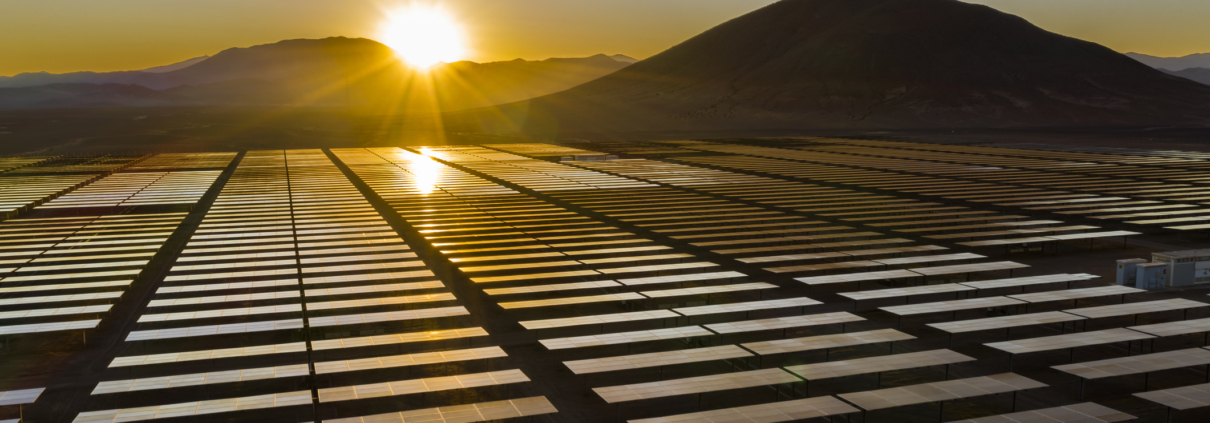
Despite this dependence, the installed capacity for renewable energy generation has been steadily growing. In 2023, the launch of 25 solar projects boosted installed capacity by 70% compared to previous years, according to the Renewable Energies Association SER Colombia. These advancements are a positive step towards sustainability, but Colombia still faces formidable challenges in transforming its energy matrix to cleaner and more sustainable options.
This transformation involves not only changing the mix of energy sources but also increasing the total energy production in a sustainable and environmentally responsible manner. To guide this transformation process, the government has developed an initial set of four documents that form the road map for the Just Energy Transition (TEJ) in Colombia. This set of documents, aligned with the National Development Plan 2022-2026, details the commitments and actions towards the ambitious goal of achieving 50% of the country’s energy supply from renewable sources by 2030.
Just Energy Transition: Axes and Principles
The Just Energy Transition (TEJ) is a core objective of the Colombian government aimed at advancing sustainable energy use, ensuring energy sovereignty, and guaranteeing access to energy for all citizens. It also encompasses actions to address the challenge of climate change.
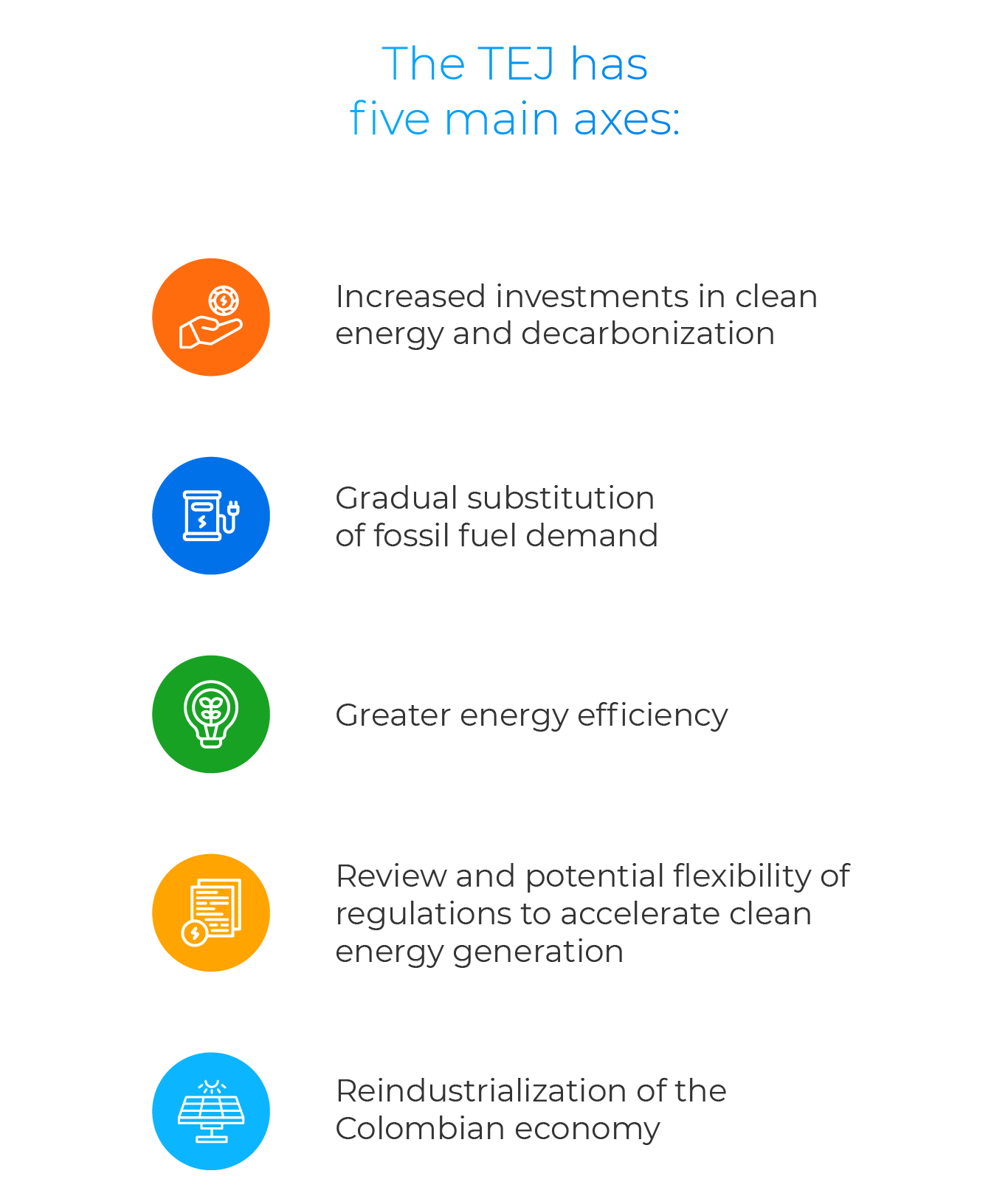
The Just Energy Transition is based on four guiding principles:
Equity: The TEJ seeks to democratize access to and management of energy resources with associative models that ensure fair prices. It is also based on respect for ecosystems and energy management that minimizes societal and environmental impacts.
Progress, sovereignty, and reliability: The goal is to gradually replace polluting energy sources with cleaner alternatives like renewables. The aim is to diversify the energy matrix, achieve national energy self-sufficiency, and ensure a reliable supply that meets growing internal demand.
Binding social participation: The creation of energy communities based on cultural, ethnic, territorial, and productive characteristics is encouraged so citizens can participate both as consumers and generators in the electric value chain.
Knowledge-intensive energy transition: The transition must be guided by scientific, technical, and social criteria to ensure its efficiency, sustainability, and fairness and to avoid harmful effects on society and the environment.
These principles aim to ensure that the TEJ is fair, equitable, and sustainable, and that no one is left behind in the energy transformation process.
Just Energy Transition Road map
In a document divided into four components, the Ministry of Mines and Energy of Colombia outlines a detailed strategy to achieve a Just Energy Transition. In line with its commitment to transparency and inclusion, the government invited citizens to participate in designing these policies. The documents were offered to the public for comments, suggestions, and proposals via an online form, with a submission deadline of September 24, 2023. After this consultation period was over, a new version of the documents incorporating community input was prepared.
The four components of the road map are:
1. Systematization of National Social Dialogues
It records the outcomes of the 27 social and citizen consultation sessions on the strategy and objectives of the energy transition, involving more than 2,000 participants. This participation is crucial to ensure that the energy transition is fair and balanced, considering societal needs and expectations.
2. Baseline Diagnosis for the TEJ
This describes the context of the energy transition in Colombia. Structured in several sections, it includes an introduction to the Just Energy Transition, global trends in energy transition and their implications for Colombia, and the project’s regulatory framework. It also addresses the rise of renewable energies and their importance in the energy transition.
3. National Scenarios for the TEJ
This component focuses on identifying key actions to carry out a just energy transition in Colombia by 2050. It addresses several strategic axes in the industrial sector, including the transition to low and zero-emission energy sources, the development and promotion of public policies to enhance energy efficiency, and the encouragement of reindustrialization.
The document also considers economic variables such as GDP and energy intensity (the relationship between energy consumption and economic activity). Additionally, it outlines strategies and plans related to sustainable and electric mobility, railway development, and Colombia’s long-term climate strategy to meet the Paris Agreement.
4. Subnational Energy Potential and Opportunities for Decarbonization in Final Energy Uses
This document addresses topics such as energy demand in the industrial sector, the participation of energy carriers in the industry, the main uses of energy carriers in the industry, energy efficiency, and energy districts in the industrial sector.
It also discusses industrial decarbonization; proposing the replacement of fossil fuels with low or zero-carbon raw materials like Low Carbon Fuel Standards (LCFS). In this regard, it suggests using flexible fuels and raw materials based on hydrogen, biofuels, food, solar energy, nuclear energy, and geothermal energy.
Strategic Programs for the Just Energy Transition
Following the presentation of the road map, the plan is to implement a series of programs to advance the energy transition. According to the document presented by the Ministry of Energy, the programs are:
1. Energy Communities
Solar, wind, and bioenergy projects will be promoted to supply energy communities. Additionally, industrial energy districts will be created.
2. Expansion of Renewable Energies
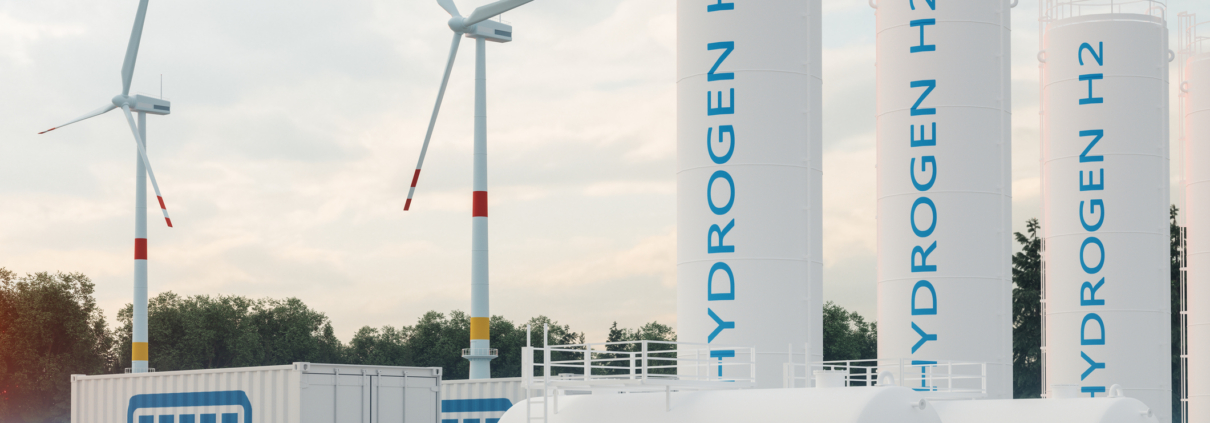
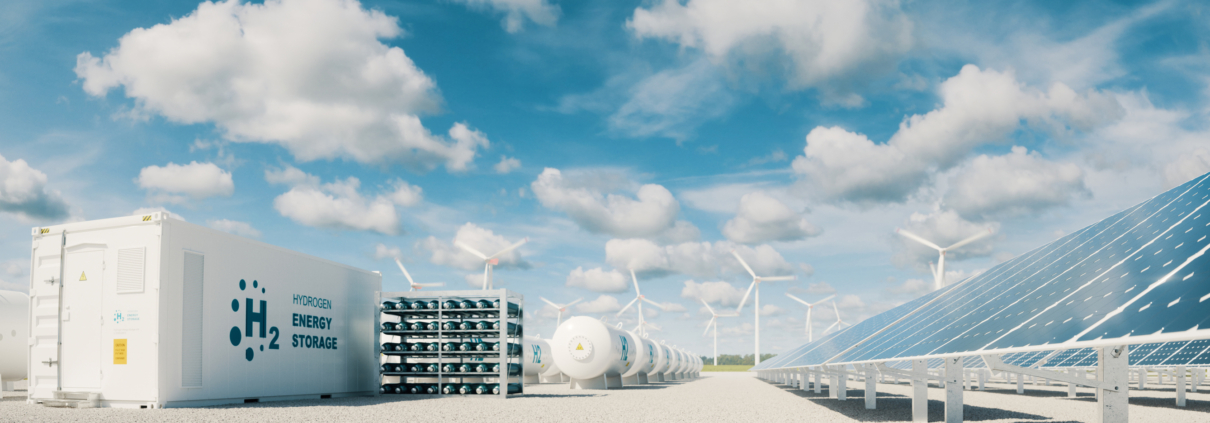
National and regional electrical interconnection in Latin America will be promoted, along with the deployment of solar, wind, bioenergy, geothermal, small hydroelectric plants, and energy storage systems. Green hydrogen development and green ammonia and fertilizer production will also be encouraged.
3. Natural Gas for the Energy Transition
Natural gas support infrastructure and supply will be developed, along with the deployment of carbon capture, use, and storage (CCUS) technologies.
4. Sustainable Mobility
Mass land transport, river transport, and the use of advanced biofuels for maritime and aviation transport will be promoted.
5. Energy Efficiency
Measures will be taken to improve energy efficiency across all economic sectors and for end users.
Intensification of Knowledge and National Industry in the Mining-Energy Sector
The National Institute for Energy Transition will be established, dedicated to applied research and industrial development with regional nodes focused on renewable energy, energy efficiency, hydrogen deployment, and strategic minerals (mainly copper).
Additionally, the national industry related to the energy transition will be promoted. This includes creating a general framework for specific qualifications for the Just Energy Transition and encouraging the prospecting and extraction of minerals such as copper, lithium, nickel, cobalt, manganese, and other precious metals.
These minerals are considered strategic due to their role in developing technologies associated with unconventional renewable energies, such as batteries, wind turbines, and solar panels.
Moreover, the National Geology Plan will be consolidated to make informed investment decisions in the extraction of subsurface resources.
The Role of Renewable Energy Companies in the Path to the JET
Renewable energy plays a pivotal role in the road map for the Just Energy Transition (JET), given its capacity to provide sustainable and accessible solutions to the country’s energy and climate challenges.
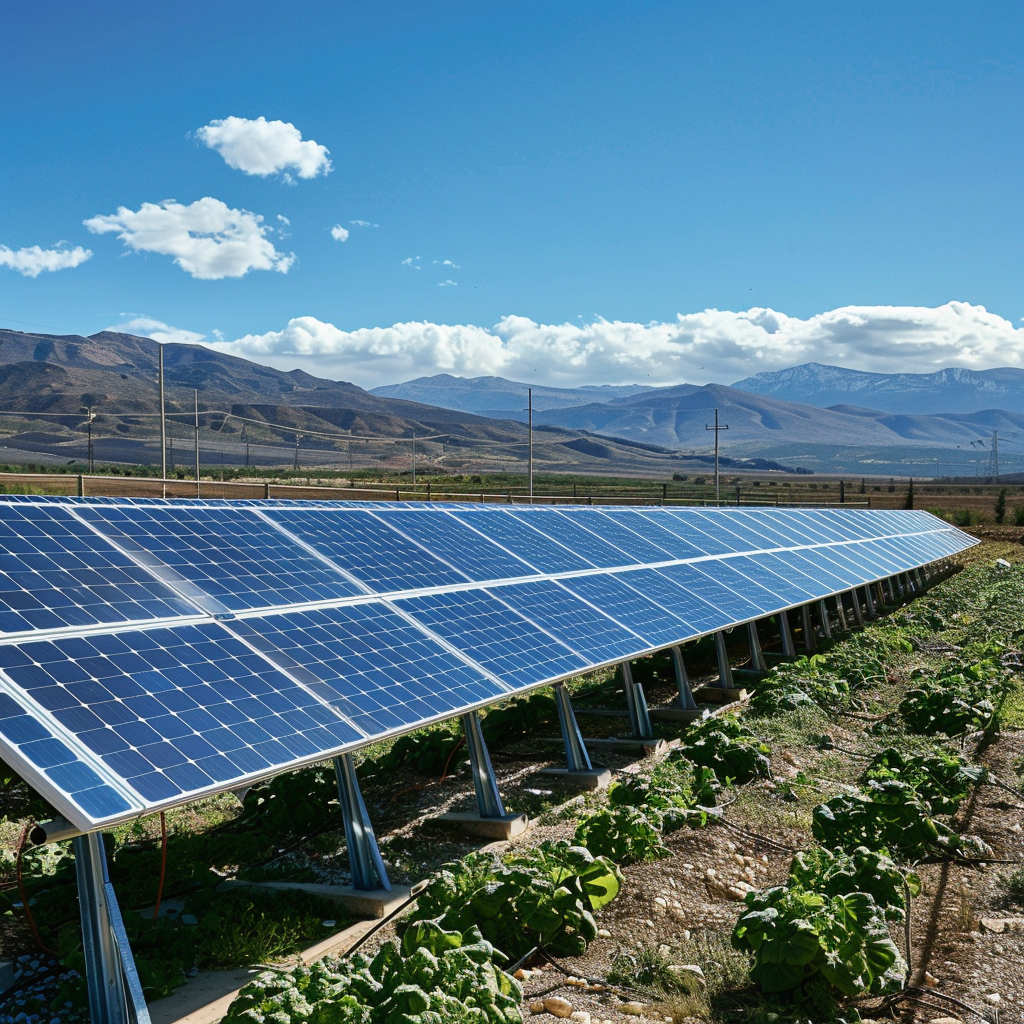
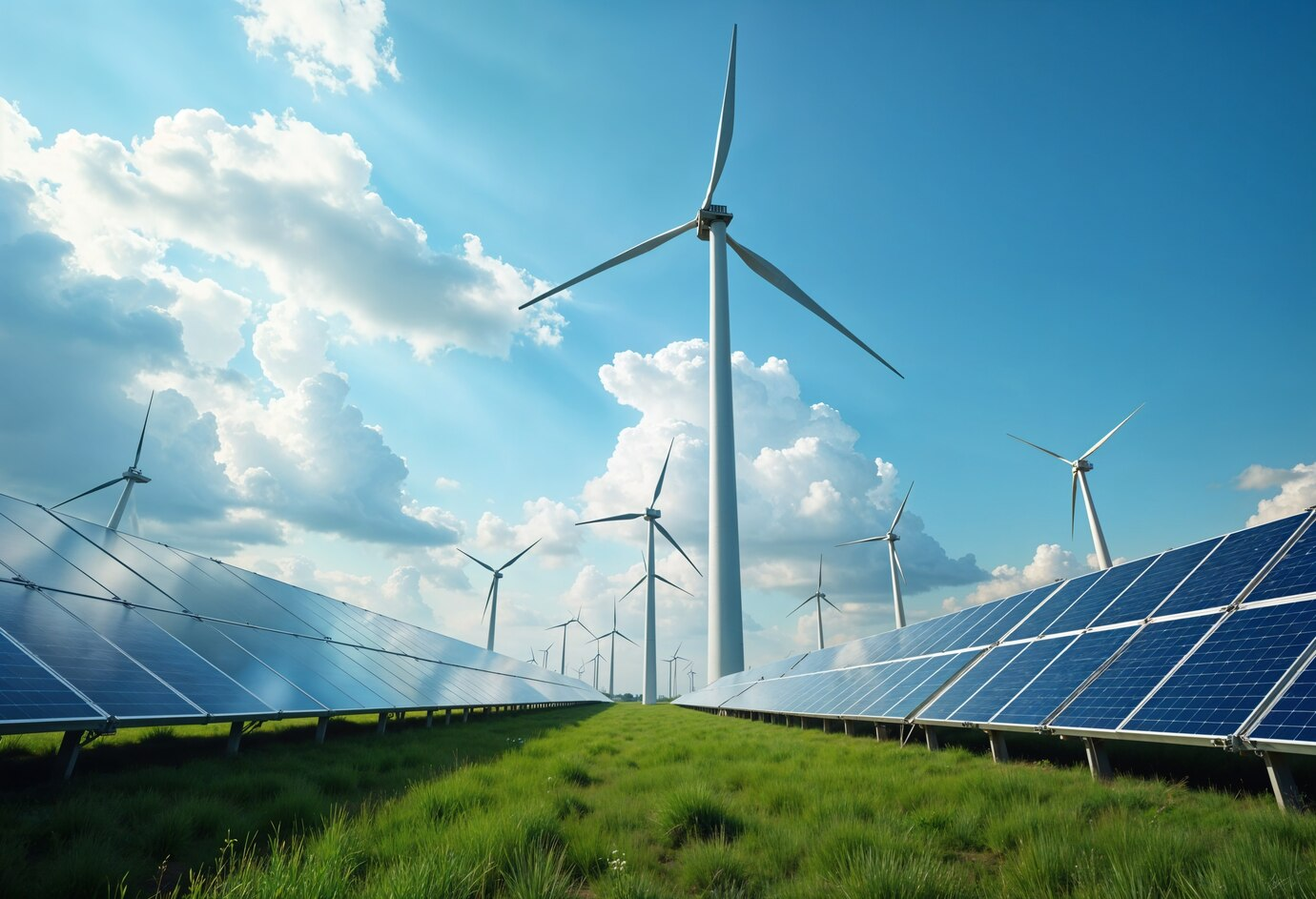
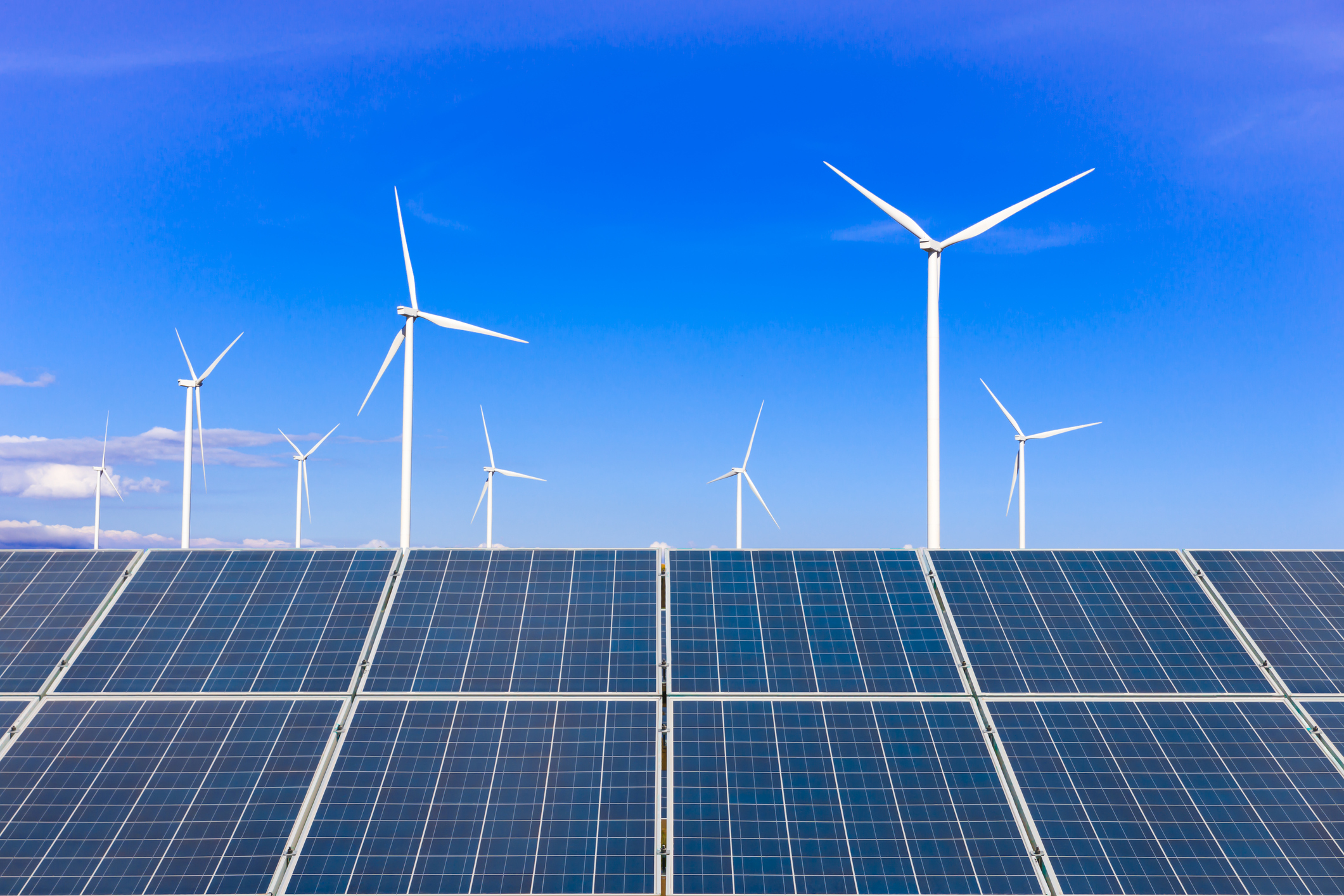
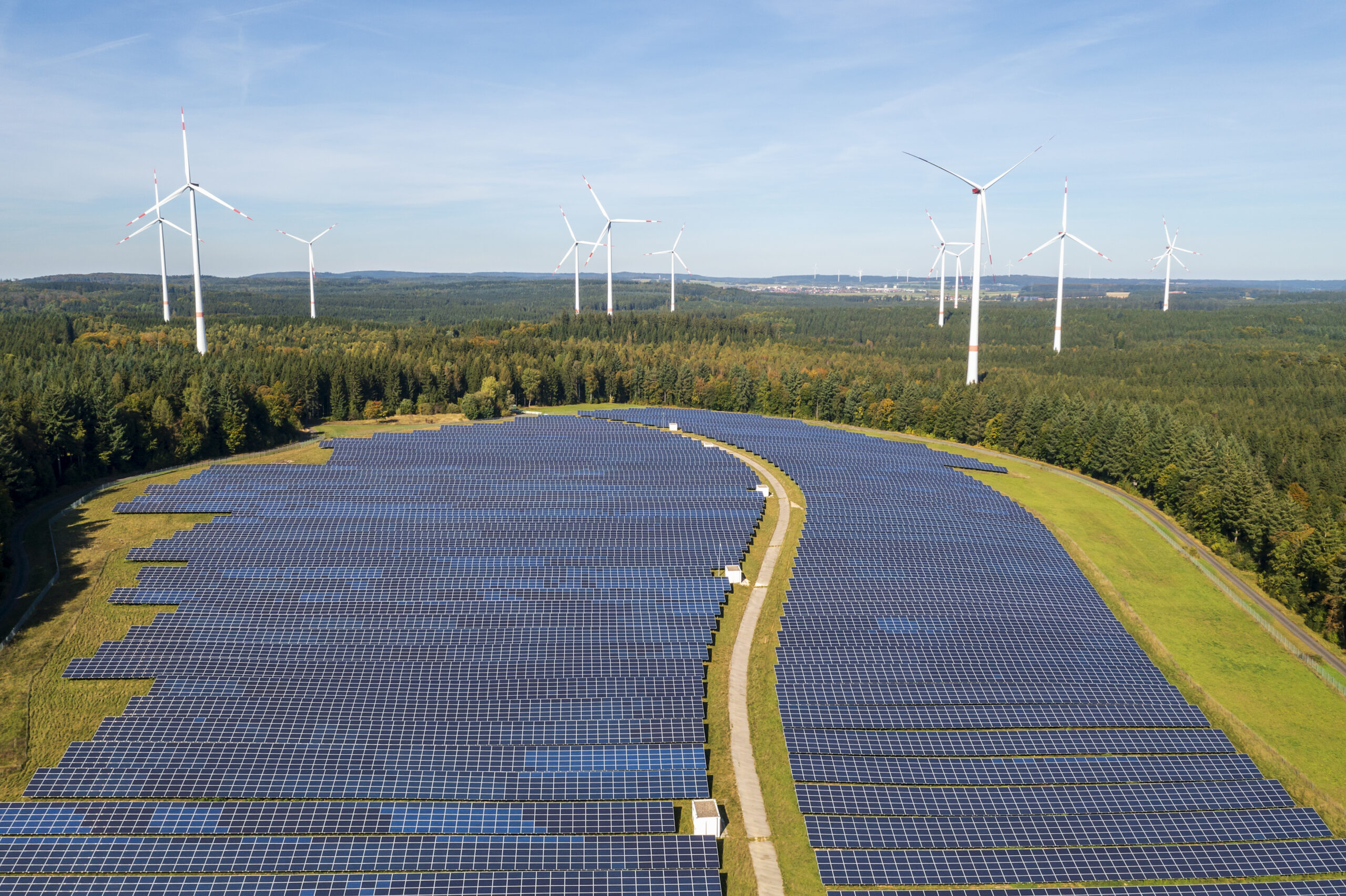
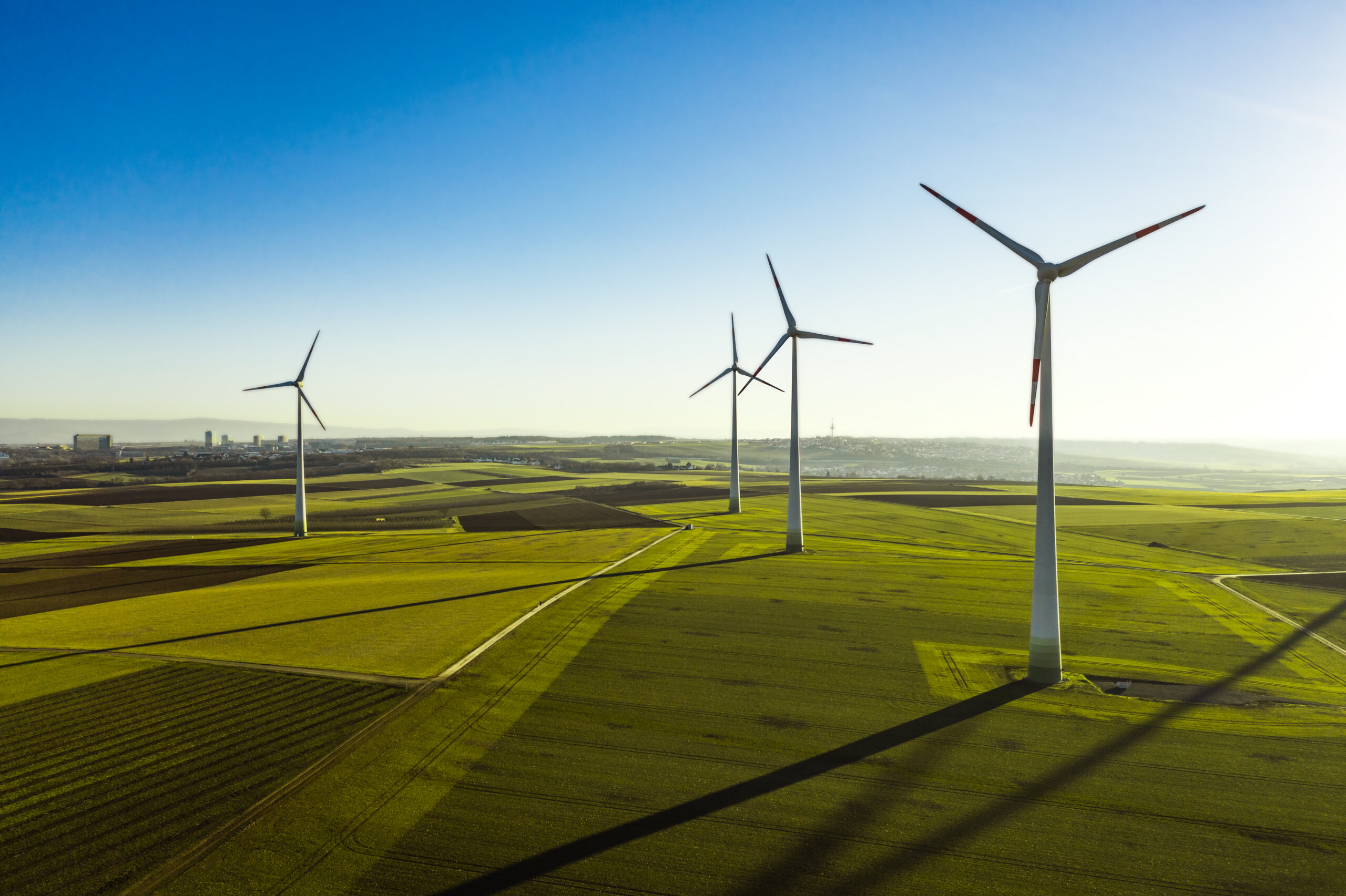
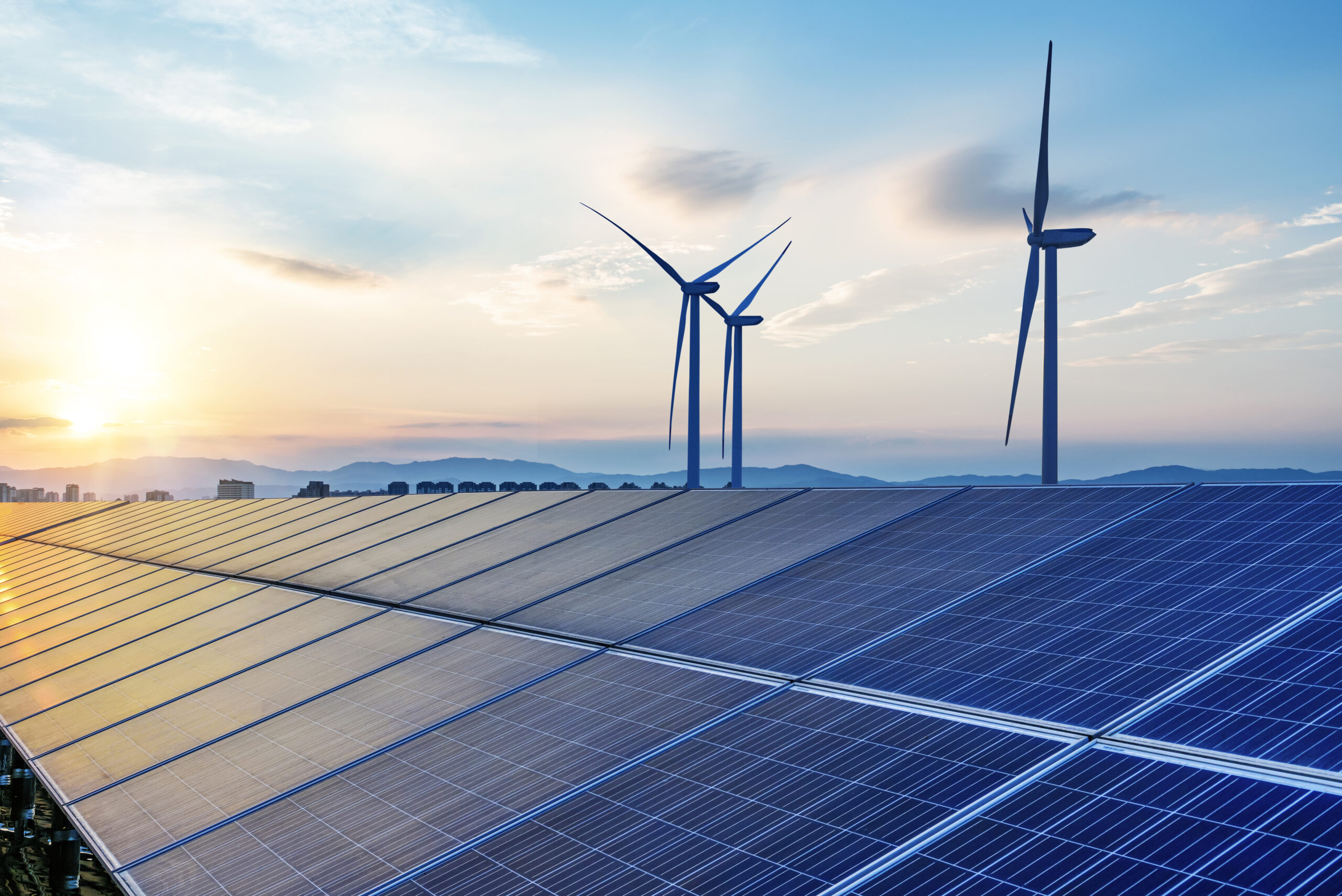
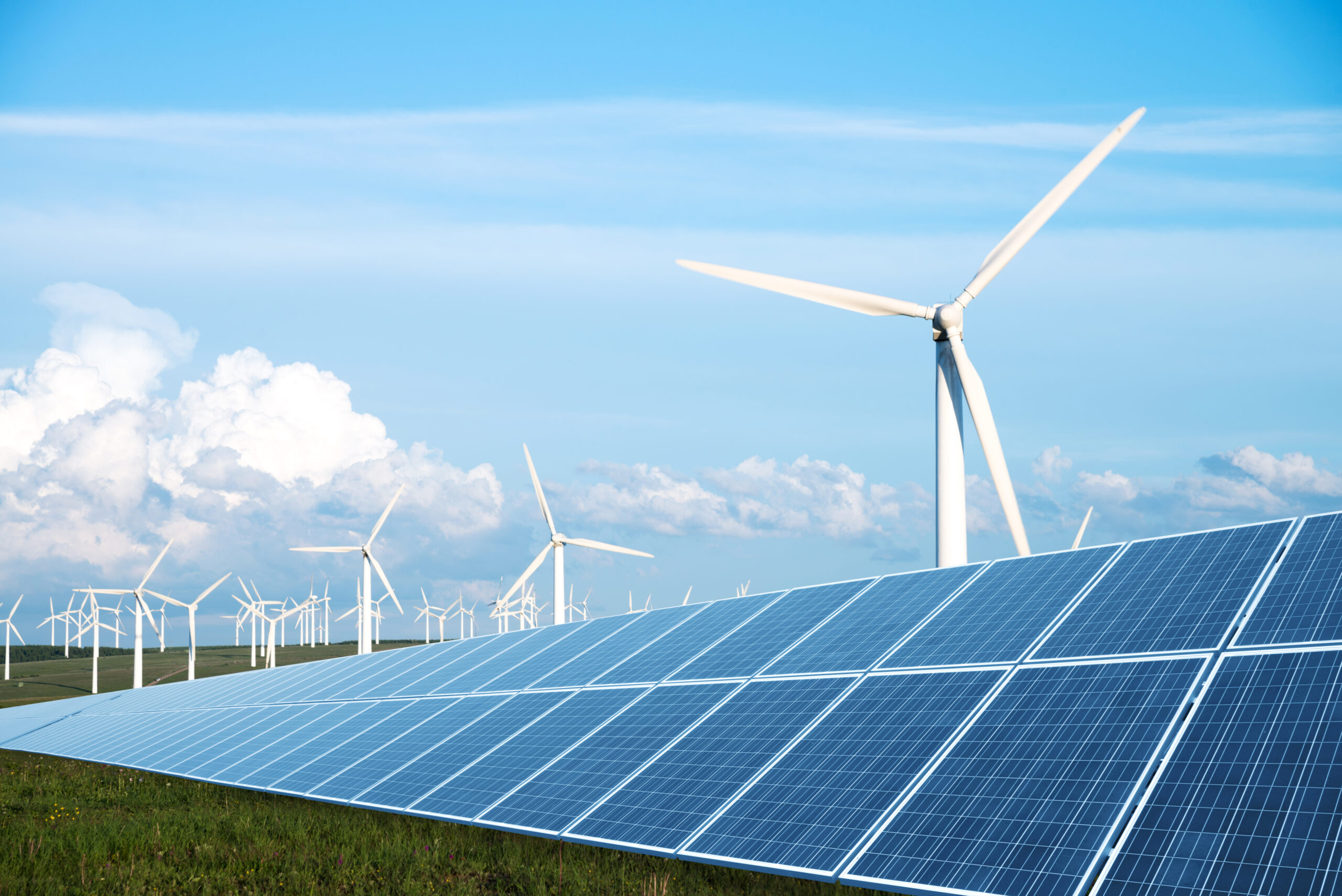
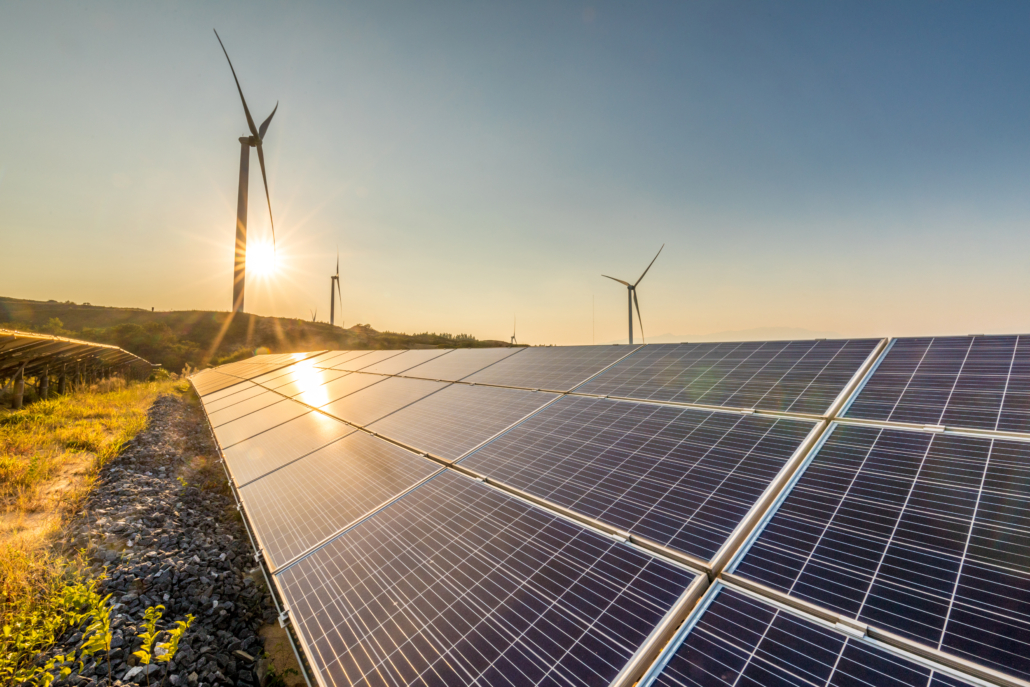
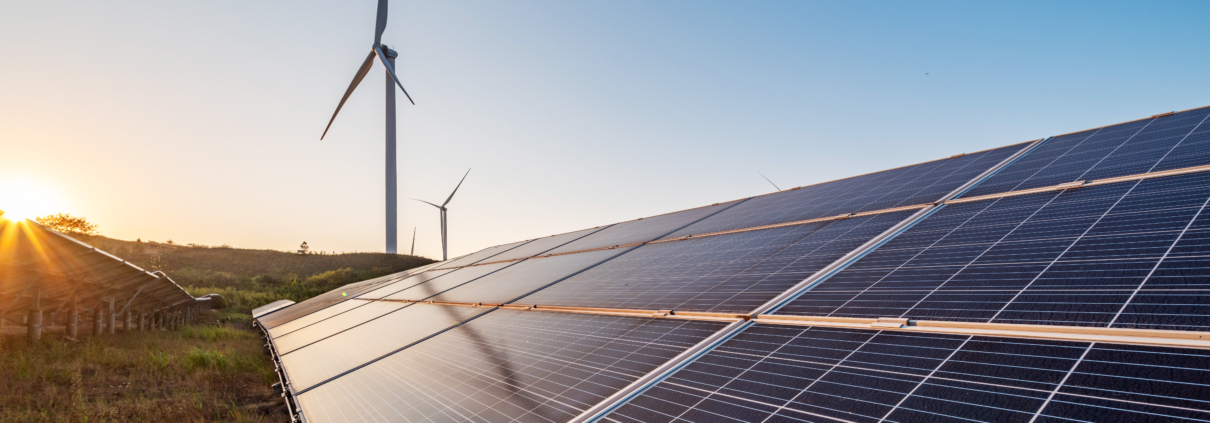
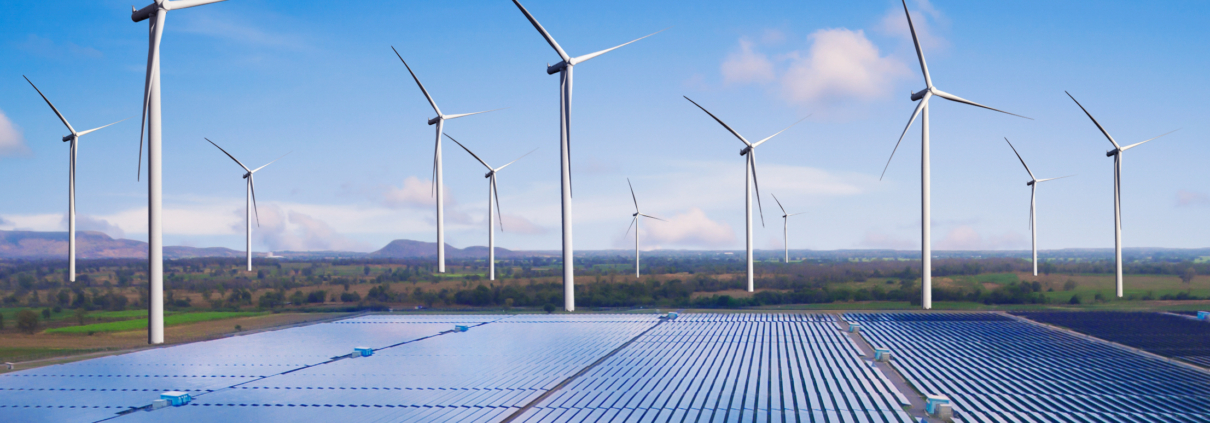
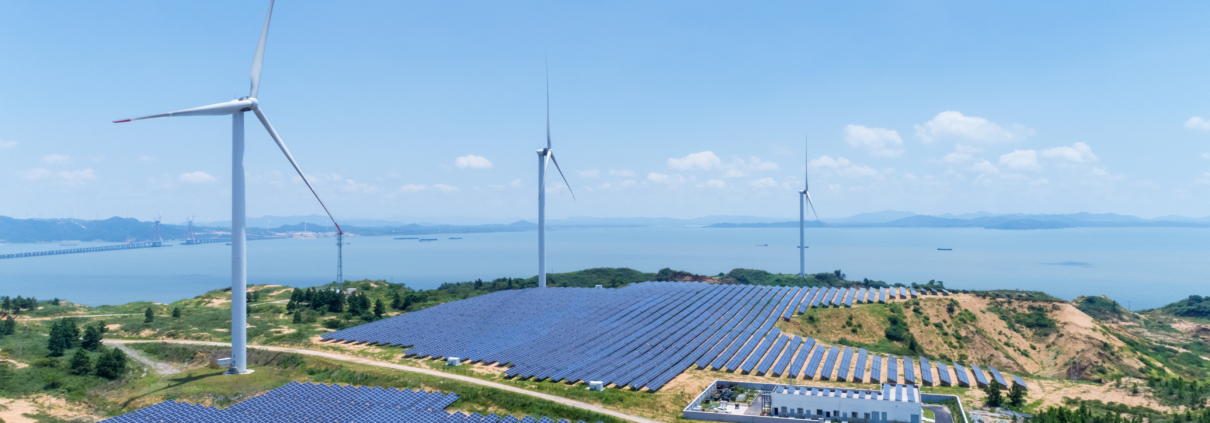
Solar and wind energy, for instance, not only reduce dependence on fossil fuels and greenhouse gas emissions but also promote energy sovereignty and democratic access to energy, key tenets of Colombia’s energy transition policies.
Furthermore, the cost of renewable energy technologies has decreased. Although they are not always more economical, the reduction in costs has rendered them viable and attractive alternatives to fossil fuels.
In this context, companies like Atlas Renewable Energy, with their expertise in developing, constructing, and operating renewable energy projects in Latin America and Europe, are positioned as sources of specialized knowledge in the energy sector.
Their participation in Colombia’s energy transition can manifest in several ways:
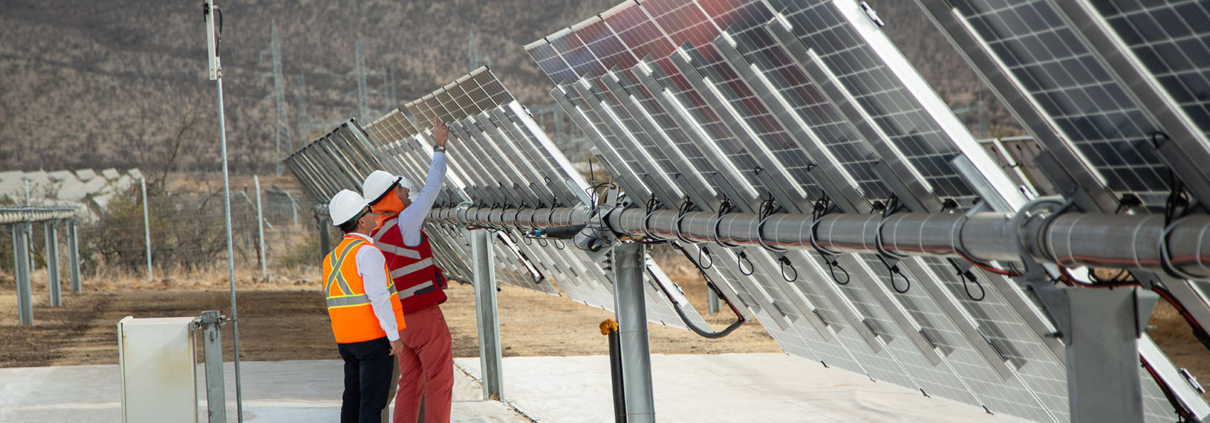
– Project Development: With renewable energy projects that leverage the country’s vast potential, Atlas can help increase the installed capacity of clean energy in Colombia.
– Knowledge Transfer and Training: Thanks to its extensive international experience, the company can not only train the Colombian workforce in essential skills for the installation and management of renewable energies but also improve work standards across all phases of renewable energy projects, exceeding the expectations of local regulatory entities like the National Environmental Licensing Authority (ANLA – Autoridad Nacional de Licencias Ambientales) of Colombia.
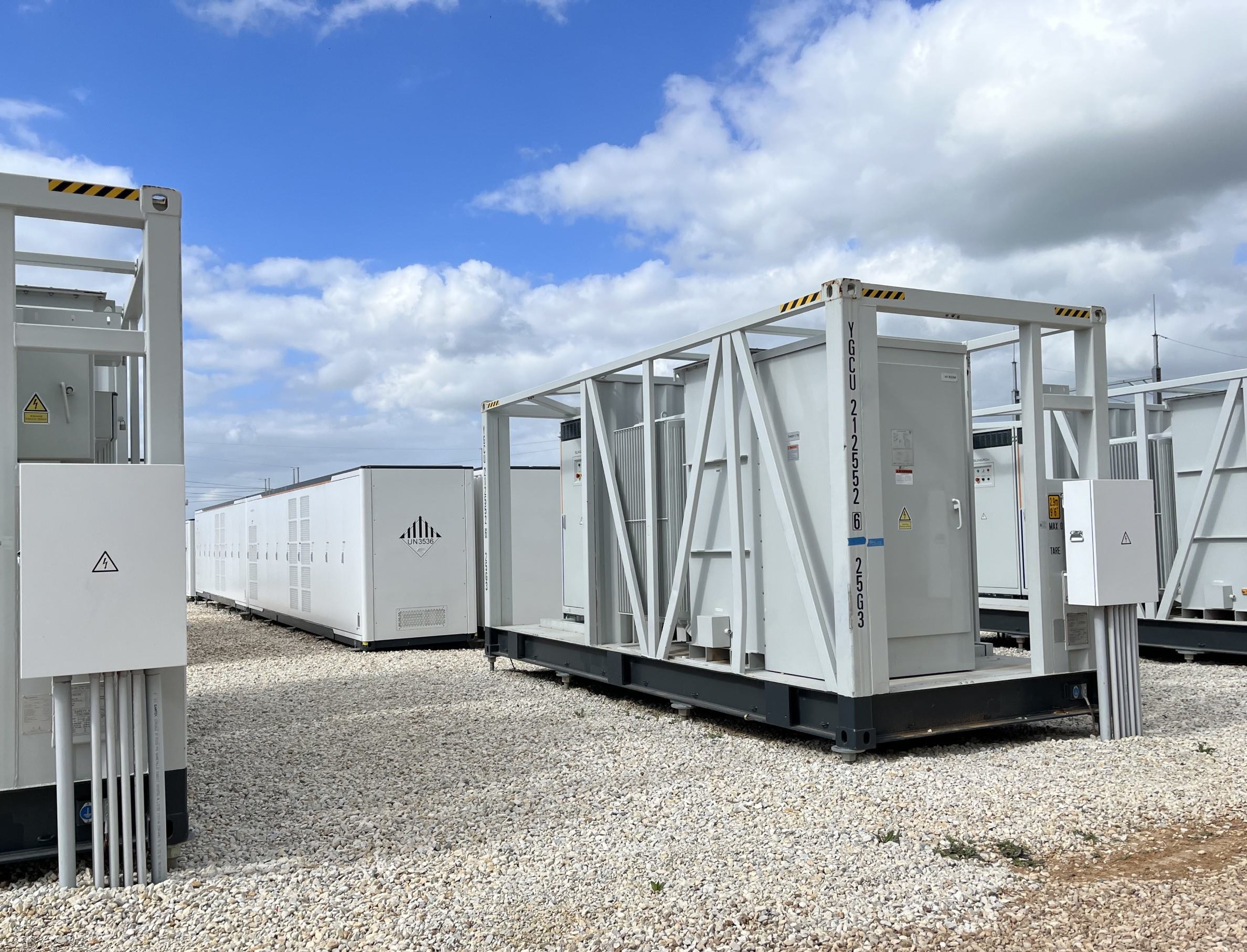
– Innovation and Technology: The introduction of innovative technologies in energy efficiency and renewable energy generation can accelerate the energy transition, reduce costs, and increase accessibility. Atlas Renewable Energy is a pioneer in integrating batteries to store energy. The company aims to reach 1 GW of operational capacity in Colombia by 2028 with a combination of solar and wind energy and, innovatively, battery storage. This approach not only highlights its leadership in adopting advanced technologies but also reflects its commitment to sustainable development and energy efficiency.
– Collaboration with Local Communities: By working closely with the communities where it operates, Atlas can ensure that renewable energy projects are developed sustainably and with shared benefits. A crucial aspect of this approach is early engagement with communities even before the start of project construction, a practice that Atlas undertakes to integrate harmoniously as a ‘new neighbor.’ This early engagement allows the company to understand community dynamics and gain the necessary social license to operate.
Impact of the JET Road map on Colombian Companies: Challenges and Opportunities
The Just Energy Transition (JET) road map in Colombia and its future implementation can have a positive impact on companies in the country. Here are some of the potential benefits:
– Investment Opportunities in Renewable Energy:
The planned expansion of renewable energies, such as solar, wind, bioenergy, geothermal, and small hydroelectric plants, opens up investment opportunities for national and international companies in the energy sector and promises to radically transform the country’s energy matrix.
As investment in these projects increases, the capacity for renewable energy generation expands. This helps diversify the energy supply and reduce the costs associated with its production and consumption.
This increase in capacity and the consequent reduction in costs open the doors for more companies, from large corporations to mid-market businesses, to commit to purchasing renewable energy through Power Purchase Agreements (PPAs). Moreover, the flow of investments towards clean energies fosters a more competitive and sustainable energy market, propelling Colombia towards a low-carbon future.
– Promotion of National Industry:
The plan includes the promotion of national industry related to the energy transition, which can boost the development of local companies in areas such as component manufacturing and the construction and operation of renewable energy projects. This can create new value chains and business opportunities for Colombian companies.
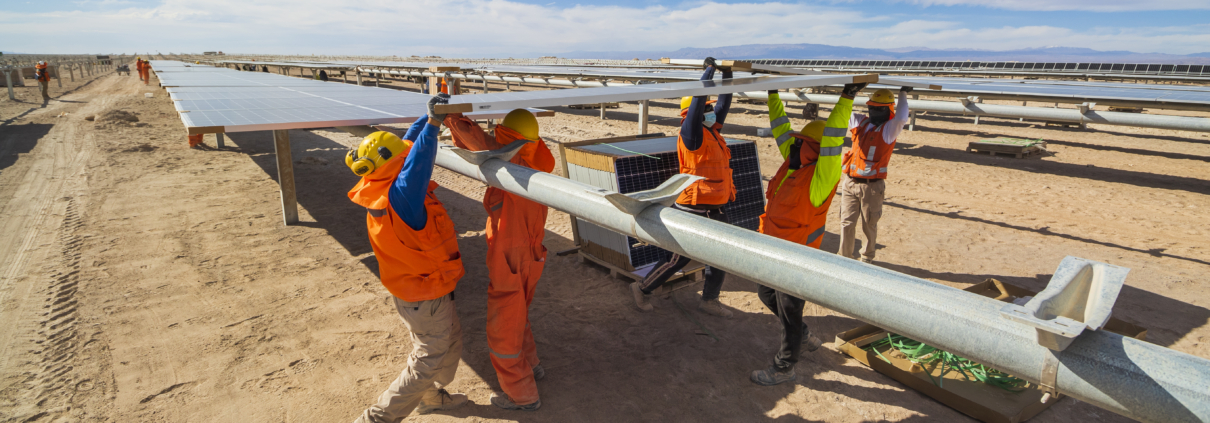
Additionally, renewable energy projects significantly activate the local economy, from construction (which demands labor, materials, accommodation, and food services) to operation (which promotes local employability through training in maintenance and supervision). This dynamism not only enriches local communities but also strengthens the social license by creating a solid foundation for sustainable development and community participation.
– Access to Tax Incentives:
The government offers various tax incentives to promote renewable energies. These incentives are regulated by Law 1715 of 2014 and apply to solar, biomass, wind, geothermal, and other types of renewable energy projects.
Some of these incentives include a special deduction in income tax, VAT exemption for the acquisition of goods and services used in renewable energy projects, and tariff exemption for equipment, machinery, and services, whether national or imported, intended for the production and use of renewable energy.
– Development of Infrastructure and Smart Grids:
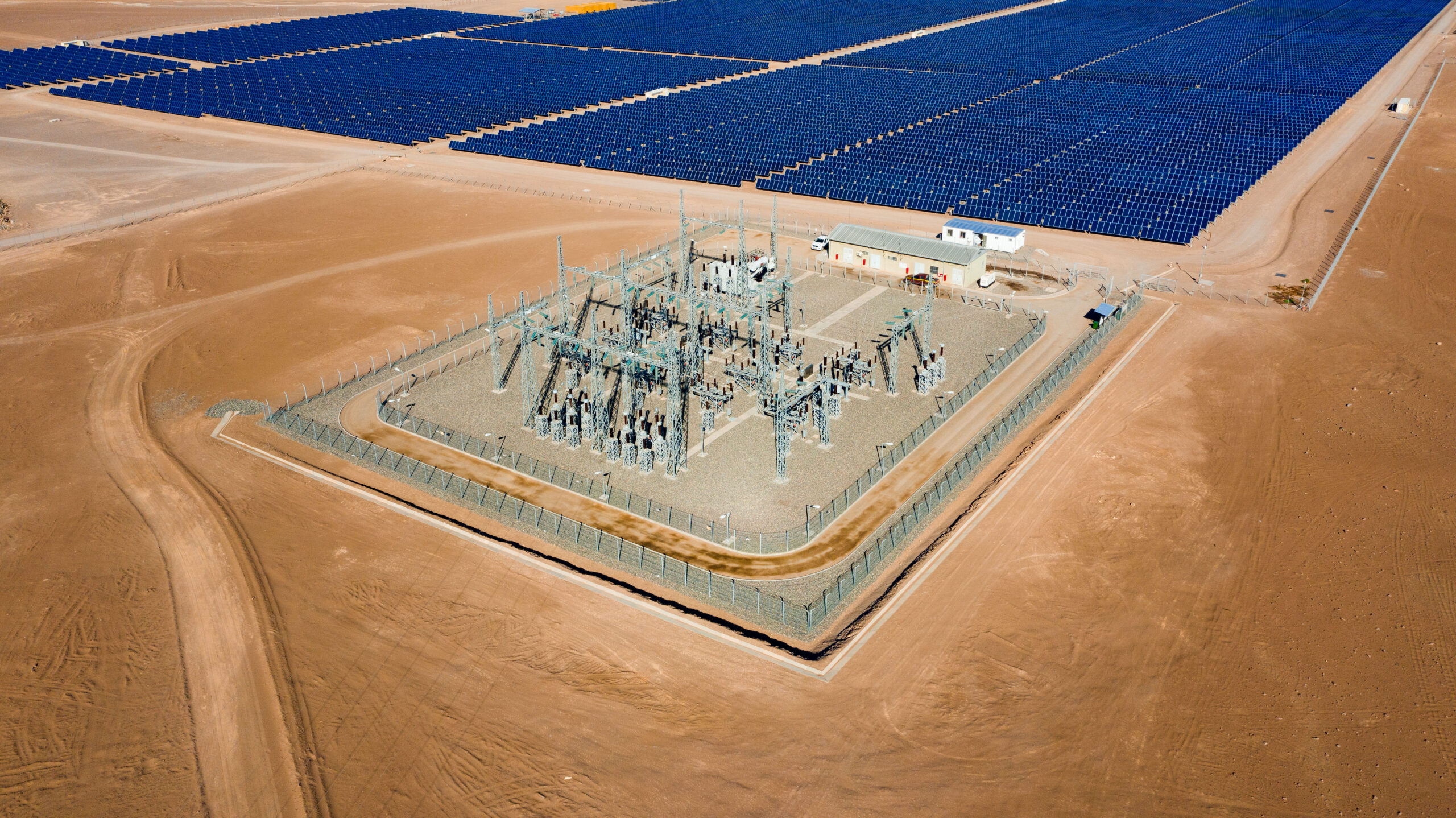
National and regional electrical interconnection, as well as the deployment of energy storage systems, may require companies to adapt their operations and systems to new smart electrical grids and the integration of renewable energy sources.
– Development of New Technologies and Knowledge:
The creation of the National Institute for Energy Transition can foster research and development of new technologies related to renewable energy, energy efficiency, and green hydrogen. This could create opportunities for Colombian companies to understand, invest in, and participate in the country’s energy transformation.
Conclusion
Transitioning to clean energy in Colombia is much more than changing energy generation: it is a significant opportunity to build a future which economic growth and environmental protection go hand in hand.
With the Just Energy Transition, the country not only seeks to reduce its dependence on fossil fuels and combat climate change but also charts a path towards more equitable and sustainable development.
This effort to transform the way energy is produced and consumed involves a major commitment to innovation and green growth to ensure that Colombians have access to clean and reliable energy. It is a formidable challenge but also a unique opportunity for Colombia to position itself as a leader in sustainability on the global stage.
Collaboration between the government, industry, communities, and individuals is key to making this vision a reality. Companies with experience in renewable energy, like Atlas Renewable Energy, play a crucial role because they can contribute their knowledge and capacity to develop projects that are not only green but also economically viable.
As Colombia progresses on this path, it works towards a cleaner future, boosts its economy, creates jobs in new industries, and ensures a healthier environment for future generations.
This article was created in partnership with Castleberry Media. At Castleberry Media, we are dedicated to environmental sustainability. By purchasing Carbon Certificates for tree planting, we actively combat deforestation and offset our CO₂ emissions threefold.
Share This Entry