
Chilean Mining Sector in Energy Transition: Perspectives and Key Insights Amid New European Regulations
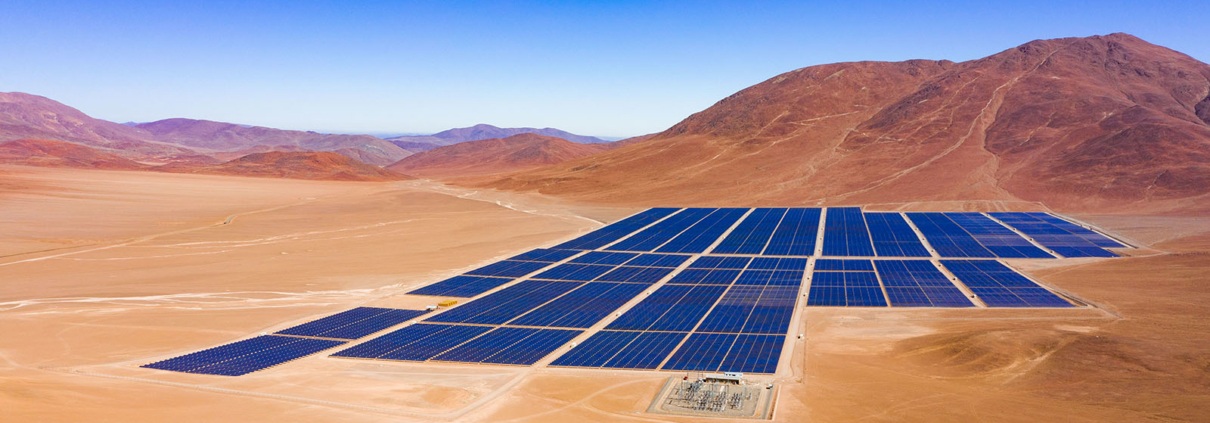
Chile produces more than 25% of the world’s copper and leads global lithium production. Yet, to maintain access to the European market, it requires a clean, traceable, and sustainable value chain. The energy transition is the key.
The mining sector is one of the pillars of Chile’s economy. In 2023, it represented 12% of GDP, positioning the country as the global leader in copper production.
By 2025, total production is projected to reach 5.73 million metric tons—approximately 325,000 more than in 2024—equivalent to 24.5% of the global total, according to Cochilco’s Copper Market Trends Report. Chile also confirmed its leadership in 2024 as the world’s largest lithium producer.
Europe continues to be a strategic market. The continent is a vital destination for Chilean exports, particularly for critical minerals such as copper and lithium.
Conversely, Europe sees Latin America as a reliable partner for securing a stable supply of critical minerals. The region possesses 61% of the world’s lithium reserves, 45% of copper, and 24% of natural graphite, according to data from the Latin American Energy Organization (OLADE) and the U.S. Geological Survey.
However, the global context has fundamentally shifted. With the implementation in 2024 of European regulations such as the Critical Raw Materials Act (CRMA) and the Battery Regulation, access to the European market for minerals no longer depends solely on volume or quality. Today, it requires traceability, sustainability, and a controlled carbon footprint.
In this scenario, advancing the energy transition is a strategic necessity that allows companies to meet new requirements, consolidate commercial relationships, and reinforce Chile’s positioning as a reliable supplier of critical minerals in the emerging industrial order.
Europe Changes the Rules: Is Chile Ready?
The European Union has intensified its requirements for trading critical raw materials essential for its energy and technological transition. To reduce dependence on external suppliers, new regulations came into effect in 2024 that reshape market access conditions, particularly in mining and battery manufacturing.
Both regulations aim to guarantee a secure, sustainable, and traceable supply of strategic minerals such as copper, lithium, and nickel, raising environmental and social standards across the entire value chain.
The CRMA sets specific targets for 2030:
– At least 10% of critical raw materials must be extracted within European territory.
– 40% of processing must occur within the EU.
– 25% must come from recycled materials.
– No more than 65% of the EU’s annual consumption of each strategic raw material should come from a single country outside the European Union.
For countries such as Chile, this translates into new compliance obligations. Exporting firms must demonstrate responsible practices, end-to-end supply chain traceability, and verifiable reductions in environmental impact to maintain key players in the European market.
The Battery Regulation—adopted in July 2023 with progressive implementation beginning in 2024—further raises the bar for battery commercialization in Europe:
– From 2025, manufacturers must declare the carbon footprint of their products.
– From 2027, they must comply with maximum emission limits per battery.
– Minimum percentages of recycled lithium, cobalt, nickel, and lead will be required.
These measures impact not only manufacturers but also raw material suppliers, including Chile’s lithium and copper operations, which must certify environmental compliance at the production source.
The message is clear: Europe demands sustainability, responsibility, and traceability across supply chains. For Chilean mining, adaptation to this new regulatory environment is not optional. Accelerating the transition toward cleaner energy production models will be essential for global competitiveness.
The Challenge for Latin American Mining
The mining sector is under pressure from multiple fronts. On one side, global demand for minerals such as copper, lithium, and nickel is surging, driven by the energy transition. Conversely, operating costs are rising while international standards on environmental, social, and traceability criteria are becoming stricter.
Within this context, the industry faces multiple challenges, including maintaining competitiveness while reducing its environmental footprint.
Competitiveness at Risk
In Chile, more than 50% of copper production falls within the highest cost quartile globally. This highlights that many operations are losing competitiveness to projects operating under more competitive structures, such as those advancing in Peru or the Democratic Republic of Congo.
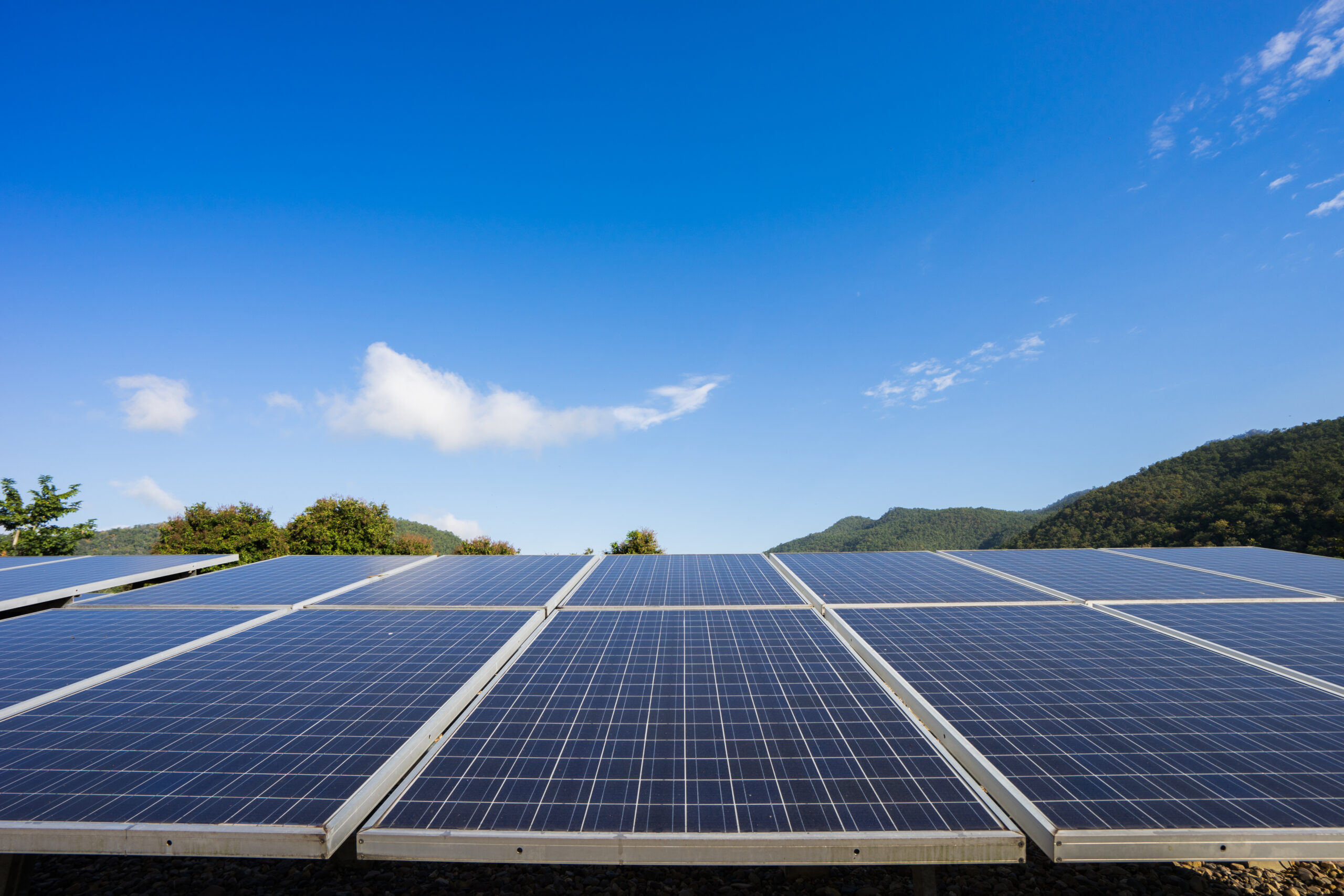
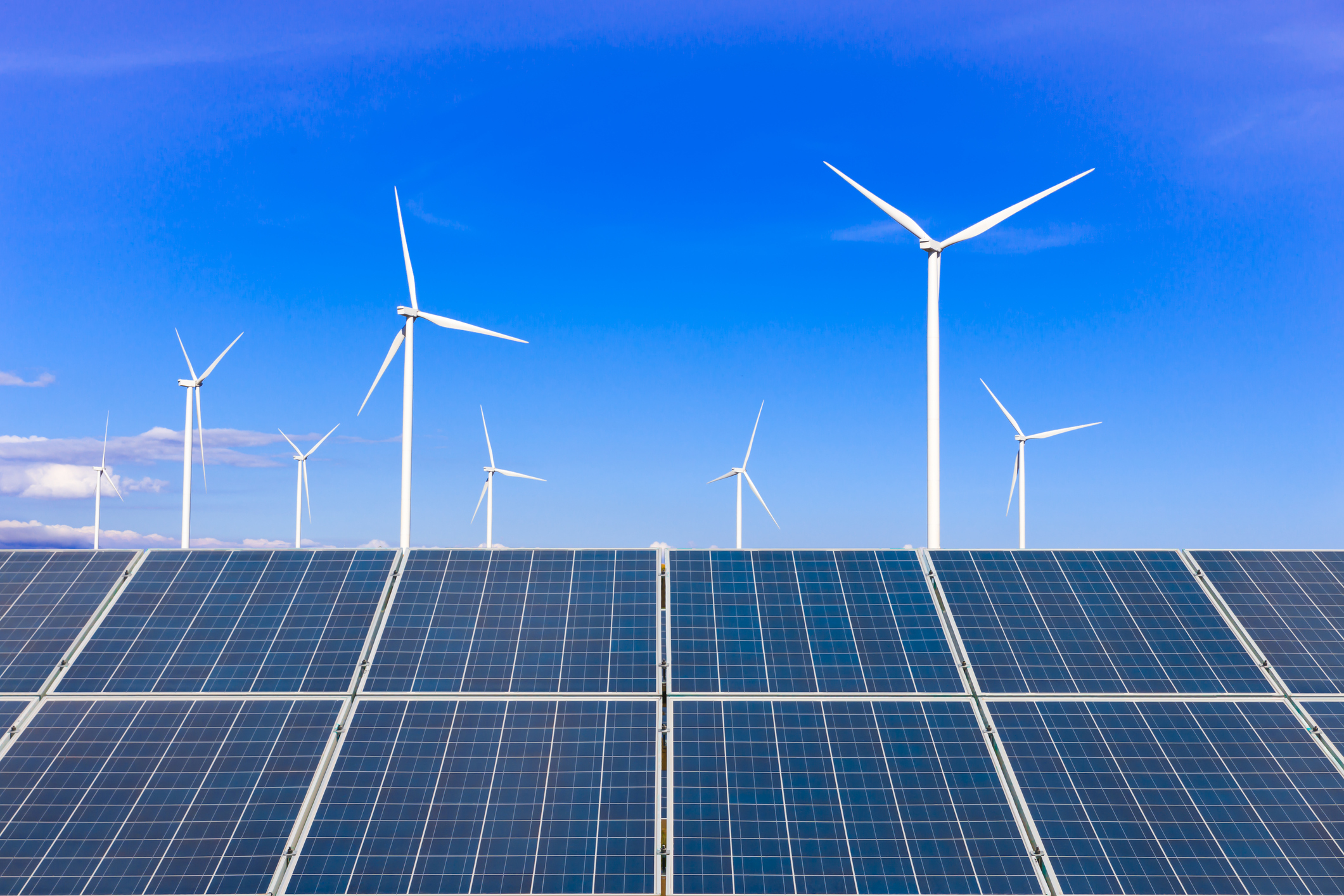
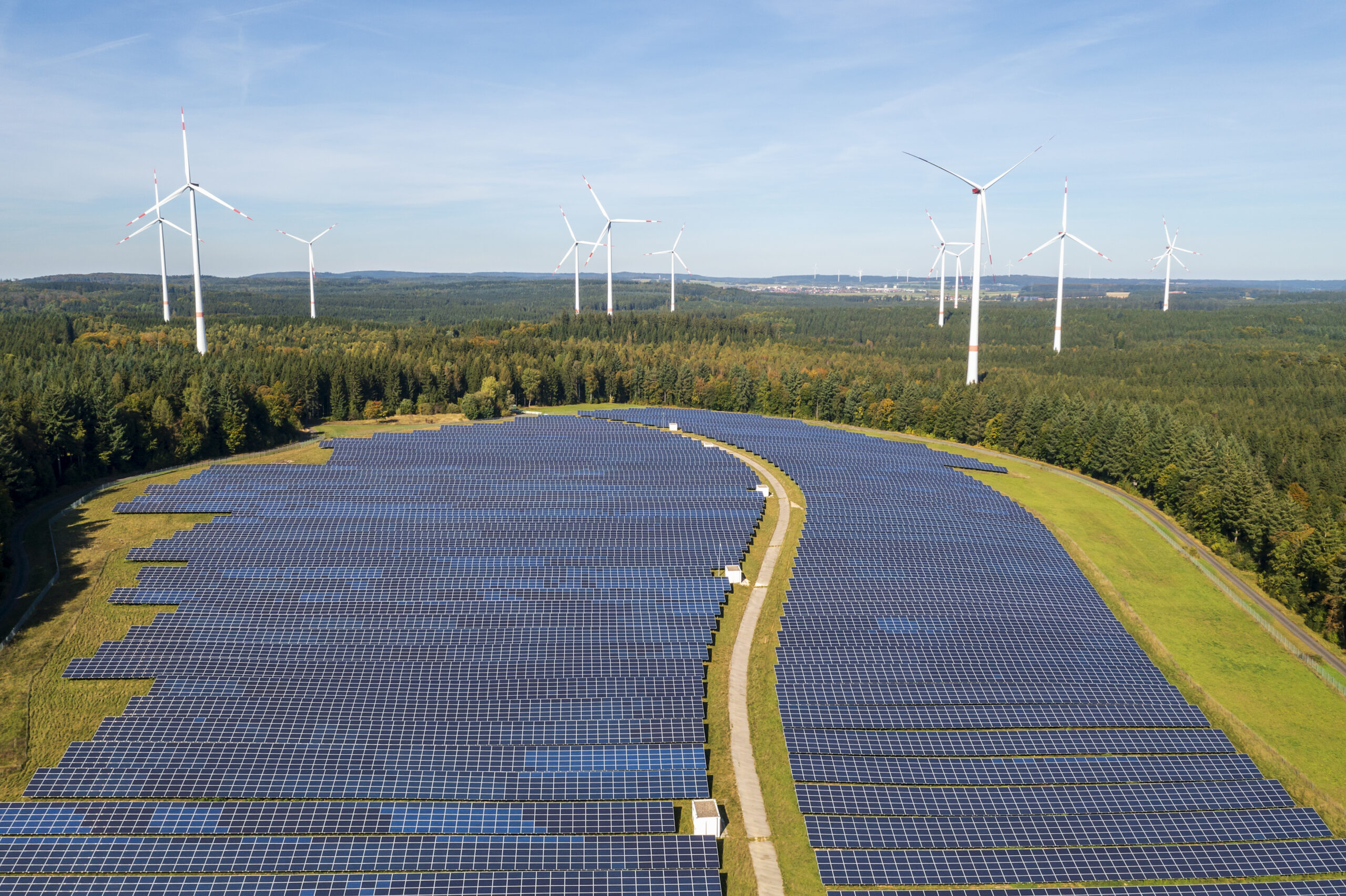
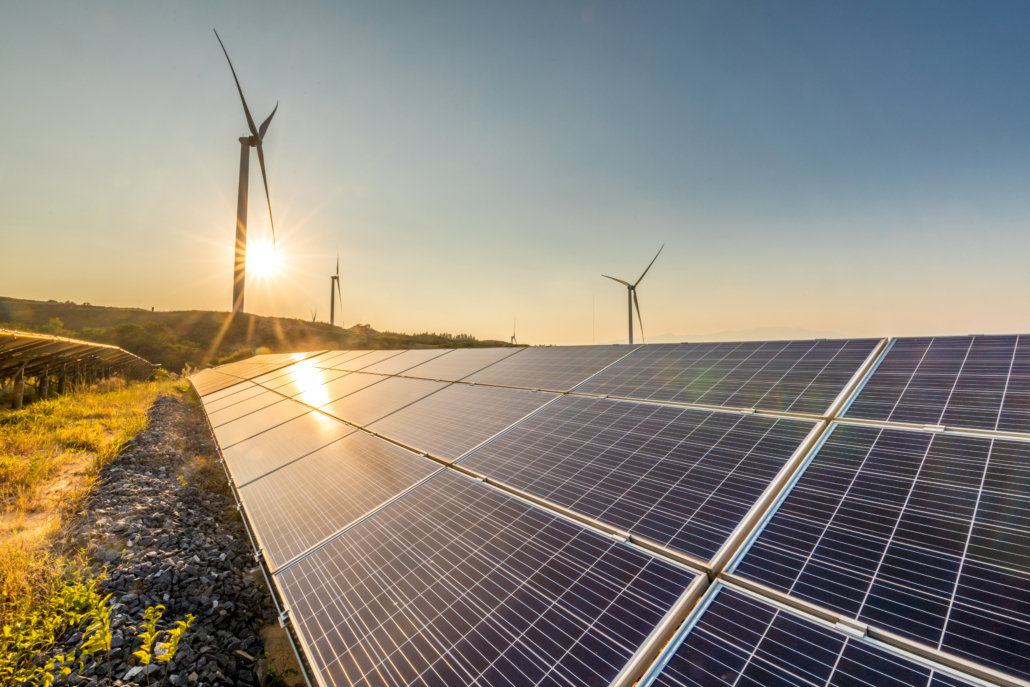
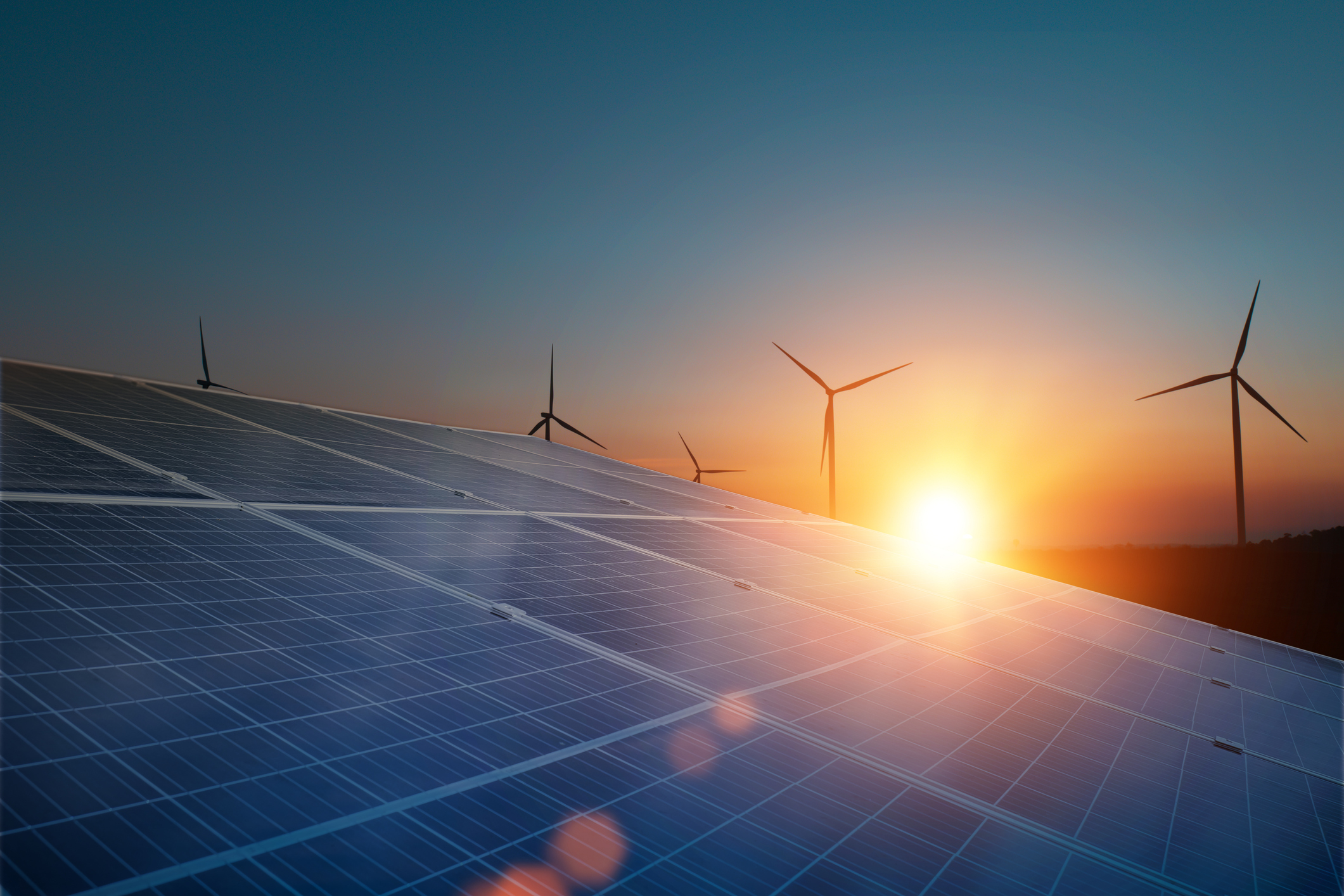
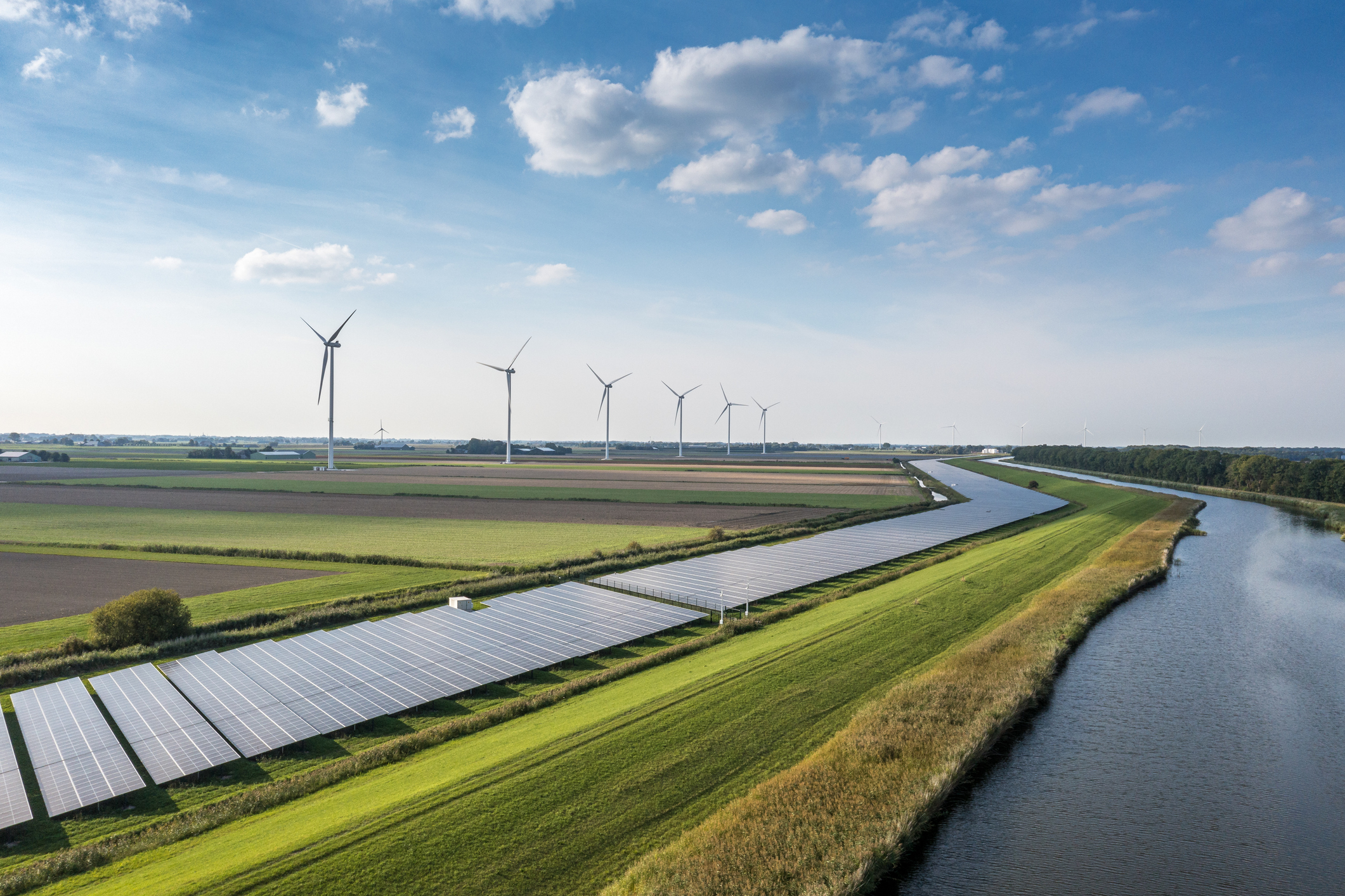
To regain competitive advantage and attract investment, energy efficiency is essential. Investing in solutions such as renewable energy (solar, wind, or hybrid with storage) reduces operating costs, stabilizes long-term energy prices, and enables compliance with increasingly demanding environmental standards.
This not only enhances price competitiveness but also strengthens Chile’s reputation as a reliable and sustainable global supplier.
Stricter Sustainability Requirements
High environmental standards are already embedded in Chilean mining’s DNA. The country serves as a regional benchmark in reducing carbon footprints and implementing socio-environmental best practices. However, to maintain this leadership and secure access to strategic markets like Europe, accelerated progress toward meeting new global standards is imperative.
The sector is addressing this challenge, but the transition can be expedited through energy solutions such as renewables integration, storage, and process optimization. These measures facilitate compliance with European mining regulations, cut costs, and improve environmental traceability across the value chain.
In today’s global context, sustainability represents a competitive advantage: innovating with clean technologies, enhancing efficiency, and reinforcing commitments to responsible mining would consolidate Chile’s position as a reliable supplier and global leader in clean production.
Why the Energy Transition Is Critical to the Future of Chilean Mining
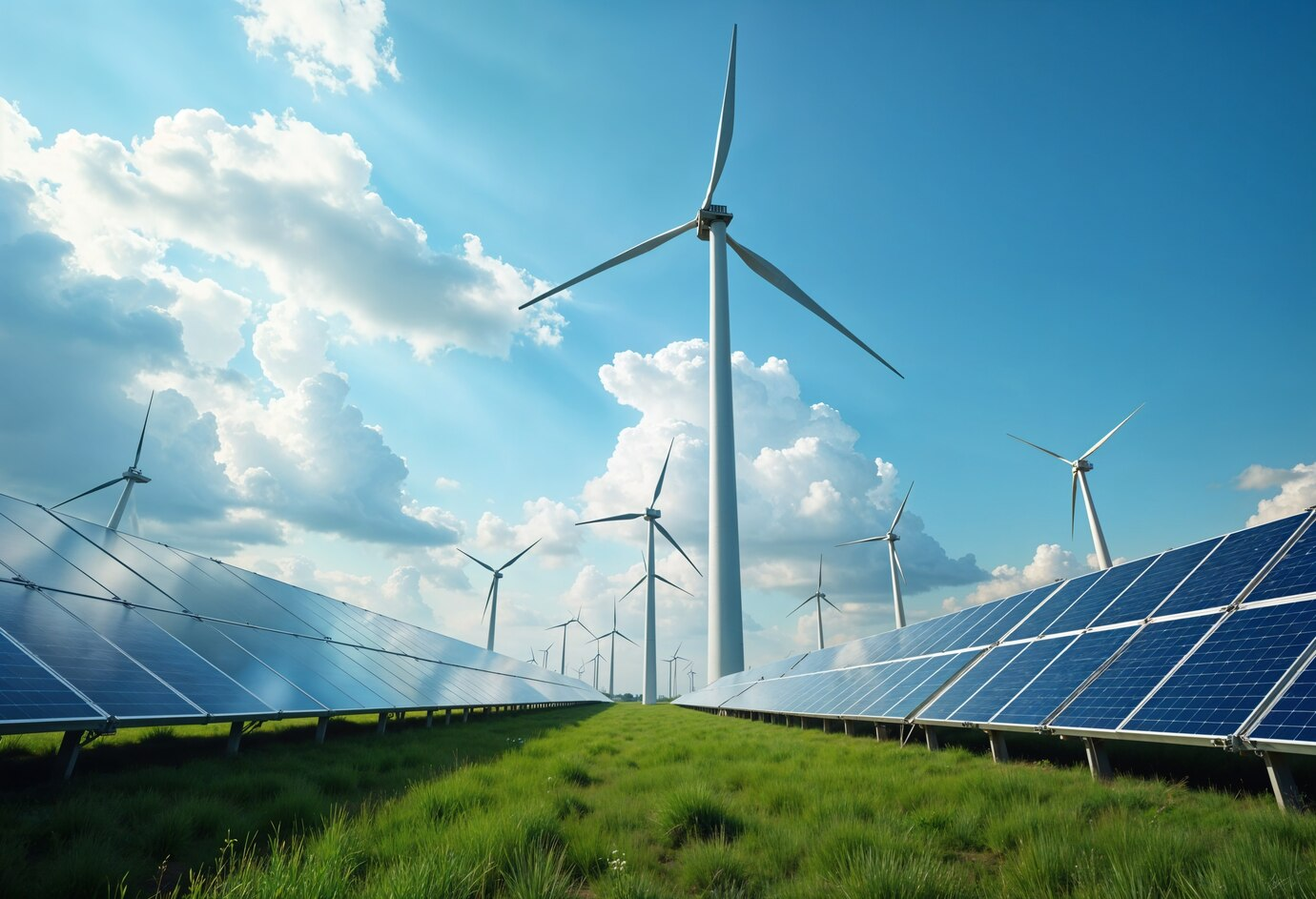
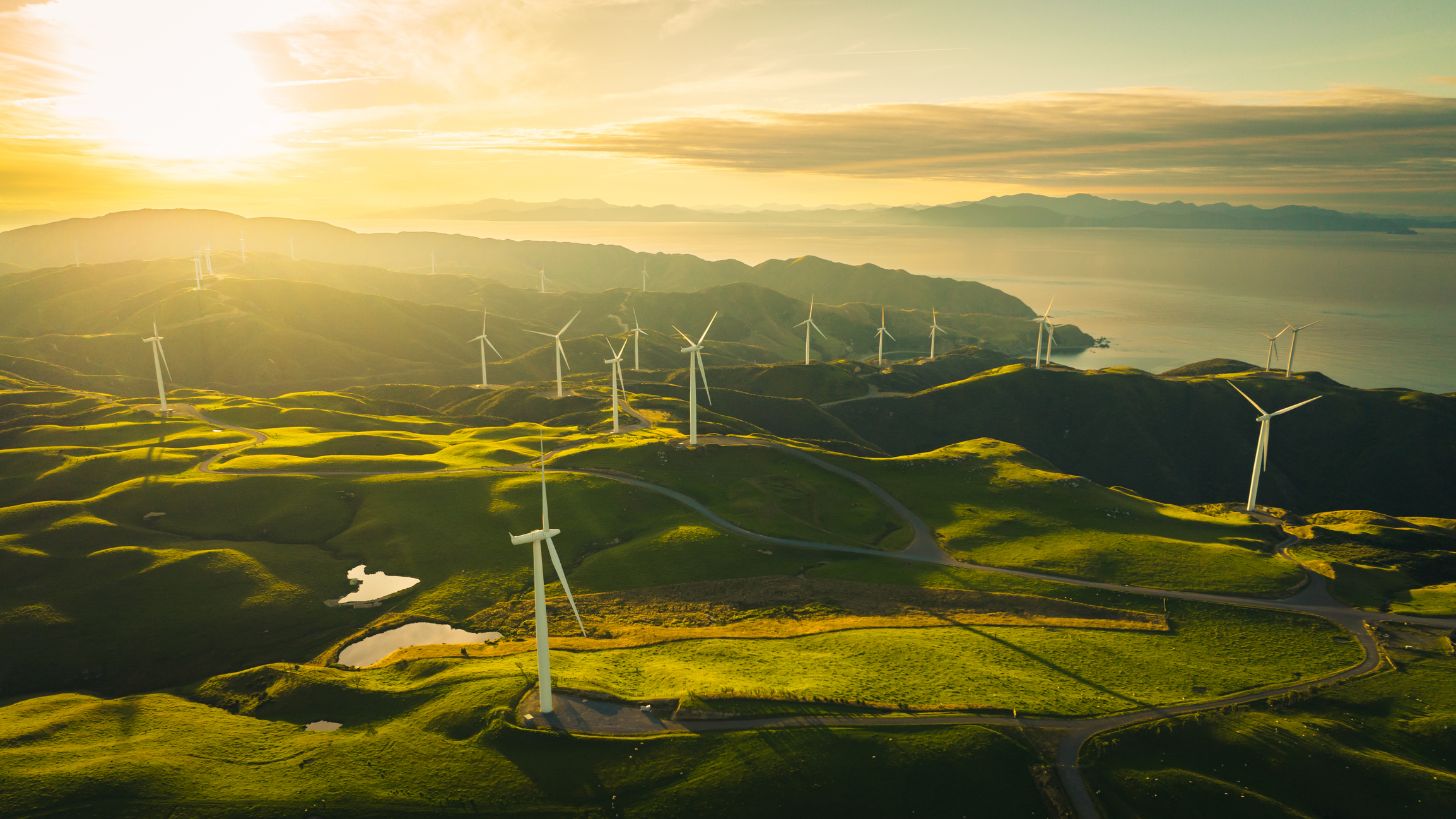
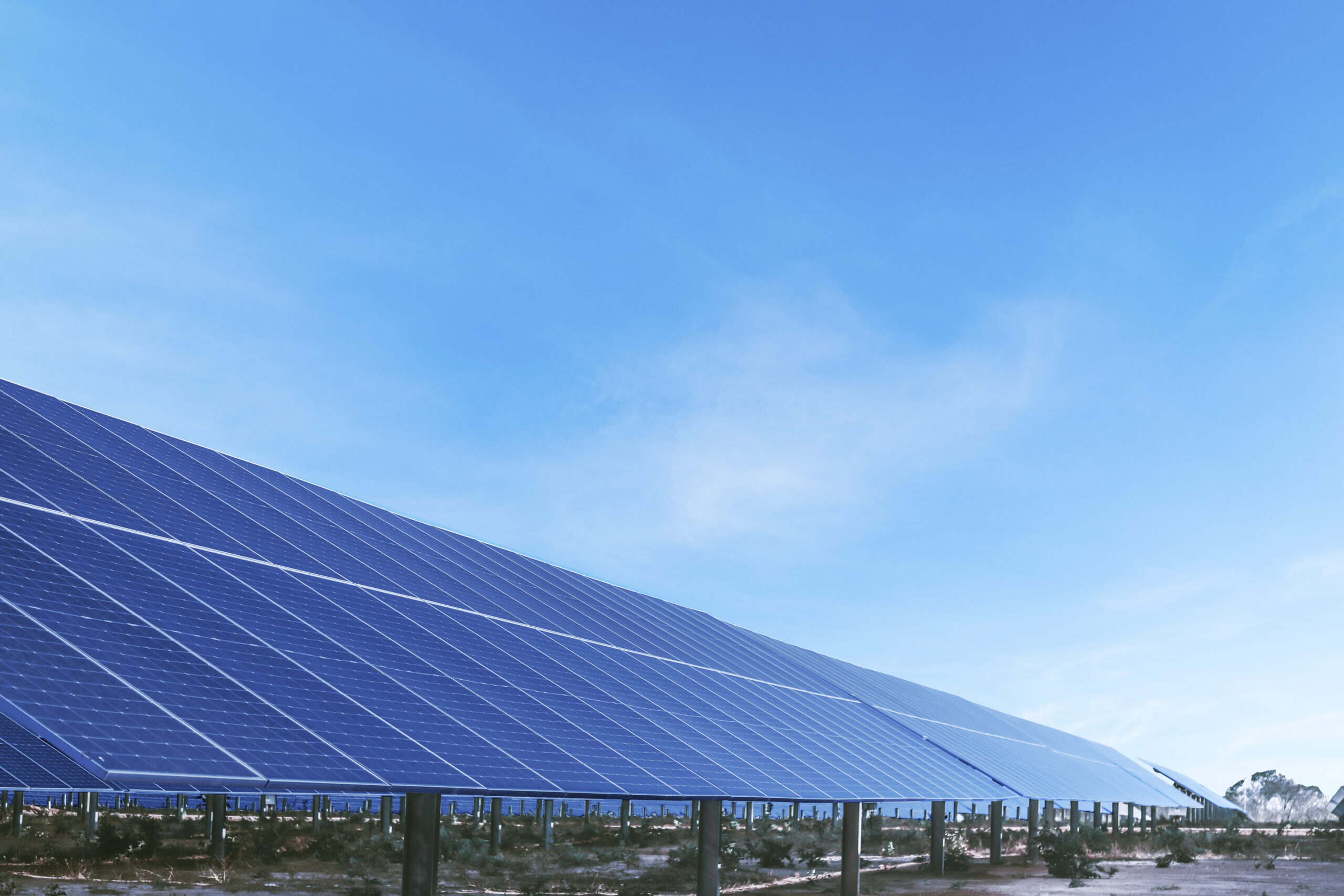
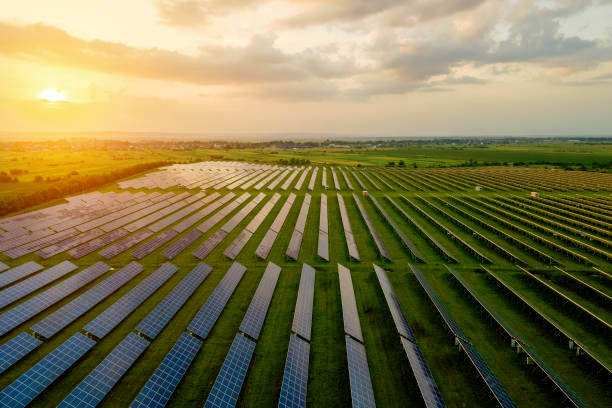
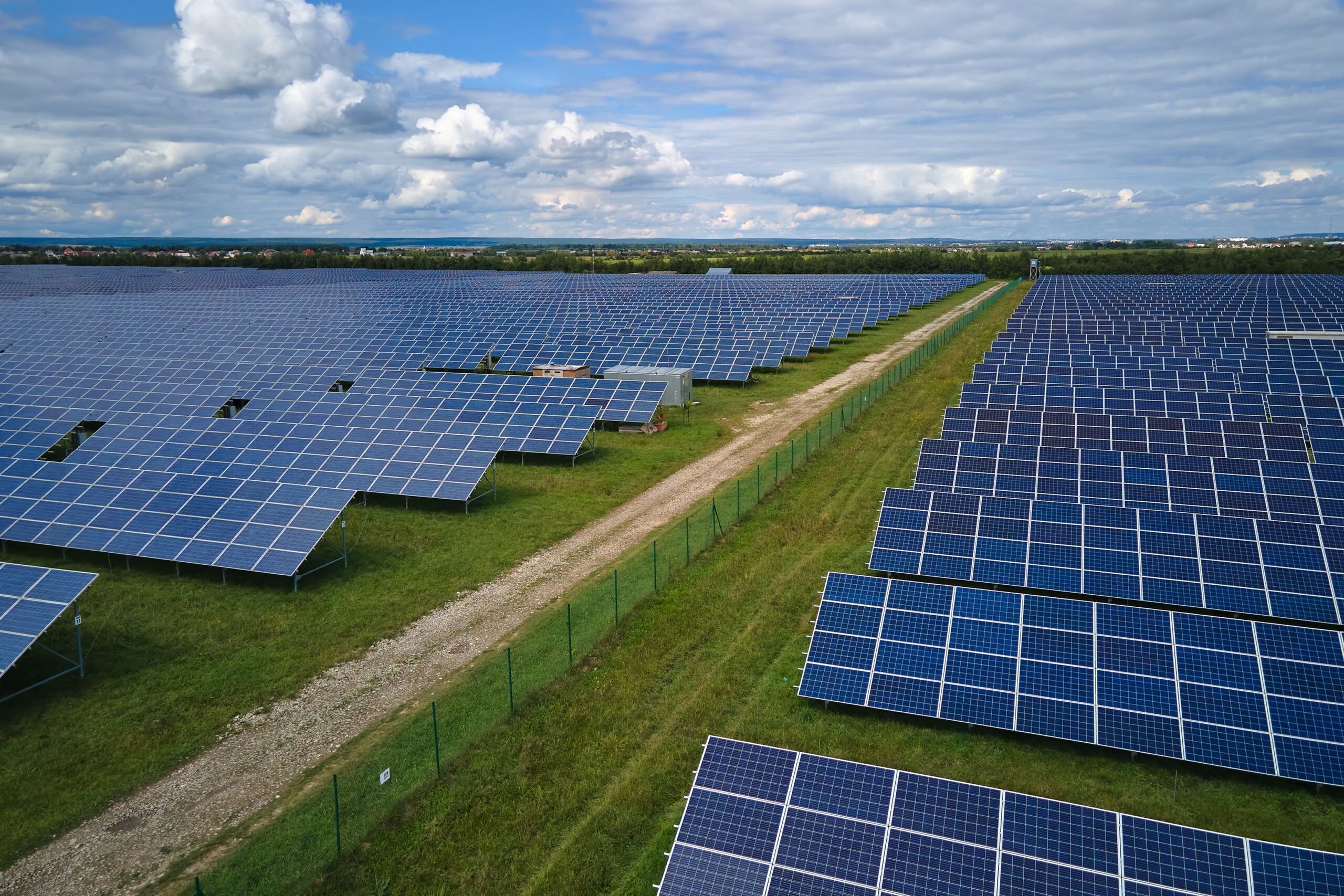
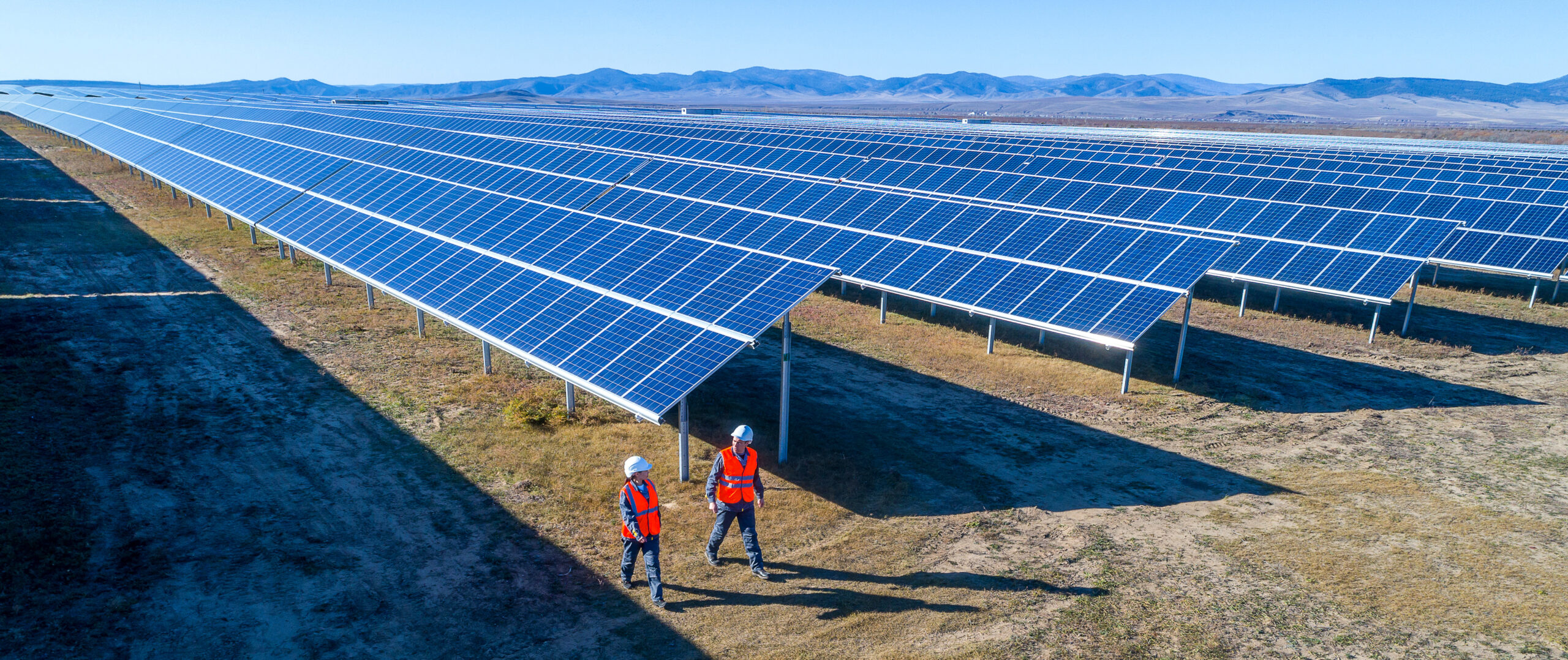
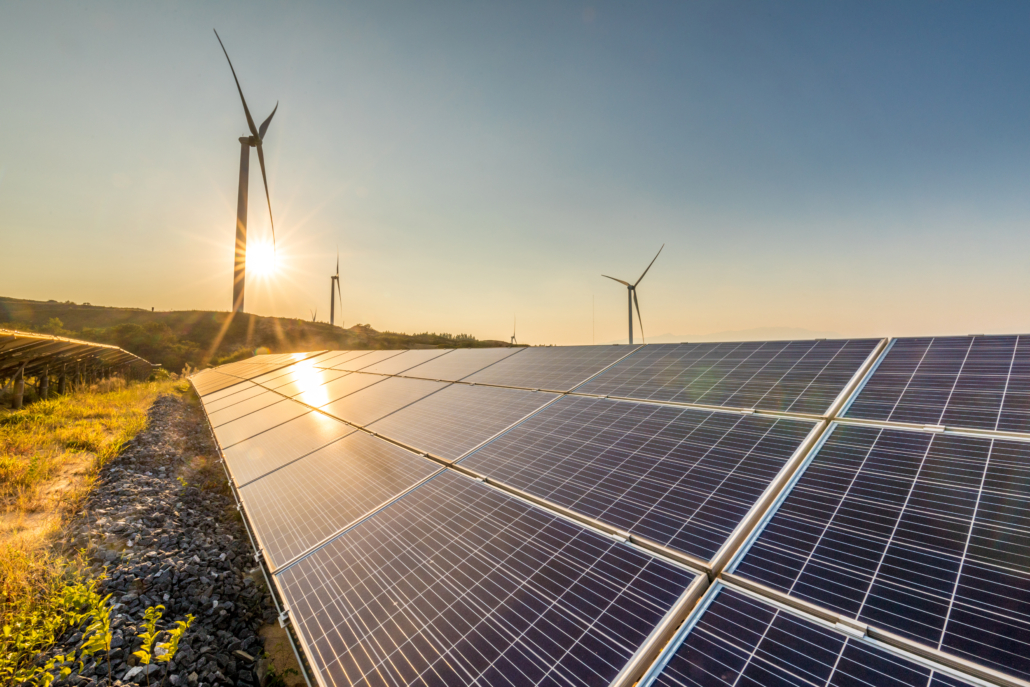
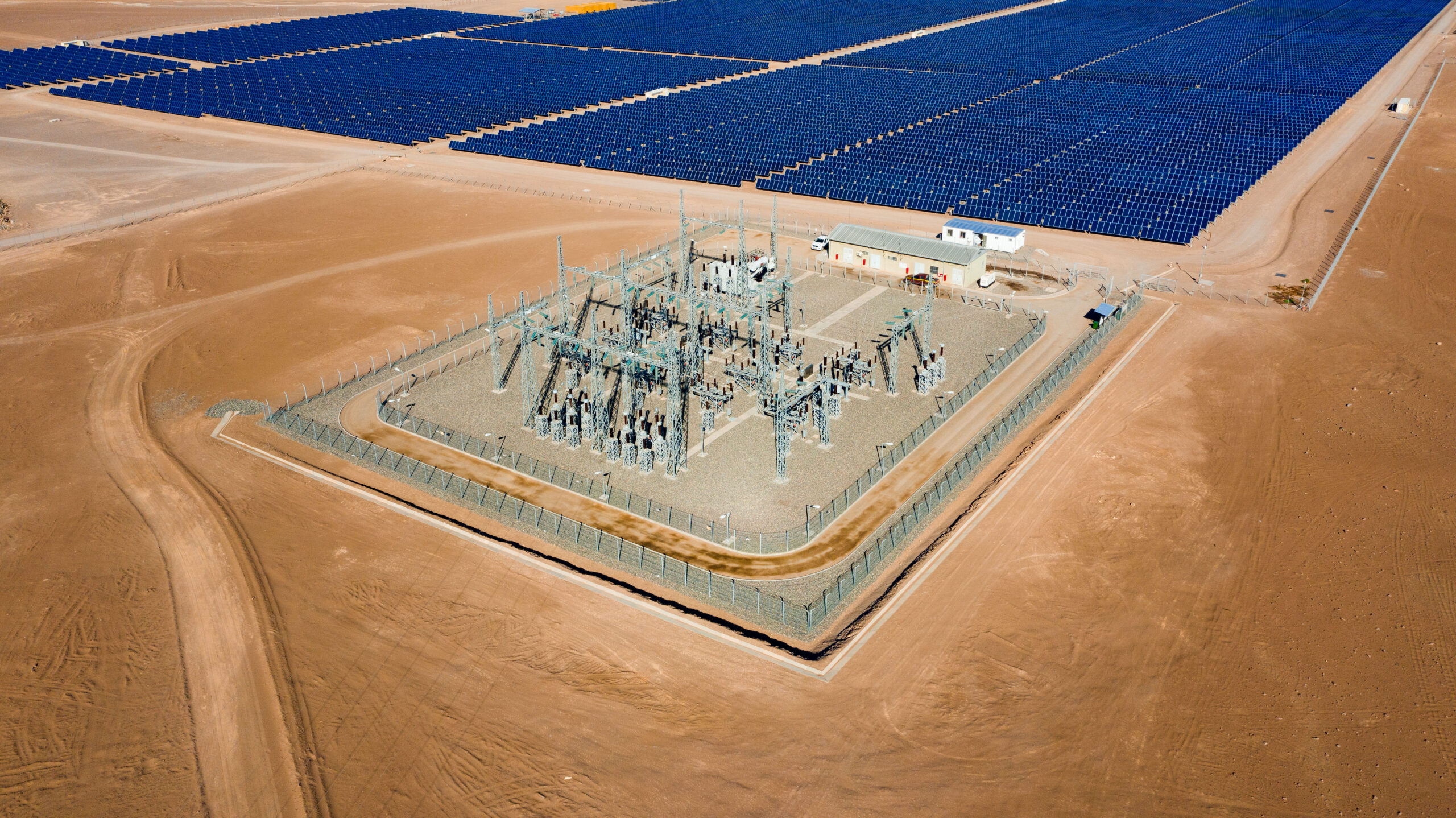
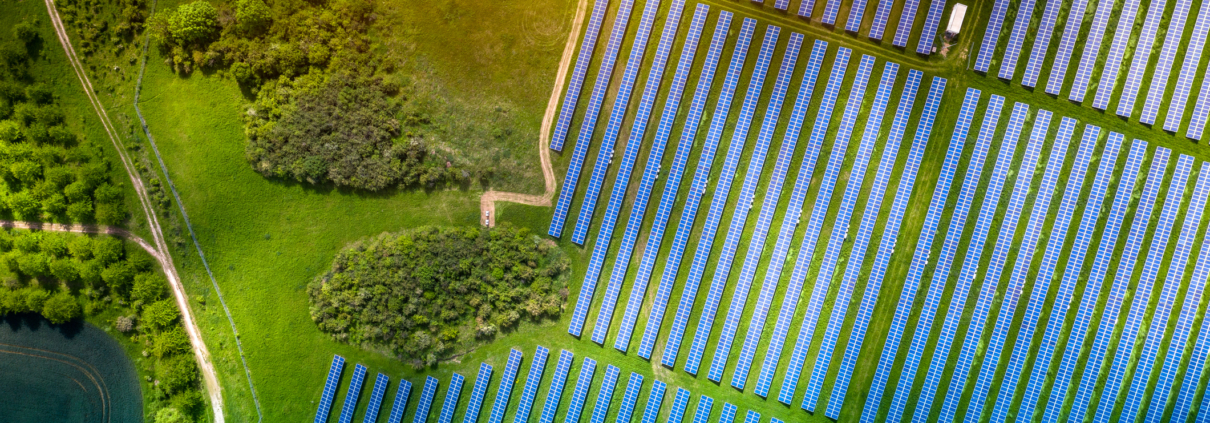
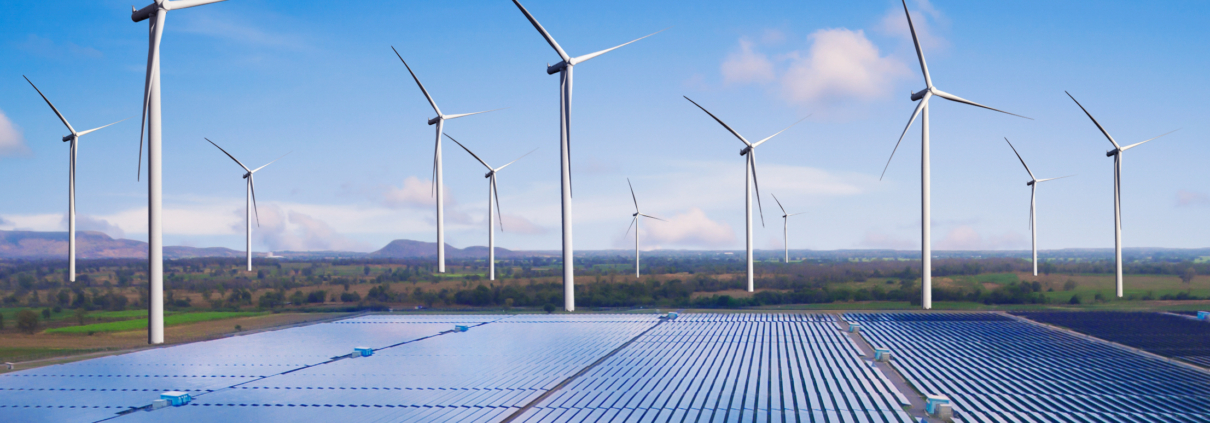
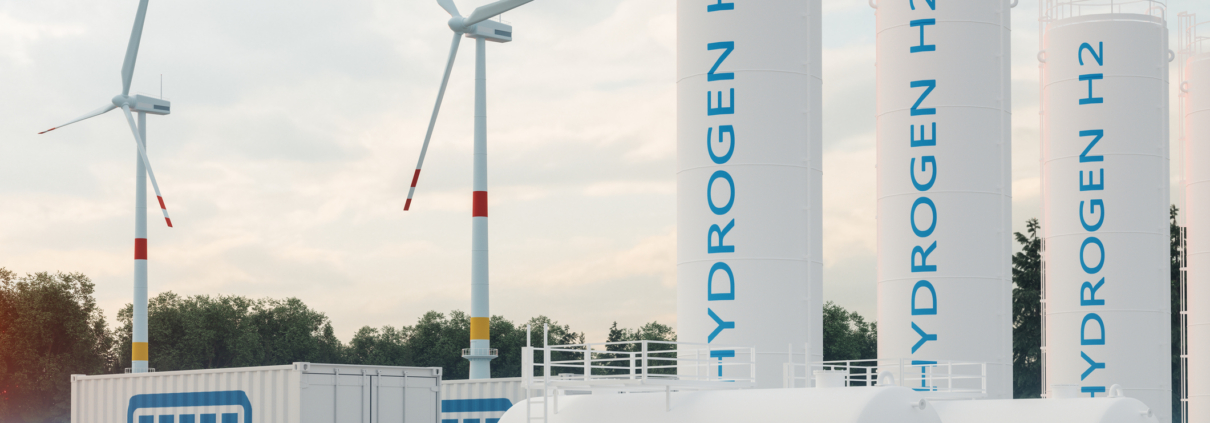
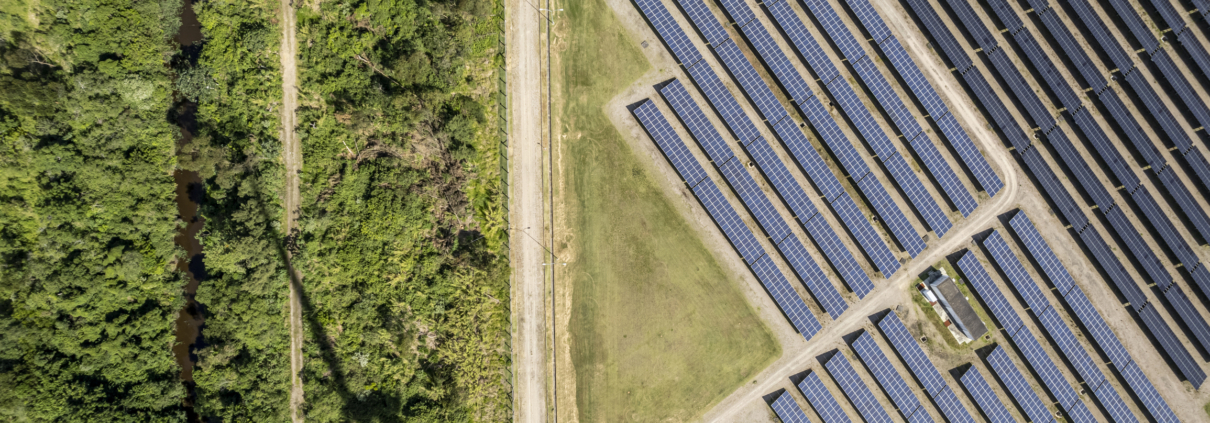
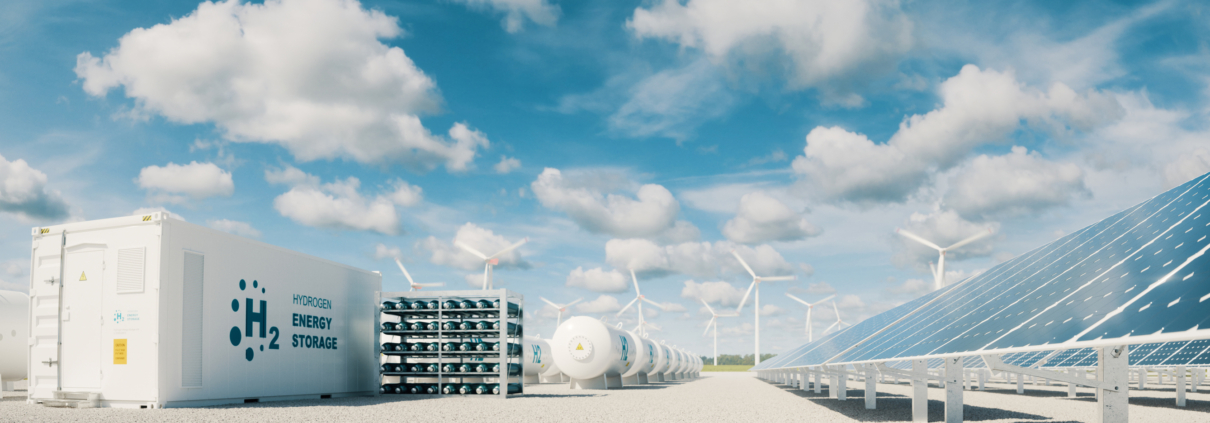
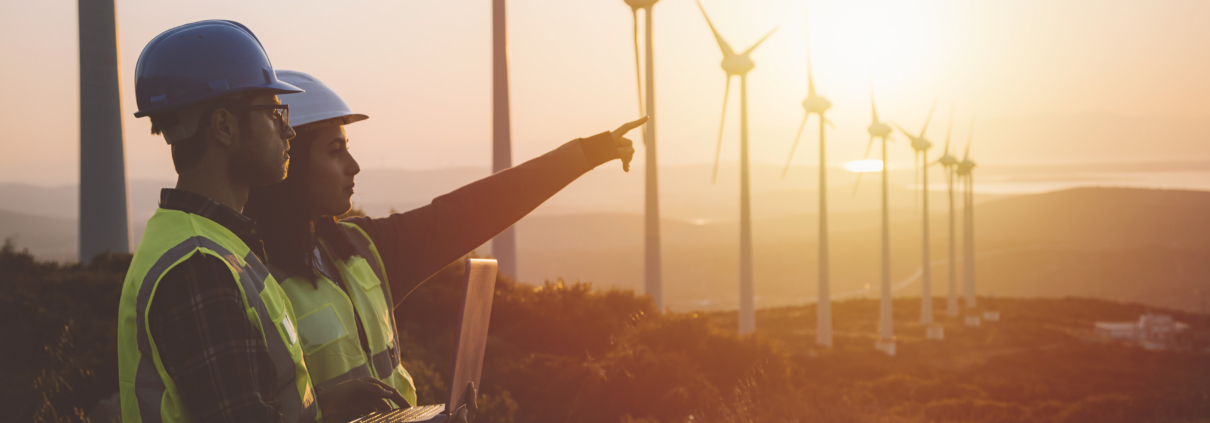
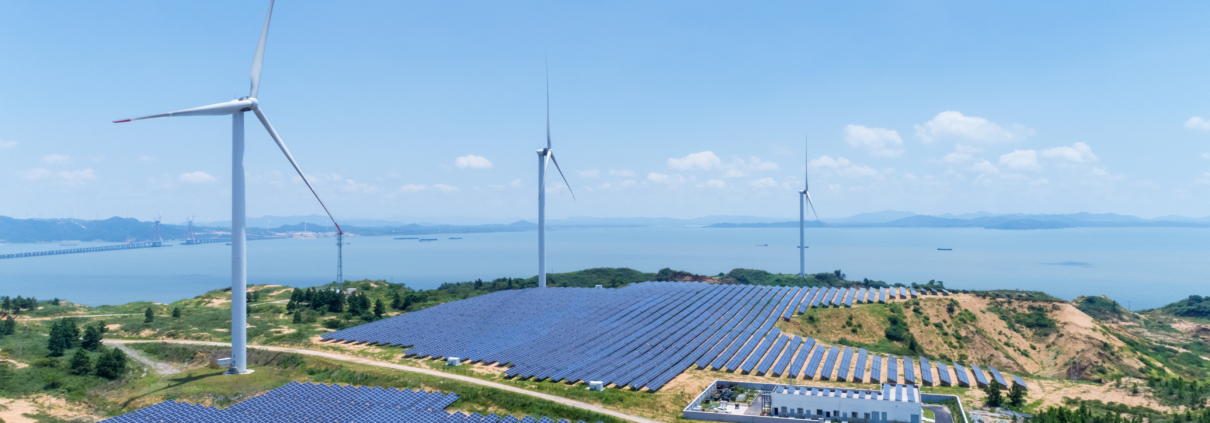
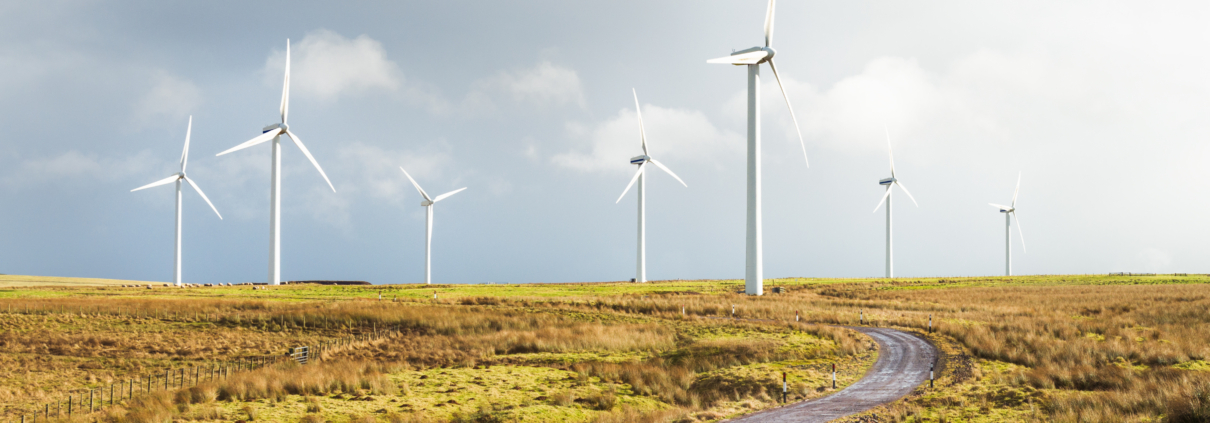
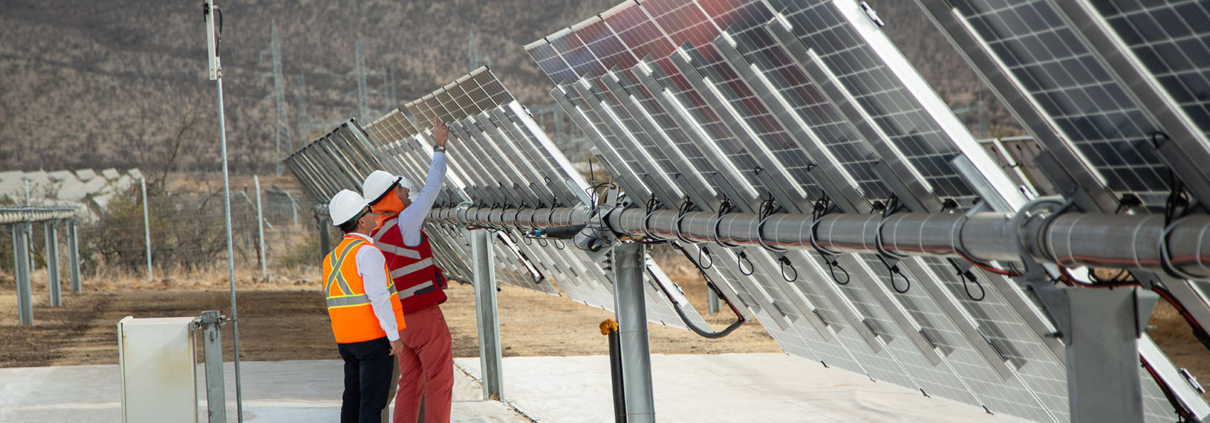
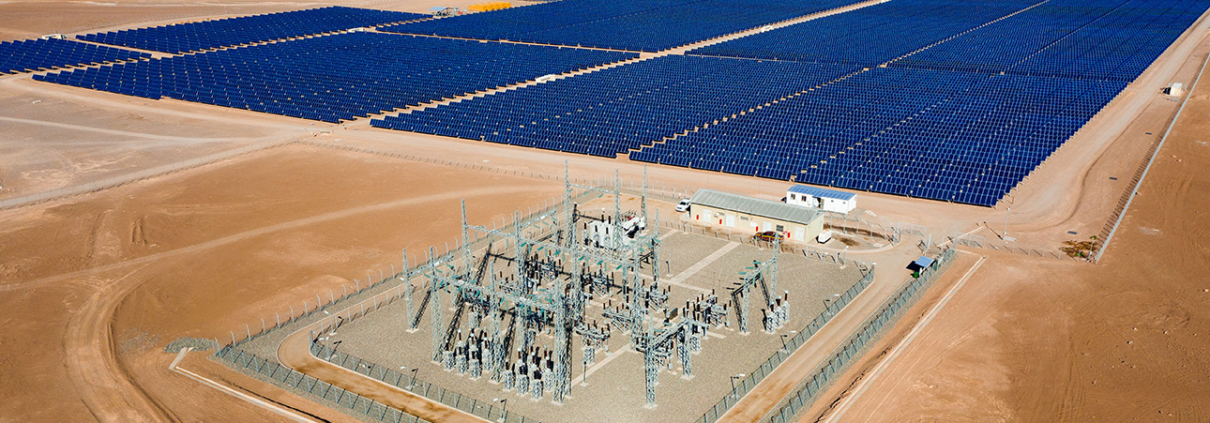
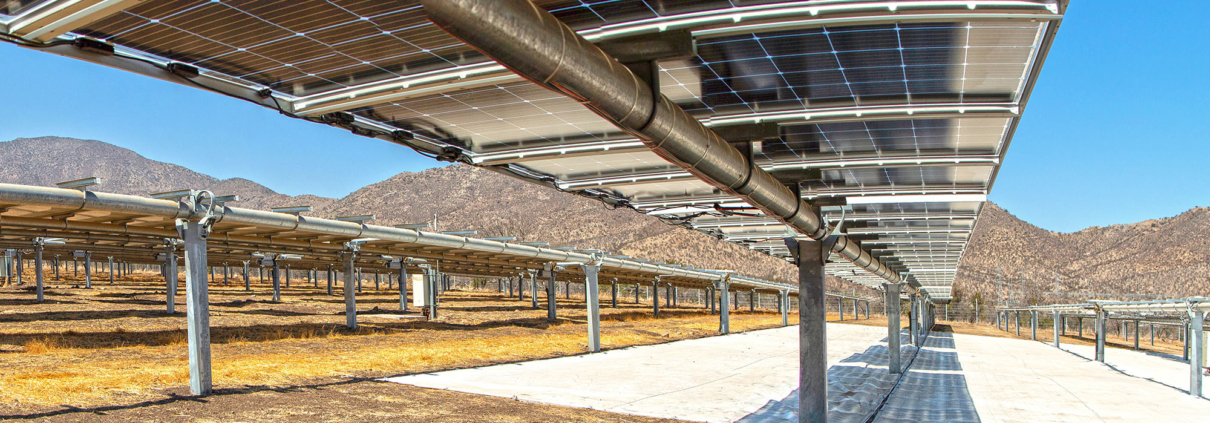
The energy transition offers a strategic response to the industry´s triple challenge. Integrating non-conventional renewable energy sources, such as solar PV, wind, geothermal, or green hydrogen, provides a concrete path to reducing costs, securing energy supply, and advancing toward carbon neutrality.
Chile has already established a comprehensive roadmap. The Energy Policy 2035 and the National Mining Policy 2050 estimate that by 2030, nearly 90% of mining power contracts will originate from renewable sources. Many companies have already moved proactively, executing long-term clean energy PPAs and incorporating storage systems to guarantee a continuous 24/7 electricity supply.
This energy model enhances environmental performance while delivering key operational benefits: more stable costs amid fossil fuel volatility, greater supply security, and alignment with sustainability objectives demanded by regulators and investors.
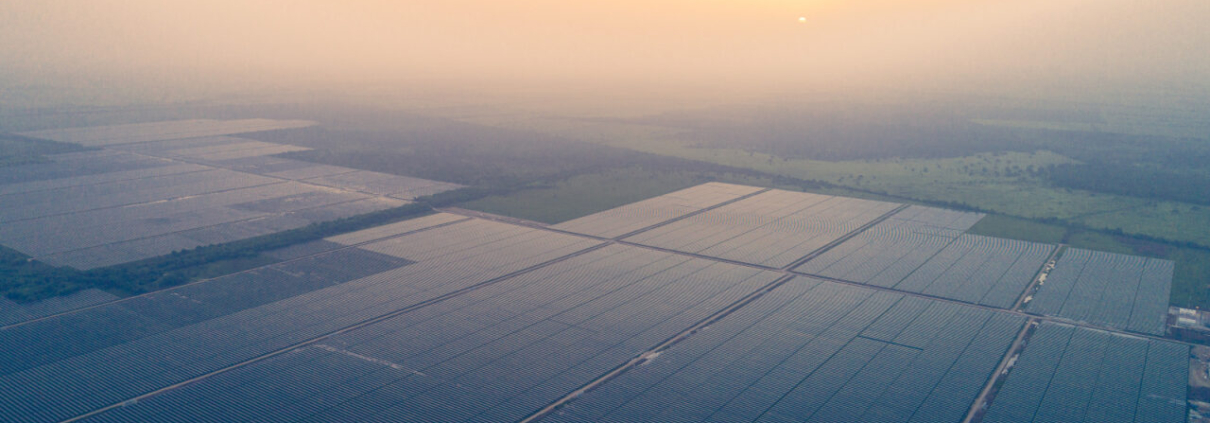
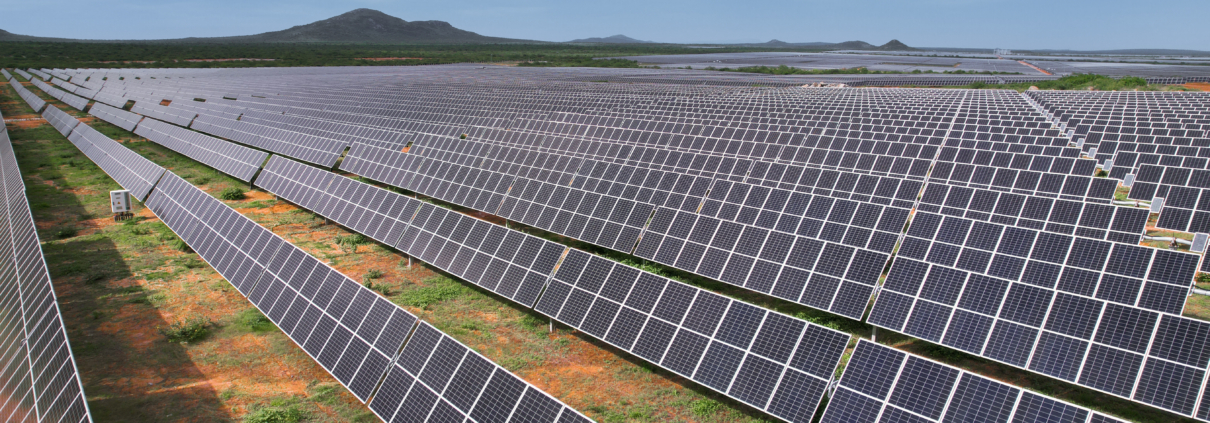
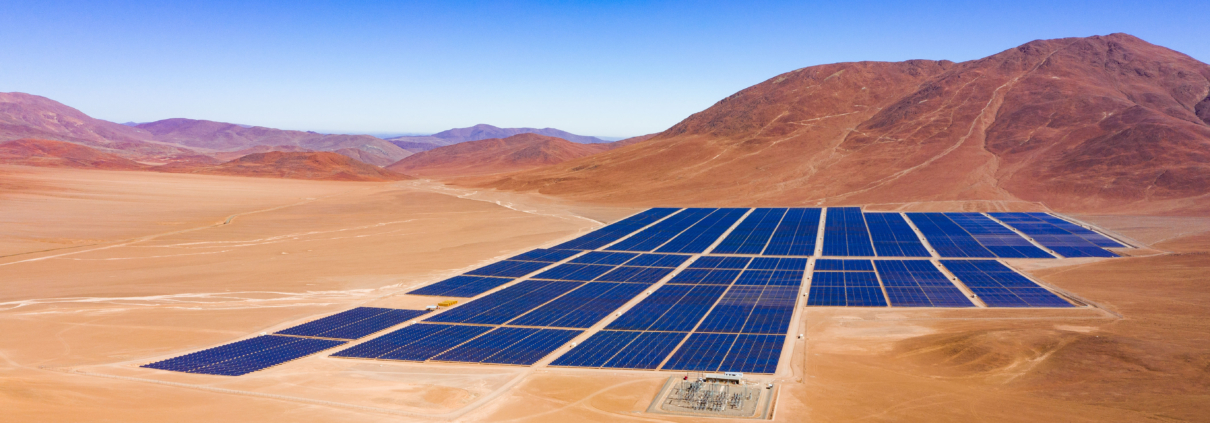
With world-class natural resources, Chile combines some of the planet’s highest solar radiation with stable wind conditions, enabling competitive renewable generation at scale.
Consequently, the energy transition addresses two of the industry’s most pressing challenges—emissions and elevated costs—while simultaneously reinforcing its competitive edge, positioning Chilean mining as efficient, modern, and prepared to lead in a market increasingly defined by authentic sustainability.
Why should mining invest in renewables?
– Lower Carbon Footprint and Pollution
Transitioning from diesel or coal to solar and wind significantly reduces CO₂ emissions and local pollutants. According to experts from German Technical Cooperation (GIZ) and the Association of Unregulated Electricity Customers (ACENOR), mining operations adopting renewables lower both total emissions and local greenhouse gases.
In Chile, existing clean power contracts already displace millions of tons of CO₂ annually compared with fossil-based generation. Lower emissions not only facilitate meeting climate commitments but also strengthen companies’ sustainability profiles and their positioning with investors and regulators.
– Lower Operating Costs
Non-conventional renewables offer a lower levelized cost of energy (LCOE) than traditional sources. According to Wood Mackenzie, in 2024, fixed-tilt solar PV averaged USD 66/MWh globally (range: 28–117 USD/MWh), while onshore wind averaged USD 75/MWh (range: 23–139 USD/MWh). These figures are lower than new coal and gas plants in most markets.
Long-term PPAs enable mining firms to secure competitive prices in USD/kWh and hedge against volatility in global fuel markets. As ACENOR notes, renewables deliver lower-cost, emissions-free power—a combination that directly enhances Chilean mining competitiveness.
– Energy Stability and Security
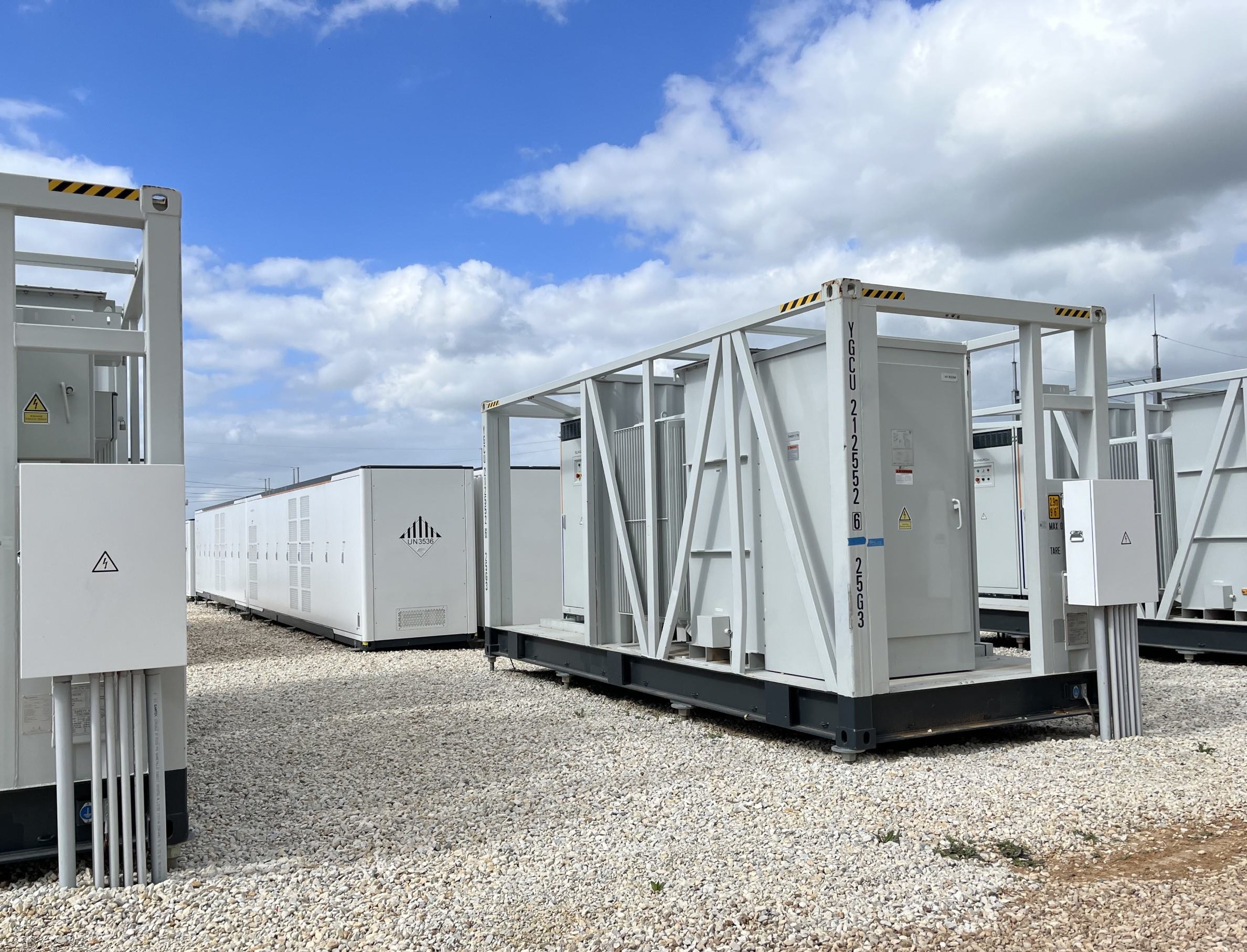
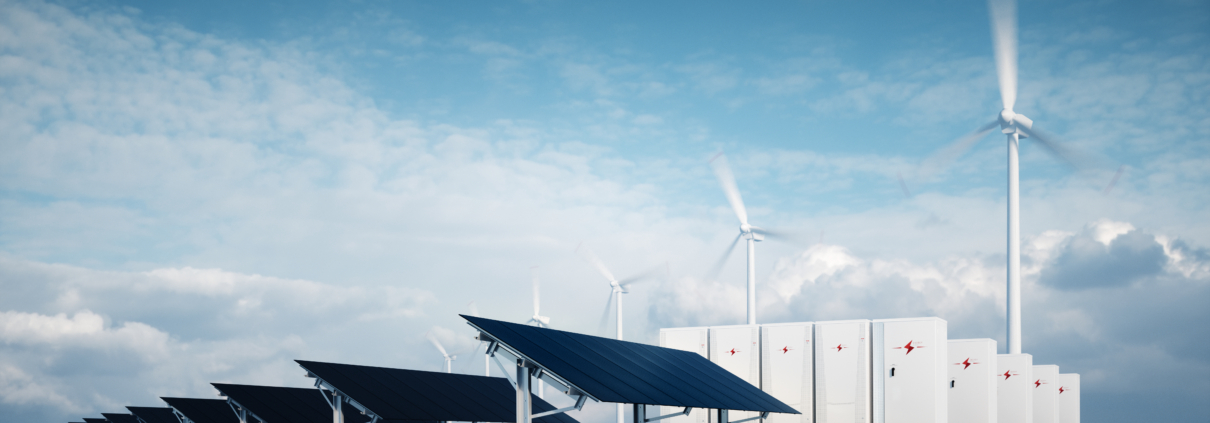
Renewable systems paired with storage ensure continuous supply, avoiding interruptions and operational bottlenecks. This is critical for energy-intensive mining operations, where power outages can result in multimillion-dollar losses. Securing self-supply reduces both logistical and financial risks.
– Compliance with Environmental Standards and Access to Certifications
Adopting clean energy facilitates sustainability certifications—such as renewable energy or carbon footprint seals—that are increasingly valued by clients and investors. It also enables access to green bonds, ESG financing, and carbon markets.
Meeting these standards strengthens regulatory positioning and facilitates adaptation to new European rules on responsible sourcing.
– Competitive Advantage in the European Minerals Market
Companies that demonstrate renewable-powered operations can differentiate themselves in high-demand markets. With Europe requiring critical minerals with minimal environmental footprints, Chilean miners who certify a clean supply will become preferred suppliers. This enhances the country’s brand and strengthens copper and lithium exports, aligning them with the vision of a sustainable global market.
Adopting renewables is not just a response to global trends—it is a strategic decision that multiplies benefits: lowering costs, mitigating risks, enhancing reputation, and preparing Latin American mining to compete in a global market that increasingly demands clean, efficient, and responsible operations.
Atlas Renewable Energy: A Strategic Partner
In this new global environment, Atlas Renewable Energy emerges as a key partner for Chilean mining in its transition toward a cleaner, more stable, and more competitive energy matrix.
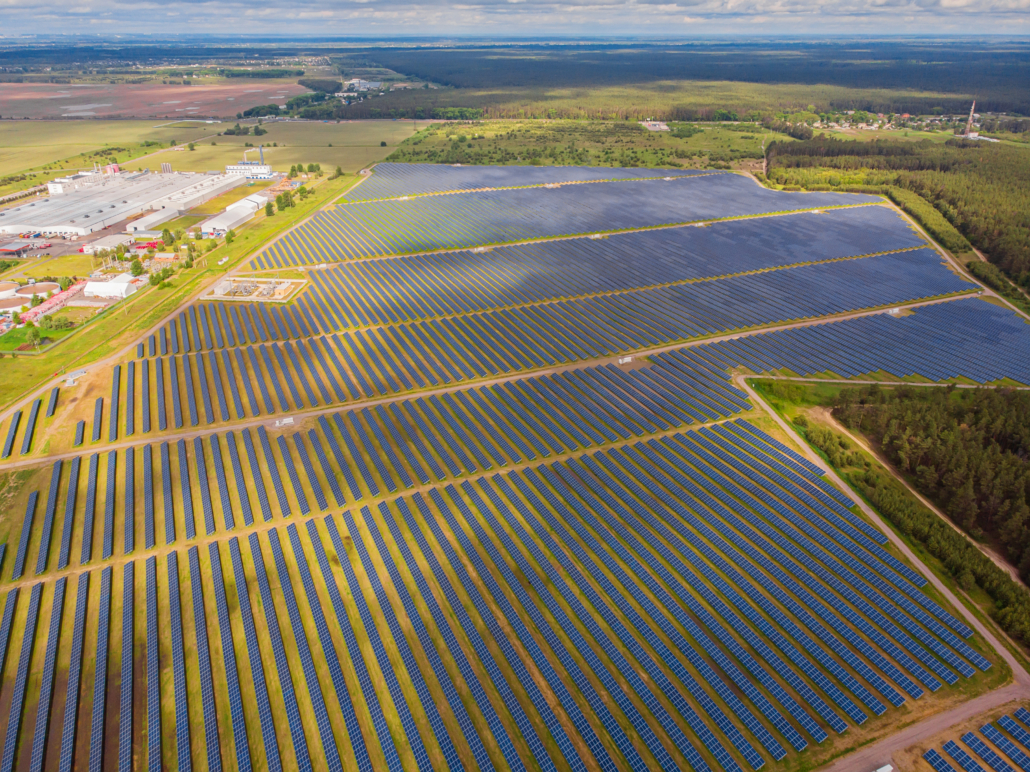
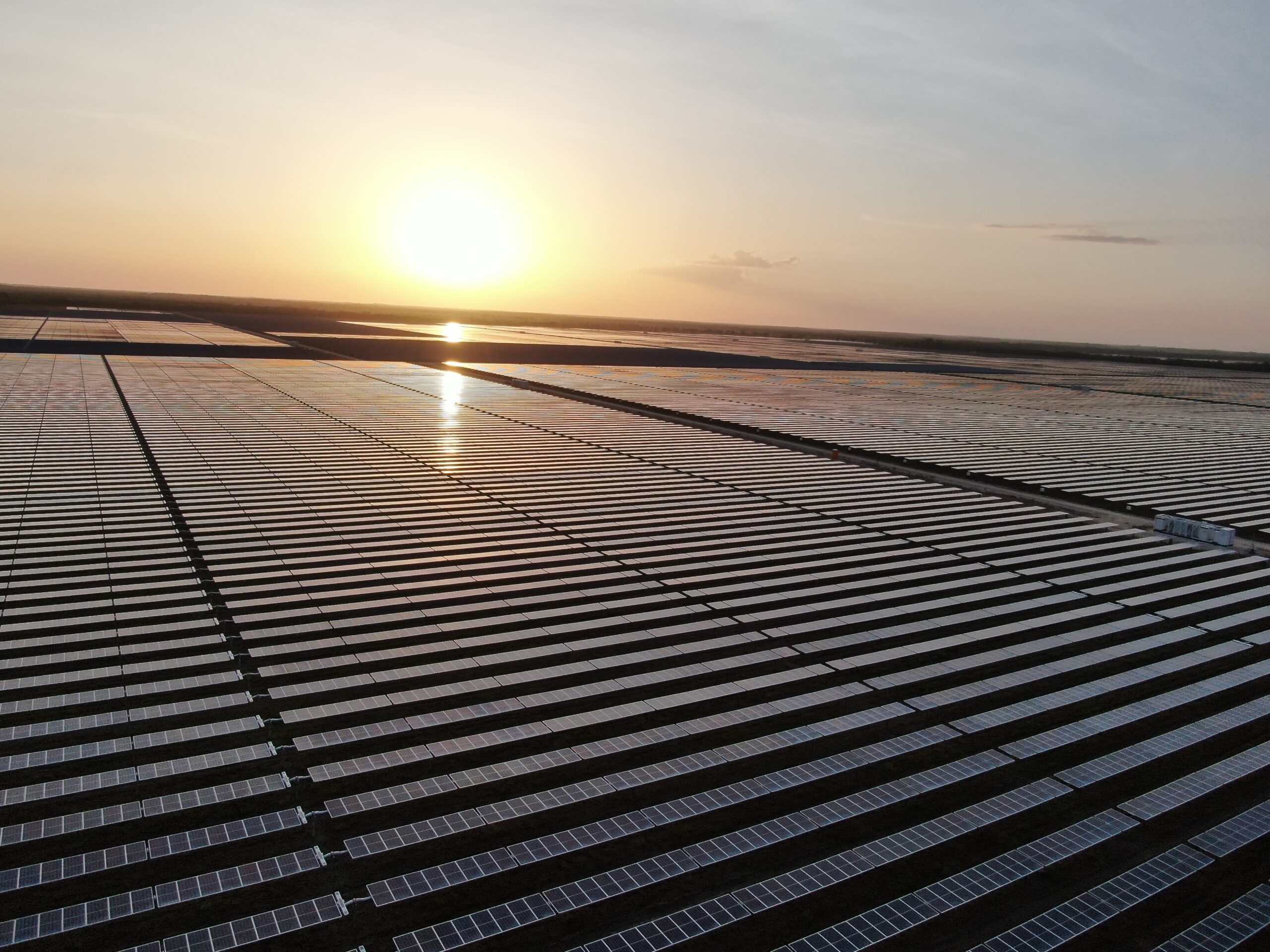
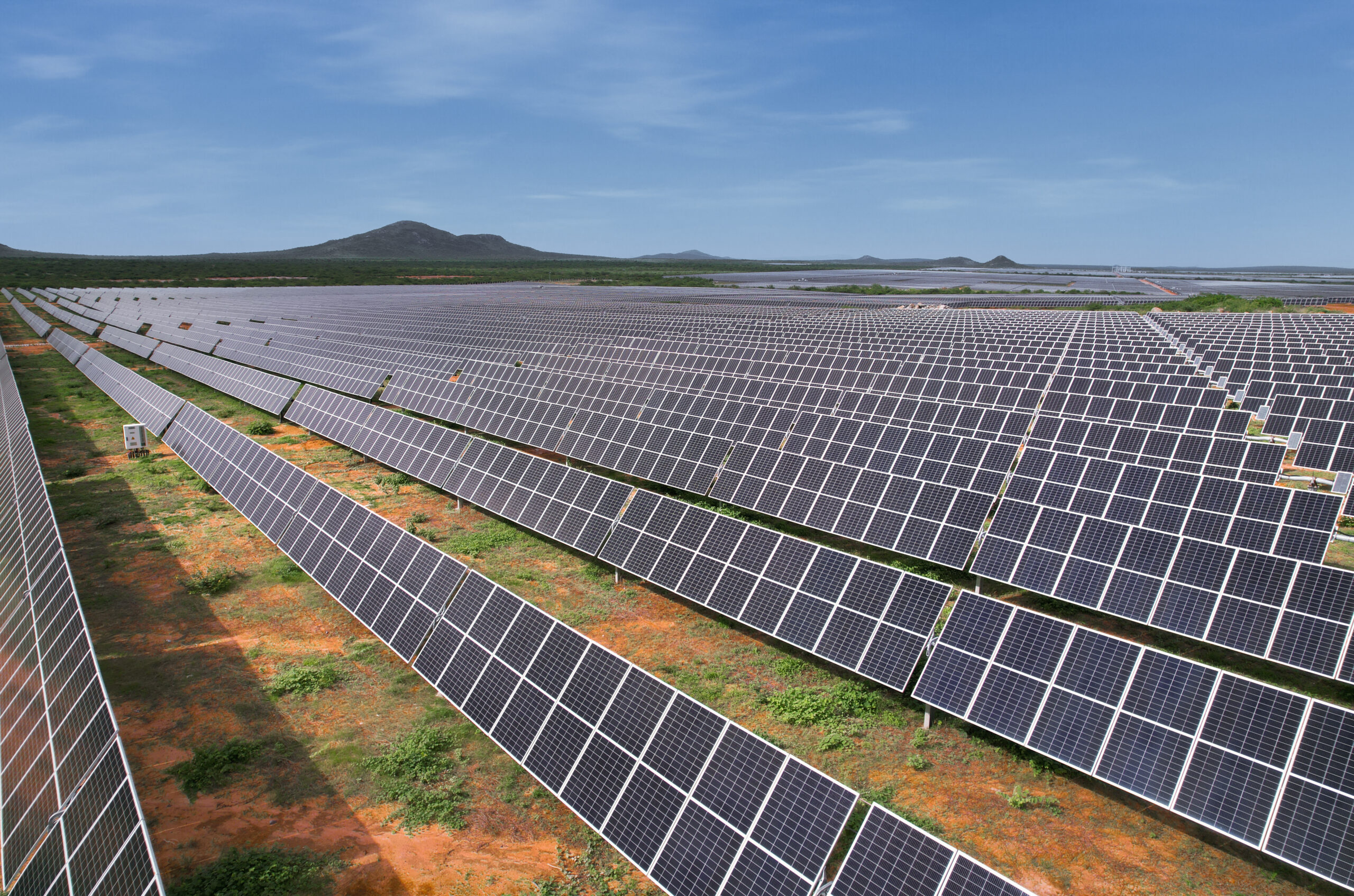
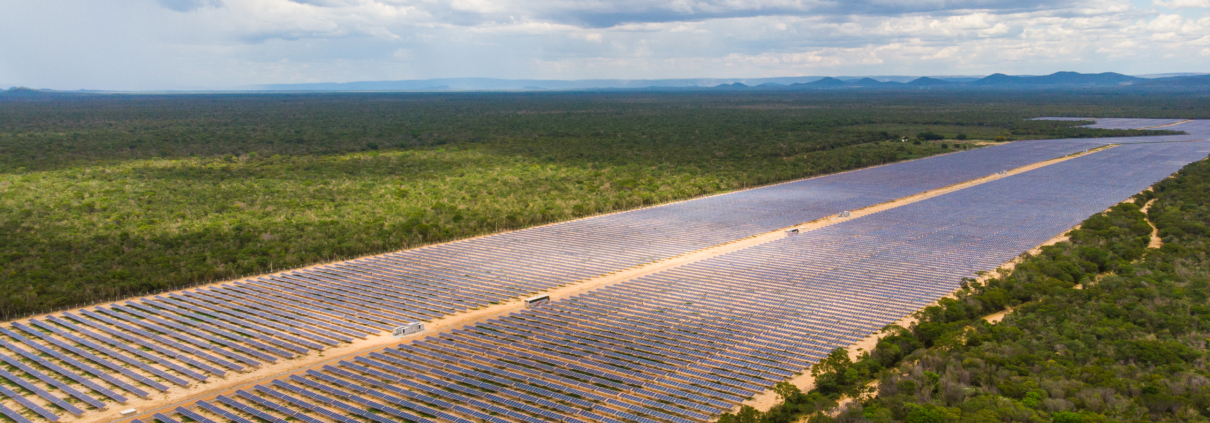
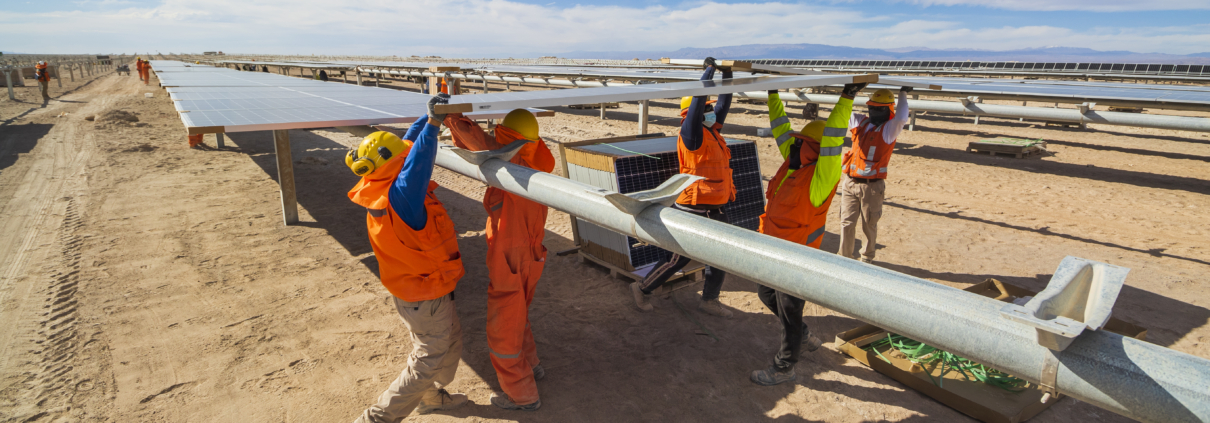
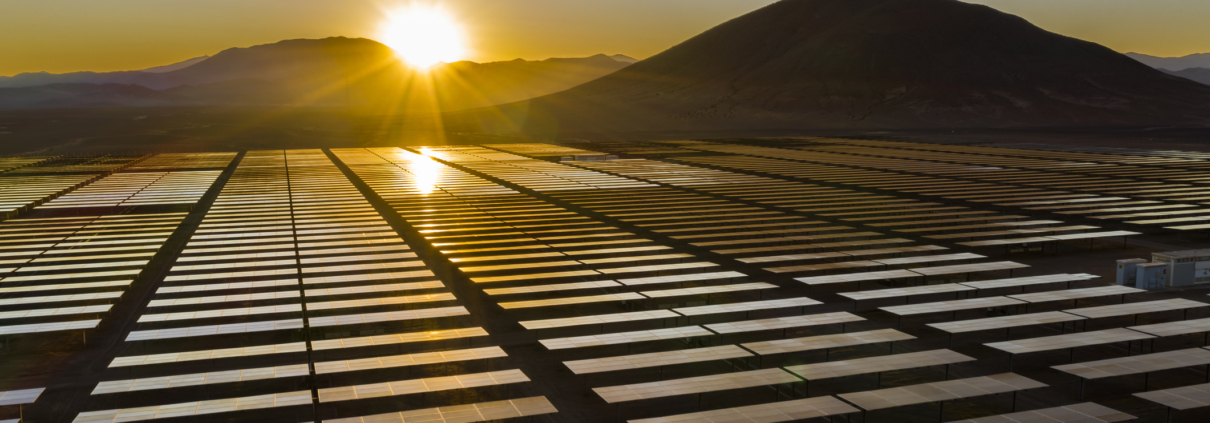
Atlas is a global renewable energy developer with a strong track record in large-scale supply contracts. A concrete example is the 24/7 PPA executed in 2024 with Codelco. The agreement guarantees 375 GWh of annual solar energy with battery storage for 15 years.
This pioneering agreement ensures continuous renewable power for the world’s largest copper producer, significantly reducing its emissions and energy costs.
Projects like Atlas’s partnership with Codelco demonstrate the company’s role in enabling compliance with new regulatory requirements. By delivering clean energy and turnkey solutions—including storage—Atlas helps mining firms certify their supply chains under the CRMA and Battery Regulation.
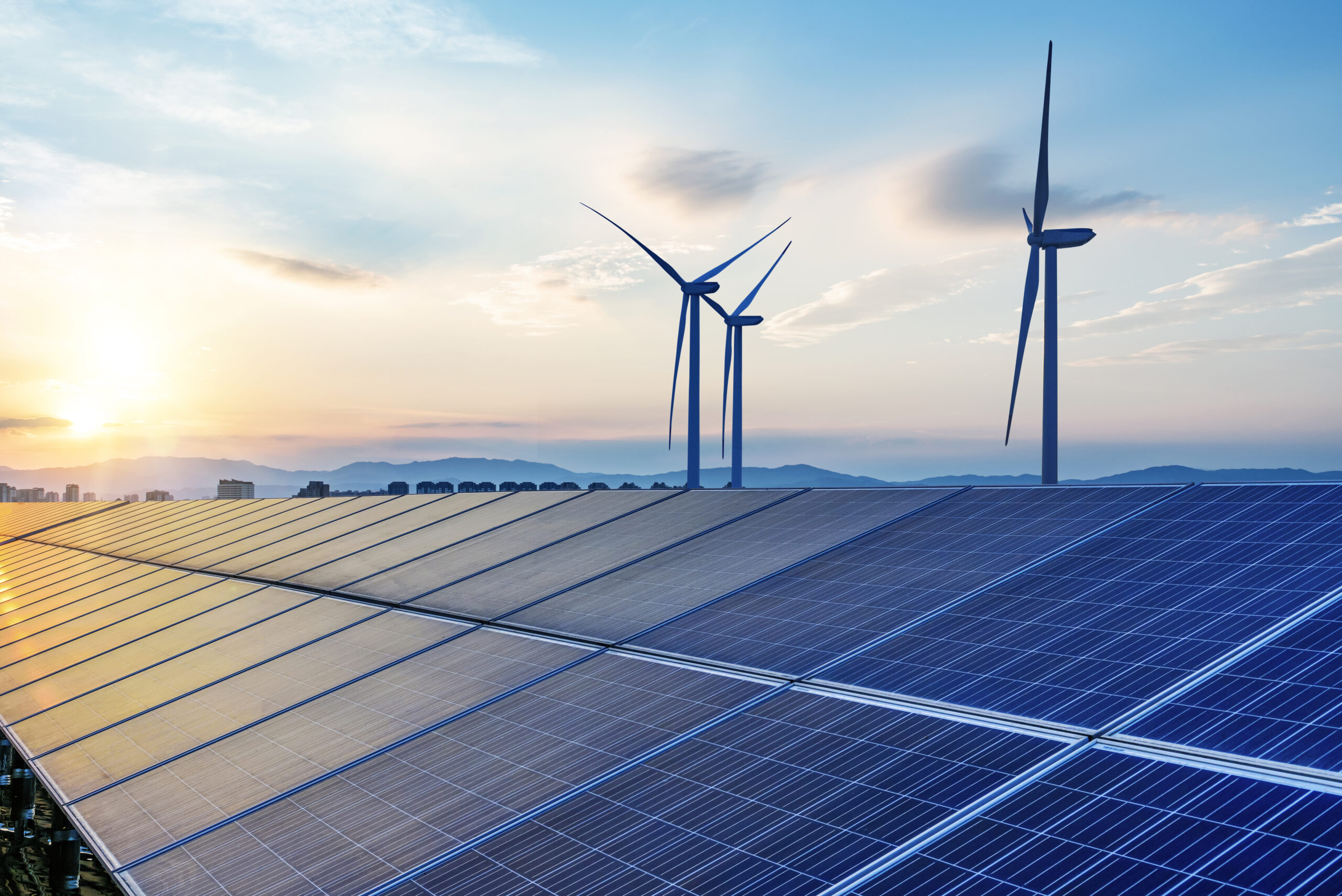
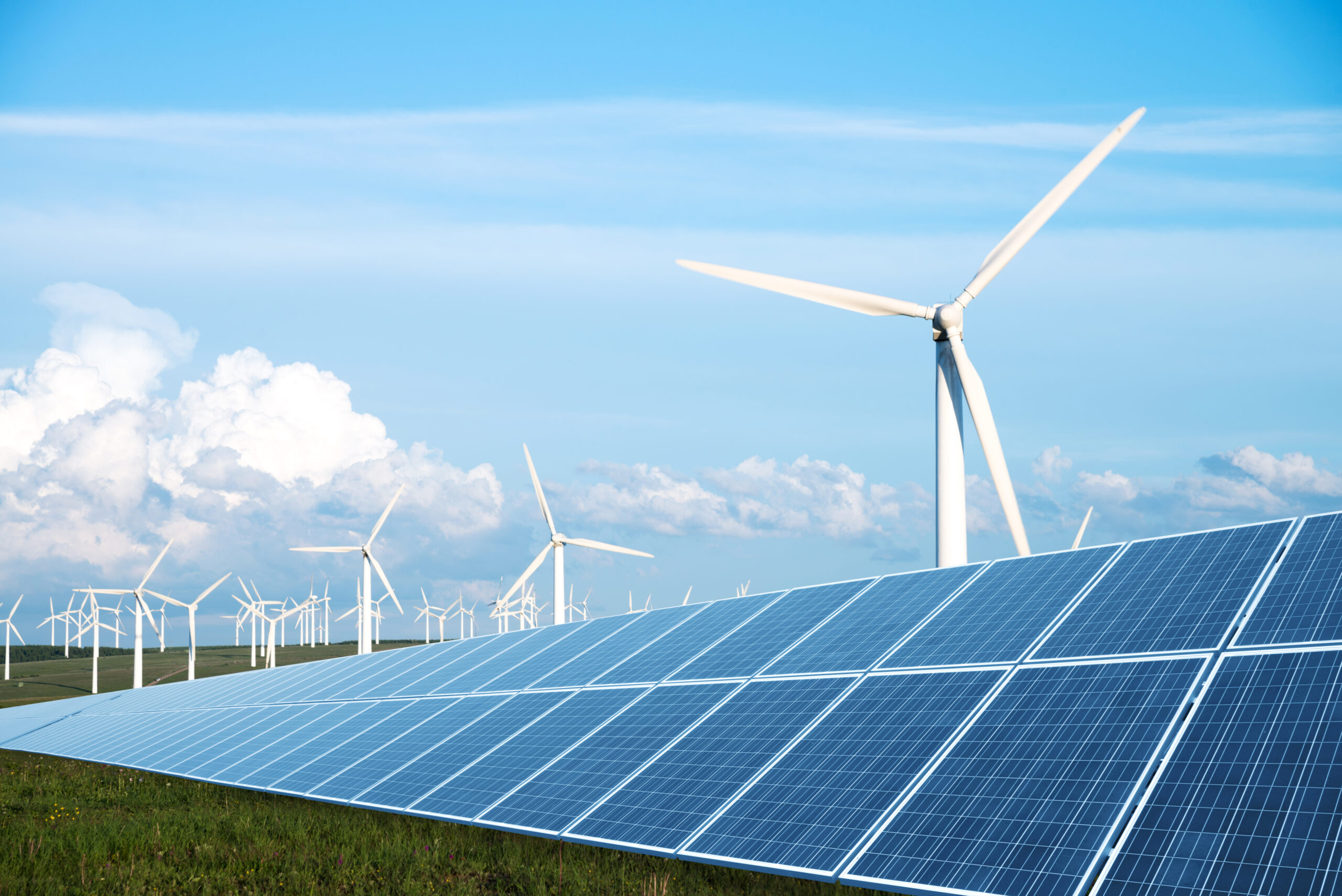
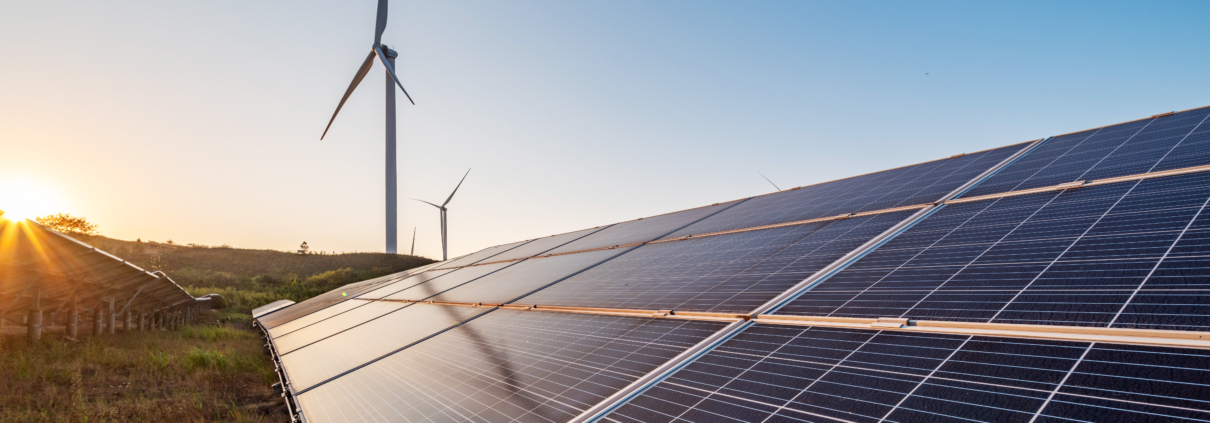
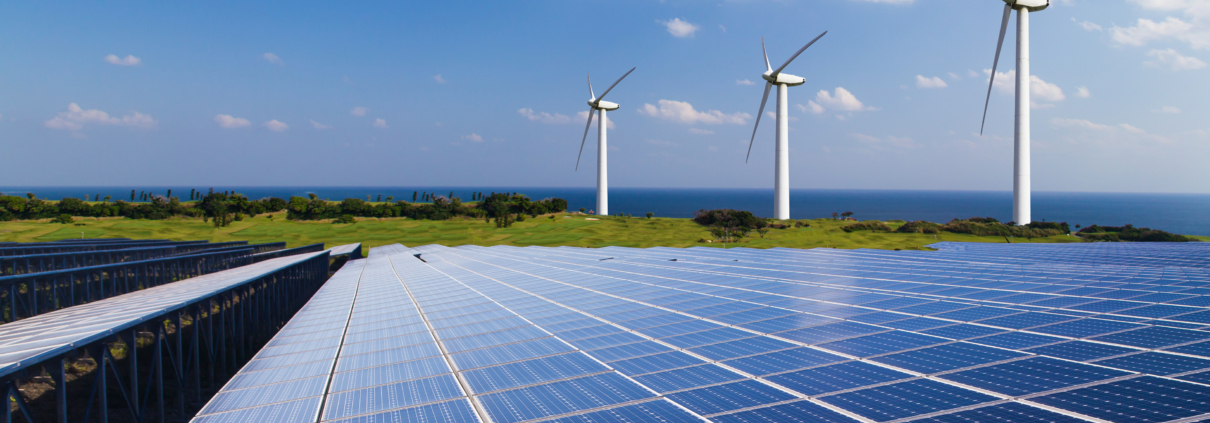
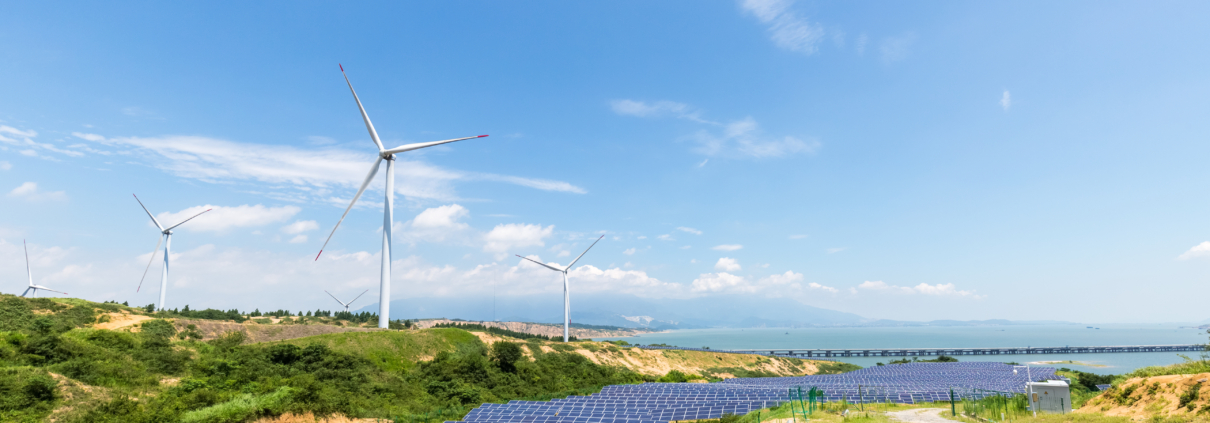
Moreover, Atlas’s approach integrates solar, wind, and storage into a unified solution designed to stabilize mining power systems and elevate environmental standards.
For Chilean mining, the energy transition is a tangible opportunity. With Atlas’s technical and operational support, companies can transform new regulatory demands into competitive advantages, including reduced environmental footprints, access to certifications, lower costs, and a position as sustainable suppliers in the world’s most demanding markets.
Integrating non-conventional renewables is a strategic imperative to compete effectively in today’s international critical minerals market.
At Atlas Renewable Energy we have a WhatsApp channel ready to assist you. Through it, you can get quick answers to your questions. Contact us and discover how easy it is to connect with us!
This article was created in partnership with Castleberry Media. At Castleberry Media, we are dedicated to environmental sustainability. By purchasing carbon certificates for tree planting, we actively combat deforestation and offset our CO₂ emissions threefold.
Share This Entry